Quick answer
Choose other fashion accessories by matching them to the outfits you already wear, not the ones you wish you wore. Prioritize pieces that work in at least three real situations, check the dimensions and materials against how you will use them, and buy fewer items that can do more. That approach builds an accessory collection you actually reach for.
Most accessory drawers fail for the same reason: pieces were bought for an idea of a life, not the one you have. The fix is not more storage or better organization. It is a stricter filter at the point of purchase.
This guide gives you concrete decision rules for choosing other fashion accessories, from small carry pieces to travel helpers. You will also see how to judge versatility, fit, and durability using real catalog details, so you can build a collection that earns its space.
Start with the outfits you already wear
Before you look at any product, count the outfits you wore in the last two weeks. If a potential accessory does not work with at least three of them, it is a costume piece, not an everyday accessory. This one rule eliminates most impulse buys.
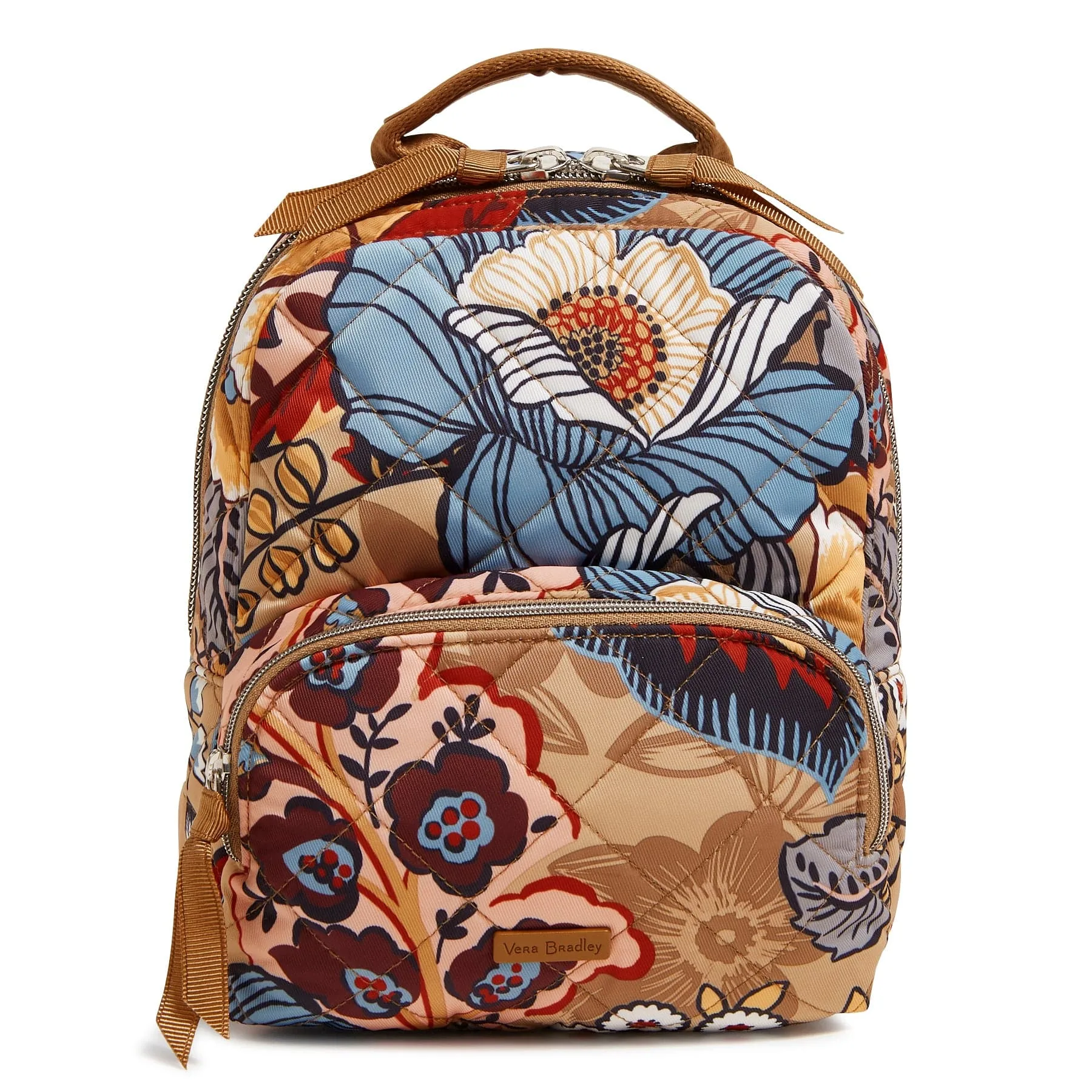
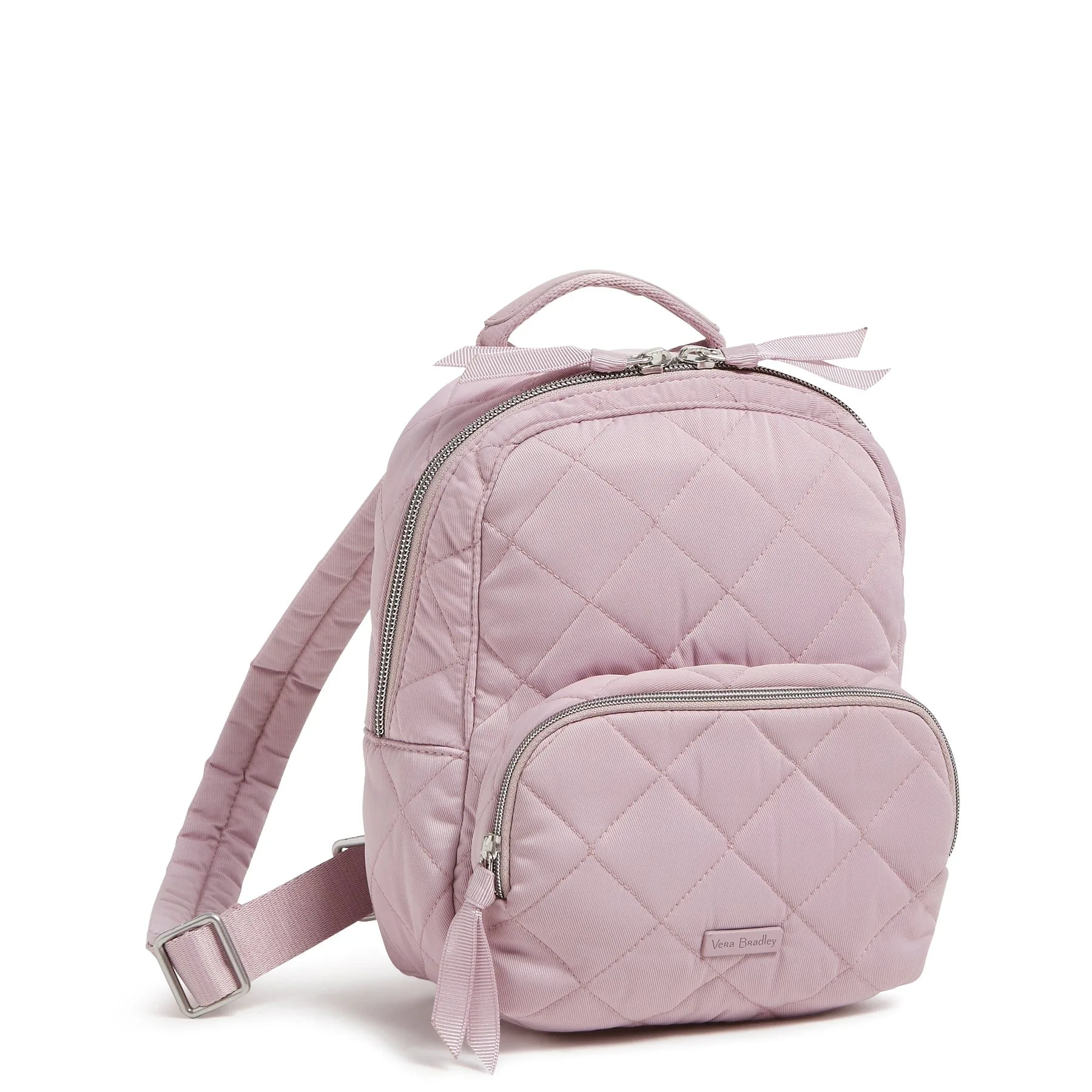
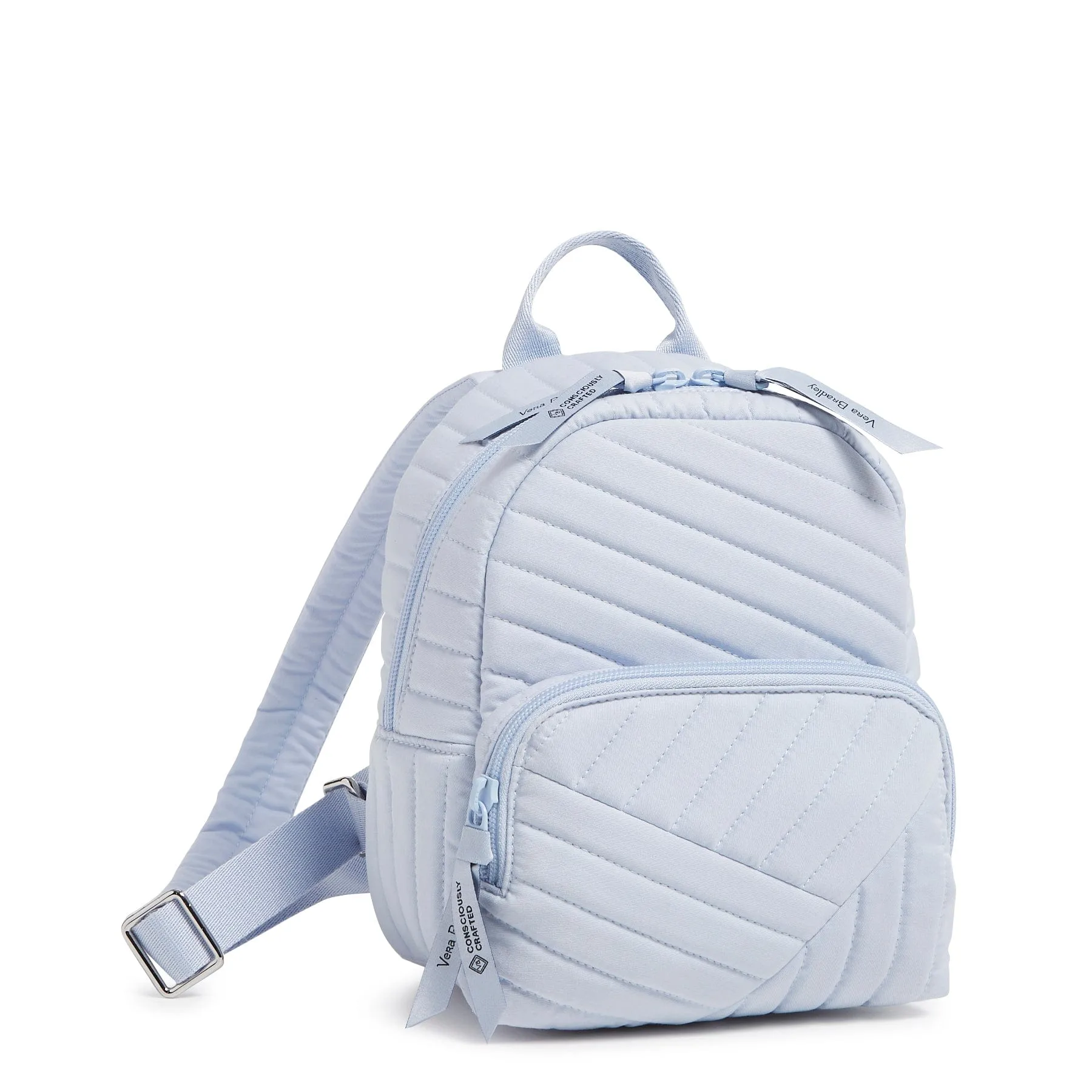
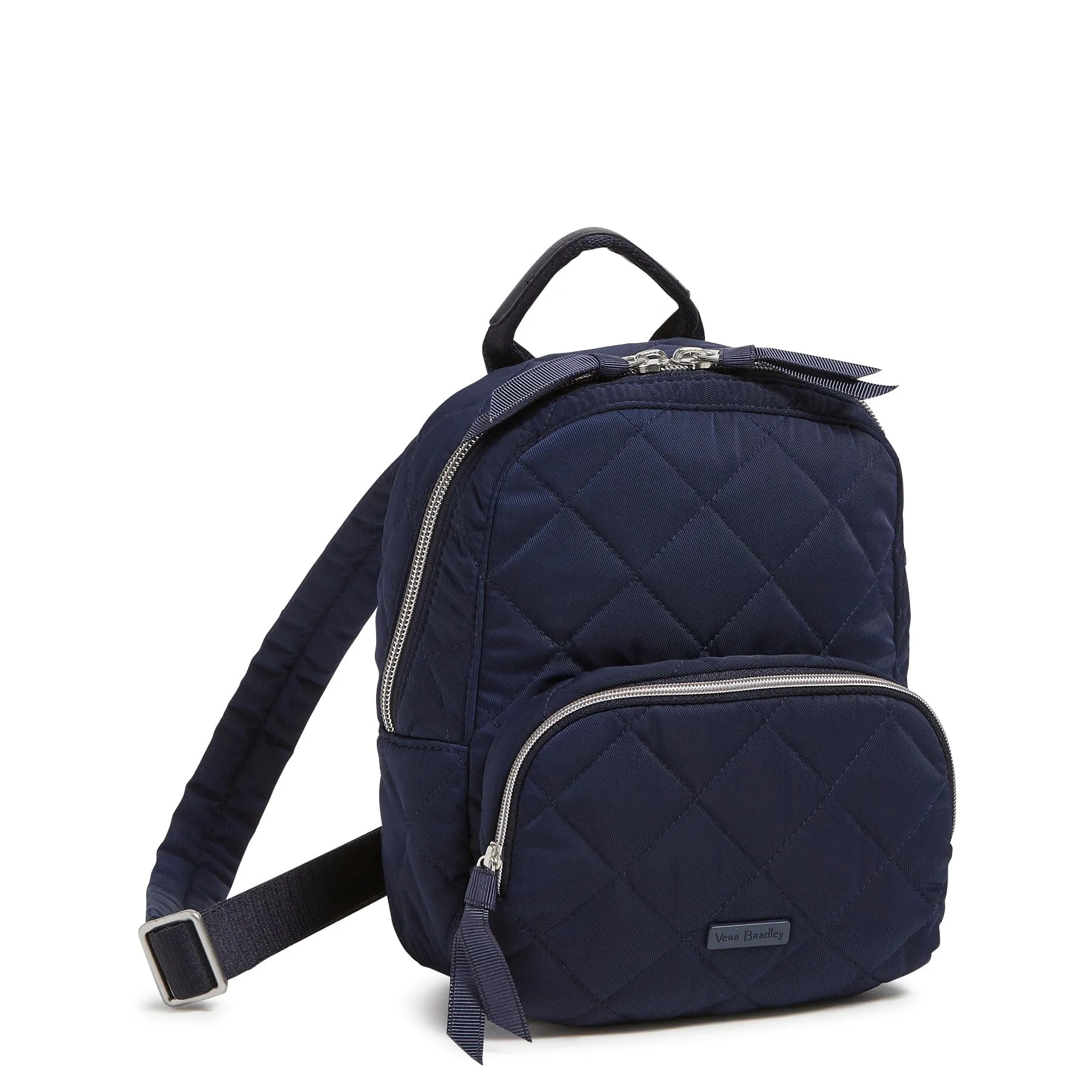
Then check the scale. A small wristlet can disappear inside a large tote, while a https://verabradleyoutletex.com/products/mini-backpack-3935418590-893e5463799f24c890174b24-1639803https://verabradleyoutletex.com/products/mini-backpack-400067730-f3675267e4ee1fcb2b0cb62b-1639909https://verabradleyoutletex.com/products/mini-backpack-39354219-db32e0f91fba2cee28d216fb-1639959https://verabradleyoutletex.com/products/mini-backpack-3935419050-9e64f5ee8e40f7e85c723e7c-1639989mini backpack can overwhelm a light dress. Match the piece to the volume of what you carry daily, not to a special-occasion version of yourself.
- Lay the accessory next to your three most-worn outfits before buying.
- If you cannot name three places you will take it this month, skip it.
Judge versatility by function, not by pattern
Versatile fashion accessories usually change function, not just color. A piece that converts from one carry style to another replaces two items in your rotation. That is a stronger signal of value than a pattern that matches one coat.
Look for closures, pockets, and straps that solve a real problem. A zip closure protects loose items. A slip pocket keeps your phone reachable. These details decide whether you use the piece daily or leave it on a shelf.
- Count the number of carry or wear positions a piece offers.
- Choose patterns only after the function works for your routine.
Use dimensions to prevent fit surprises
Dimensions are the most honest part of any product listing. Measure your daily essentials first, then compare. If a card case is 4.0 inches wide and 3.25 inches high, it will hold cards and a few folded bills, not a phone and keys.
For bags and organizers, depth matters as much as width. A pack that is 3.5 inches deep holds a different load than one that is 6 inches deep, even if the height looks similar online. Write your must-carry list and check each measurement against it.
- Measure your phone, wallet, and keys before comparing bag dimensions.
- Treat weight as a real specification: a 0.56 lb pack feels different after two hours.
Choose materials that match your climate and handling
Material decides how an accessory ages. Water-repellent ripstop polyester suits travel and unpredictable weather because it resists moisture and packs down. Plush polyester is about comfort and warmth, not structure. Neither is better; they serve different jobs.
If a listing does not state a material or care instruction, treat that as a decision limitation. You can still buy the piece, but only if you accept that you are guessing about long-term wear. For everyday accessories, that is usually a reason to keep looking.
- Match the material to your most common weather, not your vacation weather.
- When care details are missing, assume the item needs gentle handling.
Build an accessory collection in layers
A workable collection has three layers: a daily carry piece, a compact backup for quick errands, and a travel or seasonal helper. Buy the daily layer first. It gets the most use and tells you what the other layers actually need to do.
Resist filling all three layers at once. Add the second layer only after you notice a repeated inconvenience, such as needing a smaller bag for lunch breaks. This keeps the collection lean and makes each purchase purposeful.
- Replace before you add: if a new piece duplicates an old one, retire the old one.
- Review your collection each season and remove anything unused for six months.
Check the trade-offs before you commit
Every accessory trades something away. Convertible pieces add hardware and a little weight. Slim card cases save space but carry less. Packable organizers protect clothes but add another item to pack. Naming the trade-off out loud prevents regret.
The right question is not whether a piece is good. It is whether its trade-off matches your priority. If hands-free carrying matters most, a mini backpack with adjustable straps is the better answer than a wristlet, even if the wristlet is smaller.
- Write your top priority in one word before comparing options.
- If two pieces tie, choose the one with the simpler closure.
Decision rules for other fashion accessories
- The three-outfit rule: If the accessory does not work with at least three outfits you wore in the past two weeks, do not buy it. This single filter prevents most unused purchases.
- The two-function rule: Choose pieces that change function, such as wristlet to shoulder bag, rather than pieces that only change color. Function adds value; pattern alone rarely does.
- The measurement rule: Measure your daily essentials and compare them to the listed dimensions before buying any bag or case. If the numbers do not fit your items, the product will not fit your routine.
- The material rule: Match the material to your climate: water-repellent ripstop for travel and wet weather, plush polyester for warmth and comfort. Wrong material for your weather means the piece stays home.
- The trade-off rule: Name what you give up with each piece, such as space, weight, or simplicity, and confirm that trade-off matches your top priority. A piece is only right when its weakness does not matter to you.
Catalog details that guide the decision
- Disney Convertible Wristlet: Converts from a wristlet to a compact shoulder bag; interior features three card slip pockets and a zip closure; dimensions 10.0 inches wide by 6.0 inches high. One piece covers two carry styles and keeps cards organized, which makes it a strong daily layer for errands and light outings.
- Mini Backpack: Exterior slip pocket and zip pocket, interior zip pocket, zip closure, 3 L capacity, dimensions 7.0 inches wide by 9.0 inches high by 3.5 inches deep, adjustable straps, 0.56 lb. The stated pockets and light weight support hands-free everyday use, while the 3 L capacity sets a clear limit on what it can hold.
- Packable Garment Organizer: Lightweight, durable, water-repellent ripstop polyester; folds into its pocket for packing; hidden zipper at the bottom for longer items; dimensions 22.5 inches wide by 40.0 inches high. It protects clothes in transit and packs down when empty, which suits travelers who want one helper rather than several separate bags.
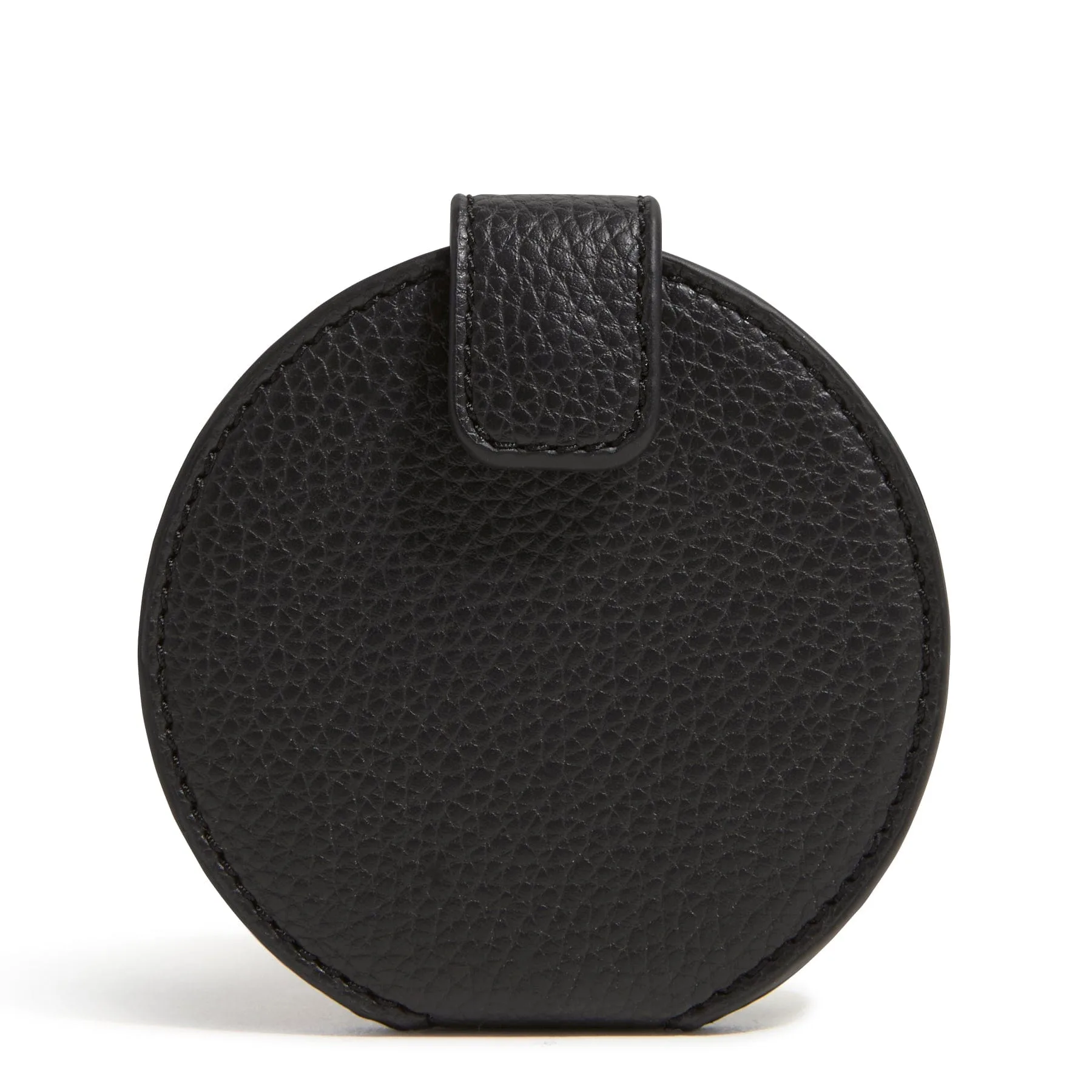
- Outlet Essential Card Case: Six card slip pockets, three front and three back; dimensions 4.0 inches wide by 3.25 inches high; weight 0.07 lb. The slim footprint saves bag space, but the listed dimensions show it is designed for cards and small items, not a phone or keys.
Who these picks fit, and who should choose differently
Best for
- Shoppers who want a small number of everyday accessories that work across errands, work, and travel
- Travelers who need packable helpers and hands-free carrying options with clear dimensions
- Anyone building an accessory collection who prefers function-first pieces over trend-driven ones
Not for
- Shoppers looking for statement pieces built around a single outfit or event
- People who carry large daily loads and need a full-size tote or travel bag instead of a compact pack or wristlet
- Buyers who prioritize matching patterns over multi-use function
Choose other fashion accessories the way you choose shoes: by where you will actually wear them. Use the three-outfit rule, check the dimensions and materials against your real routine, and accept the trade-off each piece makes. Do that, and your accessory collection stops being storage and starts being useful.