Quick Answer
Buy a practical home essential only when you can name where it lives, how often you will use it, and how you will clean it. If any of those three answers is vague, the item is decoration, not a functional home item, and it will quietly become clutter.
Most homes do not need more things. They need fewer things that work harder. The difference between a useful home product and a regret purchase usually comes down to three questions you can answer before checkout: where does it live, how often will you reach for it, and how do you clean it?
This guide gives you decision rules for practical home essentials, including small home upgrades that solve a specific daily friction. It also covers when a piece is genuinely worth its footprint and when you should walk away.
Start With the Friction, Not the Product
Before browsing, name the problem in one sentence. "My drink goes cold before I finish it" is a problem. "My kitchen looks boring" is a mood, and moods are expensive to shop for because nothing quite fixes them. When you can state the friction, you can judge whether a candidate actually removes it.
A useful test: if the item disappeared tomorrow, would you notice within a week? If yes, it is a practical home essential for you. If you would only notice when cleaning, it is probably a small home upgrade you can skip.
- Write the problem down before you shop, then check whether the product description addresses it directly.
- Prefer one item that solves the whole problem over three items that each solve part of it.
Judge the Footprint Before the Price
Space is the real cost. A low price on something that occupies a counter for years is not a bargain. Measure the spot where the item will live, including clearance for doors, drawers, and cords, and compare that number to the product dimensions before you commit.
For small homes, choose pieces that do double duty or that store flat when not in use. If an item has no assigned home, it will migrate to a surface you actually need, and you will resent it.
- Measure the storage spot first, not the product listing.
- If two items compete for the same square foot, keep the one you use more often.
Care and Cleaning Decide Longevity
An item you cannot clean easily will be used less. Check whether the care instructions match your routine: hand wash only, spot clean, or wipe down. If the care step is more effort than the task the item performs, it is a poor fit for your household regardless of how good it looks.
This is also where honest tradeoffs matter. Double-walled drinkware keeps temperatures stable but adds bulk and weight. Patterned fabrics hide everyday marks but still need the care steps the maker lists. Read the care details before you fall for the finish.
- Match the care routine to your real week, not your ideal one.
- Buy the version you can maintain, not the version you admire.
Match the Piece to the Room's Job
Every room has a job, and the best functional home items support that job without asking for attention. A bedside surface should hold a drink and a phone. An entry point should catch keys, a wallet, and a bag. An item that does not serve the room's job is a display piece, which is fine if you label it that way.
When a piece supports a routine you repeat daily, it earns its space quickly. When it supports a routine you do twice a year, store it or skip it.
- Name the room's job in three words, then ask whether the item helps.
- Daily routines justify permanent space; seasonal ones justify storage, not display.
Set a Budget Rule That Prevents Regret
Use a simple threshold: if an item costs more than you would spend without checking your budget, wait a week. If you still want it and can name its home, buy it. This rule filters impulse buys without banning small home upgrades that genuinely improve a daily task.
For home organization essentials, buy in sets only after the first piece works. One proven item tells you more than a matching set you have not tested.
- Wait a week on anything above your comfort threshold.
- Test one piece before committing to a matching set.
Decision Rules for Home Essentials
- The friction rule: Buy only when you can state the daily problem in one sentence and the product description addresses it directly. No named problem, no purchase.
- The footprint rule: Measure the storage spot and compare it to the listed dimensions before you buy; if it has no home, it becomes clutter. Space is the real price.
- The care rule: Confirm the care steps match your routine; if cleaning takes longer than the task, choose a simpler piece. If you will not clean it, you will not use it.
- The one-piece test: For home organization essentials, buy a single item, use it for two weeks, then decide whether to add more. Prove the system before you scale it.
Product Facts That Show the Tradeoffs
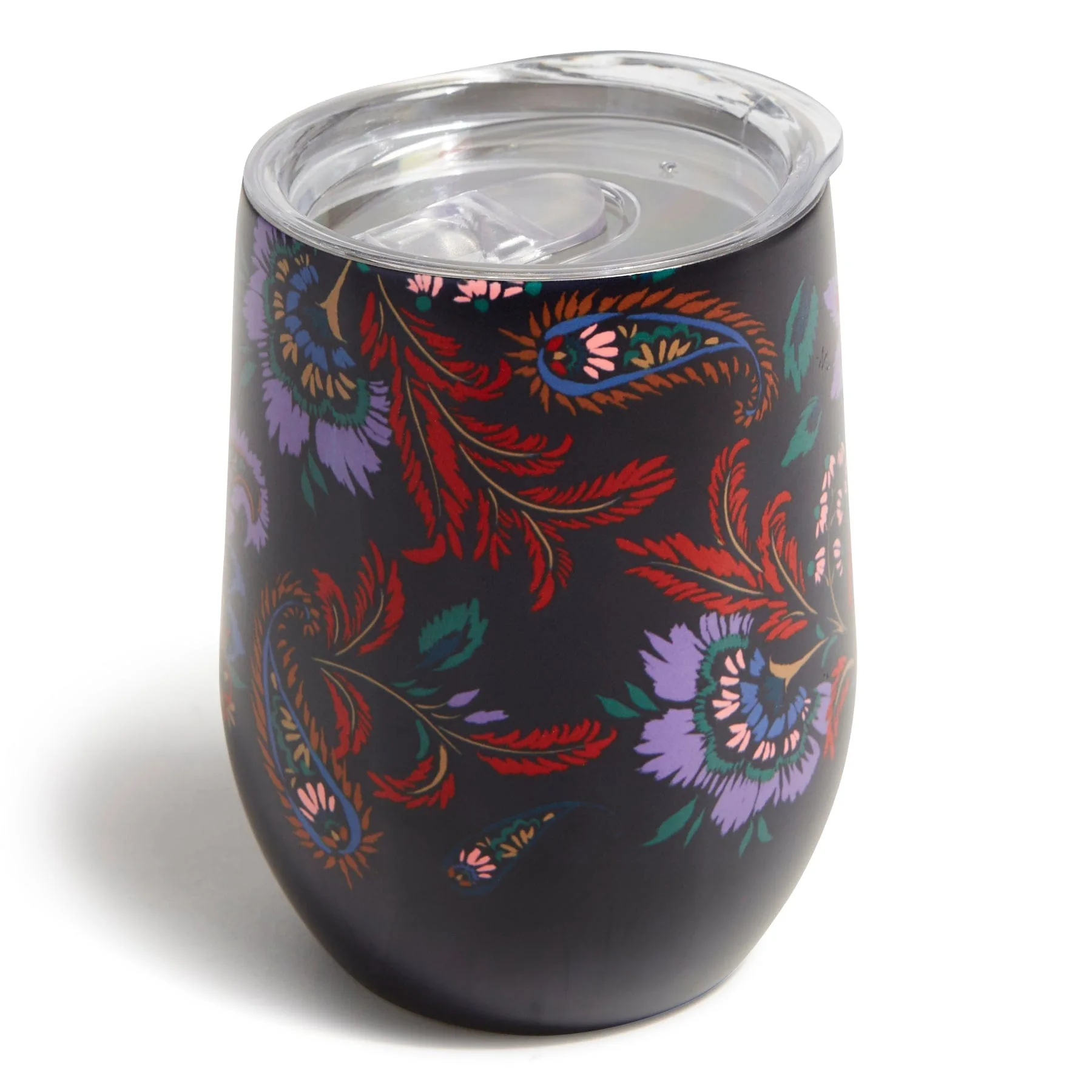
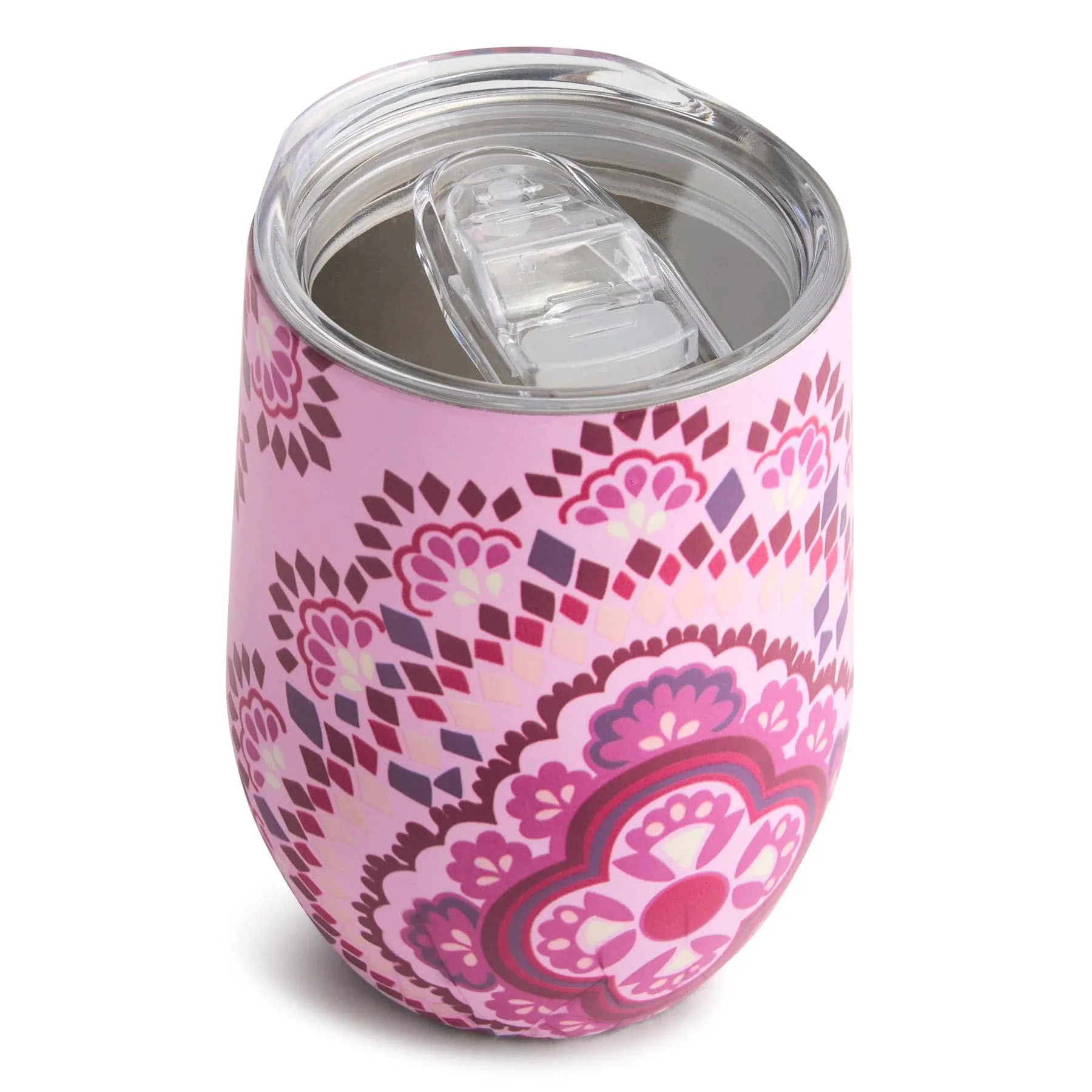
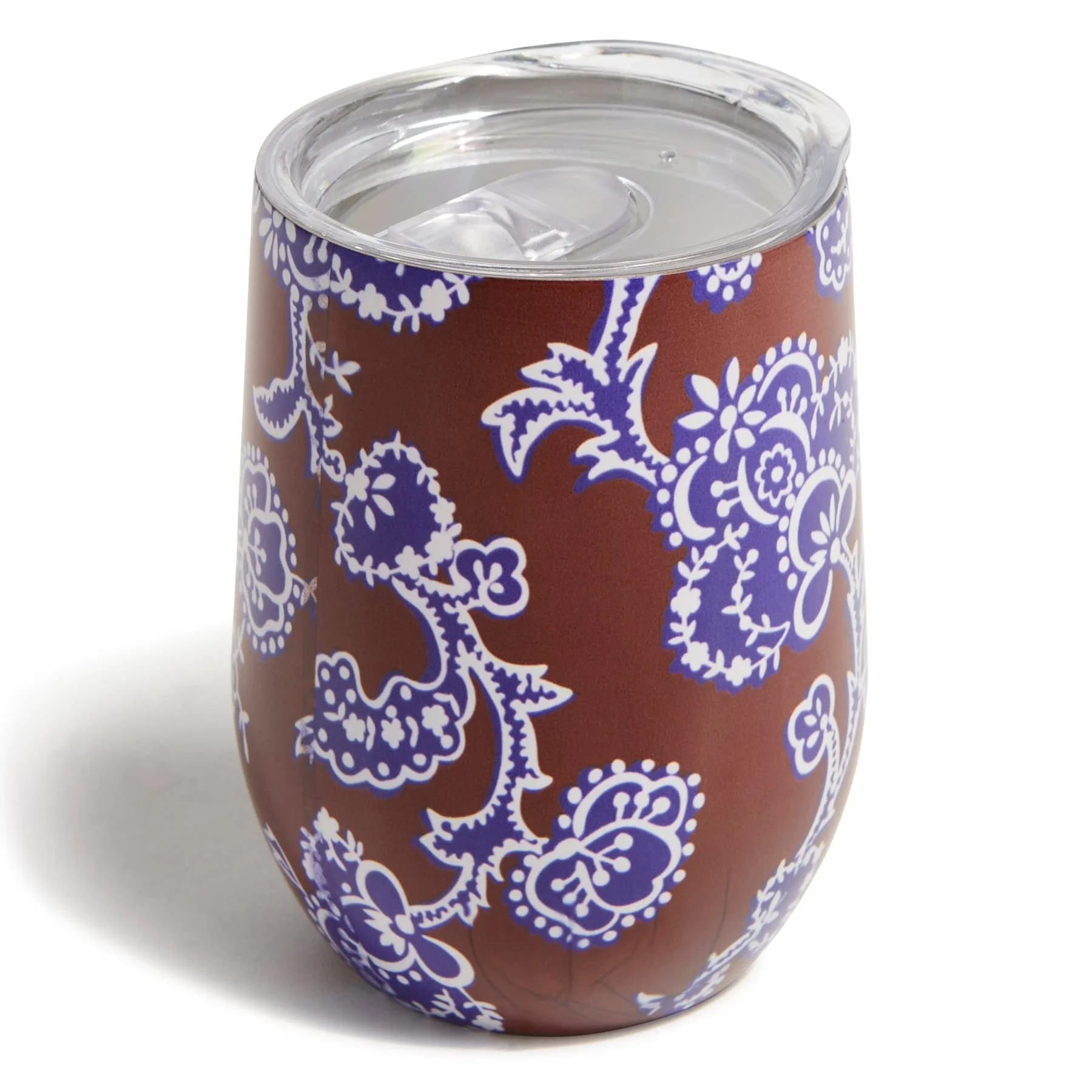
- https://verabradleyoutletex.com/products/outlet-stainless-steel-12oz-tumbler-5130522554-49eaa2d6a1575115b024f2e1-1641424https://verabradleyoutletex.com/products/outlet-stainless-steel-12oz-tumbler-5130520891-91d6d7958ac8d649cde2051a-1641441https://verabradleyoutletex.com/products/outlet-stainless-steel-12oz-tumbler-5130520992-ad42c73ca3b3695ce05eb504-1641483Outlet Stainless Steel 12oz Tumbler: This 12 ounce tumbler features double-walled insulation to keep your favorite drink perfectly warm or cool, and it is an outlet exclusive with a 12 ounce capacity. Double-walled insulation is the feature that earns counter space for a daily drink, but 12 ounces is a modest capacity, so it suits a coffee or tea habit rather than all-day hydration.
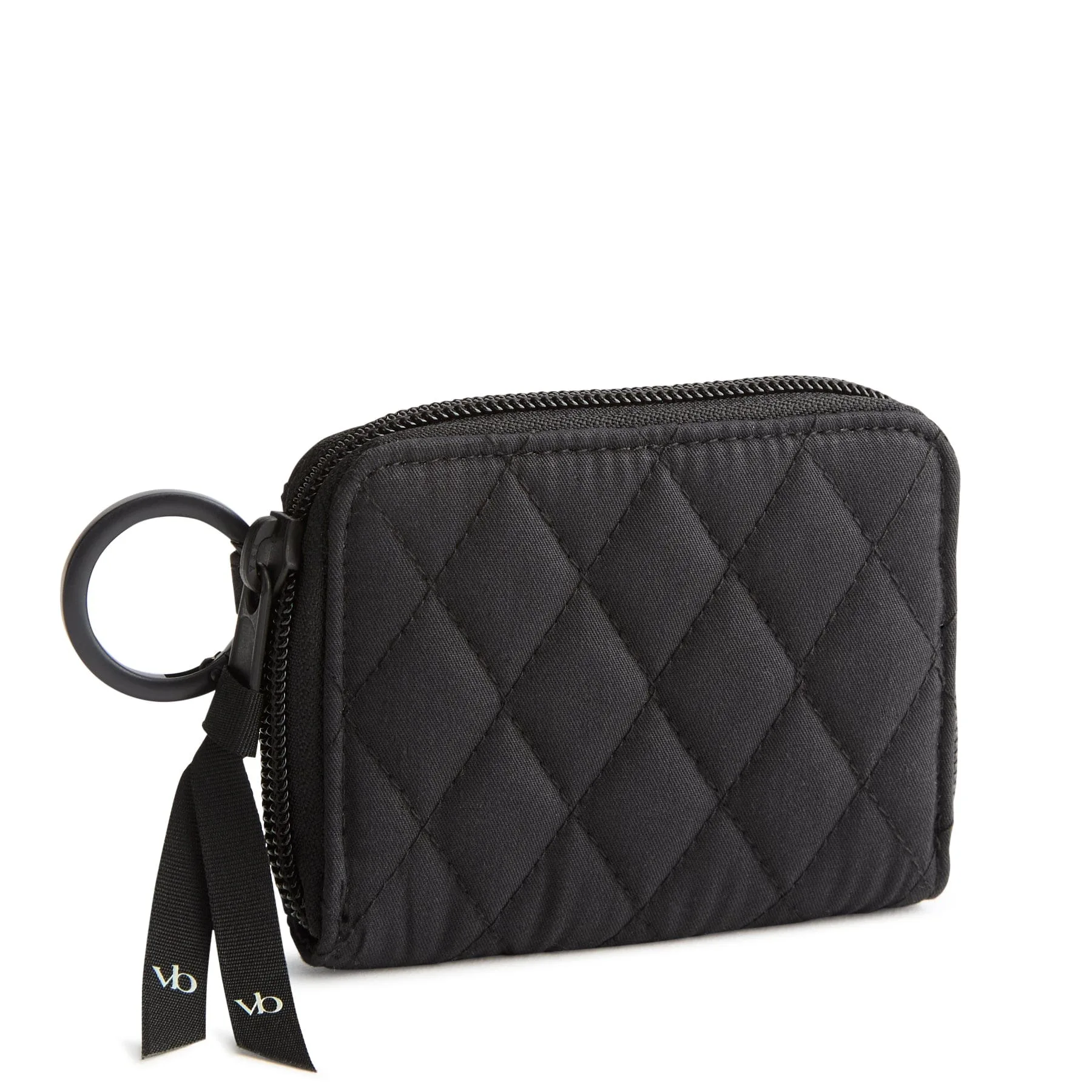
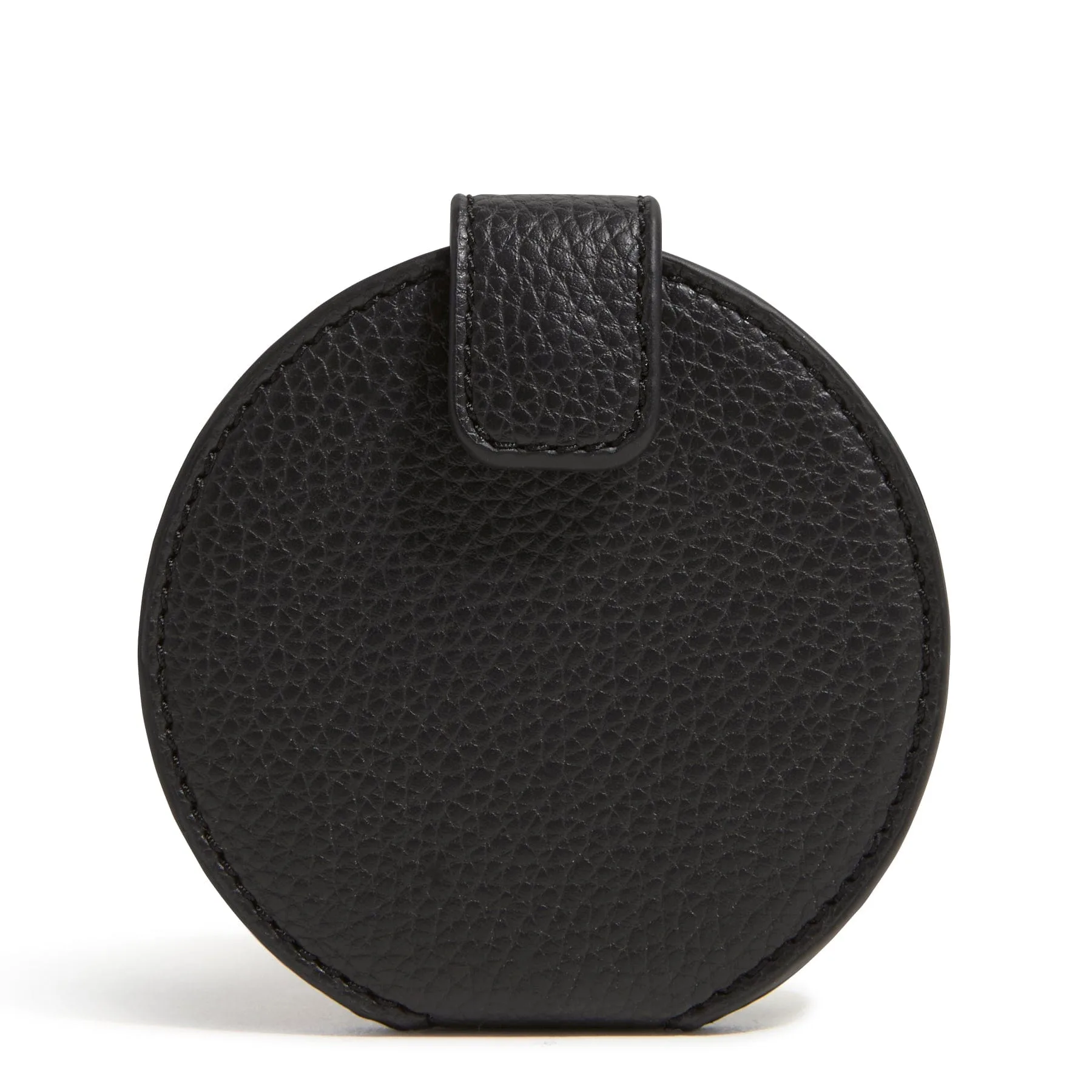
- Outlet Small Zip-Around Wallet: This outlet-exclusive wallet has a clear ID window, two slip pockets, a zip pocket, zip closure, and measures 4.25 by 3.25 by 0.75 inches at 0.15 pounds. The listed dimensions and closure type tell you it fits a small bag or a dedicated entry spot without adding bulk, which is exactly the kind of measurable fit detail to check before buying any home essential.
- Outlet Mini Hipster: This outlet-exclusive crossbody has a slip pocket, an interior ID window and three card slips, a zip closure, measures 6.0 by 7.5 by 0.75 inches, and has an adjustable strap with a longest drop of 26.5 inches. The stated strap drop and dimensions let you decide whether it hangs at a comfortable height and whether it fits a specific hook or shelf, which is how you judge footprint before purchase.
Who This Approach Fits
Best for
- Small-space households that need every item to justify its footprint
- Shoppers replacing a specific broken or missing item and wanting a clear, practical routine
Not for
- Collectors buying for display, who should choose pieces on aesthetic grounds instead
- Shoppers seeking a full matching set before testing a single piece
Practical home essentials are decided before checkout, not after. Name the problem, measure the spot, check the care steps, and buy the single piece that solves it. That habit keeps useful home products in rotation and keeps everything else out of your space.