Quick answer
Many outdoor cushion storage myths suggest that simply bringing cushions inside or covering them is enough, but the real keys are ventilation, dryness, and using the right materials. Avoid storing damp cushions in sealed containers, and choose breathable covers to prevent mildew. Always check manufacturer guidelines for your specific cushions.
If you've ever pulled out your patio cushions after a long winter and found them musty, stained, or worse, you're not alone. Myths about outdoor cushion storage abound, and following them can cut your cushions' lifespan short.
In this article, we'll debunk common patio cushion storage mistakes and share practical tips to keep your cushions fresh and ready for next season. Whether you're storing chair cushions outdoors or packing them away, these insights will help you avoid costly errors.
Myth: You Can Store Damp Cushions in a Sealed Container
Many people believe that as long as cushions are out of the rain, they're safe. But sealing damp cushions in a plastic bin traps moisture, creating a perfect environment for mildew and mold. Even if the cushion feels dry on the surface, inner foam can hold water from dew or a recent cleaning.
The verdict: Always ensure cushions are completely dry before storing. Allow them to air out in a sunny, well-ventilated area for a full day. If you must store them quickly, use a breathable cover instead of an airtight container.
- Tip: Stand cushions on edge to dry, so air circulates around all sides.
Myth: Leaving Cushions Outside Year-Round Is Fine If They're 'Outdoor'
Outdoor cushions are designed to withstand the elements, but that doesn't mean they're invincible. Prolonged exposure to sun, rain, and temperature swings will eventually break down fabrics and fade colors. Storing chair cushions outdoors through winter can lead to cracked foam and brittle fabric.
The verdict: Even outdoor cushions benefit from off-season storage in a dry, protected area. If you lack indoor space, invest in a breathable storage bag and elevate cushions off the ground to prevent moisture wicking.
- Tip: Clean cushions before storing to remove dirt and oils that attract mold.
Myth: Mildew Is Just a Cosmetic Issue
Some people think mildew only affects appearance, but it can weaken fabric fibers and cause odors that are hard to remove. Mildew also poses health risks for those with allergies. Once mildew sets in, it's difficult to eliminate completely.
The verdict: Prevent mildew by storing cushions clean and dry. If you spot mildew, treat it immediately with a mild soap solution and sun-dry. For severe cases, replacement may be necessary.
- Tip: Use a fan to speed drying in humid climates.
Myth: All Storage Bags Are Created Equal
Not all storage bags protect equally. Plastic bags trap moisture, while breathable fabric bags allow air circulation. Look for bags labeled breathable or specifically designed for outdoor cushions.
The verdict: Choose storage bags made of breathable materials like canvas or specially engineered fabrics. Avoid vacuum-sealed bags, which can crush foam and trap moisture.
- Tip: If using a tarp, ensure it's elevated and not wrapped tightly, to allow airflow.
Myth: You Can Skip Cleaning Before Storage
Dirt, pollen, and bird droppings can harbor moisture and promote mildew growth during storage. Skipping cleaning means you're storing potential problems.
The verdict: Always clean cushions according to manufacturer instructions before storing. Most outdoor fabrics can be cleaned with mild soap and water, then air-dried thoroughly.
- Tip: For stubborn stains, use a soft brush and avoid harsh chemicals that can damage fabric treatments.
Verdicts on Outdoor Cushion Storage Myths
- Myth: Damp cushions can be sealed in plastic bins: Sealing damp cushions traps moisture and encourages mildew. Always dry cushions completely before storing. Verdict: False. Dry thoroughly first.
- Myth: Outdoor cushions can stay outside all year: Even outdoor cushions degrade with prolonged exposure. Store them in a dry, protected area off-season. Verdict: False. Off-season storage is best.
- Myth: Mildew is only cosmetic: Mildew weakens fabric and can cause health issues. Prevent it by storing clean, dry cushions. Verdict: False. Mildew causes real damage.
- Myth: Any storage bag works: Plastic bags trap moisture; breathable bags allow air circulation. Choose breathable options. Verdict: False. Use breathable bags.
- Myth: You can skip cleaning before storage: Dirt attracts moisture and mildew. Clean cushions before storing to extend their life. Verdict: False. Always clean first.
Product facts
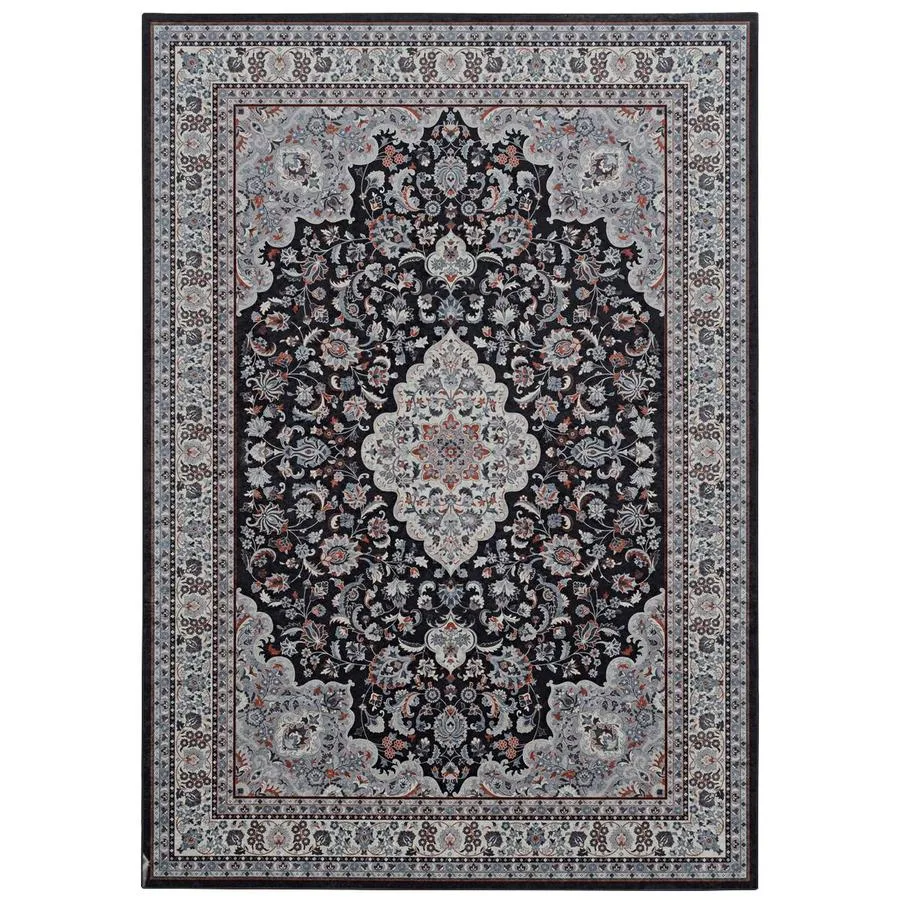
- Linon Emerald Collection Area Rug - 3x5: The Linon Emerald Collection Area Rug is a 3x5 area rug offered through Boscov's. It is part of the Linon Emerald Collection and is available in a Standard option. While not a cushion, this rug shows that Boscov's offers home items that may need seasonal care. Proper storage of any outdoor textiles, including rugs, follows similar principles: clean, dry, and store in a breathable environment.
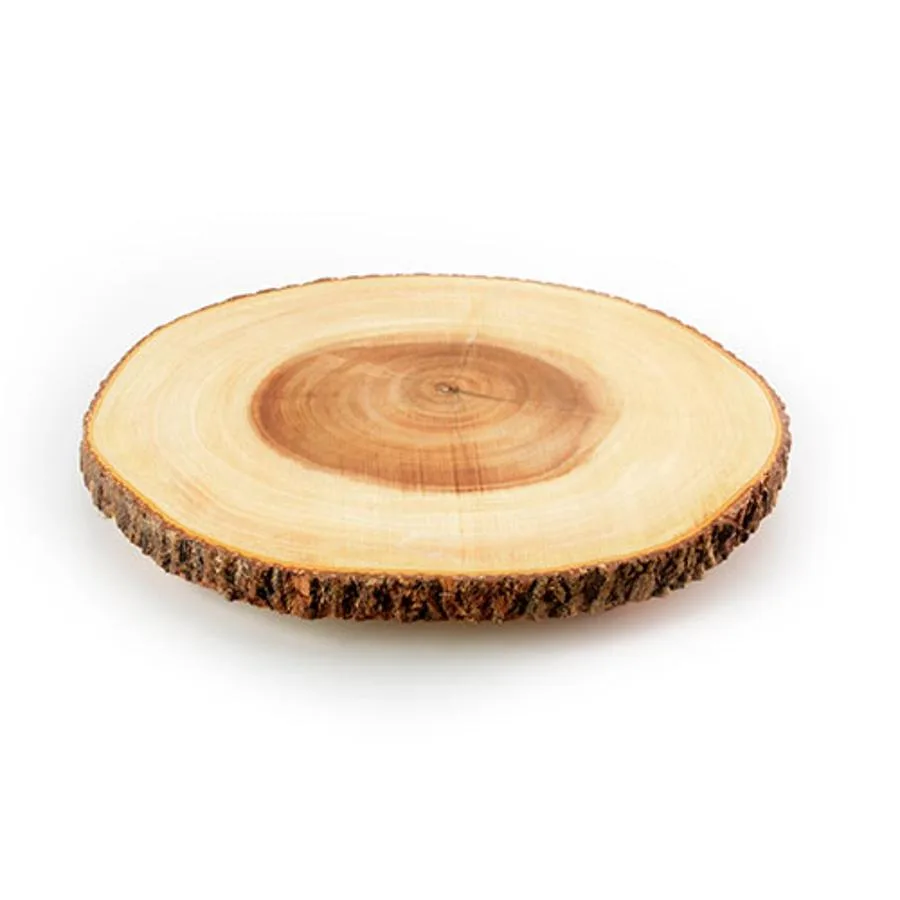
- Acacia Footed Server: The Acacia footed server brings a rustic and contemporary look to your home. The rich dark color complements any décor and is perfect for serving cheese, crackers, and hors d'oeuvres. Handcrafted. Acacia wood. This server is for indoor use, but it highlights the importance of material care. Wood, like outdoor fabrics, can be damaged by moisture, so proper storage and maintenance are key.
By avoiding these common outdoor cushion storage myths, you'll keep your patio cushions in better shape for years to come. Remember: dry, clean, and breathable storage is the winning formula.