Quick answer
Buy for floor space and storage first, not for a fantasy of a big lawn. In a small yard, the best picks are compact, weather-tolerant, and easy to pack away. Start with one or two pieces that do double duty, like foam puzzles that work in water or a magnetic car set that rolls on any flat surface. Skip anything that needs anchoring, permanent assembly, or more than a few square feet of clear ground.
A small yard is not a compromise. It is a design constraint, and once you treat it that way, shopping gets much easier. The question is not which outdoor toy is biggest or flashiest, but which one fits your actual square footage, survives your climate, and stores without a fight.
This guide gives you decision rules for outdoor toys for small yards, plus honest trade-offs. You will see how to measure before you buy, which materials hold up, and which categories to skip. A few real products from our catalog appear along the way as examples of the principles, not as a must-buy list.
Measure first: the three numbers that decide everything
Before you look at a single product, write down three numbers: your clear play footprint, your storage width, and your door or gate width. The play footprint is the open ground you can give up permanently or temporarily. The storage width is the narrowest shelf, bin, or closet slot you can dedicate. The door width matters because a toy that cannot get through the gate will never be used.
A useful rule: if a toy needs more than half of your clear footprint, it will feel crowded the moment two children play together. If it cannot collapse or stack, it competes with everything else you store. Measure once, then filter every candidate against those numbers. This single step prevents most small-yard buying regrets.
- Keep a 2-foot buffer around any swing, slide, or climbing piece.
- Check whether the toy can be carried by one adult without dragging.
- Photograph your storage spot and keep the photo on your phone while shopping.
Choose materials that tolerate weather and rough play
Durable outdoor toys for small yards share a few traits: they resist moisture, do not fade into brittleness after one season, and have no small parts that rust or snap. Soft foam is a smart choice for water and floor play because it is light, quiet, and safe for young children. Look for foam explicitly described as free from BPA, phthalates, and latex if your child still mouths toys.
For building and vehicle play, hard plastic with real rolling parts holds up better than thin molded shells. Magnetic tiles and cars are a good example: they work indoors and outdoors on a patio, and they store in a small bin. If a product does not state its material or safety details, treat that silence as a limitation and ask before buying.
- Rinse and dry foam and plastic toys after water play to prevent mildew.
- Store porous toys indoors; leave only hard plastic outside.
- Avoid toys with fabric parts that cannot be removed and washed.
Prioritize multi-use and flat-storing pieces
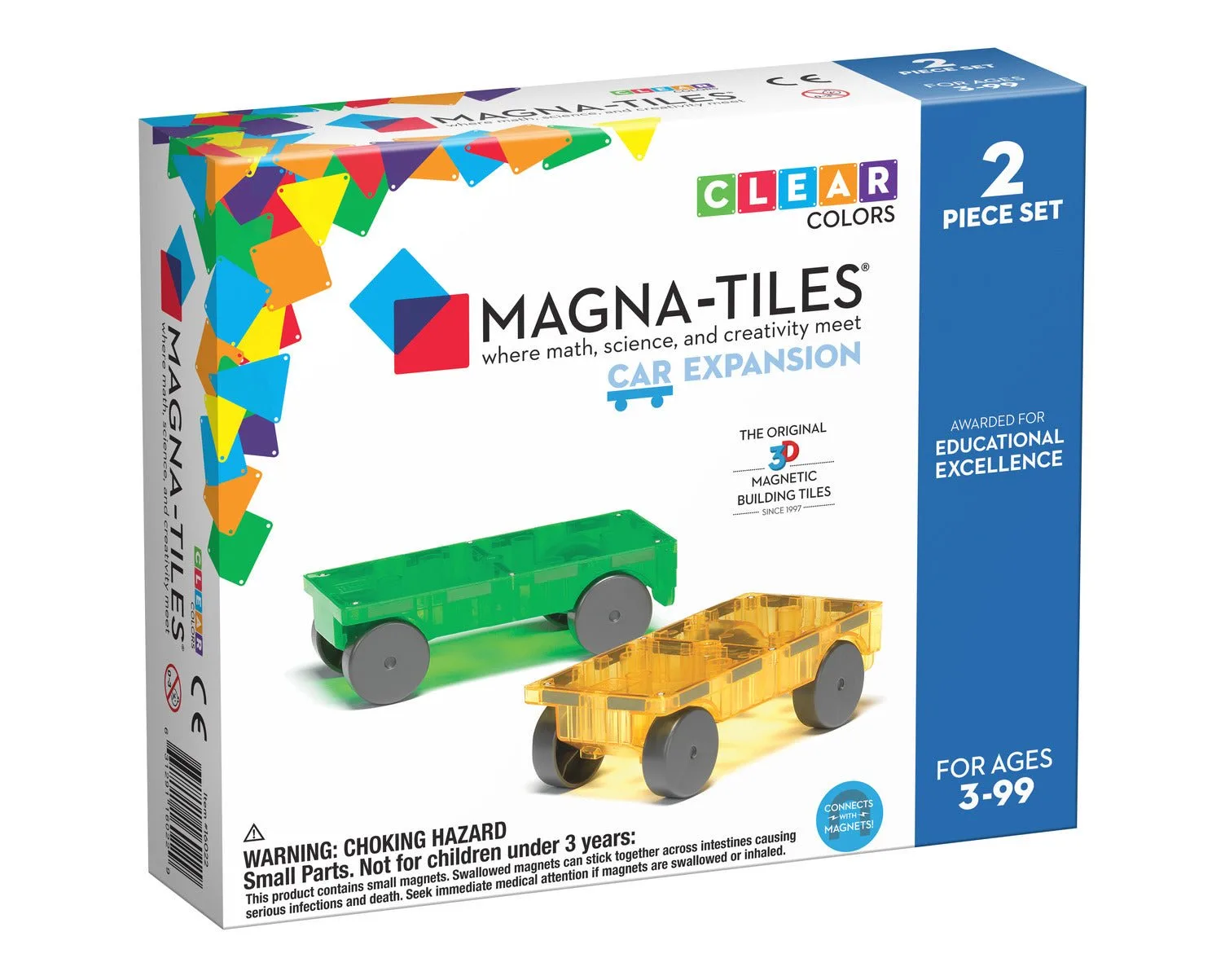
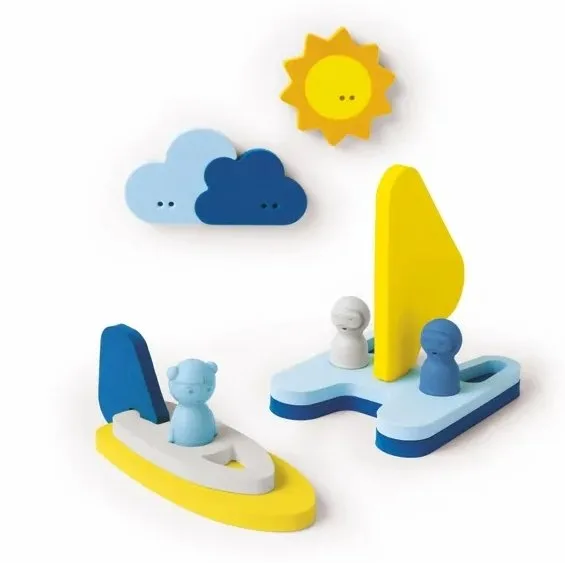
The best space saving outdoor toys are the ones that change with the setting. A foam puzzle that works in a water table, a bathtub, or on a patio gives you three activities in one footprint. A two-piece magnetic car expansion set adds motion to tiles you already own instead of introducing a whole new storage category.
Flat-storing pieces beat bulky ones even when the bulky one looks more exciting in the photo. A set that stacks to the height of a shoebox will actually come out on a Tuesday afternoon. A set that needs its own corner will slowly become furniture. When two options are close in price, choose the one that stores smaller.
- Count the storage volume, not just the play area.
- Favor sets that combine with toys you already own.
- Test the pack-away routine: if it takes more than two minutes, it is too fussy.
Match the toy to your child's age and supervision level
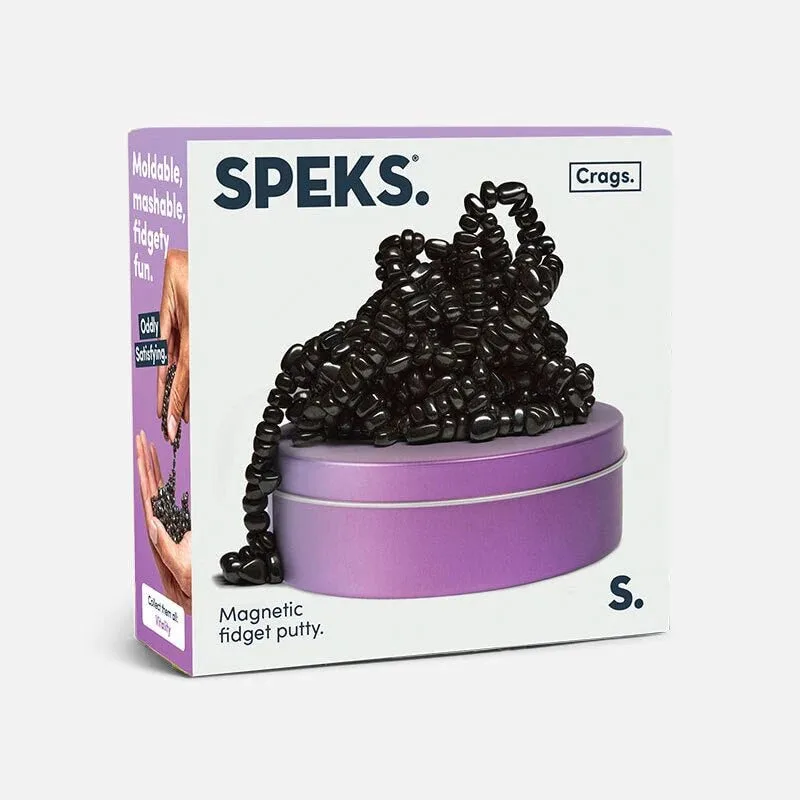
Age labels are not marketing decoration. A foam puzzle rated for 10 months and up is designed for mouthing, grabbing, and throwing. A magnetic fidget putty rated 14+ contains hundreds of small magnetic stones and is not a toy for a toddler, no matter how calming it looks. Respect the gap.
For backyard toys for toddlers, choose large pieces with no loose magnets or tiny parts. For older children, you can introduce strategy games, building sets, and fidget items with clear rules. If you have mixed ages, store the older child's small-part toys separately and keep a toddler-safe bin at ground level.
- Read the age rating before the price.
- Keep small-part toys on a high shelf, not in the yard bin.
- Supervise water play even when the toy is rated for babies.
What to skip in a small yard
Skip anything that requires permanent anchoring, a level lawn, or more than one adult to move. Skip oversized inflatables that need a pump and a drying day. Skip toys with a single fixed use that only works in one weather condition. These items are not bad toys; they are bad fits for limited space.
Also skip duplicate categories. If you already own magnetic tiles, a second full tile set adds less value than a small expansion that makes the existing set do something new. If you already have a water table, a foam puzzle that fits inside it will get more use than a second water toy.
- No anchoring, no permanent footprint.
- No single-weather, single-use items.
- No duplicates of a category you already own.
Decision rules for small-yard outdoor toy buying
- If the toy needs more than half your clear footprint: Skip it or choose a smaller version. Crowded play leads to frustration and unused toys. Measure the footprint before the price tag.
- If it cannot store flat or stack: Prefer a piece that collapses, nests, or fits a shoebox-size bin. Storage is the real constraint in a small yard. If it takes more than two minutes to pack away, it will stay out and get in the way.
- If the age rating is above your child: Do not buy it for the younger child. Small magnets and small parts are a hard stop, even when the toy looks calming or educational. Match the rating, then supervise.
- If it duplicates a category you own: Buy an expansion that makes the existing set do something new instead of a second full set. One category, one bin.
- If the material and safety details are missing: Treat the absence as a limitation. Ask the seller before buying, especially for toys for children under three. No details, no purchase.
Catalog examples that fit small-space rules
- Quut Puzzle Friends - Fun in the Water | Sail Away: This 13-piece soft foam puzzle combines sailing adventures with bath time, develops fine motor skills, creativity, and imagination, and is free from BPA, phthalates, and latex. Age 10 months and up. It works in a water table, a bathtub, or on a patio, so it earns its storage space three ways. The material safety details matter for a toy a baby will mouth.
- Magna-Tiles Cars - 2 Piece Expansion Set: A 2-piece set with two tough plastic cars measuring 3" x 6", compatible with other magnetic tiles, with built-in magnets and real-rolling wheels that can link into trains or buses. It adds motion to tiles you already own without adding a new storage bin, which is exactly the space saving logic a small yard rewards.
- Crags - Vitality: A magnetic fidget putty with 500+ ferrite magnetic stones in a metal tin, matte white, age 14+, and designed to meet the CPSIA Safety Standard for Magnets. It stores in a tin the size of a deck of cards and is a good calm-down option for teens, but the 14+ rating and small magnets make it a firm no for younger children.
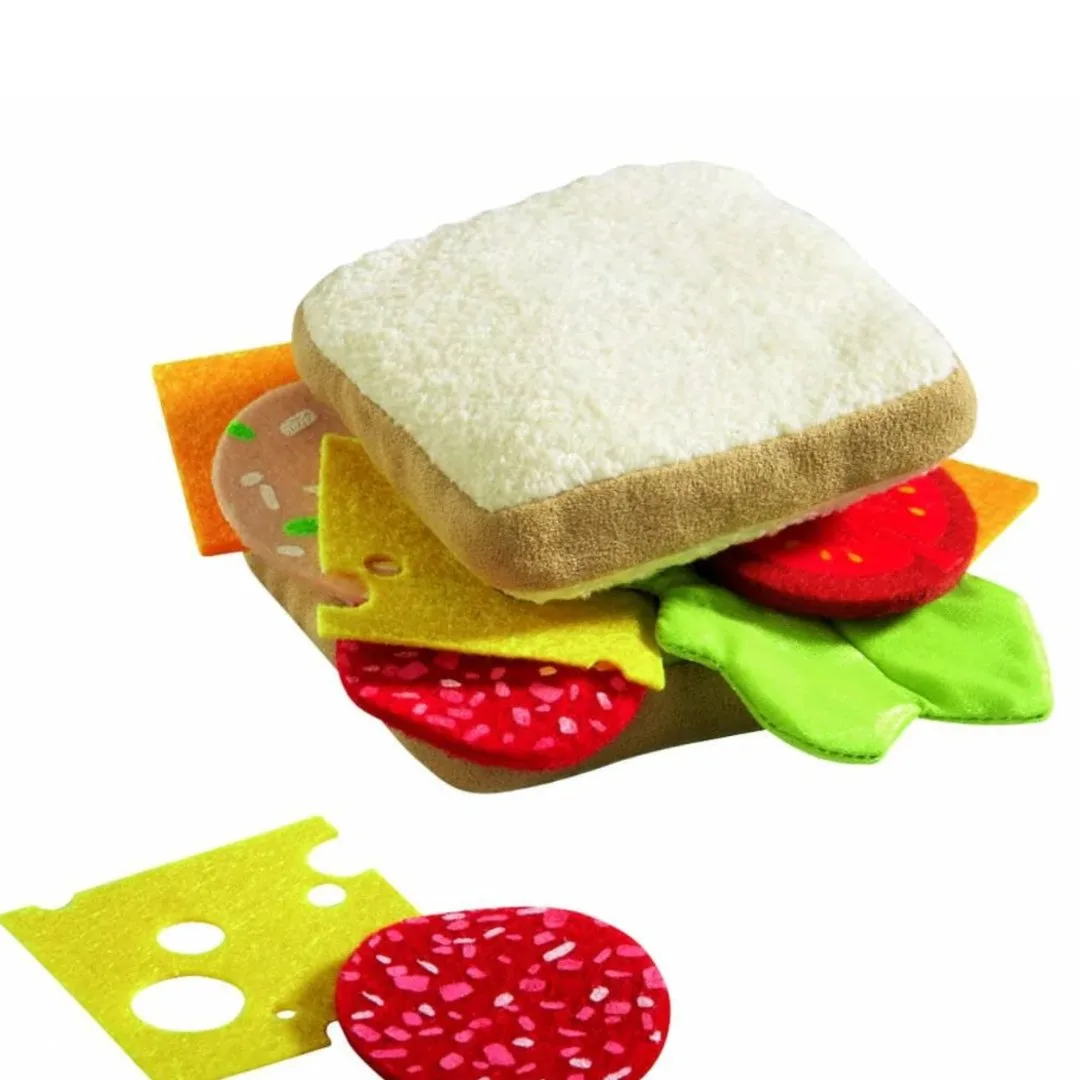
- sandwich-mix-up-5c8f4eed3938a0dca09c81b0-1379384">Sandwich Mix up: A fast-paced educational game of shape matching and memory with 15 pairs, played by feeling depressions with your fingers, for ages listed by the manufacturer. It is a tabletop game, not a yard toy, which makes it a smart rainy-day alternative when your outdoor space is small and the weather turns.
Who this approach fits
Best for
- Families with a patio, balcony, or courtyard under about 200 square feet
- Parents who need toys that store indoors and come out on demand
- Mixed-age households that need clear separation between toddler-safe and older-child toys
Not for
- Buyers with a large lawn who want permanent play structures
- Shoppers looking for a single large statement piece that stays outside year-round
- Anyone unwilling to measure storage space before buying
Small-yard outdoor toy shopping gets simple once you lead with measurements and storage instead of excitement. Pick compact, weather-tolerant pieces that do more than one job, respect age ratings, and skip anything that needs anchoring or a dedicated corner. Do that, and the toys you buy will actually get used.