Quick answer
Wash outerwear less often and on cold, air-dry it flat or hanging instead of in a hot dryer, and store it clean on a wide hanger with room to breathe. Most jackets die from overwashing, heat, and damp storage rather than from actual wear. If a shell is delaminating, a zipper coil is broken, or a lining is torn out at the seam, stop treating it at home and take it to a repair tailor.
A jacket rarely wears out from being worn. It wears out from what happens between wears: the third wash in a month, the dryer on high, the coat shoved into a damp closet in June. Those habits are easy to fix once you know which one is causing the damage you're looking at.
This guide works backward from the symptom. Find what you're seeing on your jacket, match it to the likely cause, apply the corrective action, and know the point where home care stops helping.
Symptom: fuzz balls and matted patches on the surface
Pilling is fiber abrasion, not dirt. It shows up where a jacket rubs against itself, a seatbelt, a bag strap, or the inside of a coat closet. Washing a pilled jacket more often makes it worse, because agitation and heat loosen more short fibers that then ball up. The fix is less friction, not more cleaning.
Turn the jacket inside out, wash it alone on cold with a gentle cycle, and air-dry it. Then use a fabric shaver or a fine sweater comb in short, light passes over the pilled area. A single pass with a razor blade held at a shallow angle also works on tightly woven shells, but go slowly. Stop if you can see the weave opening underneath.
- Never pull pills off with your fingers; you drag more fibers loose.
- Wash outerwear alone so zippers and hooks from other garments don't abrade it.
- If pills return within one wear after shaving, the fabric face is worn through and further shaving will thin it.
Symptom: zipper sticks, snags, or separates at the bottom
Most zipper problems are debris or misalignment, not a broken zipper. Sand, lint, and dried detergent build up in the teeth and make the slider drag. A slider that splits open at the bottom usually means the pull is worn or the two sides weren't seated before zipping. Neither requires a new jacket.
Clean the teeth with an old toothbrush, then run a wax candle, a bar of soap, or a graphite pencil along both sides of the coil and work the slider up and down a few times. If the slider still separates after it's seated and clean, the slider itself is worn and a tailor can replace just that part.
- Zip the jacket closed before washing so the coil doesn't catch on the drum or other items.
- Check that both sides are fully seated at the bottom stop before pulling up.
- A zipper pull that has snapped off is a five-minute tailor fix, not a reason to replace the jacket.
Symptom: musty smell or stiff, chalky patches after storage
Musty odor means the jacket went into storage with moisture or body oils still in it. Stiff white patches are usually dried detergent or, on some shells, a coating that has begun to break down. Both are storage and washing mistakes rather than fabric failure.
Wash the jacket according to its care label, rinse twice if your machine allows it, and dry it completely before it goes anywhere near a closet. For the smell, air it outdoors in shade for a day; sunlight fades shells and breaks down coatings, so keep it out of direct sun. If the odor survives a proper wash and a full airing, the mildew has reached the lining or fill and the jacket is usually not worth treating.
- Never store outerwear in a dry-cleaning bag or a vacuum-sealed bin; both trap moisture.
- Let a jacket dry fully, inside and out, before hanging it up for the season.
- Store clean, not dirty. Oils and food residue attract pests and set stains over months.
Symptom: faded color or a coating that feels tacky
Fading comes from UV light and from heat, which is why a jacket left on a sunny hook or run through a hot dryer looks older than its wear. Tackiness on a water-repellent shell usually means the finish has been stripped by the wrong detergent or by heat, not that the fabric is ruined.
Move the jacket out of direct sun and stop using the dryer for it. Wash with a mild detergent and no fabric softener or dryer sheets, which coat the fibers and block breathability. A spray-on or wash-in water-repellent treatment can restore some beading on a shell that is otherwise sound.
- Skip fabric softener entirely on outerwear; it leaves a waxy film that traps odor.
- Air-dry hanging or flat, away from radiators and direct sun.
- If the coating is flaking off in sheets rather than feeling tacky, the shell is failing and treatment won't hold.
How to wash outerwear without causing the damage you're trying to fix
The safest routine is boring: check the care label first, spot-clean between washes, and only run a full wash when the jacket actually needs it. When you do wash, close all zippers and closures, empty every pocket, turn the jacket inside out, use cold water on a gentle cycle, and use a small amount of mild detergent. Skip the dryer unless the label explicitly permits low heat.
For a jacket you wear daily, that usually means two or three washes a season, plus spot cleaning at cuffs and collars where body oils collect. If the care label says dry clean only, follow it; home washing a structured or coated jacket can shrink the shell or break down the interlining, and that damage is not reversible.
- Spot-clean collars and cuffs with a damp cloth and a drop of mild soap between washes.
- Rinse thoroughly; leftover detergent is a common cause of stiff patches and odor.
- Hang to dry on a padded or wide hanger so the shoulders keep their shape.
Diagnosis chart: symptom, cause, fix, and stop point
- Pilling on cuffs, underarms, or where a bag strap rubs: Cause: friction and heat loosening short fibers, made worse by frequent washing. Fix: wash cold and alone, air-dry, then shave lightly with a fabric shaver. Stop if the pills return after one wear or the weave looks thin underneath; the fabric face is gone and shaving further only makes holes.
- Zipper drags, snags, or splits open at the bottom: Cause: grit and lint in the teeth, or a worn slider. Fix: brush the teeth, run wax or soap along the coil, and seat both sides before zipping. Stop if a clean, lubricated, properly seated zipper still separates; that's a worn slider, and a tailor should replace the part rather than you forcing it.
- Musty smell or stiff white patches after a season in storage: Cause: stored damp or dirty, or detergent left in the fabric. Fix: wash per the label, rinse twice, dry completely, and air in shade before storing. Stop if odor persists after a full wash and airing; mildew has reached the lining or fill, and treating it usually costs more than the jacket.
- Faded color or a tacky, no-longer-beading shell: Cause: UV exposure, hot drying, and softener or dryer sheets coating the fibers. Fix: move it out of direct sun, air-dry only, and reapply a spray-on water-repellent treatment. Stop if the coating flakes off in sheets; that shell has failed and no at-home treatment will bring the finish back.
- Label says dry clean only, or the jacket is structured or coated: Cause: home washing shrinks shells and breaks down interlining in ways you can't undo. Fix: follow the label and use a cleaner you trust. Stop before the first home wash. This is the one category where the safest action is not doing it yourself.
Where the same care habits apply to accessories
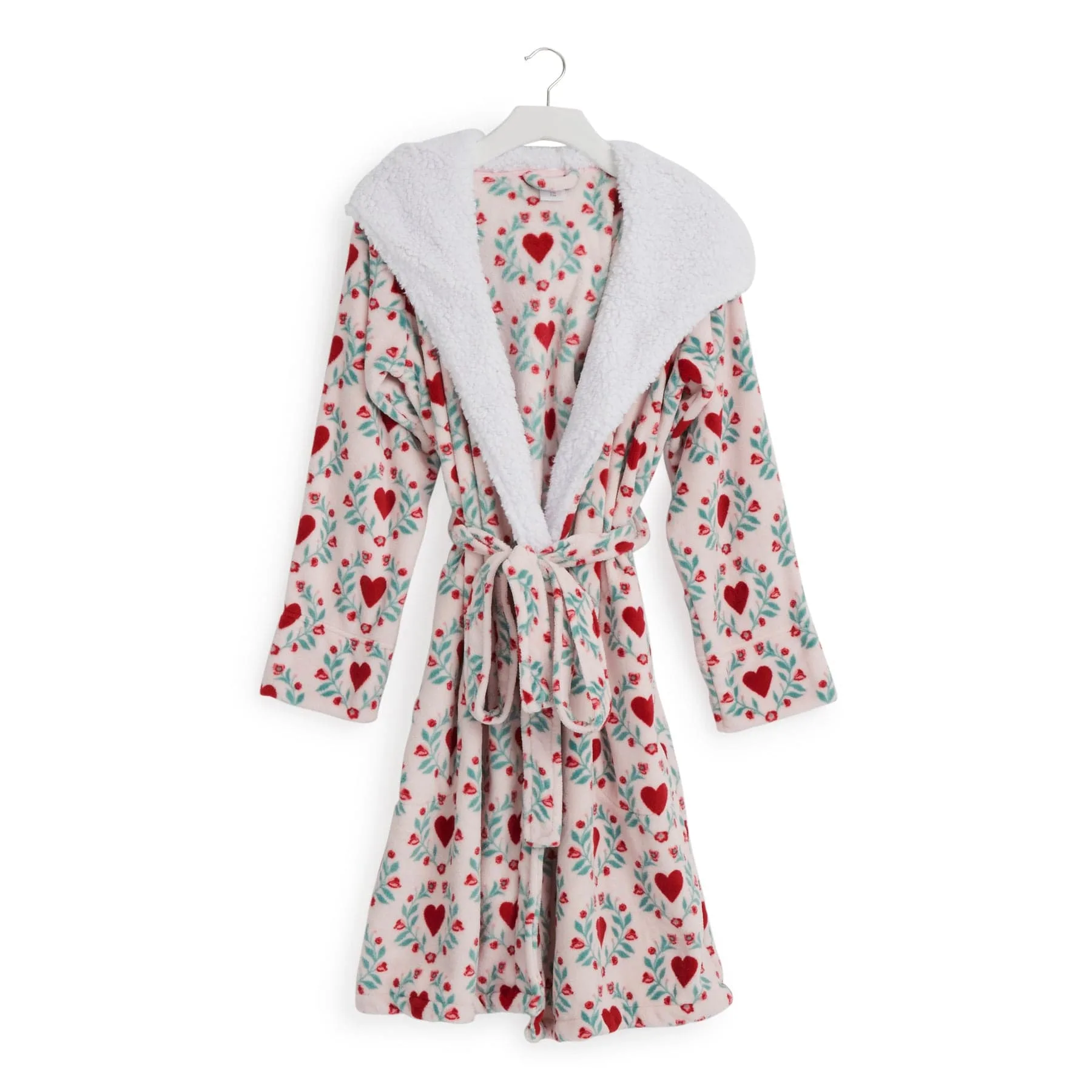
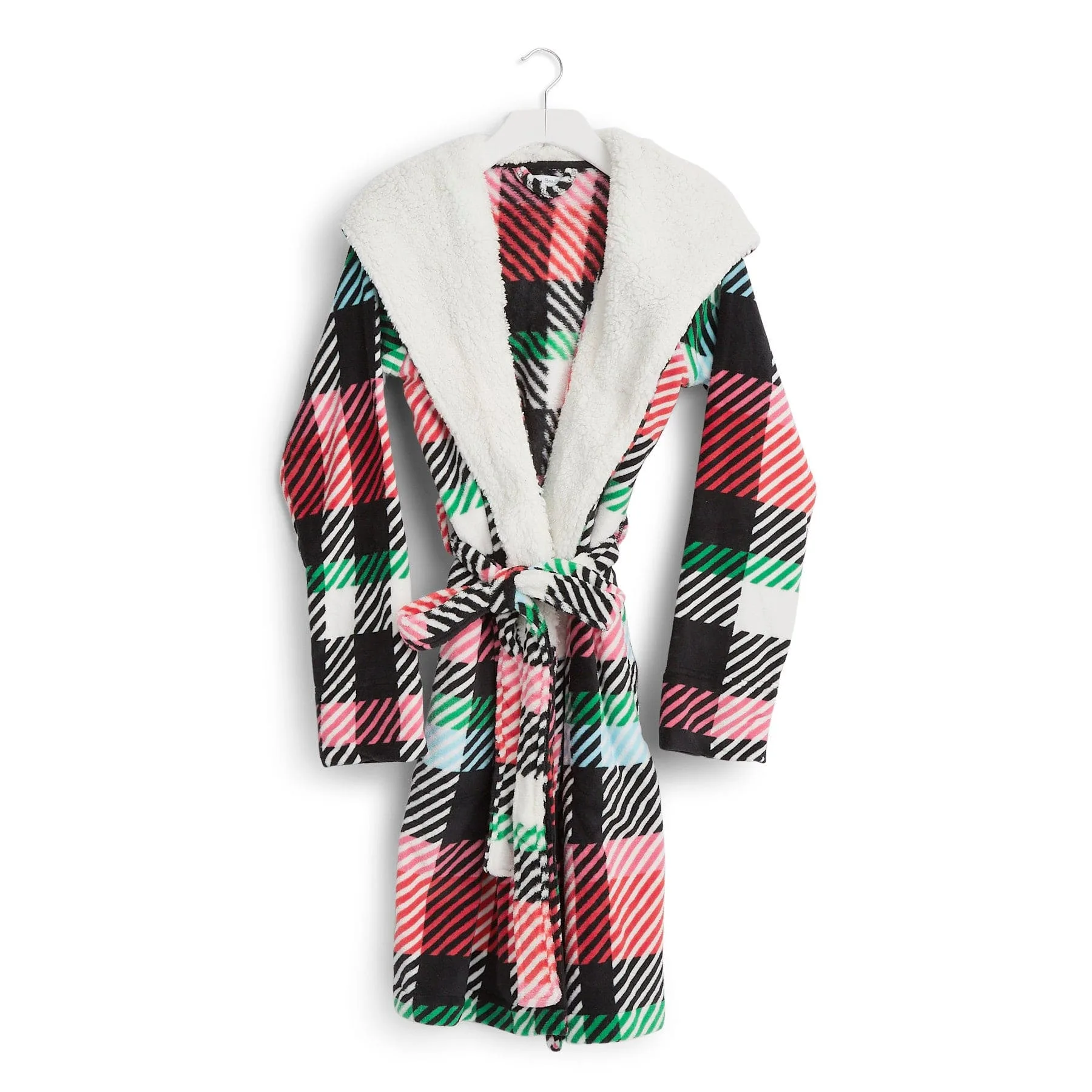
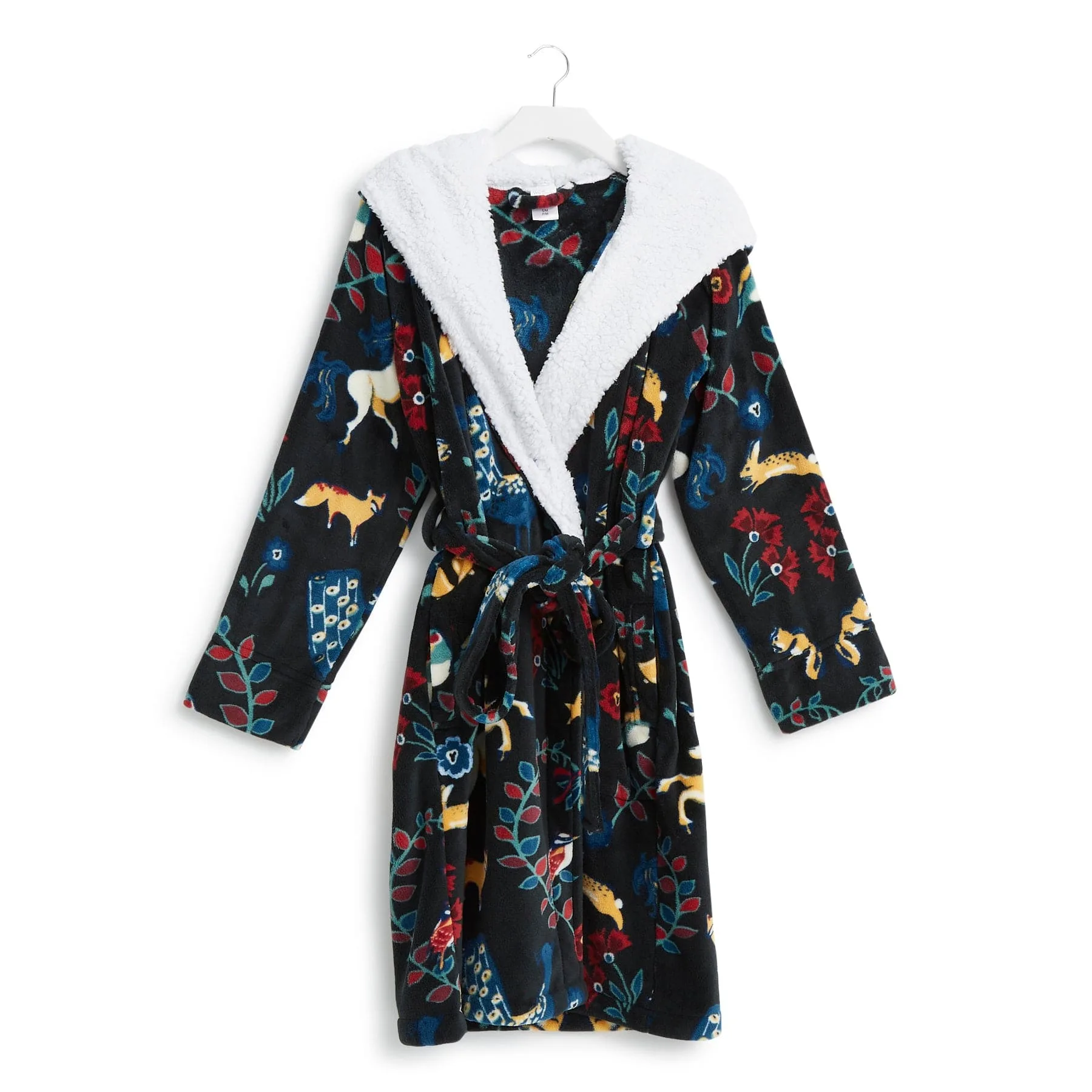
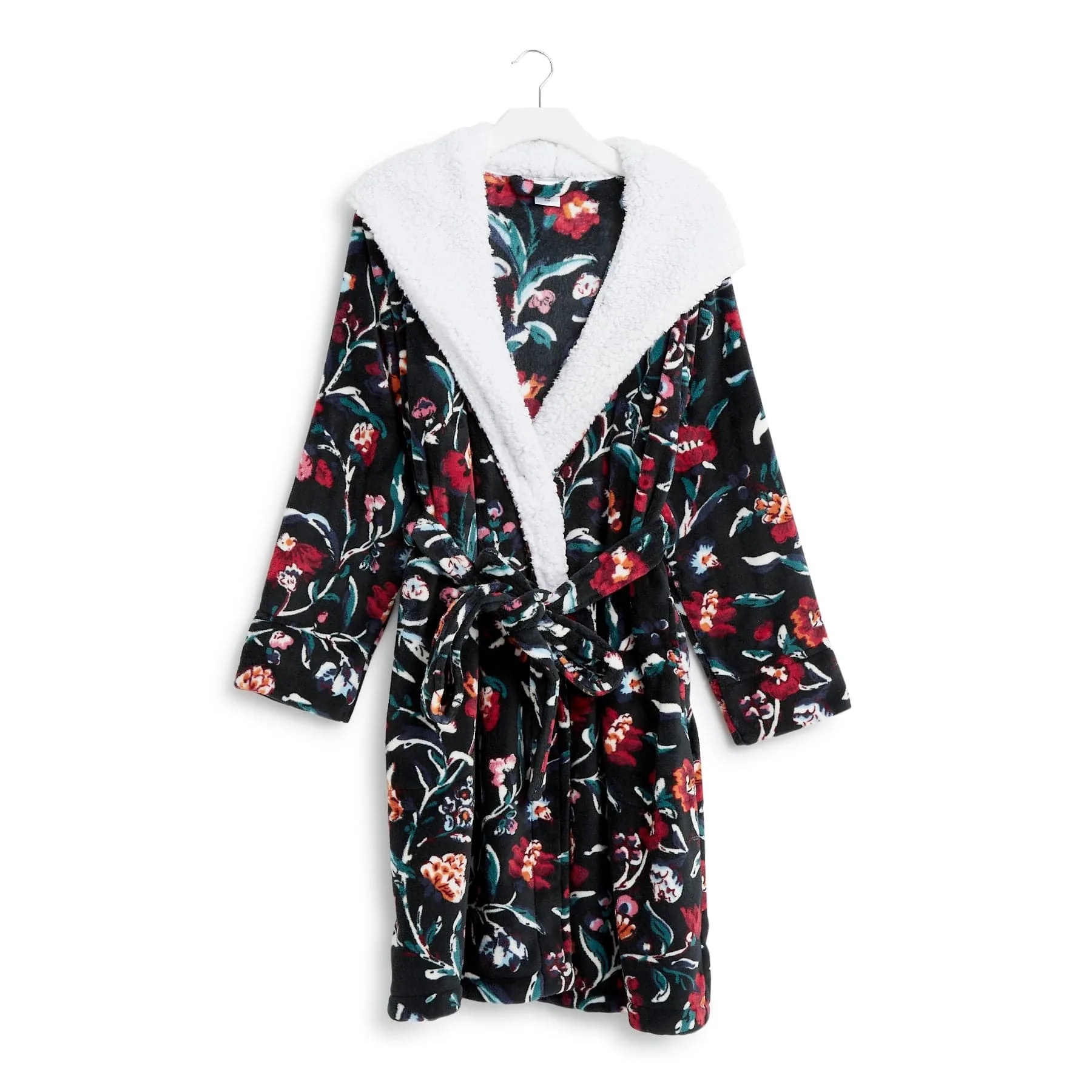
- https://verabradleyoutletex.com/products/cozy-life-robe-2711318262-4ae28ac1dff8ca5194a07f63-1641601https://verabradleyoutletex.com/products/cozy-life-robe-2711318242-38223092c8ceb74861159f4e-1641624https://verabradleyoutletex.com/products/cozy-life-robe-2711315418-efc27c0dcc5dc974f8725cc9-1641649https://verabradleyoutletex.com/products/cozy-life-robe-2711311978-327c2a9f4b7a6ce2600b6a19-1641650Cozy Life Robe: Printed fleece exterior, sherpa-lined hood, side pockets, tie closure, 100% polyester with faux fur trim. Fleece and faux fur pill and mat the same way a jacket shell does, so wash it cold, air-dry it, and shave pills lightly rather than reaching for heat.
- Featherweight Medium Cosmetic Bag: Super lightweight, squishy, water-repellent, with ogee quilting and a soft polyester lining; 8.0" w x 6.0" h x 2.25" d. A water-repellent finish is exactly the kind of coating that heat and fabric softener strip, so treat this bag like a shell: wipe it clean, air-dry it, and skip the dryer.
- Bancroft Backpack: Designed for daily commuting, classes, and travel, with a focus on functionality, style, and durability. Daily-carry bags collect the same grit that jams jacket zippers, so brush and wax the zipper teeth on both before the slider starts to drag.
Outerwear lasts when you wash it less, dry it gently, and store it clean and dry. Match your symptom to the cause above, make the one change that applies, and hand off anything structural to a tailor before you make it worse.