Quick answer
To stop overpacking, pack for the trip you are actually taking, not the one you fear. Build a small capsule wardrobe, use packing cubes to set hard limits, and weigh or measure your bag before you leave. If the suitcase still will not close without force, the problem is capacity, not technique. Choose a larger case or a set instead of damaging zips and shells.
You have probably done it: the suitcase is zipped, you lift it, and it feels heavier than the trip itself. Overpacking is not a character flaw. It is usually a planning gap, a fear of being caught without something, or a bag that is simply too small for what you genuinely need.
This guide separates the symptom from the cause and gives you corrective actions you can use on your next trip. It also tells you when to stop trying to pack less and start choosing different luggage.
Why overpacking happens: the real causes
Most overpacking starts with uncertainty. You do not know the weather, the dress code, or whether you will have laundry access, so you pack for every version of the trip. A second pair of shoes, a just-in-case jacket, and three extra tops feel like insurance. They are actually weight you will carry through every airport, train, and hotel stairwell.
The second cause is bag size. If your suitcase is smaller than your packing list, you will compress, sit on the lid, and still leave something behind. That is not a packing skill problem. It is a capacity mismatch. The third cause is emotional: we pack for the person we wish we were, not the person who will actually wear the same comfortable trousers three times.
- Write your daily outfits before you open the suitcase. If you cannot name the day you will wear it, leave it out.
- Check the weather forecast for the last day of your trip, not just the first.
- Set a hard limit: one bag, one personal item, no overflow.
Corrective actions that actually work
Start with a packing list built around a single color palette. If every top matches every bottom, you need fewer pieces. Roll or fold using packing cubes so each category has a fixed volume. When the cube is full, that category is done. This turns an abstract goal into a physical boundary you can see and feel.
Next, weigh your packed bag at home. Most airlines publish cabin and checked weight limits, and a bathroom scale is enough to catch a problem before the check-in desk does. Wear your heaviest shoes and jacket on travel days. Put chargers, documents, and medication in your personal item so they never compete for suitcase space.
- Pack for the shortest trip you take, then add only what the longer trip genuinely requires.
- Choose one toiletry kit and refill it, rather than packing full-size bottles.
- Leave 10 percent empty space for souvenirs or laundry you cannot wash.
When the suitcase is the problem, not you
If you have pared down to essentials and the bag still will not close, stop forcing it. A suitcase that is too full puts stress on zips, handles, and shells. It also makes you slower and more likely to be asked to check a bag at the gate. The honest fix is more capacity or a different bag design.
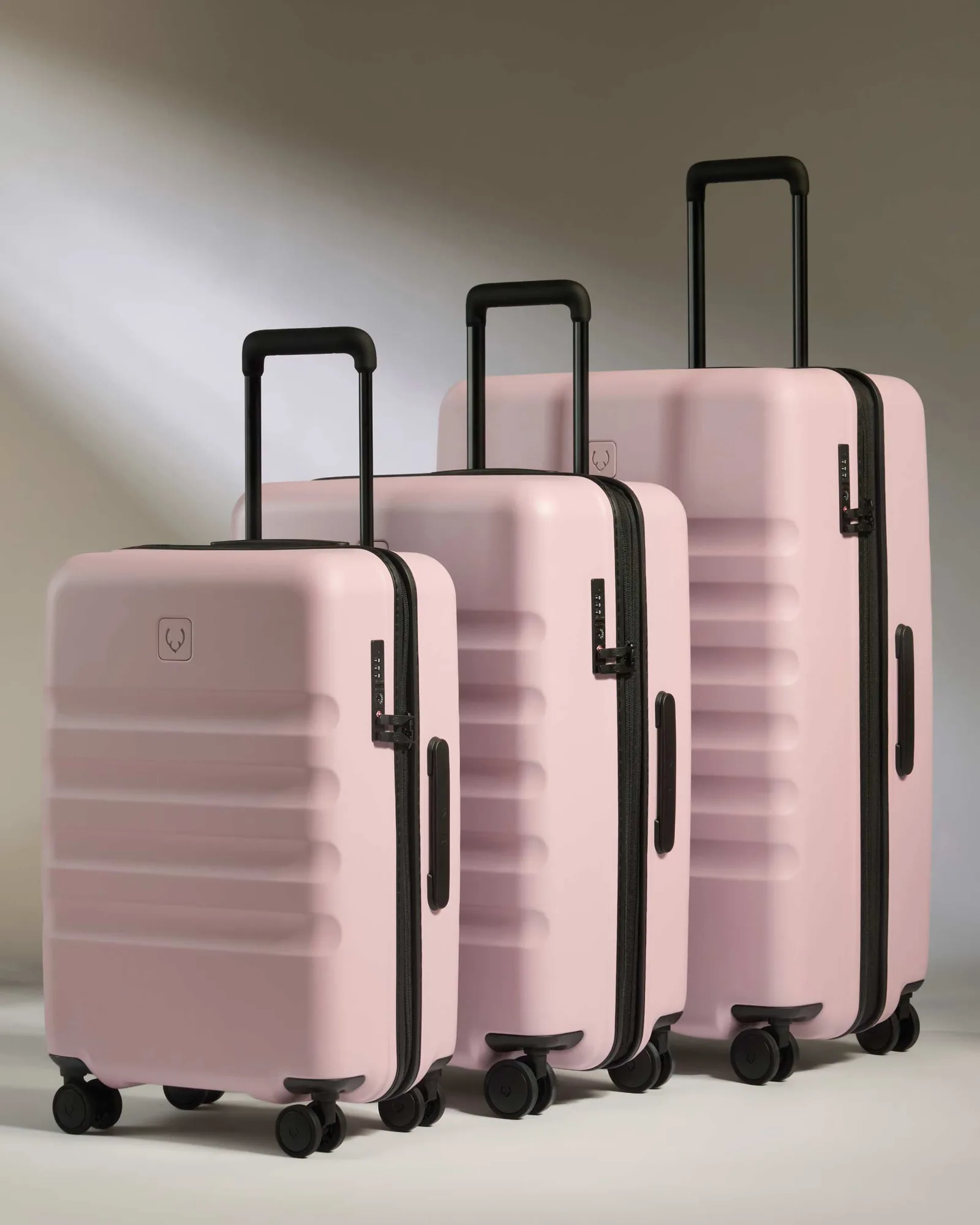
For longer trips or family travel, a large carry-on set gives you three sizes in one purchase, so you can match the bag to the trip instead of squeezing everything into one. For travelers who consistently fill a medium case, moving up to a large cabin or a medium hold case may be the real overpacking solution. Measure your airline's limits before you buy, because cabin rules vary.
- If you sit on the lid to close it, you need a bigger bag or a smaller list.
- If the bag closes but feels unbalanced when you walk, redistribute weight or switch to a wheeled design.
- If you routinely check a bag because your cabin case is full, a larger cabin size may pay for itself in convenience.
Diagnose your overpacking pattern
- Symptom: you pack for every possible weather and occasion: You check the forecast, then pack for rain, heat, and a dinner you may not attend. The cause is uncertainty, not need. Fix: commit to a capsule palette and one layer. If you cannot name the day you will wear it, leave it out.
- Symptom: the suitcase closes only with force: You sit on the lid, zip slowly, and hope nothing breaks. The cause is usually capacity, not folding technique. Fix: move up a size or switch to a set. Stop forcing the zip; that is the point where technique stops helping.
- Symptom: you always check a bag even for short trips: Your cabin case is full before you add your personal item. The cause is a bag that is too small for your real packing list. Fix: consider a larger cabin case or a medium hold case. Check airline limits first, then buy capacity that matches your trips.
Luggage that helps you pack less or pack smarter
- Large Carry-on Luggage Set in Moorland Pink - Icon Stripe: Combines three sizes of the Icon Stripe in one complete set, including the generously sized Biggest carry-on case, crafted from recycled polycarbonate. A set lets you choose the right capacity for each trip instead of overpacking one bag. The hard shell protects belongings when the case is stowed in a car boot or luggage rack.
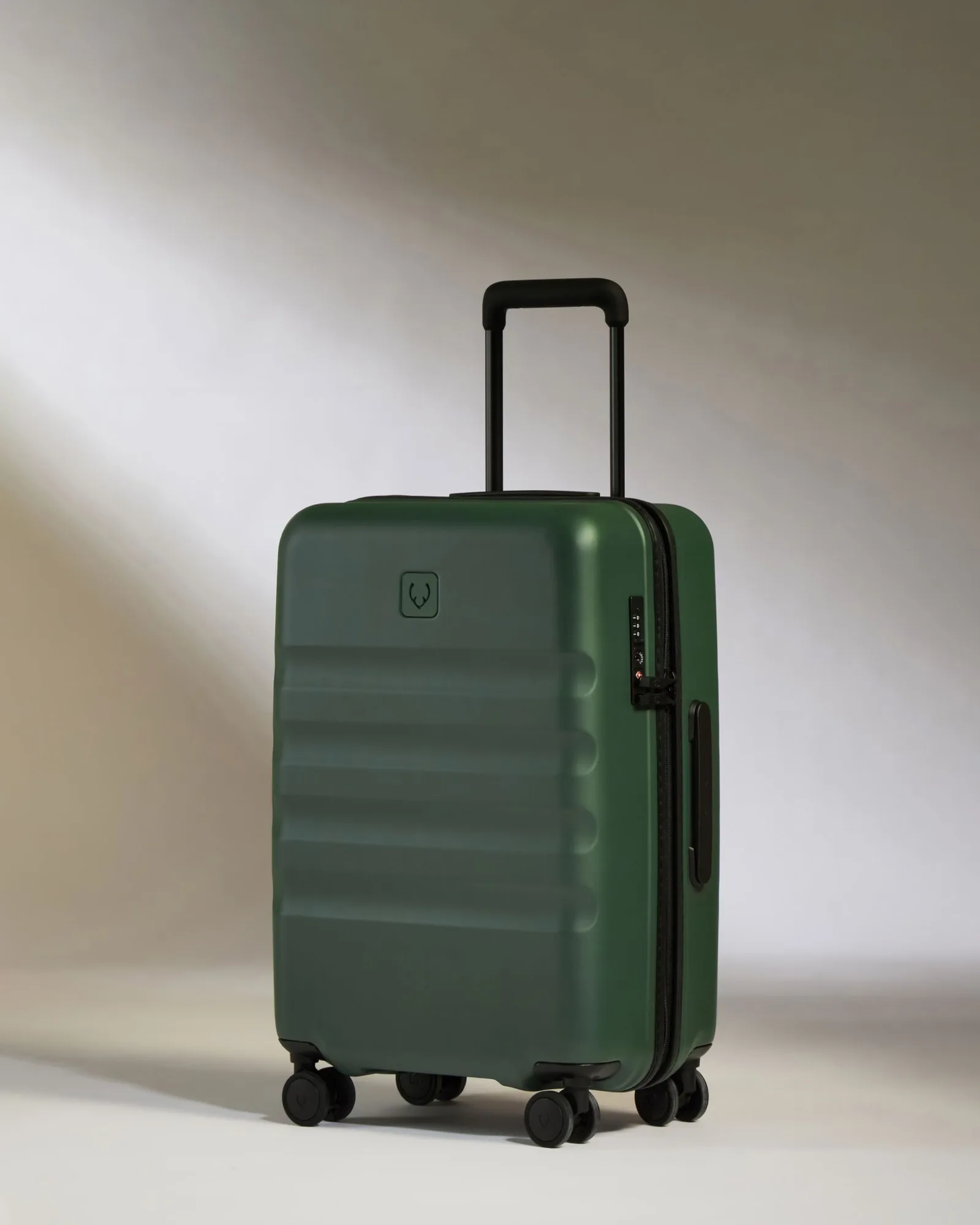
- Large Carry-on Luggage in Antler Green - Icon Stripe: The Biggest cabin suitcase is generously sized for the overpacker and made to fit the overhead bins of most major US airlines, with a recycled polycarbonate shell. If your current cabin bag is always full, this larger cabin size may remove the need to check a bag. Always check your airline's restrictions before traveling.
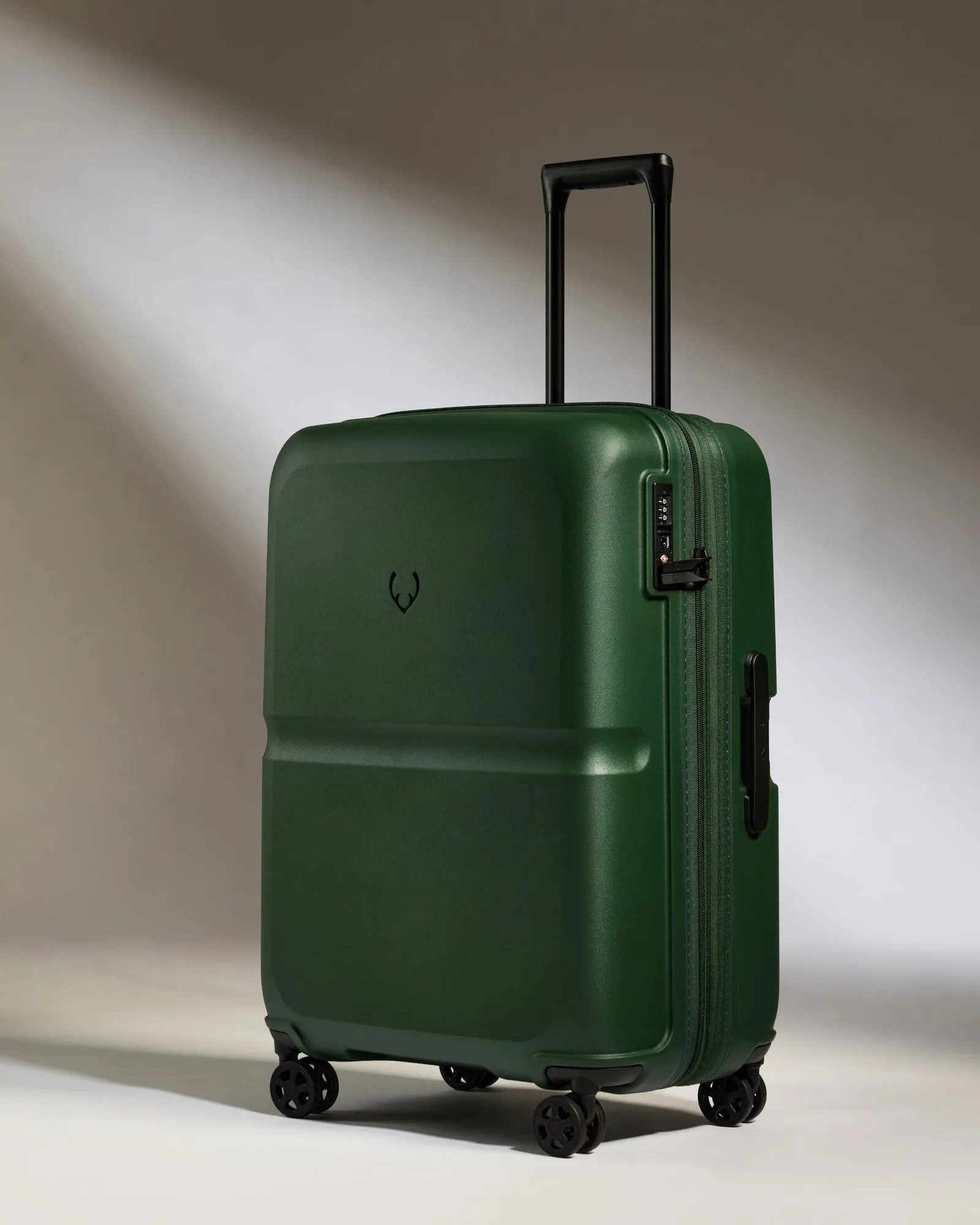
- Medium Luggage in Antler Green - Single Stripe: A medium hardside case with a durable polypropylene shell, described as the lightest hardside case and balanced for style, space, and practicality. A lighter case gives you more of your weight allowance for contents, which matters if you tend to pack close to airline limits.
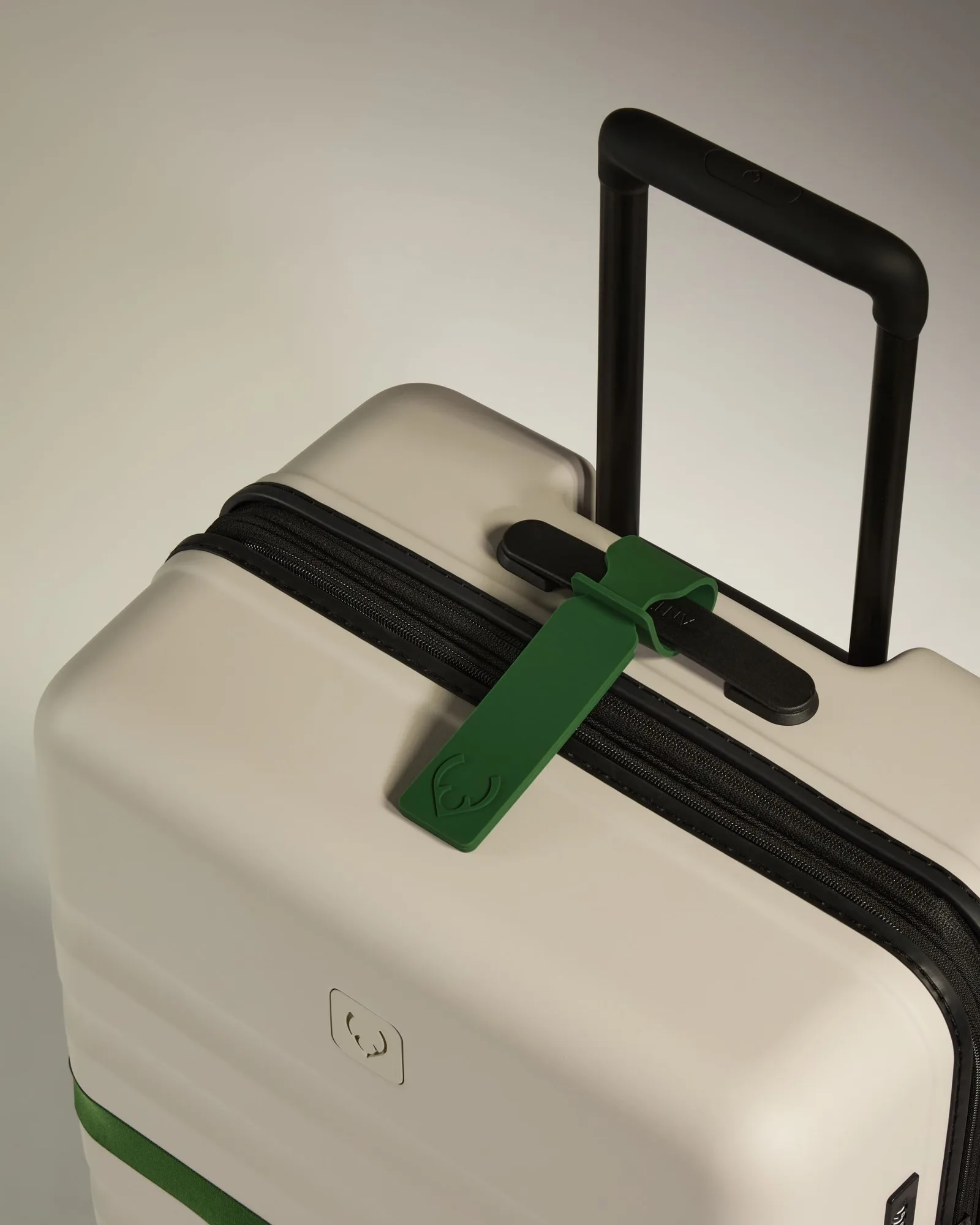
- Luggage Tag in Antler Green: Made from strong and durable rubber, available in a variety of colors to complement Antler suitcases. A clear tag helps you spot your bag quickly, so you spend less time at the carousel and less temptation to overpack a second bag for identification.
Overpacking is a solvable problem. Pack for the trip you are taking, use cubes and a scale to set limits, and stop forcing a bag that is genuinely too small. When the suitcase is the limiting factor, choose more capacity or a set. Your shoulders, zips, and fellow travelers will thank you.