Start with what the spoon actually is
The Calabash oversized handcarved tea spoon is a wooden spoon described in the listing as perfect for cereal, soup, and more. It is sold as a single spoon, and the catalog price is per spoon. That matters because this is not a precision measuring tool with printed milliliter markings. It is a handcarved wooden utensil with a generous bowl, which makes it useful for scooping loose leaf tea and for everyday eating.
If you searched for a loose leaf tea measuring spoon, the honest answer is that this spoon can help you scoop and portion tea, but the listing does not supply a verified volume or gram capacity. Use it as a scoop you learn by eye, not as a calibrated measuring device.
What the listing confirms
-
OVERSIZED HANDCARVED TEA SPOON: our fav!!: Hand carved wooden spoon perfect for cereal, soup & more. This tells you the spoon is intended for both dry and liquid foods, so it can move between your tea tin and your breakfast bowl.
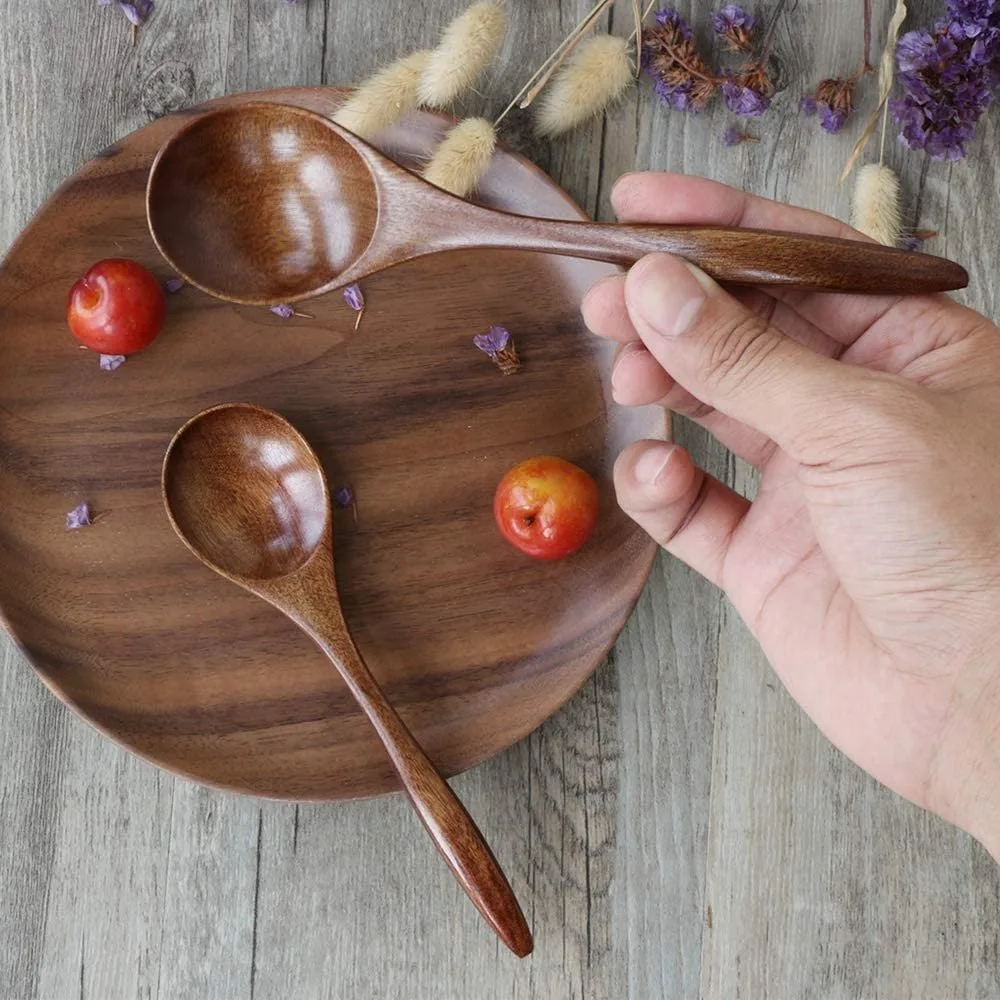
OVERSIZED HANDCARVED TEA SPOON: our fav!!
-
OVERSIZED HANDCARVED TEA SPOON: our fav!!: The listing says the price is per beautiful spoon. You are buying one spoon, not a set, so plan accordingly if you want one for tea and one for the kitchen.
How to use it for loose leaf tea
Because the listing does not provide a measured capacity, treat the first few scoops as a calibration exercise. Adjust based on how your tea tastes rather than assuming a fixed spoon-to-water ratio.
- Dry the spoon before it meets the leaves: A dry wooden spoon keeps loose leaf tea from clinging to the bowl. Shake off any water from the last wash and let it air-dry before scooping.
- Scoop from the tin, not over the cup: Dip the spoon into your tea tin and lift out a level or gently rounded scoop. Scooping over the cup invites moisture into your tea storage.
- Level the scoop for consistency: Use the rim of the tin or a small knife to level the spoon. A level scoop gives you a repeatable starting point, even without a stated volume.
- Taste, then adjust the next scoop: If your first cup is too weak, add a little more leaf next time. If it is too strong, use a lighter scoop. The spoon is your constant; the amount is yours to tune.
- Keep the spoon out of the brewing vessel: The listing does not describe the wood as heat-treated or brewing-safe, so use the spoon to transfer leaves and then set it aside rather than leaving it to steep.
Why a wooden spoon feels different in the mouth
The listing includes a note from Sunyatta about growing up with wooden spoons and noticing how metal utensils felt uncomfortable against the teeth. That is the practical case for this spoon beyond tea: it is gentle on the mouth and quiet against a bowl. If you have ever winced at a metal spoon scraping a ceramic mug, the appeal is easy to understand.
The same quality makes it a reasonable choice for cereal and soup, which the listing names directly. It is a utensil first and a tea accessory second, which is why it earns a place in a daily routine rather than staying in the drawer.
Wooden tea spoon care: what to do and what to skip
The supplied listing does not include care instructions, oiling guidance, dishwasher suitability, or a stated finish. The following is general, conservative handling for a handcarved wooden spoon, not a manufacturer instruction. When in doubt, treat the spoon gently.
- Wash by hand promptly: Rinse and wash the spoon by hand after use, then dry it right away. Leaving a wooden spoon to soak is the surest way to shorten its life.
- Skip the dishwasher unless the maker says otherwise: The listing does not confirm dishwasher safety. Hand washing avoids the heat and prolonged moisture that dishwasher cycles expose wood to.
- Do not soak or leave it in the sink: Wood absorbs water. A quick wash and immediate towel-dry is kinder than a long soak.
- Store it dry and uncovered: Let the spoon air-dry fully before putting it away. A drawer with airflow is better than a sealed container while the wood is still damp.
- Check the finish before oiling: The listing does not state whether the spoon is oiled, waxed, or left raw. If you want to oil it, confirm the finish with the seller first rather than assuming a food-safe oil is appropriate.
What the listing does not tell you
- OVERSIZED HANDCARVED TEA SPOON: our fav!!: The listing does not supply a volume, gram capacity, wood species, finish, or care instructions. That means you should not rely on this spoon as a calibrated measure, and you should confirm cleaning and oiling guidance with Calabash Tea if you need certainty.
A realistic everyday routine
Keep the spoon where you make tea, not buried in a kitchen drawer. Scoop your leaves, level the top, brew, and set the spoon on a small rest or the rim of the tin while the tea steeps. After you finish, wash it by hand, dry it with a towel, and leave it out until it is fully dry.
If you also use it for cereal or soup, wash and dry it between uses rather than letting it sit in a bowl. One spoon can serve both jobs, but only if it gets a quick wash in between. At the catalog price, a second spoon for the kitchen is an easy way to keep your tea spoon clean and ready.