Quick answer
Buy an oversized hoodie if you want a relaxed, streetwear-leaning shape and plan to layer it over tees or sweatshirts. Buy a regular fit hoodie if you want a cleaner silhouette that tucks under a jacket and holds its shape. The deciding factor is not the label but the chest and length measurements, so compare those numbers against a hoodie you already own.
Hoodie shopping gets confusing fast because "oversized" and "regular" mean different things at different brands. A size XL from one label can fit like a medium from another, and two hoodies with the same tag can hang completely differently depending on how the shoulders and hem are cut.
This comparison breaks the two fits down by how they actually wear, what they layer well with, and how to read measurements before you commit. The goal is simple: know which hoodie fit suits your body and your wardrobe, not just which one looks good on a model.
How the two fits actually differ
An oversized hoodie is cut with extra room through the chest, shoulders, and body, and often has a dropped shoulder seam that sits below your natural shoulder line. The hem usually falls lower, sometimes past the hip. That extra volume is the point, but it also changes how the fabric drapes and how the hoodie reads in an outfit.
A regular fit hoodie follows your torso more closely without being tight. Shoulder seams land near your actual shoulders, the chest has a few inches of ease, and the hem sits around the hip bone. It layers under jackets more easily and tends to look more intentional in casual settings that are not purely streetwear.
- Check the shoulder seam placement first: dropped seams signal an oversized cut, aligned seams signal a regular cut.
- Compare chest width and body length, not just the size letter, because those two numbers drive the fit.
Layering and styling trade-offs
Oversized hoodies shine when they are the outer layer. Worn over a tee or a thinner sweatshirt, the extra room gives you that relaxed, slouchy shape without pulling across the chest. The trade-off is that they rarely fit cleanly under a fitted jacket, and a heavy oversized hoodie can swallow a smaller frame if the shoulders are too wide.
Regular fit hoodies are the better layering partner. They slide under a bomber, denim jacket, or coat without bunching at the shoulders, and they keep a tidier line when you want to look put together rather than deliberately loose. The trade-off is less visual drama and less room for a thick base layer underneath.
- If you plan to wear the hoodie under a jacket, measure the jacket's shoulder width and compare it to the hoodie's.
- If the hoodie is the outermost layer, an oversized cut gives you more styling range.
How to read measurements before buying online
When a listing gives you chest and length numbers, use them. Lay a hoodie you already like flat, measure pit to pit, and double it for the chest. Then measure from the high point of the shoulder to the hem for length. Compare those numbers to the listing and you will know more than any size chart tells you.
Pay attention to the material too, since cotton and cotton blends behave differently. A heavier cotton hoodie holds a boxy oversized shape, while a lighter one may collapse and look slouchy rather than structured. If a listing does not state the fabric or measurements, treat that as a real limitation and ask before you buy.
- Measure a hoodie that fits you well and keep those numbers on your phone for quick comparisons.
- If measurements are missing from a listing, that is a reason to ask questions, not to guess.
The trade-offs, side by side
- Oversized hoodie: comfort and shape: You gain room through the chest and shoulders, a lower hem, and a relaxed streetwear look. You give up a clean line under fitted jackets and some structure on smaller frames. Choose it if the hoodie is your outermost layer and you want visible volume.
- Regular fit hoodie: versatility: You gain a tidier silhouette that layers under outerwear and reads well in more settings. You give up the dramatic slouch and some room for thick base layers underneath. Choose it if you want one hoodie that works with jackets and everyday outfits.
- Measurements over labels: A 56-inch chest and 29-inch length on an XL cotton sweatshirt tells you more than the size letter. Compare those numbers to a hoodie you own before deciding. If the listing lacks measurements or fabric, ask before buying rather than guessing.
Real listings, real numbers
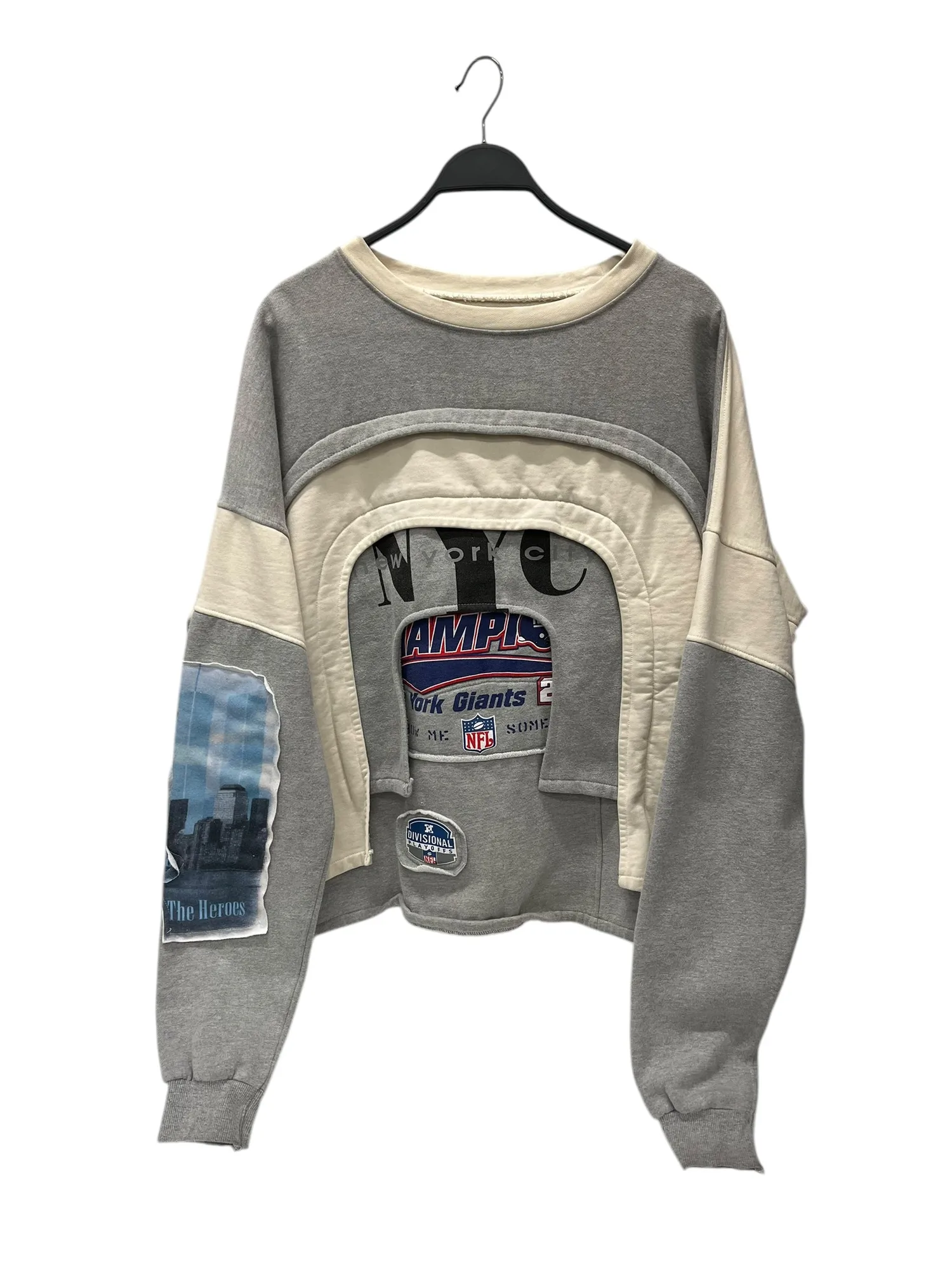
- WHO DECIDES WAR/Sweatshirt/XL/Cotton/GRY/: Size XL, cotton, grey, with a listed chest of 56 inches and length of 29 inches, condition Used Good. Those numbers show what a genuinely roomy XL looks like on paper. Measure a hoodie you already own and compare the 56-inch chest to see whether this reads oversized or simply large on you.
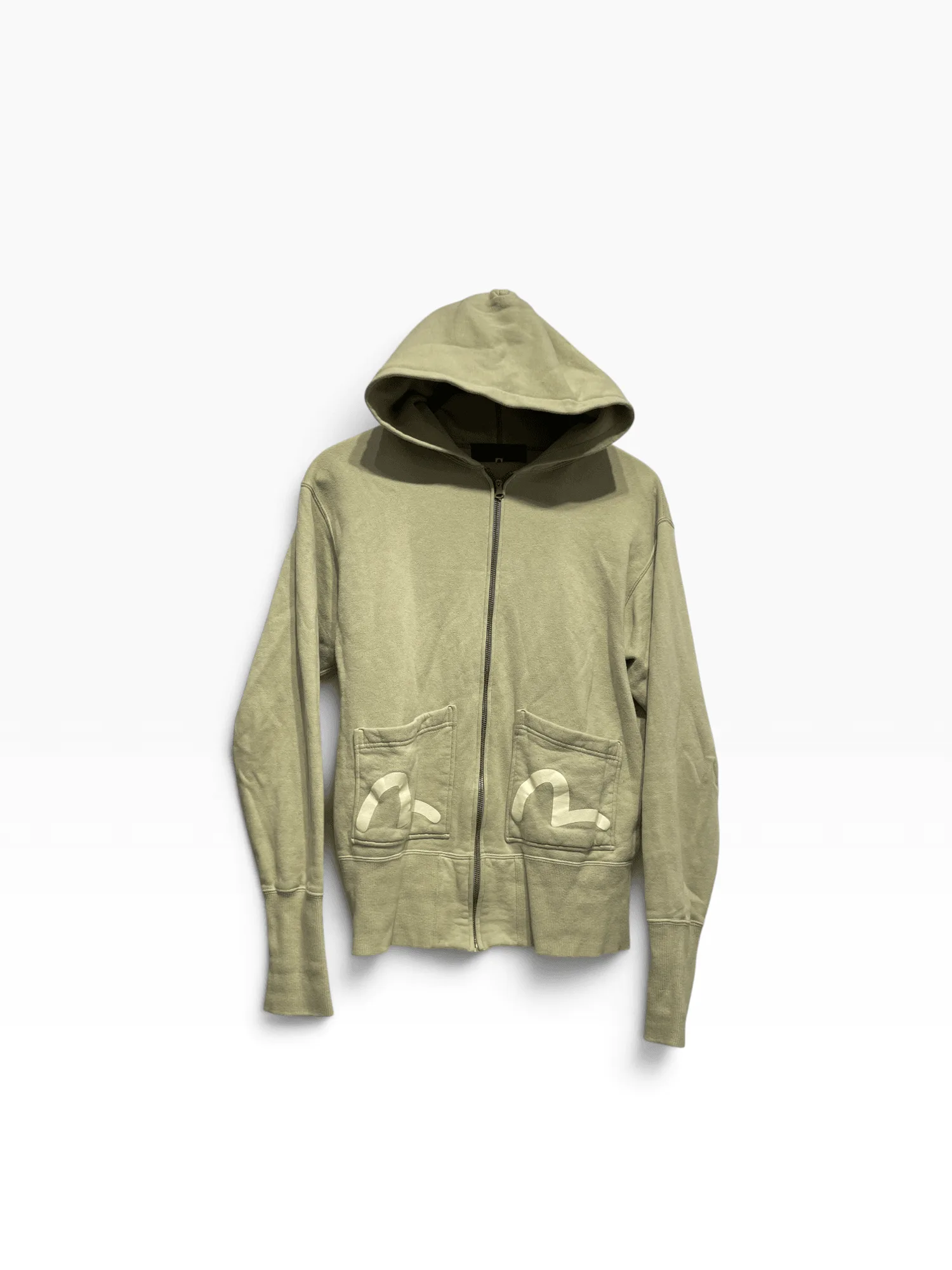
- EVISU/Jacket/38/GRN/: Size 38, green, cotton, condition Very Good. This is a useful reminder that sizing labels vary by garment type and brand. A size 38 jacket does not translate directly to a hoodie size, so always rely on the listed measurements rather than the number alone.
Which hoodie fit should you buy?
Best for
- Shoppers who want a relaxed, streetwear-leaning silhouette and will wear the hoodie as the outer layer
- Anyone layering over tees or thinner sweatshirts who wants extra room through the chest and shoulders
- People who prefer a lower hem and dropped shoulder seams for a deliberately loose look
Not for
- Shoppers who need the hoodie to fit cleanly under a fitted jacket or coat
- Anyone who prefers a tidier, more structured silhouette for everyday wear
- Smaller frames that get swallowed by very wide shoulders and long hems
Neither fit is better in the abstract. Oversized wins when the hoodie is the statement and you want room to move; regular fit wins when you want versatility and a cleaner line. Read the chest and length measurements, compare them to a hoodie you already own, and buy the fit that matches how you actually wear it.