Quick Answer
Body-safe ovipositor eggs are made from non-porous, phthalate-free materials like platinum-cured silicone. Always check the material label, perform a flame test if unsure, and follow proper cleaning and storage to keep your play safe.
Why Material Matters for Ovipositor Eggs
The material of an ovipositor egg determines its safety. Porous materials like TPR or TPE can harbor bacteria even after washing, increasing the risk of irritation or infection. Non-porous, body-safe silicone is the gold standard because it doesn't absorb fluids and can be fully sanitized.
Cheap toys may contain phthalates, which are used to soften PVC and can leach into the body. Always look for explicit labeling that says 'phthalate-free' and 'body-safe silicone' before purchasing.
How to Perform a Simple Flame Test
If you already have eggs and are unsure of the material, a flame test can help. Touch a flame to a small area of the egg (like the base) for a second. Real silicone will produce a light gray ash and won't melt or drip. Unsafe materials like TPR or PVC will melt, burn, or produce black smoke.
Important: This test is only for verification and should be done in a well-ventilated area. Do not use the egg if it shows signs of melting or burning.
Insertion Safety: Size and Lubrication
Ovipositor eggs come in various sizes, and choosing the right size is critical. Start with eggs that are smaller than your usual comfort level, and always use a generous amount of water-based lubricant. Silicone eggs should not be used with silicone-based lube, as it can degrade the material.
Never force an egg if it feels uncomfortable. The rectum is not a straight tube, so gentle pressure and patience are key. Stop immediately if you feel pain or resistance.
Cleaning and Storage: Extending Safety
Proper cleaning prevents bacterial buildup. Wash eggs with warm water and mild, unscented soap after each use. For deeper sanitization, you can boil 100% silicone eggs for 3-5 minutes, but only if the manufacturer confirms they are boil-safe.
Store eggs in a clean, dry place away from direct sunlight and other toys, especially if they are made of different materials. Silicone can react with other silicones over time, so keep them separate or in individual pouches.
Myth vs. Fact: Ovipositor Egg Safety
- Myth: All eggs are body-safe if they don't smell: Fact: Unsafe materials like TPR or PVC may not have a strong odor but can still be porous and harbor bacteria. Always check the label for 'body-safe silicone'. When in doubt, ask the manufacturer for material confirmation.
- Myth: You can use any lubricant with silicone eggs: Fact: Silicone-based lubes can break down silicone toys. Use water-based lube only. Keep a water-based lube handy for ovipositor play.
- Myth: Boiling is safe for all eggs: Fact: Only 100% silicone eggs can be boiled. Other materials may melt or release harmful chemicals. Check the care instructions. If not sure, stick to soap and water cleaning.
Product Facts
-
Ember the Chimera Ovipositor with Eggs Fantasy Dildo: Ember the Chimera Ovipositor with Eggs Fantasy Dildo is made for fantasy play and includes eggs. This product is designed specifically for ovipositor play, so you can trust that the eggs are intended for safe insertion and are made from body-safe materials.
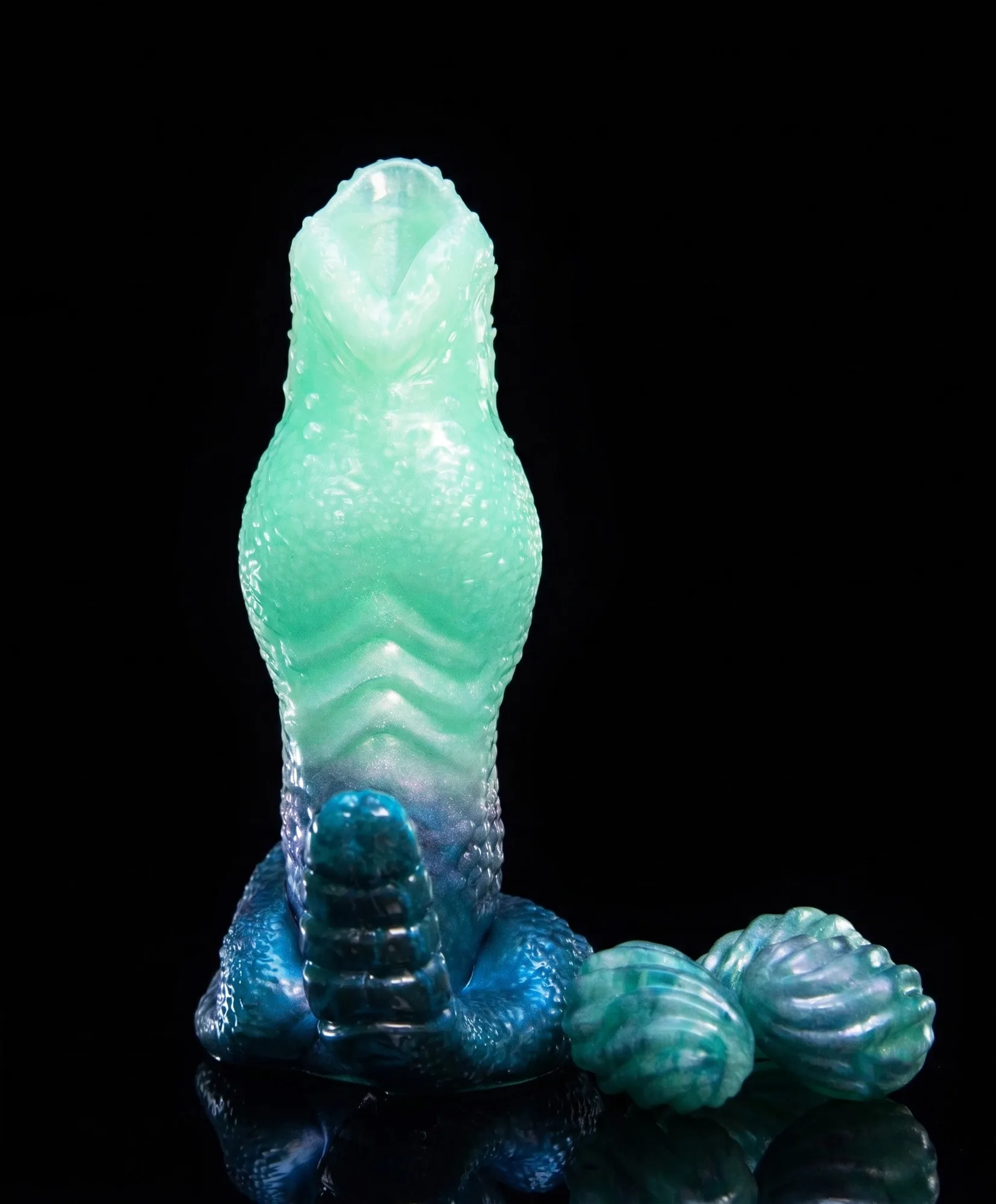
Ember the Chimera Ovipositor with Eggs Fantasy Dildo