Quick answer
Rinse the pacifier immediately after every use, wash it daily with warm water and mild soap, and sanitize it weekly by boiling for five minutes or running it through a dishwasher cycle. Silicone tolerates heat well, while natural rubber should be sanitized gently and inspected often because it softens and wears faster. Replace any pacifier at the first sign of cracking, stickiness, or a changed shape.
Daily washing: the routine that prevents most problems
Most pacifier hygiene problems start with skipping the quick rinse. Milk, formula, and saliva dry into a sticky film that feeds bacteria and dulls the material. Rinse the nipple and shield under warm running water right after each use, then wash at least once a day with a drop of fragrance-free dish soap and a soft bottle brush. Pay attention to the seam where the nipple meets the shield, since that groove traps residue that a simple rinse misses.
If you are out and about, a dedicated pacifier wipe or a quick rinse in bottled water is fine as a stopgap, but it does not replace a proper wash. Avoid sharing pacifiers between children without washing in between, and never put a pacifier in your own mouth to clean it. That transfers cavity-causing bacteria to your baby.
Deep sanitizing: match the method to the material
Silicone pacifiers are heat-tolerant and can be boiled for five minutes in a pot of rolling water, or placed on the top rack of a dishwasher. Natural rubber pacifiers, such as Natursutten, are softer and more sensitive to heat, so boiling shortens their life. For rubber, pour boiling water over the pacifier in a clean bowl and let it sit for two to three minutes, then air dry. Steam sterilizers work for both materials, but check the manufacturer's instructions for your specific model before relying on one.
Always squeeze the nipple after sanitizing. If water gets trapped inside, the pacifier has a tear and should be thrown away. Let pacifiers air dry completely on a clean towel or drying rack before storing them, because a damp shield can grow mildew.
Your step-by-step pacifier cleaning routine
- Rinse immediately after every use: Hold the pacifier under warm running water and rub the nipple with your thumb to remove milk or saliva before it dries. Checkpoint: if you cannot rinse right away, use a pacifier wipe and wash properly as soon as you get home.
- Wash daily with mild soap and warm water: Use a drop of fragrance-free dish soap and a soft brush, scrubbing the nipple, the shield, and the seam where they meet. Rinse thoroughly. Common mistake: soaking pacifiers in soapy water for hours, which can degrade rubber and leave residue.
- Sanitize weekly by material: Boil silicone pacifiers for five minutes or run them through the dishwasher. For natural rubber, pour boiling water over the pacifier and let it sit for two to three minutes, then air dry. Checkpoint: squeeze the nipple after sanitizing. If water comes out, the pacifier is torn and must be replaced.
- Air dry completely before storing: Shake off excess water and place the pacifier on a clean drying rack or towel. Do not store it damp in a closed container. Common mistake: drying with a shared kitchen towel, which can transfer bacteria back onto the nipple.
- Inspect for wear and replace when needed: Check the nipple for cracks, tears, discoloration, or a sticky texture. Natural rubber pacifiers typically need replacing every four to six weeks; silicone lasts longer but should still be checked weekly. Next step: keep two or three pacifiers in rotation so one can be washed and dried while another is in use.
Pacifier-friendly sleep gear from our catalog
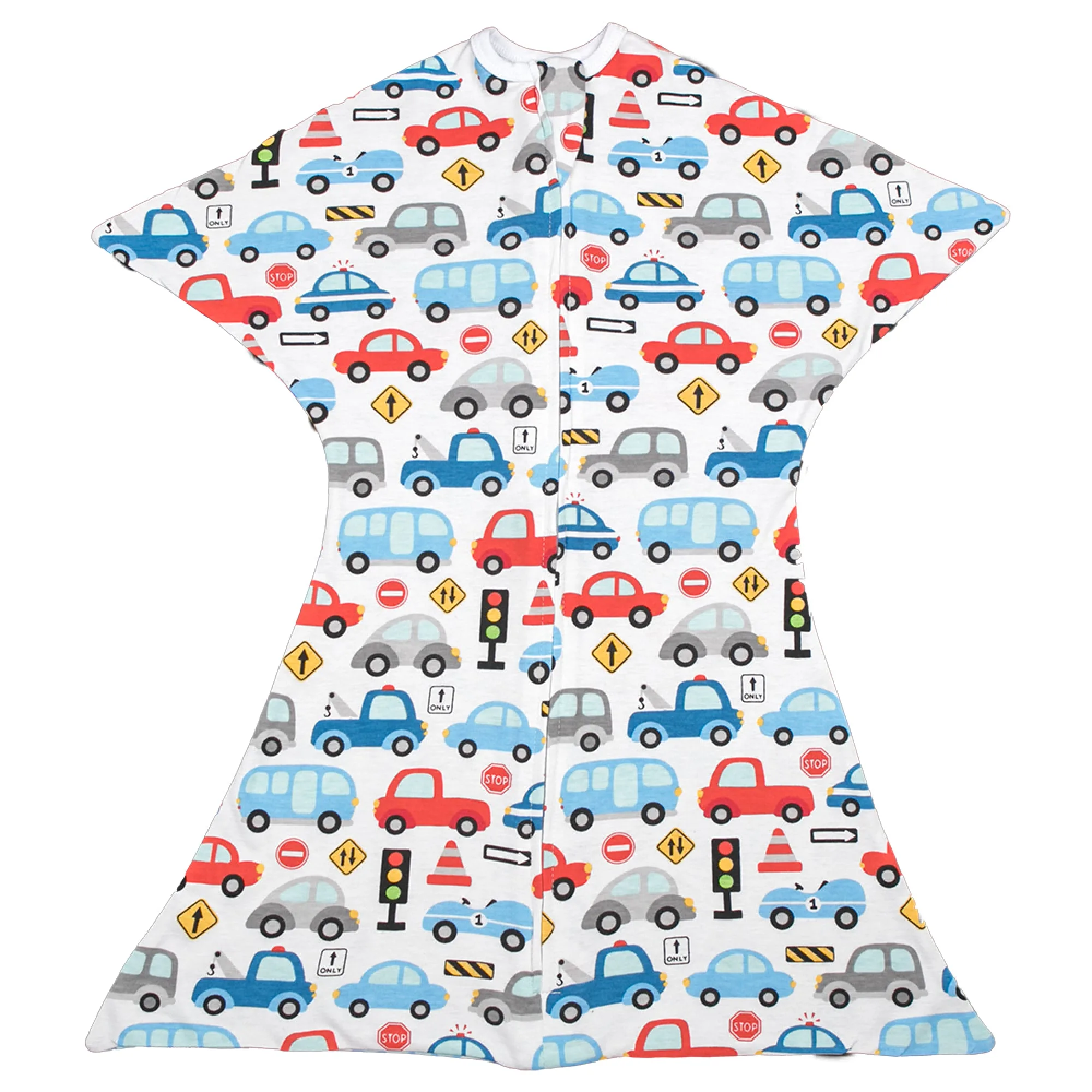
- Cream & Red Stripes Zipadee-Zip Swaddle Transition (Sale): The Cream & Red Stripes Zipadee-Zip Swaddle Transition uses a starfish design that gives babies the secure feeling of a swaddle without limiting range of motion, and is suitable for little ones 3 months to 3 years. Once your baby can roll and needs a pacifier for sleep, this transition swaddle keeps them covered and comfortable without the loose-blanket risk that comes with traditional swaddling.
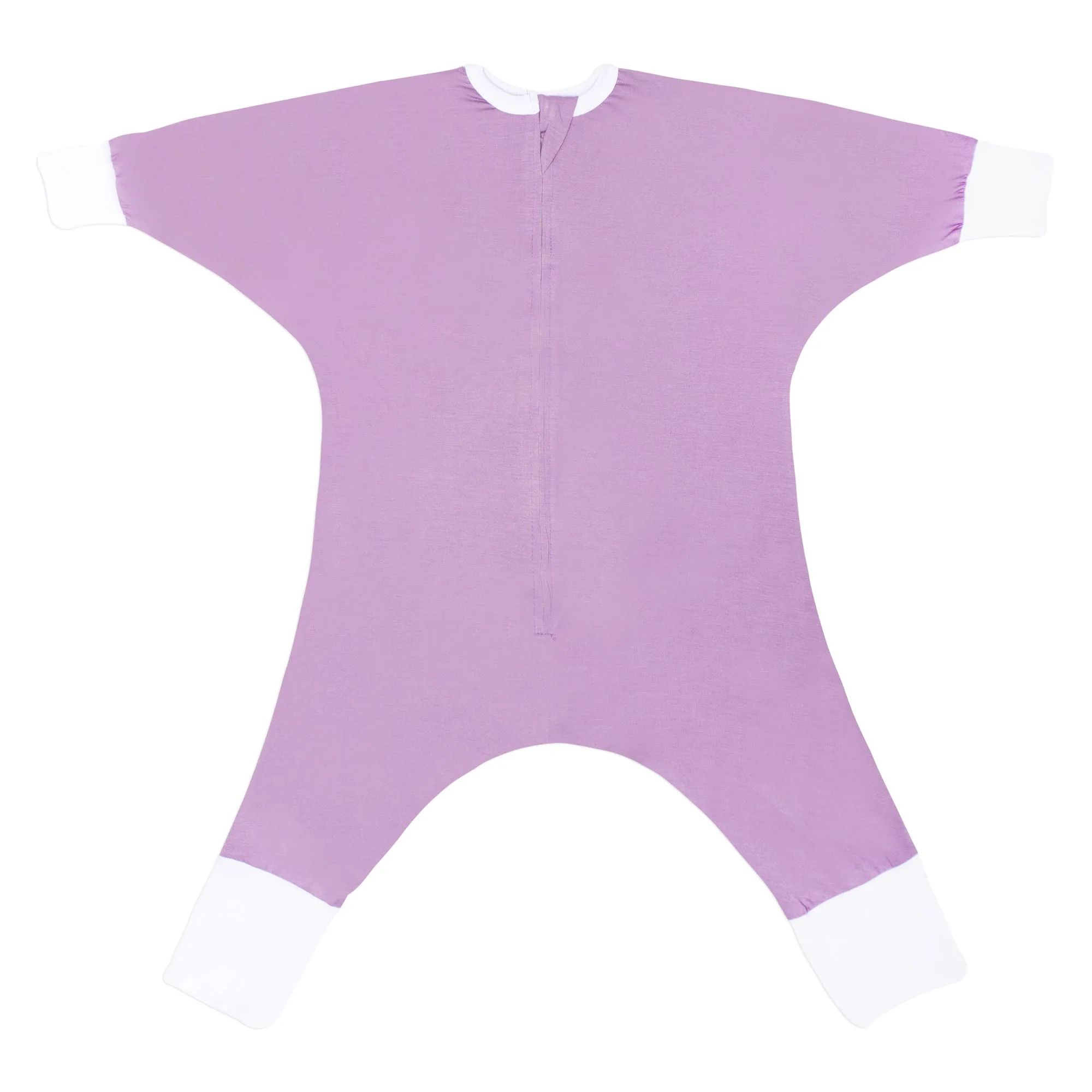
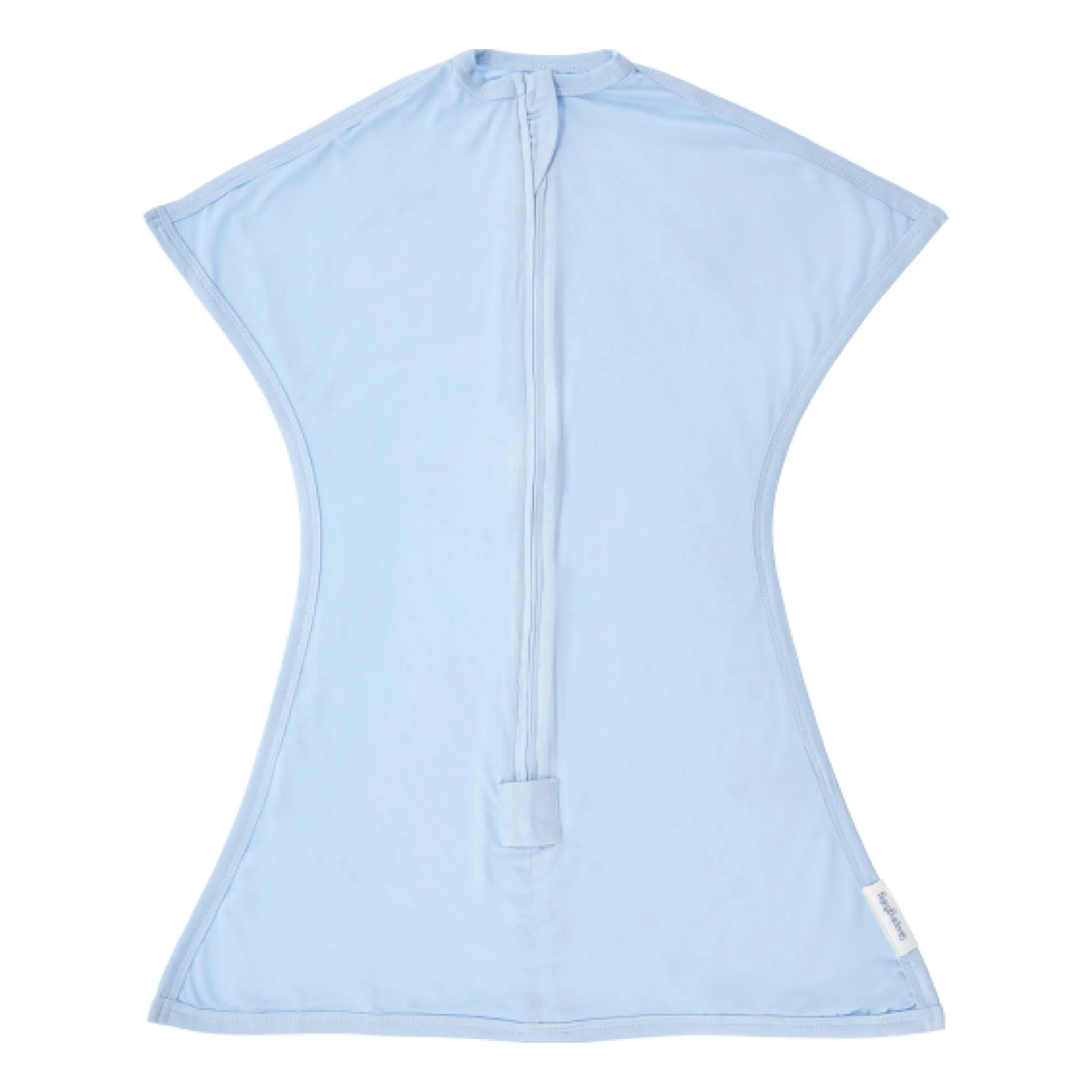
- Sleeping Baby EverSoft™ Bamboo Zipadee-Zip Swaddle Transition (Peach Fuzz): The EverSoft Bamboo Zipadee-Zip Swaddle Transition is made with lightweight natural bamboo fabric and a double zipper for easy late-night diaper changes. If you are already doing middle-of-the-night pacifier runs, the double zipper means less disruption, and the breathable bamboo is a practical choice for warmer rooms or delicate skin.