Pacifiers can be a lifesaver for new parents, offering comfort and soothing for babies during fussy moments, naps, and bedtime. However, using a pacifier safely requires more than just popping it in your baby's mouth. From proper cleaning routines to knowing when to replace or retire the pacifier, there are several important guidelines every parent should follow.
In this comprehensive guide, we'll cover everything you need to know about pacifier safety, including how often to clean and replace pacifiers, signs of wear and tear, and gentle weaning techniques. Whether you're a first-time parent or looking to refresh your knowledge, these tips will help you make informed decisions for your little one.
Why Pacifier Safety Matters
Pacifiers are designed to provide comfort and satisfy your baby's natural sucking reflex, which can help reduce the risk of Sudden Infant Death Syndrome (SIDS) when used during sleep. However, improper use or maintenance can lead to choking hazards, bacterial infections, or dental issues. Understanding the basics of pacifier safety ensures that your baby reaps the benefits without unnecessary risks.
One common concern is the material of the pacifier. Silicone pacifiers are popular because they are durable, easy to clean, and free from harmful chemicals like BPA and phthalates. For example, the Silicone Pacifier Clip | Mila is a practical accessory that keeps the pacifier clean and within reach, reducing the chance of it falling onto dirty surfaces.
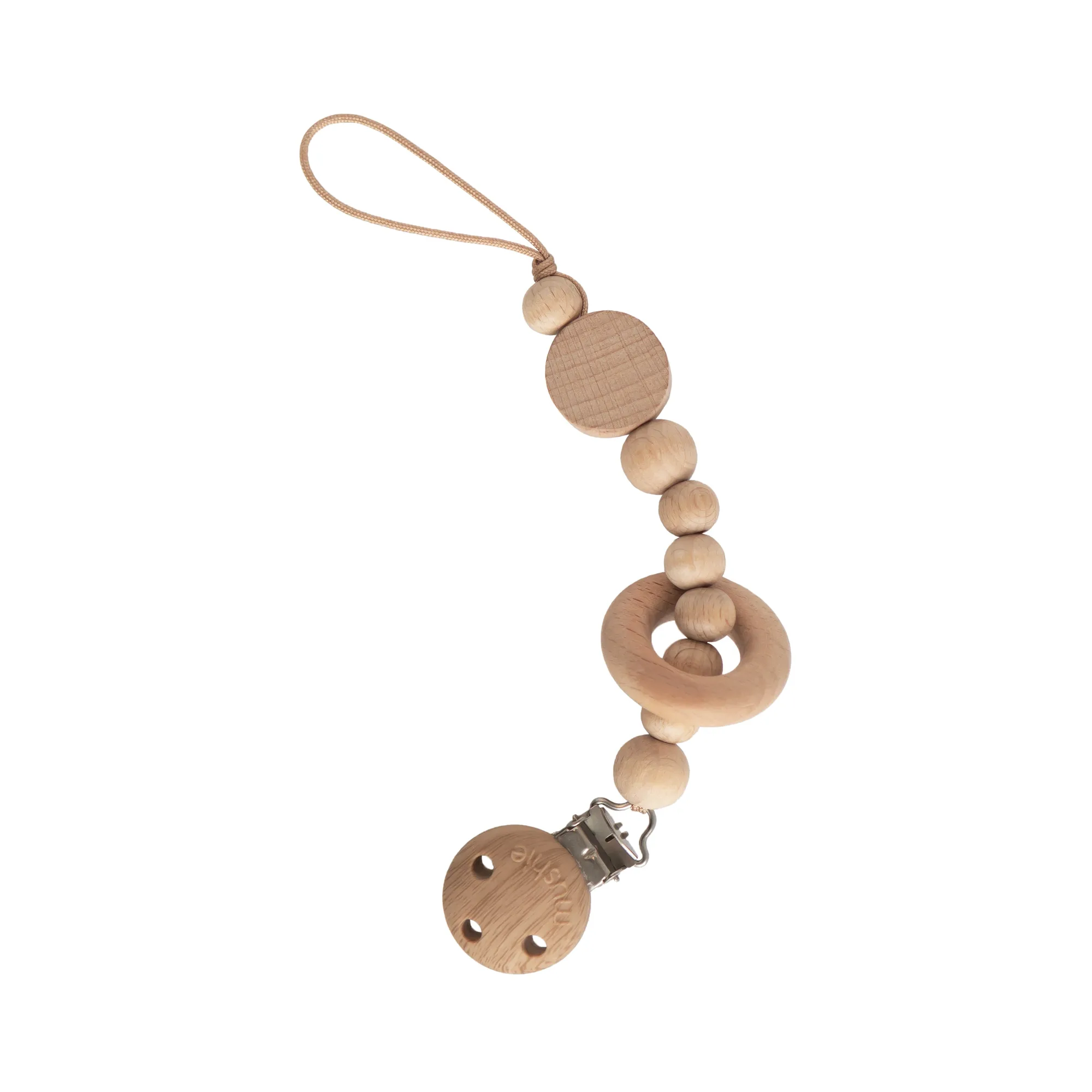
Silicone Pacifier Clip | Mila
- Always choose pacifiers made from food-grade silicone or latex that meet safety standards.
- Inspect pacifiers regularly for cracks, tears, or sticky surfaces that could harbor bacteria.
How Often Should You Replace Pacifiers?
Pacifiers don't last forever. Over time, the material can degrade, especially with frequent use and sterilization. The American Academy of Pediatrics recommends replacing pacifiers every two to four weeks, or sooner if you notice any signs of damage. This is particularly important for newborns and younger infants whose immune systems are still developing.
Signs that a pacifier needs replacing include discoloration, sticky or tacky texture, cracks or holes, and any deformation of the nipple shape. A damaged pacifier can break apart, posing a choking risk. Keep a few spare pacifiers on hand so you can swap them out regularly without scrambling for a replacement.
- Replace pacifiers every 2-4 weeks or immediately if damaged.
- Buy pacifiers in multipacks to always have a clean backup ready.
Proper Pacifier Cleaning Techniques
Cleaning your baby's pacifier properly is crucial to prevent the buildup of harmful bacteria, mold, and yeast. For daily cleaning, wash the pacifier with warm, soapy water and rinse thoroughly. You can also boil silicone pacifiers for five minutes to sterilize them, but check the manufacturer's instructions first, as some materials may warp.
Avoid cleaning pacifiers in your mouth, as this transfers bacteria from your saliva to your baby. Instead, use a dedicated pacifier case or clip to keep the pacifier clean when not in use. The Water Resistant Wet Bag is a great option for storing pacifiers and other small essentials while on the go, ensuring they stay dry and sanitary.
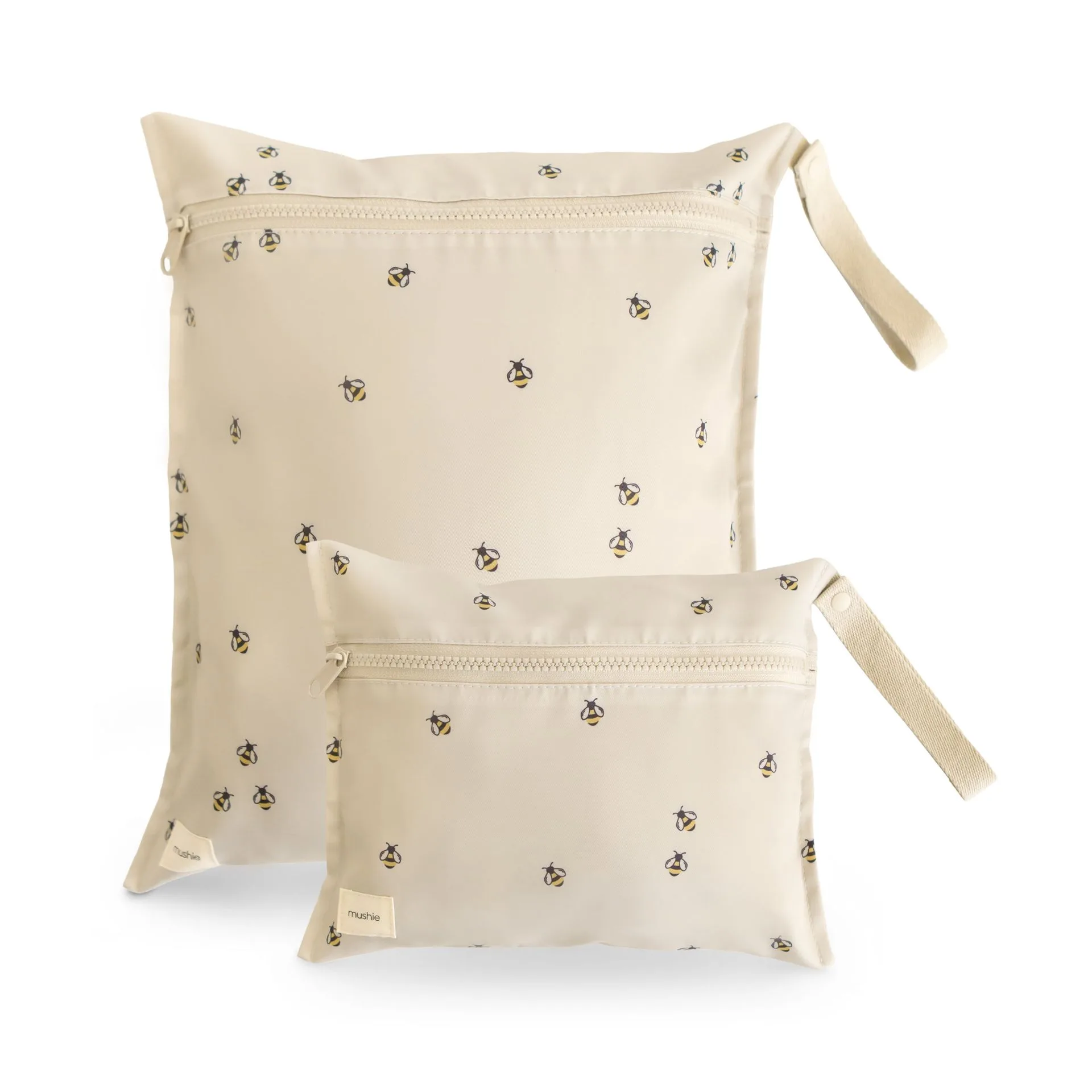
Water Resistant Wet Bag
- Boil silicone pacifiers for 5 minutes for deep sterilization.
- Never use bleach or harsh chemicals to clean pacifiers.
- Store pacifiers in a clean, dry case when not in use.
When to Start Weaning from the Pacifier
While pacifiers can be beneficial in early infancy, prolonged use beyond age two may lead to dental problems such as misaligned teeth or changes in the shape of the palate. Most experts recommend beginning the weaning process between 12 and 18 months, and ideally stopping by age 2 to 4.
Weaning doesn't have to be stressful. Start by limiting pacifier use to sleep times only, then gradually reduce that as well. Offering a comforting alternative, like a soft toy or a gentle massage, can help ease the transition. Some parents find success with the "cold turkey" method, while others prefer a gradual approach over several weeks.
- Start weaning between 12-18 months for optimal dental health.
- Replace pacifier comfort with other soothing activities like reading or cuddling.
Gentle Weaning Strategies That Work
Weaning a baby from their pacifier can be challenging, but with patience and creativity, it can be a smooth process. One popular method is the "pacifier fairy" story, where the pacifier is "collected" and replaced with a special gift. Another approach is to gradually shorten the time your baby uses the pacifier each day.
You can also try distracting your baby with engaging toys or activities. For example, the Nesting Spheres Sensory Toy offers a fun, hands-on experience that can redirect your baby's attention away from the pacifier. Sensory toys not only entertain but also support fine motor skill development, making them a great alternative during the weaning phase.
- Use positive reinforcement, like stickers or praise, for pacifier-free moments.
- Cut the tip of the pacifier slightly to make it less satisfying (discard safely).
Common Pacifier Safety Mistakes to Avoid
Even well-meaning parents can make mistakes when it comes to pacifier safety. One common error is attaching a pacifier to a long cord or ribbon around the baby's neck, which poses a strangulation risk. Always use a short, safety-tested clip like the Silicone Pacifier Clip | Mila, which attaches securely to clothing without being a hazard.
Another mistake is using pacifiers as a substitute for feeding or attention. While pacifiers can calm a fussy baby, they should not replace responsive caregiving. Always check if your baby is hungry, tired, or needs a diaper change before offering the pacifier. Also, avoid dipping pacifiers in sugar or honey, as this can cause tooth decay and, in the case of honey, pose a botulism risk for infants under one year.
- Never attach pacifiers to long strings or ribbons.
- Do not sweeten pacifiers with sugar, honey, or syrup.
- Always supervise your baby while using a pacifier.
Pacifier safety is an essential part of caring for your baby, from choosing the right product to knowing when to say goodbye. By following these cleaning, replacement, and weaning tips, you can ensure your little one stays safe and comfortable. For a convenient and hygienic way to keep your baby's pacifier clean and accessible, explore the Silicone Pacifier Clip | Mila today—it's a simple tool that makes a big difference in your daily routine.