Why a dry bag works for camera gear
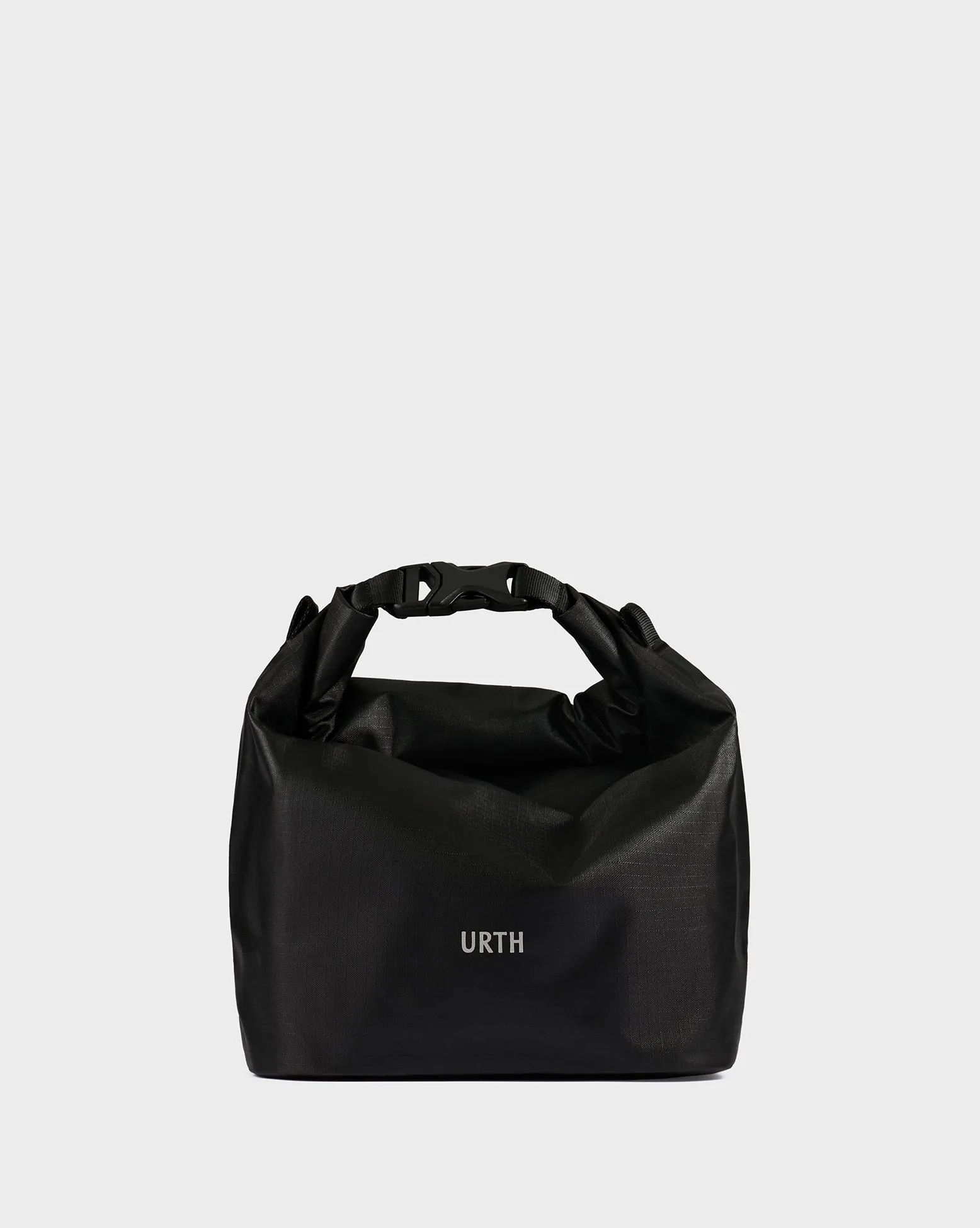
A dry bag is one of the most straightforward ways to keep camera gear safe when you're moving between landscape, weather, and water. The Atacama Dry Bag is a fully welded, roll-top dry bag designed to protect your gear in demanding outdoor environments, and its simple construction makes it easy to pack well.
The key is to think about how the roll-top seal works and how to use the internal pocket so your gear stays dry and organized.
How to pack your camera gear in a dry bag
Follow these steps to get the most out of your dry bag, whether you're heading to a waterfall or a rainy trail.
- Start with a clean, dry bag: Make sure the inside is free of sand or debris that could scratch your gear. The Atacama's fully welded construction and durable PET ripstop exterior are built to handle tough conditions, but a clean start protects both bag and camera.
- Place heavier items at the bottom: Put heavier gear like a camera body or lens at the bottom of the bag. This keeps the bag stable when you carry it and makes the roll-top easier to close without straining the seal.
- Use the internal pocket for small essentials: The Atacama Dry Bag features a protected internal pocket for essentials like your phone, SD cards, or hard drive. Use this pocket for items you need to access quickly without unpacking everything.
- Fill the bag without overstuffing: Leave enough room to roll the top at least three times. Overfilling makes the roll-top hard to close and can compromise the waterproof seal. The Atacama's roll-top closure with Duraflex side-release buckles works best when the bag isn't packed to the brim.
- Roll the top and secure the buckles: Fold the top over three times, then clip the side-release buckles. Make sure the buckles are snug but not so tight that they strain the fabric. This is what creates the waterproof barrier.
Choosing the right size for your camera kit
The Atacama Dry Bag comes in 7L, 15L, and 25L sizes, so you can match the bag to how much gear you carry. The 15L and 25L sizes fit the Arkose Camera Insert, which is a separate organizer that helps protect your camera body and lenses. The 7L is more compact and works well for a small mirrorless setup or a few lenses.
If you're not sure, think about your largest lens and whether you'll carry a drone or other accessories. A bigger bag gives you room to add gear later, but a smaller bag is easier to pack into another backpack or carry by hand.
What the Atacama Dry Bag provides
-
Atacama Dry Bag 25L: The Atacama Dry Bag is a fully welded, roll-top dry bag built from durable PET ripstop and finished with premium hardware. The welded construction and durable fabric are what make it suitable for protecting camera gear in wet or demanding conditions.
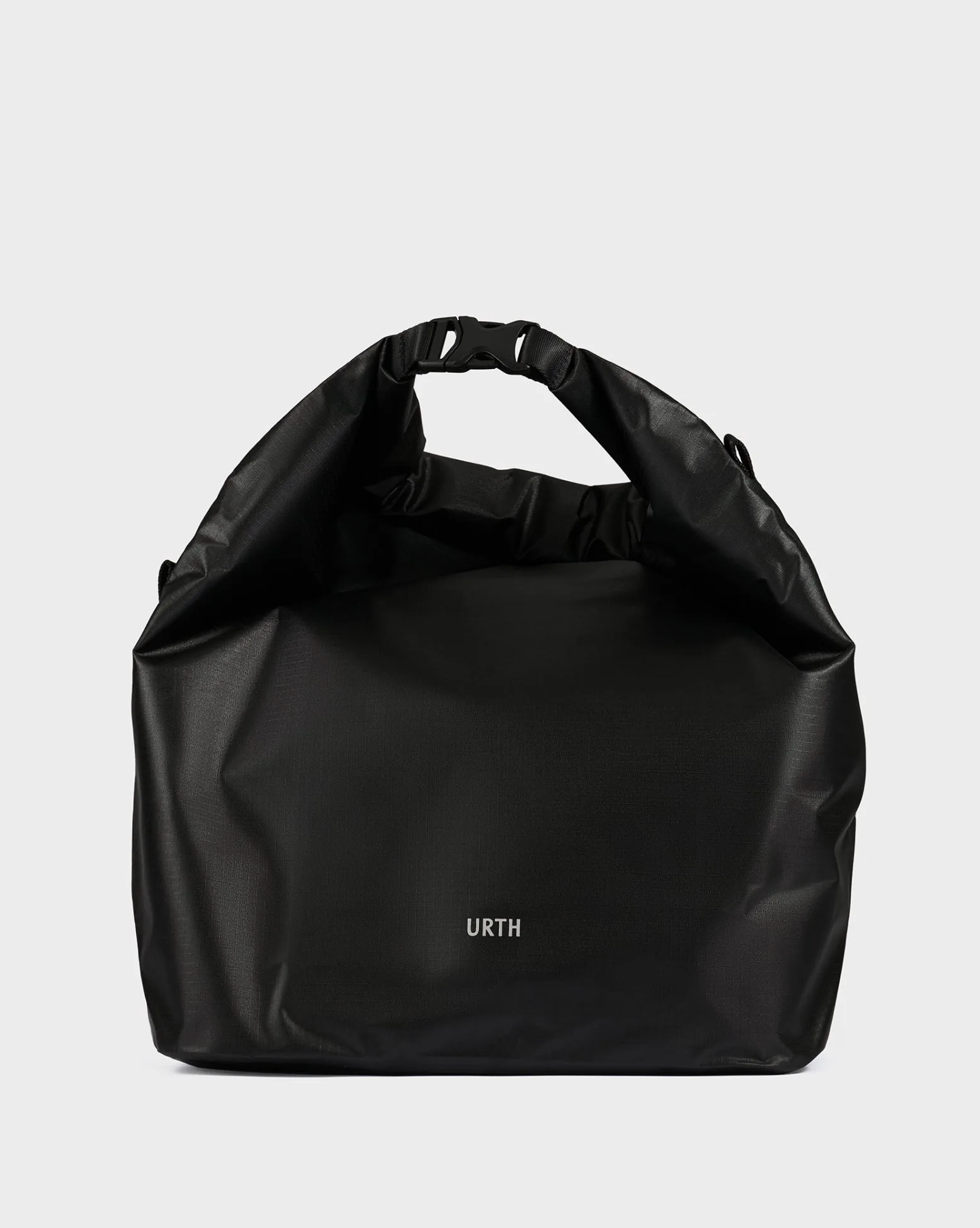
Atacama Dry Bag 25L
-
Atacama Dry Bag 15L: The 15L and 25L sizes fit the Arkose Camera Insert, while all sizes feature a protected internal pocket for essentials like your phone, SD cards, or hard drive. This tells you which size works with the camera insert and where to keep small, valuable items dry and accessible.
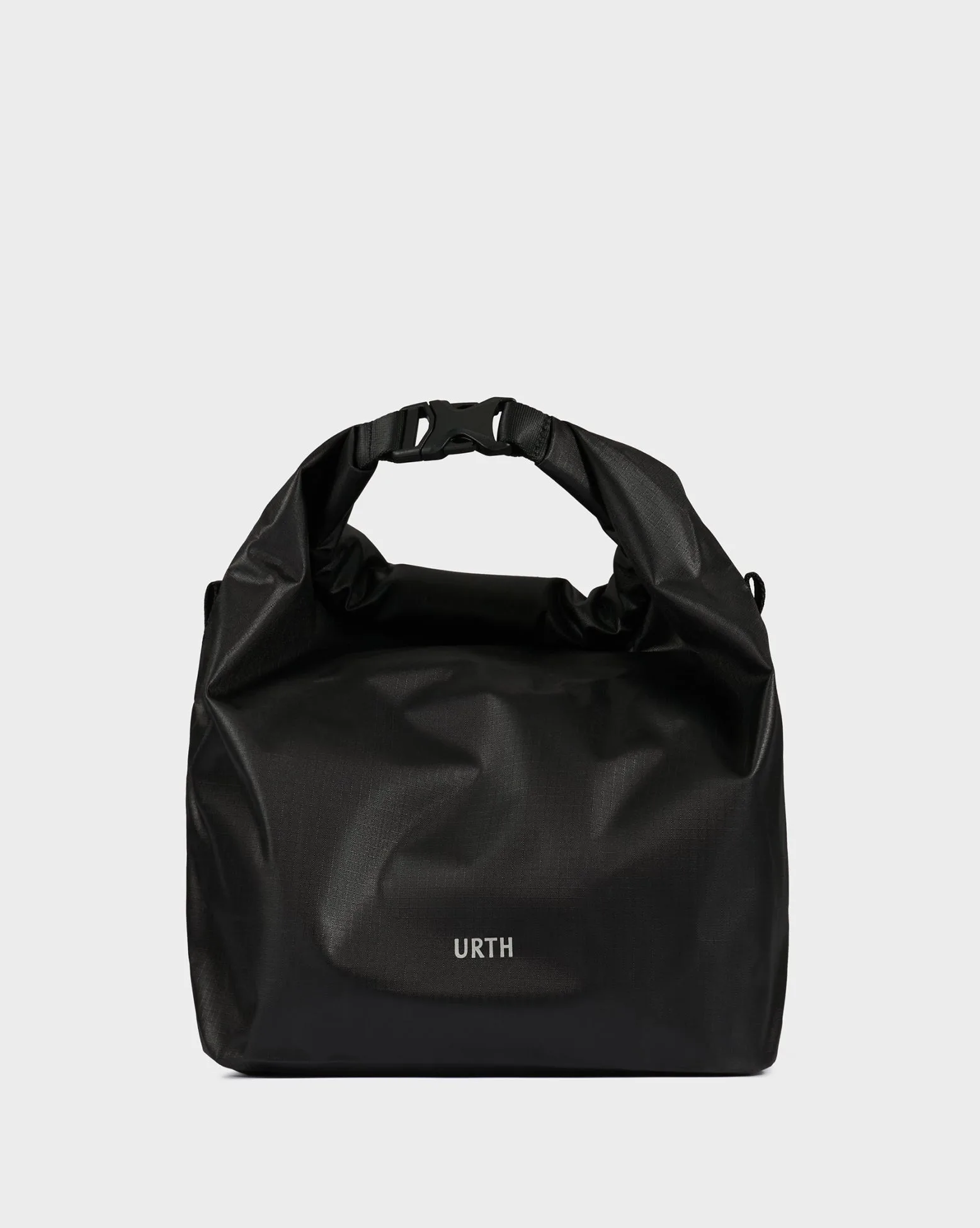
Atacama Dry Bag 15L
-
Atacama Dry Bag 7L: The 7L size is designed with camera gear in mind and fits the Arkose Camera Insert in its 10L, 20L, and 35L sizes. It clarifies that the 7L is compatible with the insert as well, so you can use the same organizer across different bag sizes.
What the supplied information doesn't cover
The catalog notes that the Atacama Dry Bag is designed to protect gear, but it doesn't specify an exact waterproof rating or how long it can stay submerged. If you plan to use it for kayaking or other water sports, treat it as a highly water-resistant bag rather than a fully submersible case. Also, the bag doesn't come with padding, so for maximum protection you'll want to wrap your camera in a padded insert or use the Arkose Camera Insert where compatible.