Quick Answer
Look for a bag with a waterproof outer fabric or a rain cover, padded compartments for your camera and lenses, and a comfortable harness for all-day carry. K&F Concept offers several reliable options that balance protection and portability.
Why Waterproofing Matters for Travel
When you're traveling, your camera gear is exposed to unpredictable weather. A sudden downpour, a splash from a boat, or even high humidity can damage sensitive electronics. A waterproof or water-resistant camera bag gives you peace of mind so you can focus on capturing moments instead of worrying about your equipment.
Trade-Offs: Waterproof vs. Breathability
Fully waterproof bags often use sealed seams and rubberized coatings, which can trap moisture inside if you pack wet gear. For most travel, a water-resistant bag with a removable rain cover offers the best balance. It keeps rain out while letting your bag breathe and dry quickly. If you expect heavy rain or river crossings, consider a dry-bag-style camera insert.
Decision Rules for Choosing a Waterproof Camera Bag
- Check the material and coating: Look for nylon or polyester with a PU or PVC coating, or a bag that includes a rain cover. These materials repel water effectively without adding too much weight. Avoid bags with only a water-resistant zipper if you expect heavy rain.
- Evaluate internal padding and dividers: Your bag should have adjustable padded dividers to keep your camera and lenses from knocking together. Foam padding also provides some thermal insulation. If you carry multiple bodies and lenses, choose a bag with customizable interior layout.
- Consider carry comfort and fit: A padded hip belt and sternum strap distribute weight better for long hikes. Test the bag with your typical gear load to ensure the straps don't dig in. If you plan all-day hikes, prioritize a bag with a hip belt over one without.
- Think about access and organization: Some bags open from the back (safe against theft) or from the top (quick access). Side access panels let you grab your camera without removing the bag. For street photography, a bag with side access is more convenient than a top-loader.
- Look for extra compartments: A dedicated laptop sleeve, tablet pocket, or tripod holder can save you from carrying a separate bag. Check the dimensions against your laptop and tripod before buying. If you travel with a 14-inch laptop, confirm the bag's laptop compartment fits it.
Product Facts
-
K&F Concept national geographic backpack camera bag photography big bags for camera travels: 1 Year Warranty, FREE UK DELIVERY, Brand New Stock This K&F Concept backpack offers peace of mind with a warranty and free shipping, making it a low-risk investment for travelers.
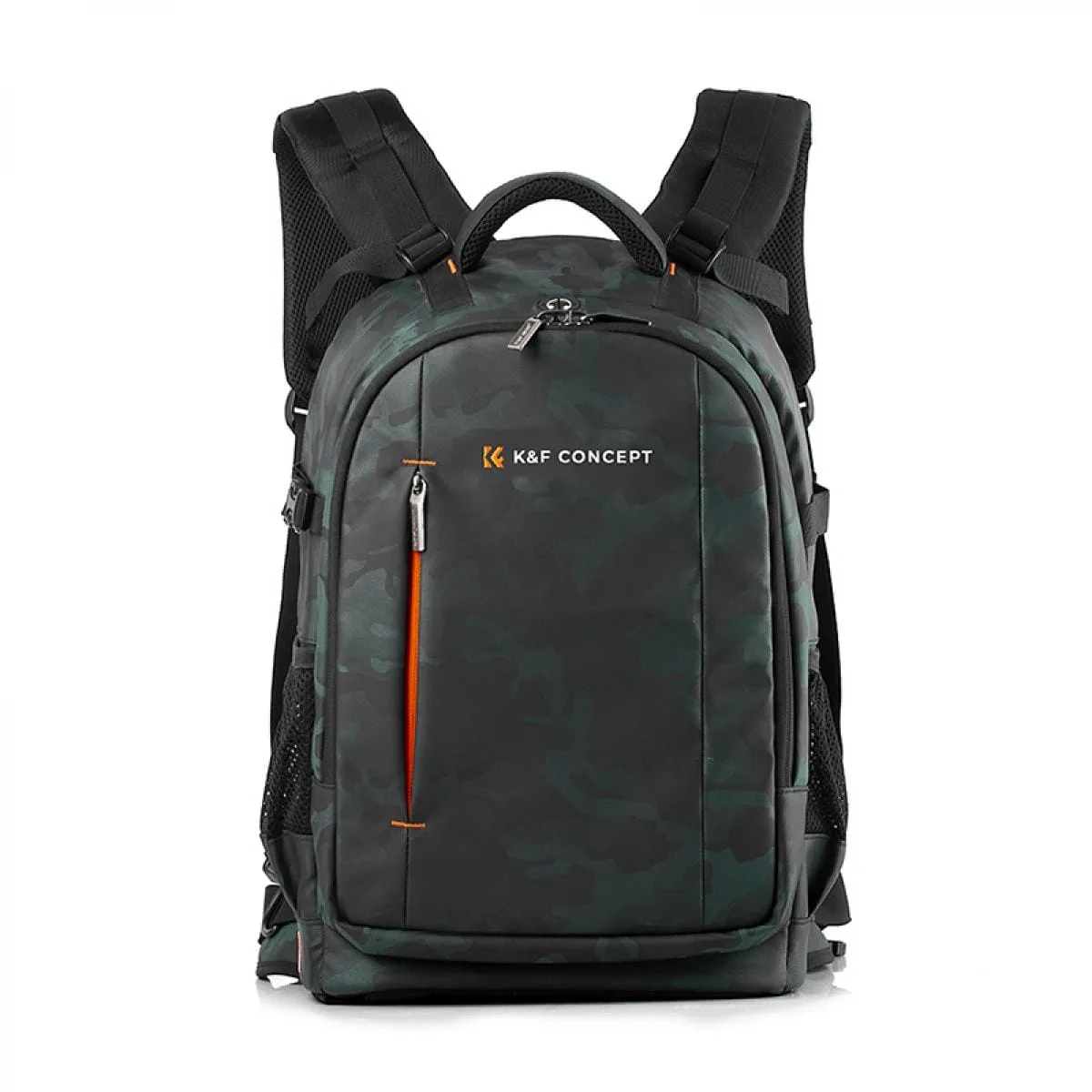
K&F Concept national geographic backpack camera bag photography big bags for camera travels
-
K&F Concept Camera Backpack Waterproof camera bag for cameras, lenses and accessories: 1 Year Warranty, FREE UK DELIVERY, Brand New Stock A more affordable waterproof option that still comes with the same warranty and delivery benefits, ideal if you're on a tighter budget.
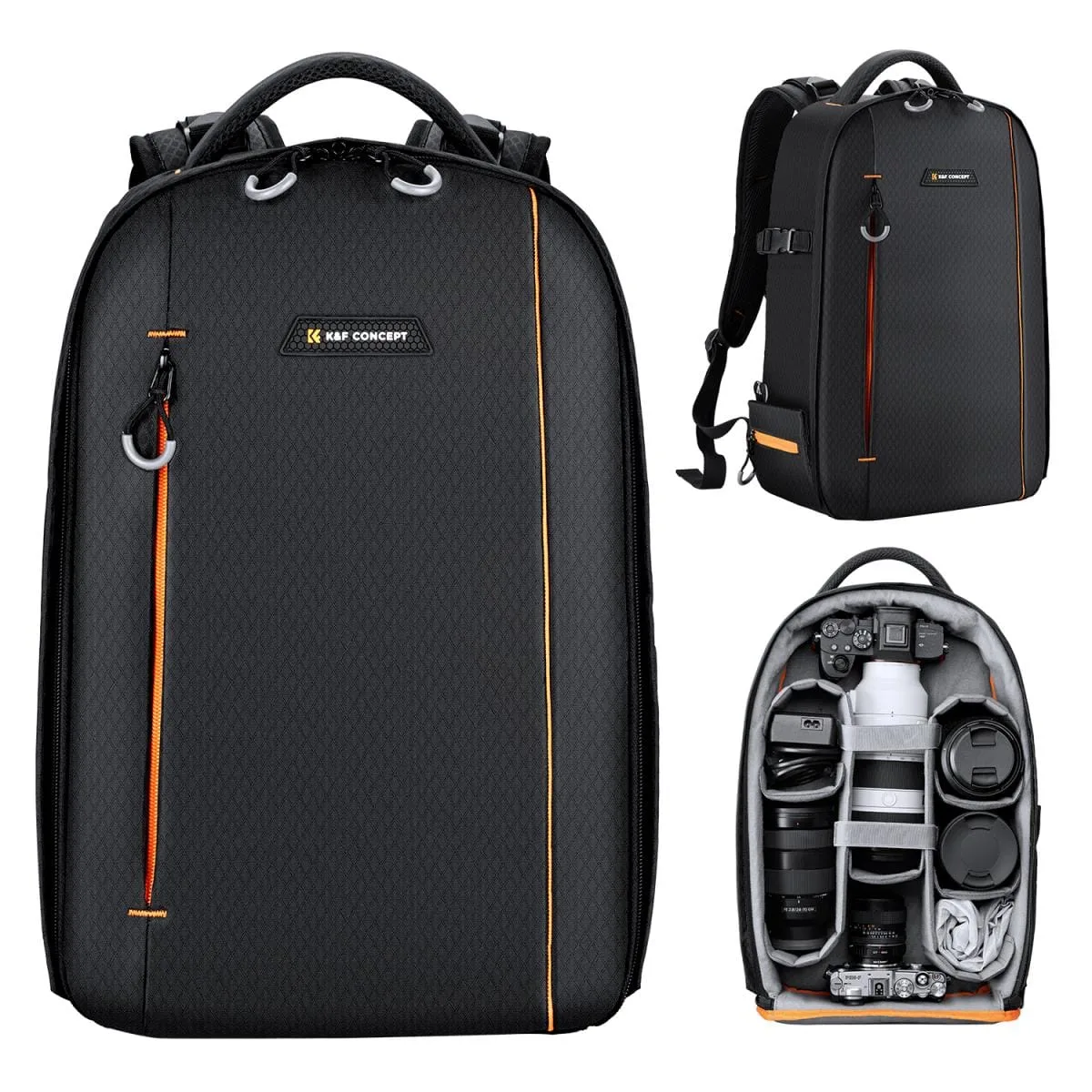
K&F Concept Camera Backpack Waterproof camera bag for cameras, lenses and accessories
Who Should Buy What
Best For
- Travelers who need a balance of weather protection and everyday usability
- Photographers who carry a mirrorless or DSLR with 2-3 lenses and a laptop
Not For
- Extreme conditions like whitewater rafting or monsoon rain (look for a fully submersible dry bag instead)
- Minimalist street photographers who only carry one body and a small lens (a smaller sling bag may be lighter)