Packing a duffel bag for a long trip can feel like a puzzle—especially when you want to avoid wrinkled clothes, forgotten essentials, or an overstuffed bag that’s impossible to carry. Unlike structured suitcases, duffels offer flexibility and style, but they require a smart strategy to stay organized. Whether you’re heading to a weekend getaway or a month-long adventure, learning how to pack a duffel bag efficiently will save you time, space, and frustration.
At SPRAYGROUND®, we know that travel is about more than just the destination—it’s about the journey and the gear you bring along. That’s why we’ve crafted this comprehensive guide with proven packing hacks, from rolling techniques to compartmentalizing your items. Read on to transform your duffel into a perfectly packed travel companion.
Why Duffel Bags Are Perfect for Long Trips
Duffel bags have become a favorite among travelers for their spacious interiors, lightweight design, and casual versatility. Unlike rigid suitcases, duffels can squeeze into tight overhead bins or car trunks, making them ideal for road trips, flights, and even train journeys. Their soft sides also allow for more flexible packing—you can fill every nook and cranny without worrying about hard-shell limitations.
However, the very flexibility that makes duffels great can lead to chaos if you don’t pack strategically. Without proper organization, clothes can shift, shoes can dirty other items, and you might end up digging through a jumbled mess. That’s why efficient packing is key. With the right techniques, your duffel bag becomes a streamlined storage system that keeps everything accessible and wrinkle-free.
- Duffels are lighter than suitcases, saving you baggage weight fees.
- They fit easily in car trunks, lockers, or under seats.
- Soft-sided duffels can be compressed when not full, saving space.
Essential Packing Techniques for Your Duffel Bag
The foundation of efficient duffel packing lies in three core methods: rolling, bundling, and using packing cubes. Rolling clothes is the most popular technique because it minimizes wrinkles and maximizes space—simply roll each item tightly, starting from the collar or hem. For bulkier items like jeans or sweaters, try the military roll, which folds sleeves inward before rolling to create a compact cylinder.
Bundling, also known as the ‘wrap’ method, is excellent for delicate fabrics. Place a larger item like a jacket flat, then layer smaller items on top, folding the jacket around them to create a protective bundle. This reduces creases and keeps outfits together. Packing cubes take organization to the next level, allowing you to separate categories—tops, bottoms, underwear, accessories—so you can grab what you need without unpacking everything.
For shoes, use shoe bags or shower caps to isolate dirt and prevent scuffing. Place them at the bottom of the duffel, heel to toe, to balance weight. Fill empty shoe interiors with socks or small items to save space. Don’t forget to utilize the duffel’s side pockets for toiletries, chargers, and quick-access items—this keeps your main compartment tidy.
- Roll t-shirts, polo shirts, and casual pants for wrinkle-free packing.
- Use packing cubes to compartmentalize: one for clothes, one for electronics, one for toiletries.
- Place heavy items (shoes, toiletries) at the bottom of the duffel for better balance.
Maximizing Space with Smart Packing Hacks
When packing a duffel for a long trip, every inch of space counts. Start by laying out all items you plan to bring, then eliminate duplicates or non-essentials. A good rule of thumb is to pack for one week and plan to do laundry—this dramatically reduces bulk. Use compression bags for bulky items like jackets or sweaters; simply roll out the air to shrink volume by up to 50%.
Another hack is to wear your bulkiest items—like a heavy coat or boots—during travel to free up bag space. For toiletries, transfer liquids into travel-sized containers and place them in a leak-proof bag. Use the duffel’s exterior pockets for items you’ll need mid-trip, such as a book, snacks, or a reusable water bottle. This prevents rummaging through the main compartment while on the go.
If you’re carrying a separate daypack or sling, consider using it as a personal item that fits inside your duffel when not needed. For example, the 20/20 Vision Clear Sling is compact enough to stash in your duffel and pull out for day excursions. This dual-bag strategy keeps your hands free and your essentials organized.
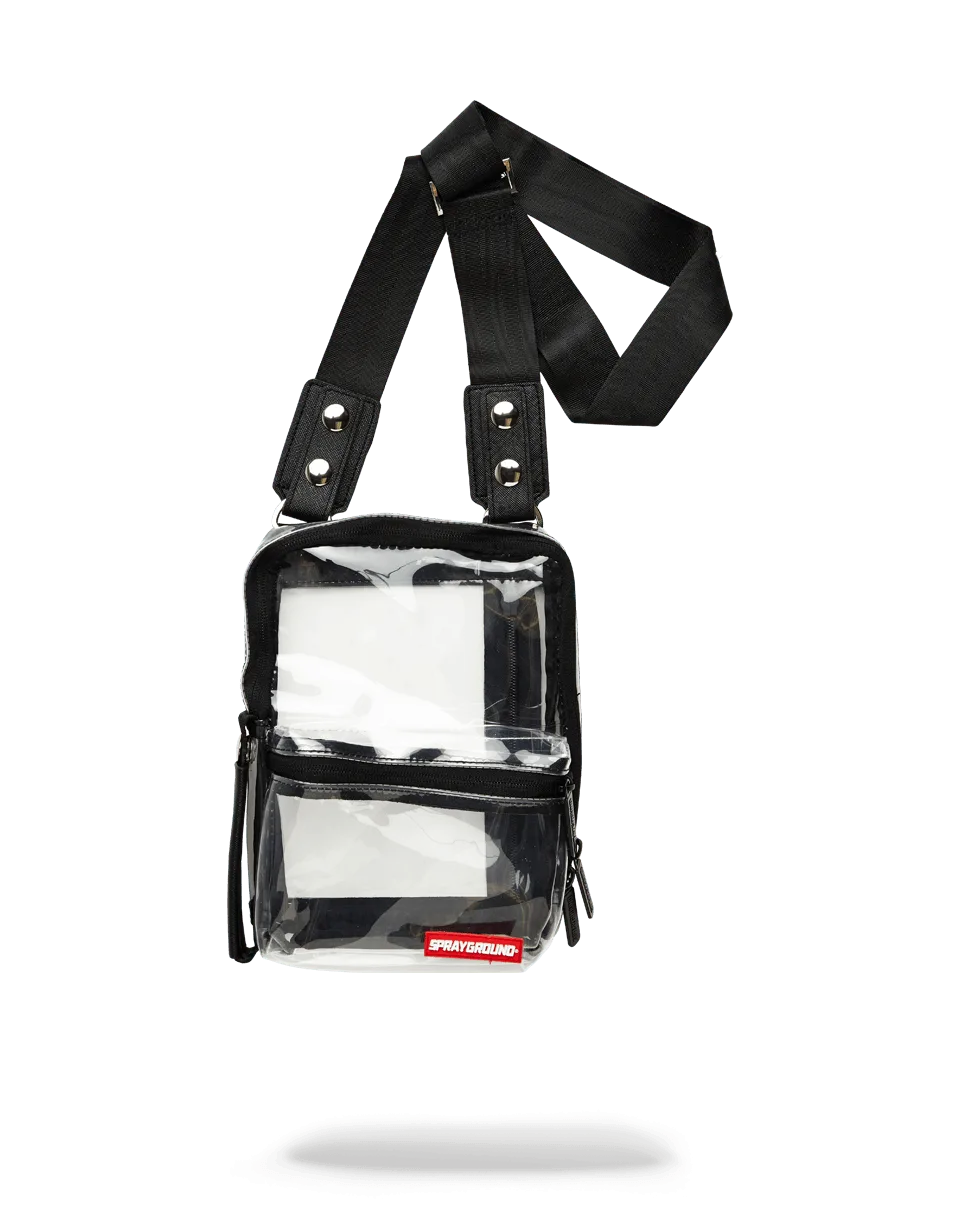
20/20 Vision Clear Sling
- Use compression bags for puffy jackets, hoodies, or sleeping bags.
- Wear your heaviest items (boots, denim jacket) during transit.
- Store small electronics (charger, power bank) in a dedicated pouch.
Organizing Your Duffel Bag by Category
A well-organized duffel bag makes unpacking a breeze. Start by grouping items into categories: clothing, toiletries, electronics, documents, and accessories. Pack clothing in the main compartment, using packing cubes or bundles to separate tops from bottoms. Place toiletries in a waterproof bag and store them in a side pocket or near the top for easy access during security checks.
For electronics, use a padded sleeve or pouch to protect laptops, tablets, and chargers. Keep them in the duffel’s center to prevent damage from external pressure. Documents like passports, tickets, and itineraries should go in a secure, easily reachable pocket—preferably one with a zipper. Accessories like belts, hats, and scarves can be rolled and tucked into gaps.
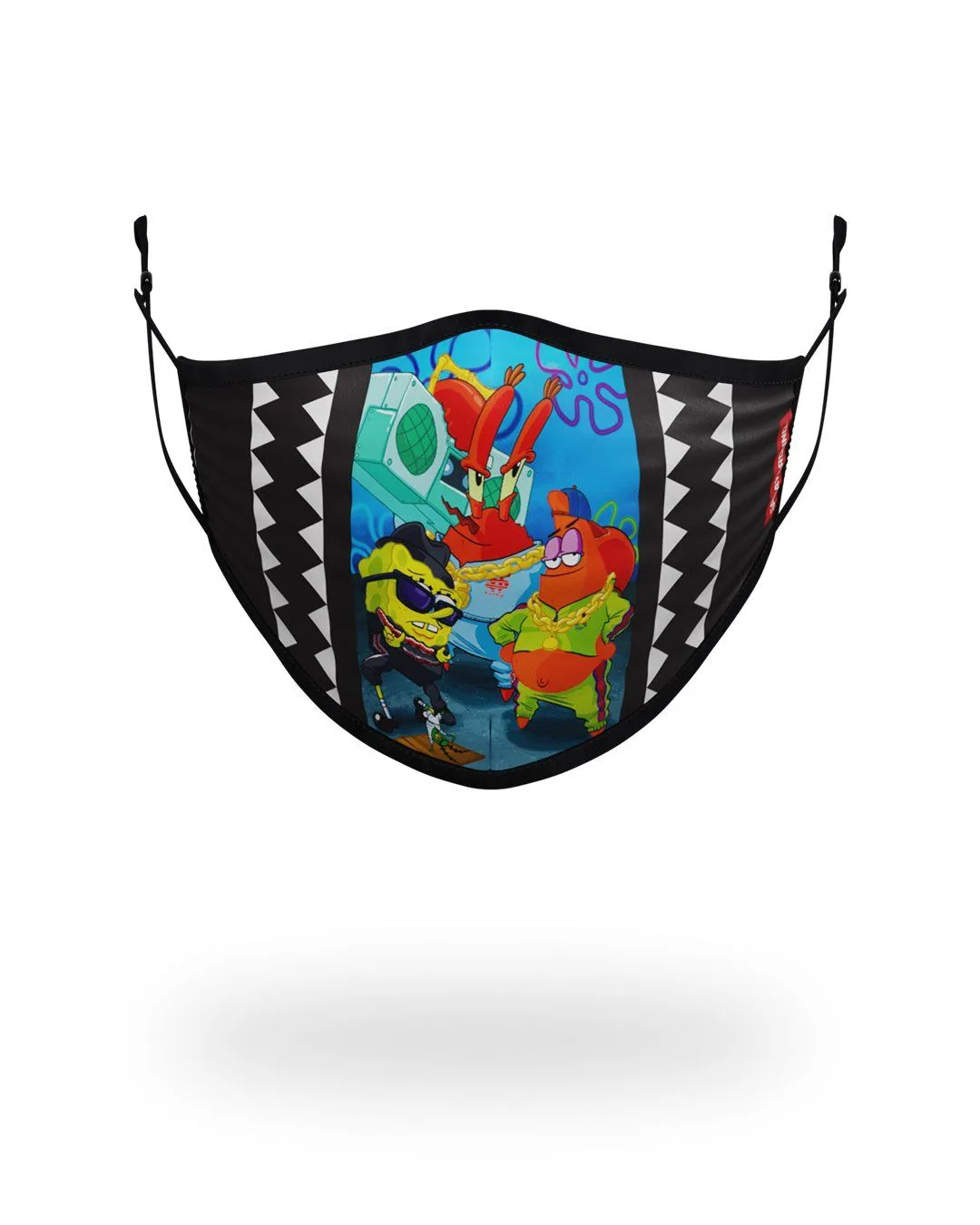
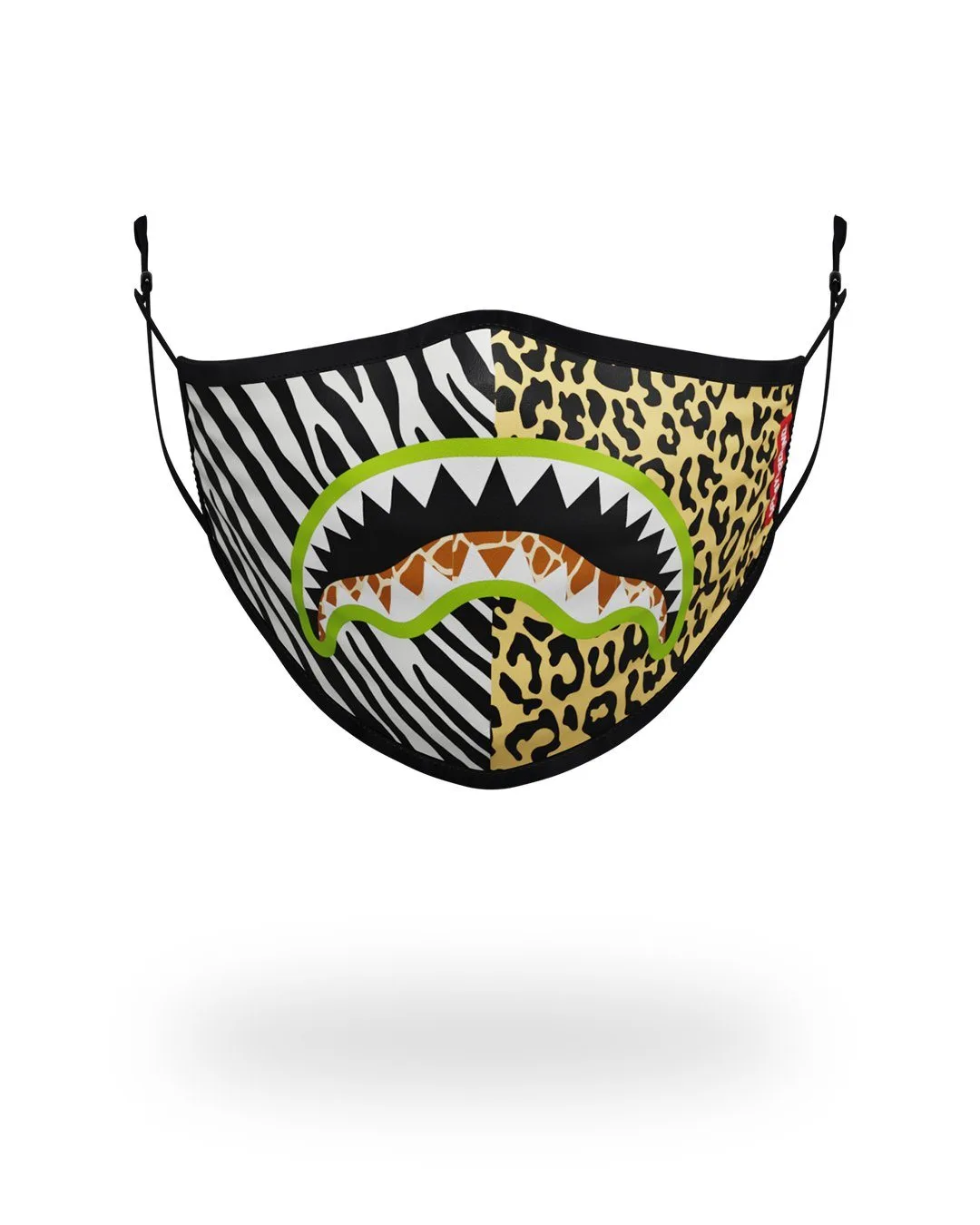
If you’re bringing a fashion mask for added style or safety, pack it in a small pouch or clip it to the duffel’s exterior loop. The Adult Spucci Split Form-Fitting Face Mask is a great option that combines comfort with streetwear flair. Similarly, a stylish hat like the Black 3M Purple Fur Aviator Hat can be packed in the top compartment to maintain its shape.
- Keep toiletries in a clear, leak-proof pouch for TSA compliance.
- Use a dedicated electronics organizer to prevent cable tangles.
- Pack documents in a secure, zippered pocket for quick access.
Duffel Bag Packing Mistakes to Avoid
Even seasoned travelers make packing errors that lead to frustration. One common mistake is overpacking—stuffing the duffel to the brim makes it heavy and hard to carry. Leave some room for souvenirs or items you might acquire during your trip. Another mistake is ignoring weight distribution; placing all heavy items on one side can make the bag lopsided and uncomfortable to carry.
Avoid packing fragile items without protection. Use clothing as padding around electronics or glass bottles. Don’t forget to lock zippers or use a small padlock for security, especially in crowded areas. Finally, avoid packing items you won’t use—be honest about your needs. A minimalist approach often leads to a more enjoyable trip.
- Don’t overpack—leave 10-15% extra space for flexibility.
- Balance weight evenly to prevent strain on one shoulder.
- Wrap fragile items in soft clothing for cushioning.
Efficient duffel packing is a skill that transforms your travel experience from stressful to seamless. By using rolling techniques, packing cubes, and smart hacks like compression bags, you can fit everything you need without sacrificing style or comfort. Ready to upgrade your travel gear? Explore the 4AM DLX Backpack for a versatile companion that combines duffel-like spaciousness with backpack convenience—perfect for your next long trip.