Quick answer
Choose a packable duffel if you want a second bag that squashes into a pocket, expands when you buy souvenirs, and slides over a rolling suitcase handle. Choose a hard case if you are checking fragile items or want rigid sides that resist crushing. For most one-bag carry on trips, the packable duffel is the more flexible pick.
Space and shape: fixed shell versus 25% expansion
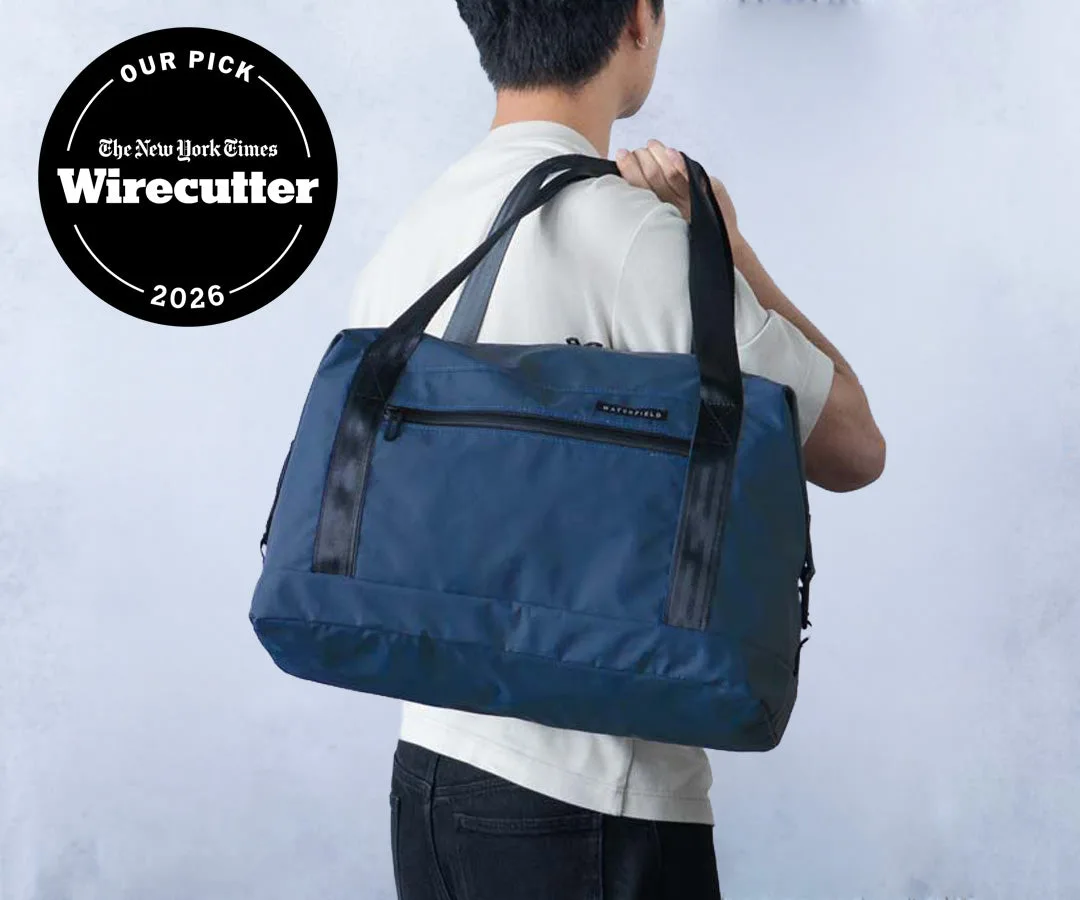
A hard case holds exactly the volume printed on the label. That is reassuring at check-in, but it means every extra purchase has to fit inside the same rigid box. A packable duffel behaves differently: the Packable Duffel's interior expands 25% to hold additional items, so a day of shopping does not force you into a second bag. The trade-off is that a soft duffel can bulge past airline sizer frames if you overstuff it, while a hard case stays within its published dimensions as long as you can close it.
Protection: what each bag actually shields
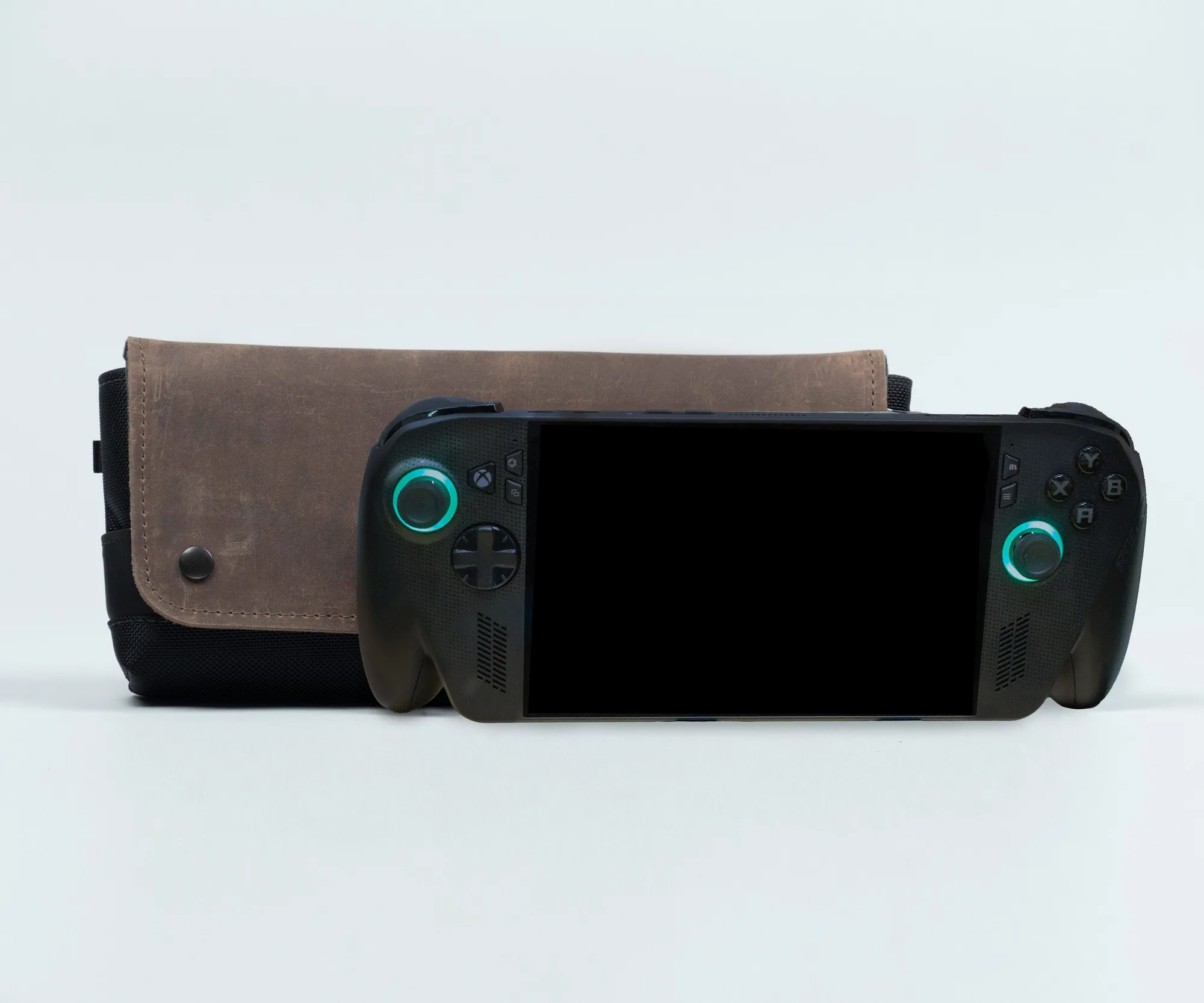
Hard cases win on crush resistance. If you are carrying a ceramic mug, a glass bottle, or camera lenses, rigid walls spread impact across the shell. Soft duffels rely on padding and how you pack. The Packable Duffel uses a lined interior that cleans easily and withstands wear and tear, which helps with spilled toiletries or damp swimwear, but it does not have a rigid frame. For a gaming console, a purpose-built case is the better answer than either option: the CitySlicker for ROG Xbox Ally X is cushioned with soft fleece and has dedicated pockets that keep accessories organized, so the console is not rattling against a duffel's contents.
Airline fit and the personal-item squeeze
Carry on rules are about dimensions, not materials. A hard case that matches the sizer exactly leaves no margin for a bulging pocket. A soft duffel compresses when you push it into an overhead bin or under the seat, which is why a duffel bag for air travel often gets through when a rigid case of similar volume does not. The Packable Duffel also has a luggage handle slot, so it can double as a carry-on and ride on top of a rolling bag instead of taking a second pair of hands.
Storage and the return trip
The real difference shows up when the bag is empty. A hard case occupies the same closet space whether it is full or not. A packable duffel folds down and disappears into a drawer or the front pocket of your main bag, which is why it works so well as a just-in-case bag. If you travel with one rolling case and want a spare for the return leg, the duffel is the lower-commitment choice. If your main bag is also a hard case, you are already carrying the rigid volume; adding a second hard case doubles the storage problem at home.
When a backpack or tote beats both
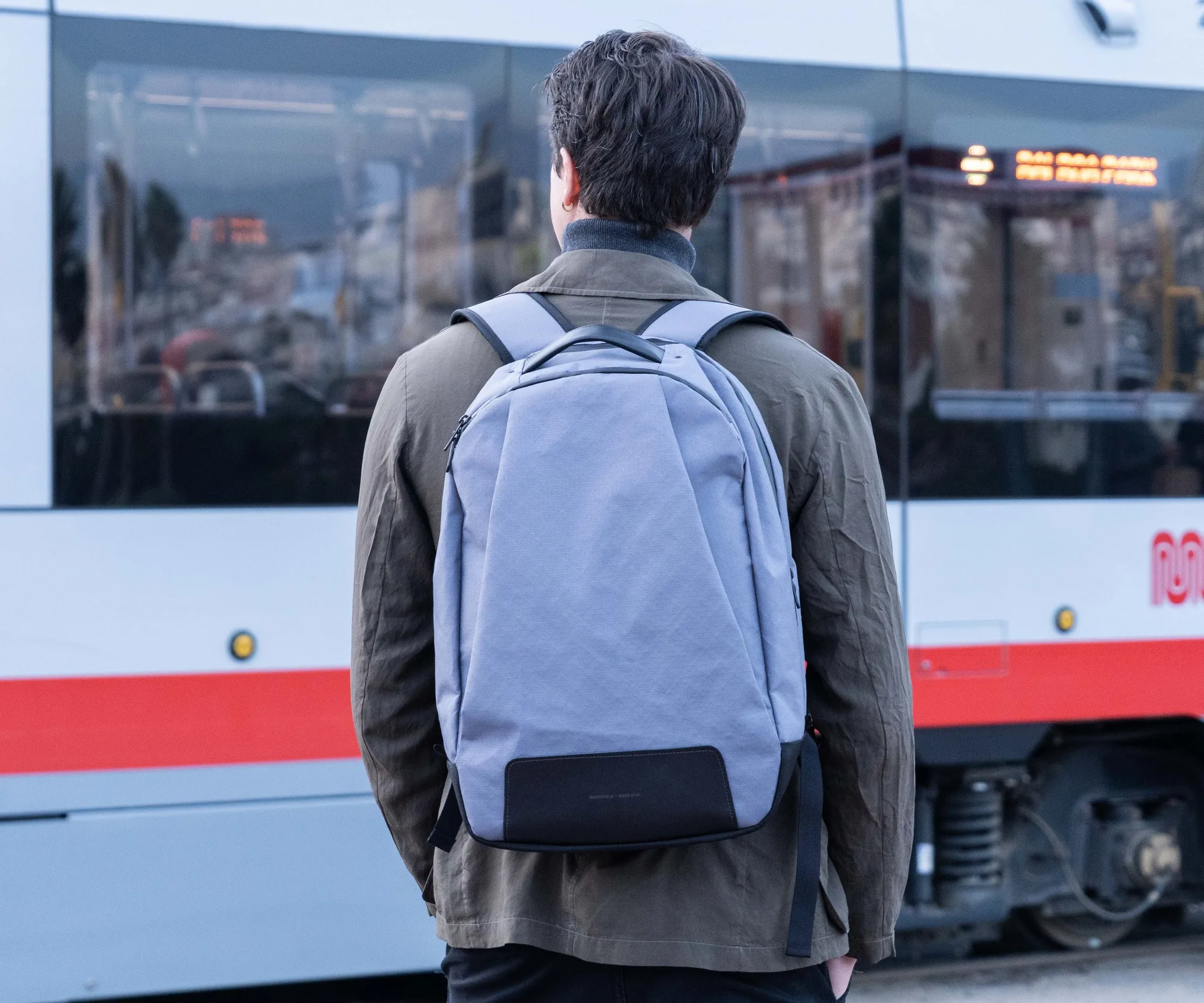
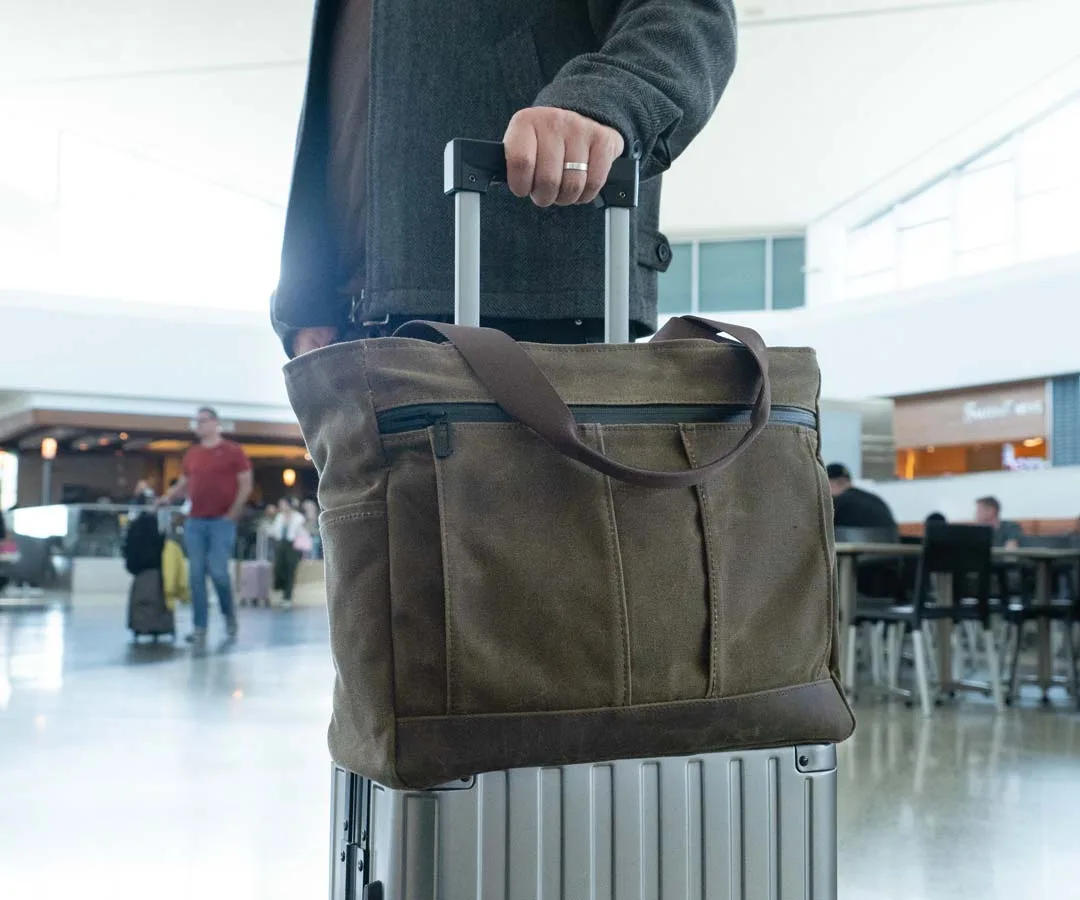
If your trip involves a laptop and a commute at the other end, neither a duffel nor a hard case is ideal as your only bag. The Trigo Laptop Backpack fits two devices and uses a lightweight, high-performance textile with ECOPAK material from Challenge Sailcloth for tough protection against the elements, so it carries tech and clothing without a separate sleeve. The Shinjuku Tote takes a different approach: its magnetic closure keeps contents secure, and the suitcase handle passthrough and internal water bottle pockets make it a natural travel accessory. A duffel plus a backpack or tote often covers more ground than a duffel plus a hard case.
Trade-offs at a glance
- Packable duffel: flexibility vs. structure: Expands 25% and folds flat when empty, but has no rigid frame to resist crushing. Best when your packing list changes mid-trip.
- Hard case: protection vs. fixed volume: Rigid walls shield fragile contents, but the shell cannot shrink for a tight overhead bin or disappear into a drawer at home. Best when you check the bag or carry crushable gear.
- Carry on fit: compression vs. exact dimensions: A soft duffel can be pushed into a sizer or under a seat; a hard case must match the published limit as-is. Measure your airline's sizer before you commit.
- Tech trips: one bag vs. two: A laptop backpack or tote with a passthrough can replace a second rigid bag entirely. Match the bag to the trip, not the other way around.
Product facts that affect the decision
- Packable Duffel: Lightweight, water-resistant packable duffel with a luggage handle slot, an interior that expands 25%, and a lined interior that cleans easily and withstands wear and tear. It compresses for storage, expands for souvenirs, and can ride on a rolling suitcase, which covers the two biggest weaknesses of a fixed hard case.
- CitySlicker for ROG Xbox Ally X: CitySlicker for ROG Xbox Ally X is made from ballistic nylon, waxed canvas, and full-grain leather, with a fleece-cushioned interior and dedicated accessory pockets. If the fragile item you are protecting is a handheld console, a fitted case protects it better than either a duffel or a hard suitcase.
- Trigo Laptop Backpack: Trigo Laptop Backpack fits two devices and uses a lightweight, high-performance textile with ECOPAK material from Challenge Sailcloth for protection against the elements. For tech-heavy trips, a backpack with dedicated device space replaces the need to choose between a duffel and a hard case as your only bag.
- Shinjuku Tote: Shinjuku Tote has a magnetic closure, a suitcase handle passthrough, and internal water bottle pockets. It pairs with a rolling bag the same way a duffel does, but keeps work items accessible in transit.
Which should you travel with?
Choose a packable duffel if you
- Want a spare bag that stows flat until you need it
- Buy items mid-trip and need 25% more room on the return leg
- Ride a rolling suitcase and want a bag with a luggage handle slot
Choose a hard case instead if you
- Check the bag and need rigid sides against rough handling
- Carry fragile items that need a crush-resistant shell
- Prefer a bag that keeps exactly the same shape every trip