Quick answer
Packing cubes are organizers first and space savers second. They keep clothes grouped, make unpacking faster, and can compress soft items slightly, but they don't make a suitcase bigger or replace a realistic packing plan. If you want order, easy access, and less digging, they're worth it. If you expect them to double your capacity, they won't.
Packing cubes get sold as a cure-all for overpacking, but that's not quite right. They're a tool for order, not a magic wand that shrinks your wardrobe. If you've ever wondered whether the hype matches reality, this guide separates the useful from the overstated.
Below are the most common claims about packing cubes, each with a straight verdict. No test results, no invented numbers, just what the product category can and can't do for your suitcase.
Myth: Packing cubes create extra space
Verdict: False. Cubes don't create space. They divide the space you already have into zones, which can help you pack more efficiently, but the total volume of your suitcase stays the same. If you fill a cube with bulky sweaters, you'll still hit the same wall.
That said, cubes can reduce wasted gaps between loose items. By grouping clothes into rectangular blocks, you might use the corners of your case better than a pile of loose shirts would. The gain is modest and depends on how you fold and arrange items.
- Use cubes to fill the footprint of your suitcase, not to exceed it.
- Pack bulky items first, then fill gaps with smaller cubes.
Myth: Packing cubes are only for clothes
Verdict: False. Cubes work for anything you want to keep separate: chargers, toiletries, shoes, laundry, even snacks. The key is matching the cube size to the item and keeping like with like so you're not rummaging.
For travel accessories, a small cube or pouch can corral cables and adapters. A dedicated shoe bag or laundry bag keeps dirty items away from clean clothes. The principle is the same: containment makes packing and unpacking faster.
- Assign one cube per category: tops, bottoms, underwear, tech.
- Use a separate bag for shoes or laundry to avoid mixing.
Myth: Packing cubes are a hassle to use
Verdict: Depends on the trip. For a weekend or a simple carry-on, cubes can feel like extra steps. For longer trips or multi-stop travel, they save time because you can lift one cube out without unpacking everything.
If you're a frequent repacker, cubes help you keep order in a hotel room or a friend's spare bedroom. If you live out of your suitcase for one night, you might skip them. The tradeoff is upfront organization versus on-the-road convenience.
- Short trip: one cube for clothes, one pouch for toiletries.
- Long trip: one cube per clothing type and a laundry bag.
Myth: Any packing cube will do
Verdict: False. Cubes vary in shape, closure, and material. A structured cube holds its shape and stacks neatly; a soft pouch collapses when empty. Consider how you pack: do you roll, fold flat, or bundle? The cube should match your method.
Also think about your suitcase. If you use a hard-shell case with a split interior, rectangular cubes fit the two halves. If you use a soft suitcase with fewer rigid walls, softer cubes may conform better. There's no single best cube, only the one that fits your case and your habits.
- Measure your suitcase interior before buying a set.
- Choose cubes with smooth zippers if you'll open them often.
Myth: Packing cubes are just for checked luggage
Verdict: False. Cubes are arguably more useful in a carry-on, where every inch counts and you may need to access items during security or a tight connection. A small cube for liquids or tech can be pulled out without disturbing the rest.
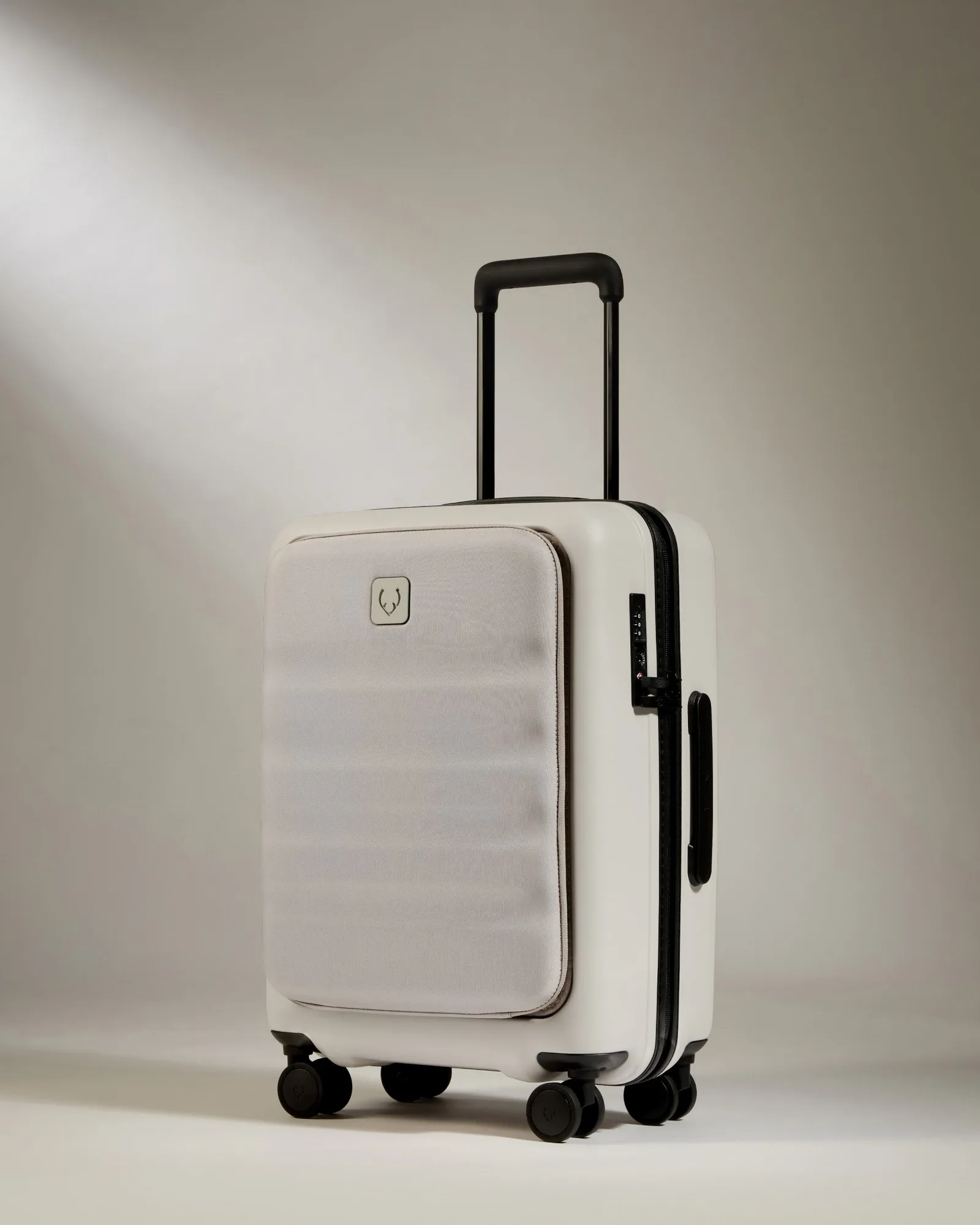
For a cabin bag with a front pocket, like the Icon Stripe Pocket, you can keep a slim cube or pouch in the pocket for essentials and use the main compartment for clothes. That separation is exactly what cubes are good at.
- Use a clear pouch for liquids if you need to show them at security.
- Keep one cube for items you'll need on the plane: layers, snacks, charger.
Verdicts on packing cube claims
- Cubes create extra space: They don't. They organize the space you have and can reduce wasted gaps, but total capacity is unchanged. Verdict: False
- Cubes are only for clothes: They work for any category you want to keep separate, from chargers to shoes, as long as you match size to contents. Verdict: False
- Cubes are a hassle: For short trips they can feel like extra steps; for longer or multi-stop trips they save time and keep order. Verdict: Depends on the trip
- Any cube will do: Shape, closure, and material matter. Choose cubes that fit your suitcase interior and your folding style. Verdict: False
- Cubes are only for checked luggage: They're especially useful in a carry-on, where access and space are tight. A front-pocket case can hold essentials so cubes stay packed. Verdict: False
Product facts that matter for packing cubes
- Carry-on with Pocket Luggage in Taupe - Icon Stripe: Features a front pocket that accommodates tech and other essentials without compromising the interior capacity of the suitcase. A front pocket gives you a dedicated spot for items you'd otherwise put in a packing cube, freeing cube space for clothes.
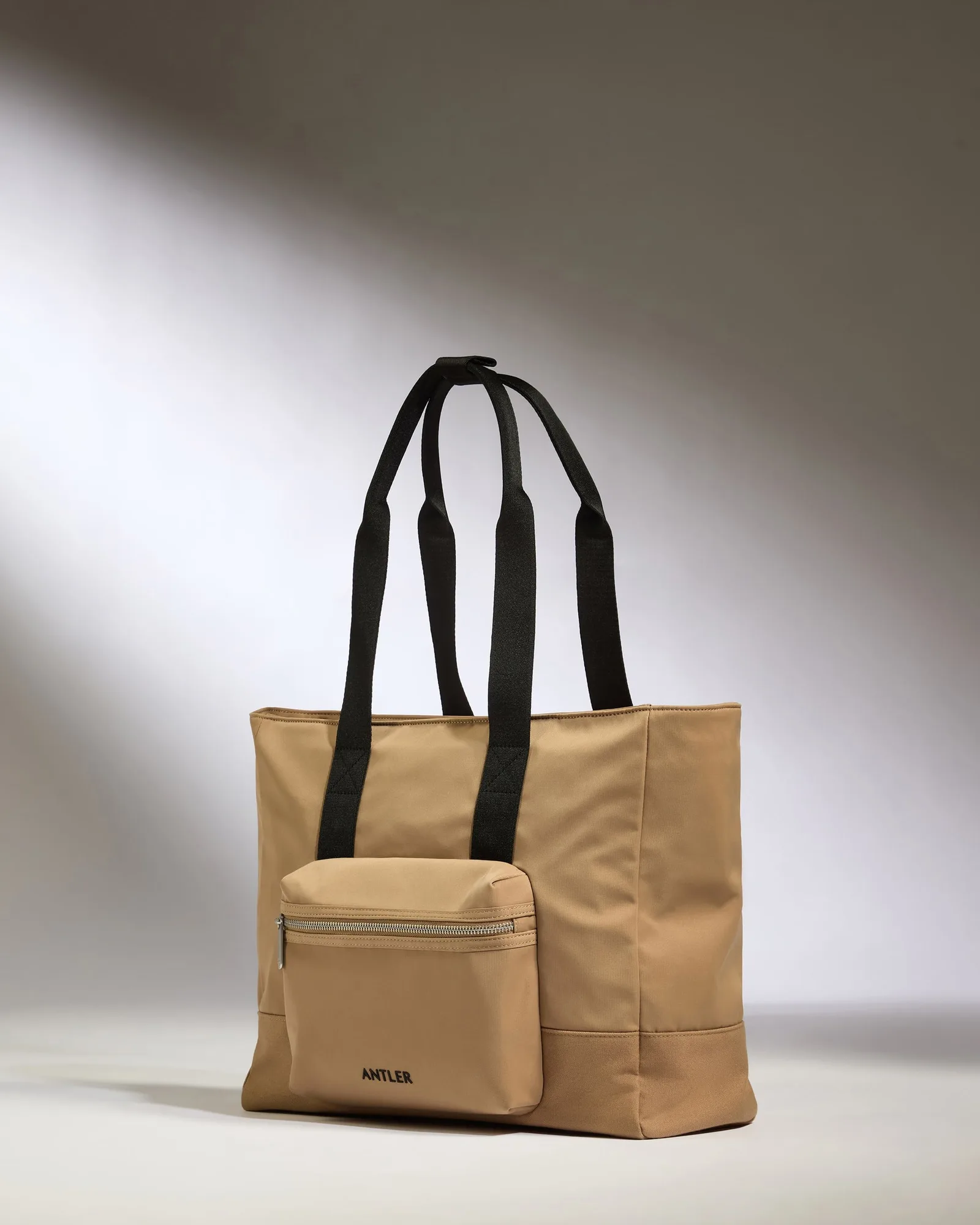
- Icon Tote Bag in Sand: Made from 100% recycled, water-resistant fabric, with secure compartments, a full zip closure, and space for a 14” or 16” laptop. If you use packing cubes in a suitcase, a tote like this can carry the items you want on hand, so you don't have to open your cubes mid-journey.
Packing cubes are a practical tool for order and access, not a capacity booster. If you want to stop digging through a loose pile of clothes, they're worth it. If you're looking to fit a week's wardrobe into a weekend bag, no cube will make that happen. Pack with a plan, use cubes to keep that plan intact, and you'll get the most from them.