Quick answer
For a carry-on, three to four cubes is the sweet spot: one large for clothes, one medium for layers or shoes, and one or two small cubes for underwear, socks, or toiletries. A 5-piece packing cube set usually covers a checked bag or a family trip, not a single carry-on. Buy a set only if you'll use at least three of its sizes regularly; otherwise, single cubes in the sizes you actually pack will serve you better.
Packing cube set sizes are not standardized across brands, which is why two sets labeled "medium" can differ by several inches. What matters is how each cube's footprint fits your bag's interior and how many cubes you can layer without leaving dead space at the top.
This guide answers the questions that come up most often when shoppers compare sets: how many cubes a carry-on really needs, what a 5-piece set holds, and when a single large cube beats a bundle of small ones.
What do the standard packing cube sizes mean?
Most sets break down into four practical size bands. Large cubes, roughly the footprint of a folded shirt stack, hold the bulk of your clothing. Medium cubes fit folded layers, a light jacket, or a pair of shoes. Small cubes handle underwear, socks, and accessories. Slim or rectangular cubes are designed for cables, toiletries, or documents.
Because brands define these bands differently, compare external dimensions rather than names. Measure the flat interior of your suitcase or carry-on, then check whether two medium cubes laid side by side leave room for a large cube on top. If the numbers don't add up on paper, they won't add up in the bag.
- Write down your bag's internal length, width, and depth before shopping.
- Treat "large," "medium," and "small" as relative terms, not fixed measurements.
How many packing cubes do you need for a carry-on?
Three cubes is the minimum that works well for a carry-on: one large for clothing, one medium for a second category, and one small for the odds and ends. Four cubes gives you more flexibility because you can separate clean clothes from dirty ones or split two travelers' items.
More than four cubes in a carry-on usually means each cube is underfilled, and underfilled cubes collapse and shift during transit. If you find yourself needing a fifth cube, you are likely packing for a checked bag rather than a carry-on.
- Three to four cubes: carry-on trips of three to seven days.
- Five or more cubes: checked luggage, longer trips, or multiple people sharing one bag.
What does a 5-piece packing cube set actually hold?
A 5-piece packing cube set typically includes one or two large cubes, one or two mediums, and one or two smalls, sometimes with a slim piece for smaller items. That combination suits a checked bag on a week-long trip or a shared family suitcase where each person gets their own cubes.
The tradeoff is that most travelers use only two or three of the five sizes regularly. Before buying a set, check whether the smallest pieces match what you actually pack. If you never carry loose accessories, a smaller set or individual cubes will waste less space and money.
- Count how many of the five sizes match your typical packing list.
- If you'd use fewer than three, buy singles instead of a set.
Do packing cubes for carry-on bags need to be a specific size?
No single size is required, but cube depth is the detail people overlook. A cube that is too deep will not compress flat when half-full, and it can push against the bag's zipper or laptop sleeve. Shallower cubes layer more predictably in a carry-on's main compartment.
If your carry-on has a clamshell opening, measure one half and treat it as your packing zone. Cubes that fill that half exactly will keep the other side free for shoes, a toiletry bag, or a laptop sleeve.
- Match cube depth to your bag's depth, not just its length and width.
- Leave one side of a clamshell carry-on free for non-cube items.
Should you buy a set or individual cubes?
A set makes sense when you want a consistent system and will use most of the pieces across different trips. Individual cubes make sense when your packing style is consistent and you know exactly which two or three sizes you reach for.
There is also a practical middle ground: start with two cubes in the sizes you use most, travel once, and then decide whether a set fills a real gap. That approach avoids ending up with three unused cubes in a drawer.
- Sets: better value per cube if you'll use most sizes.
- Singles: better fit if your packing list rarely changes.
Packing cube sizing checklist
Measure before you buy
Note your bag's internal length, width, and depth, then compare those numbers against the cube dimensions, not the size names. If two cubes side by side exceed your bag's width, size down.
Match cube count to trip length
Three to four cubes for a carry-on; five or more for checked bags or shared luggage. If a cube is underfilled, you have one cube too many.
Audit the set before committing
List which sizes in a 5-piece set you would use on your next three trips. Fewer than three matches means singles are the better buy.
Products that pair well with a cube system
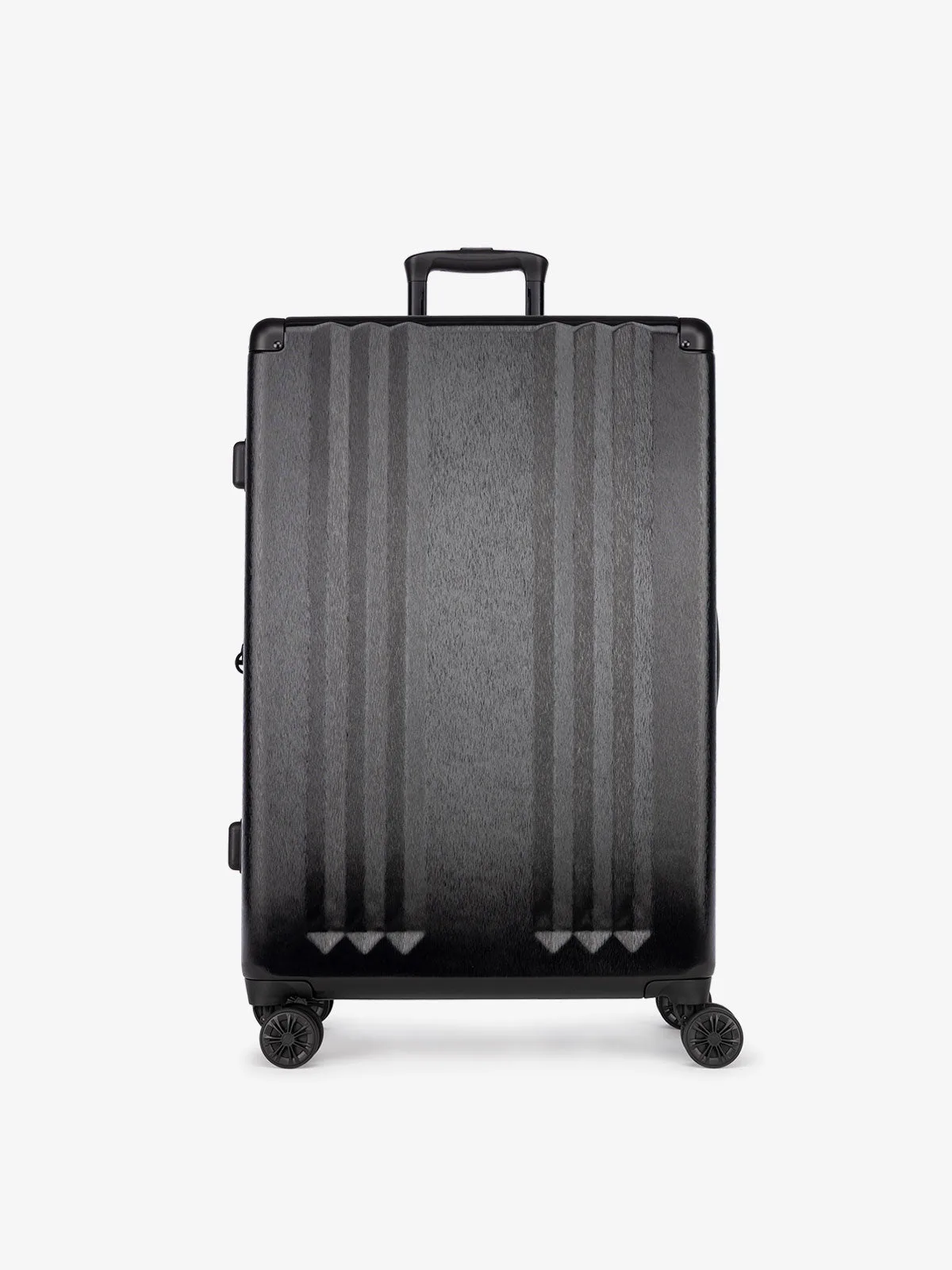
- Ambeur Large Luggage: An expandable design, smooth spinner wheels, and a TSA-approved lock make every trip feel more organized from departure to arrival. Expansion gives a cube system room to breathe on return trips when souvenirs and laundry push past your original packing plan.
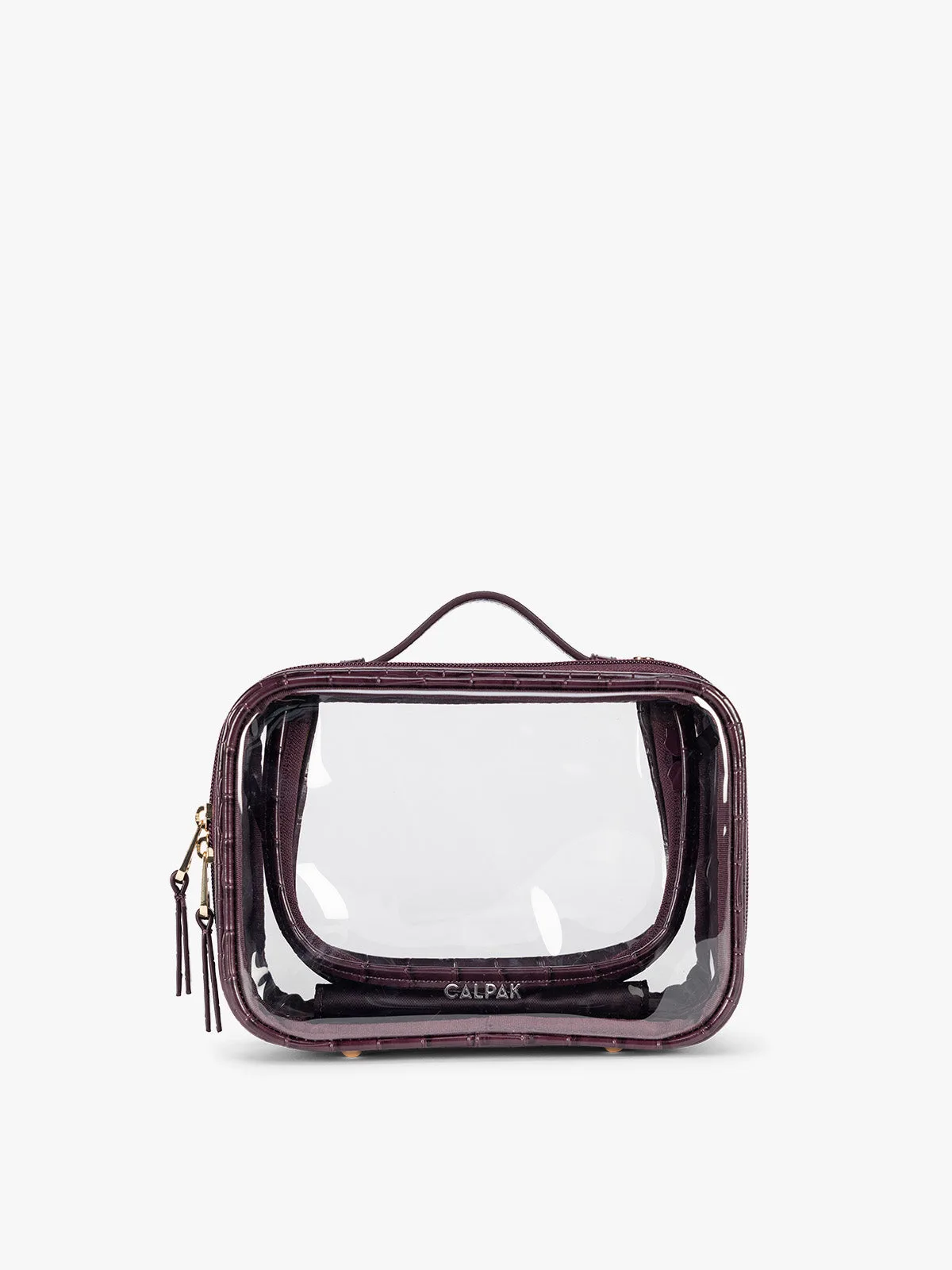
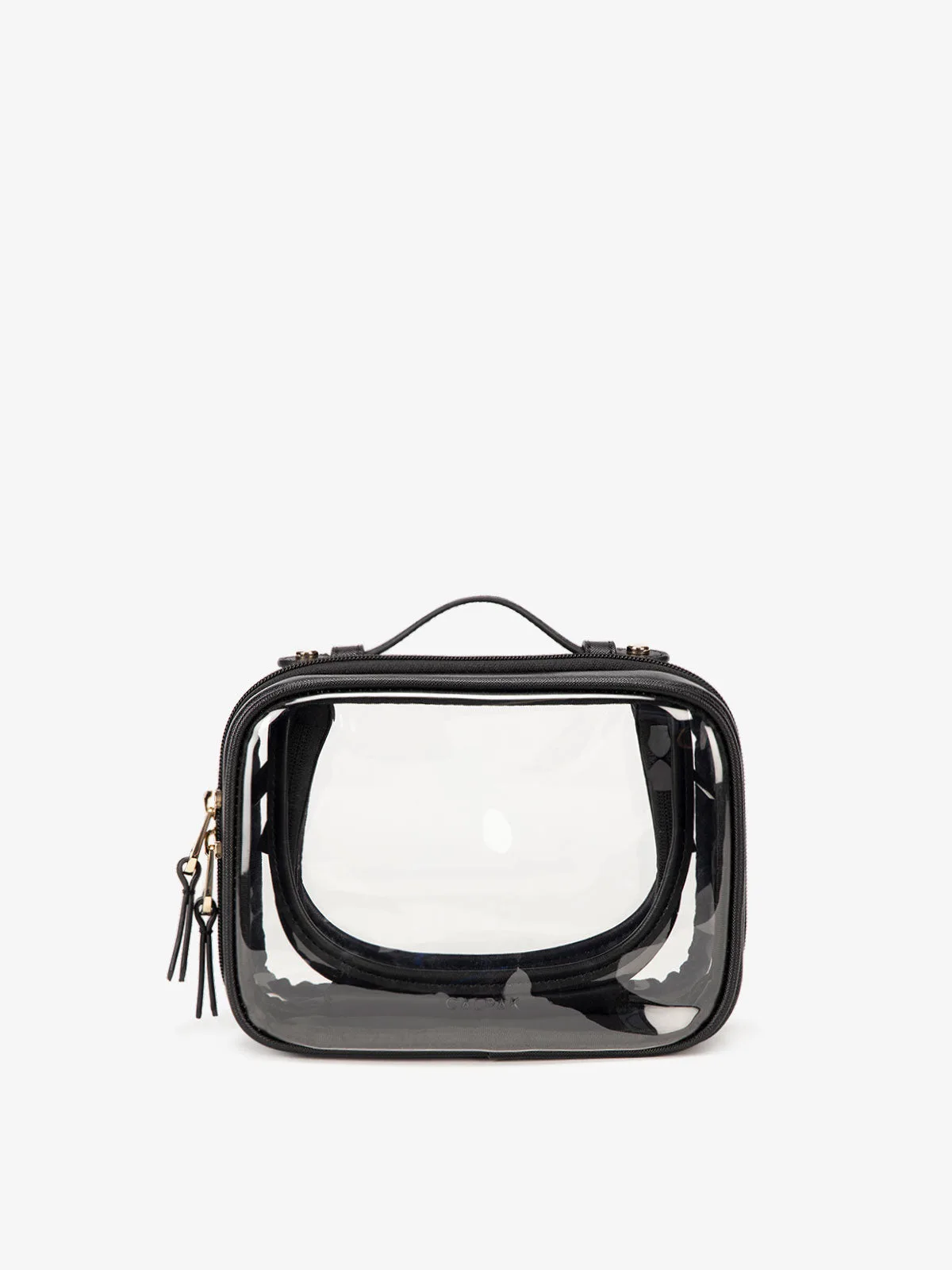
- https://calpaktravelec.com/products/small-clear-cosmetics-case-in-croc-embossed-675e51123116010a1f5c1da7-1494284Small Clear Cosmetics Case in Croc-Embossed: Dual compartments, a water-resistant lining, and a structured shape help keep everything organized, protected, and right where you need it. A structured case keeps toiletries from being crushed by cubes and prevents spills from reaching your clothes.
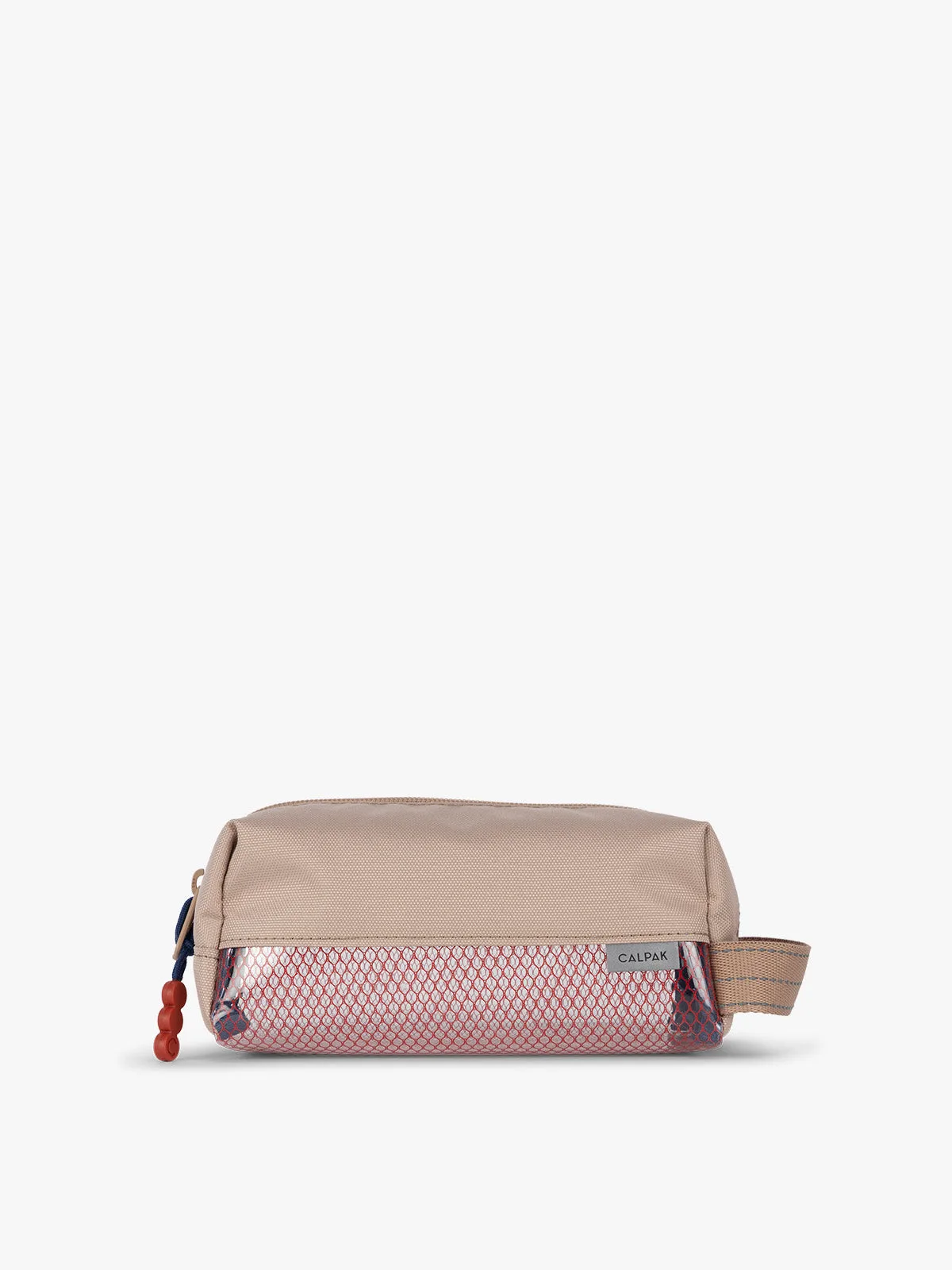
- Kids Pencil Case: Its extra-wide opening, water-resistant materials, and antimicrobial lining help handle everyday messes, while the compact shape slips easily into backpacks without taking up extra space. A small, structured case works as a cable or accessory cube for kids and adults who want one more organizer without adding a full-size cube.
Start with the cubes that match your bag's interior and your actual packing list, then add pieces only when a trip proves you need them. A set is a convenience, not a requirement, and the right number of packing cubes is the number you fill completely every time.