Quick Answer
Rolling clothes saves more raw space because it compresses fabric and eliminates fold gaps, making it the better choice when every inch counts. Packing cubes trade a little space for structure, compression, and instant access, so they win for multi-stop trips and shared bags. For most travelers, the best way to pack a suitcase is a hybrid: roll soft items, cube the small and loose ones.
How Rolling Clothes Saves Space
Rolling compresses fabric into tight cylinders and fills gaps that folded stacks leave behind. It works best with soft, wrinkle-resistant items like t-shirts, leggings, and knitwear. The trade-off is access: once you dig through a rolled layer, the neat arrangement collapses. Rolling clothes vs folding also matters for wrinkles; rolls reduce sharp creases but can stretch knits if you roll too tightly.
- Roll soft, casual items first; they compress the most.
- Use a rubber band or hair tie to keep rolls tight.
- Place rolled items in the deepest part of the main compartment.
- Avoid rolling structured shirts or blazers if you need a crisp finish.
How Packing Cubes Save Space and Sanity
Packing cubes don't magically shrink clothes, but they compress soft items when you use the zipper and keep everything in a fixed footprint. Their real benefit is packing cubes space saving through organization: you can pull one cube out without disturbing the rest, and you can see exactly what you have. Cubes also protect clean clothes from shoes or damp items. The trade-off is weight and bulk; a set of cubes adds a few ounces and some dead space if you don't fill them completely.
- Choose cube sizes that match your bag's main compartment.
- Use compression cubes for bulky items like sweaters.
- Pack cubes vertically like books so you can see each one.
- Leave one cube slightly empty for souvenirs or dirty laundry.
When to Choose Each Method
For a weekend trip with one bag, rolling alone often fits more. For a multi-city trip where you repack daily, cubes keep you from turning your bag inside out. If you share a bag with a partner, cubes create clear zones. If you're carrying a laptop backpack with a dedicated tech compartment, cubes help keep clothing away from cables and chargers. The best travel packing methods depend on your itinerary, not just volume.
Trade-Offs at a Glance
- Space efficiency: Rolling clothes compresses fabric and fills gaps, so it typically fits more into the same bag. Packing cubes add structure but can leave unused corners if not filled completely. Choose rolling when every inch counts.
- Organization and access: Packing cubes keep items grouped and let you pull out one cube without unpacking everything. Rolling turns your bag into a single pile that's harder to search. Choose cubes for multi-stop trips or shared bags.
- Wrinkle control: Rolling reduces sharp creases on soft fabrics but can stretch knits. Cubes let you fold items flat, which may suit structured shirts better. Match the method to the fabric.
Bags That Work With Either Method
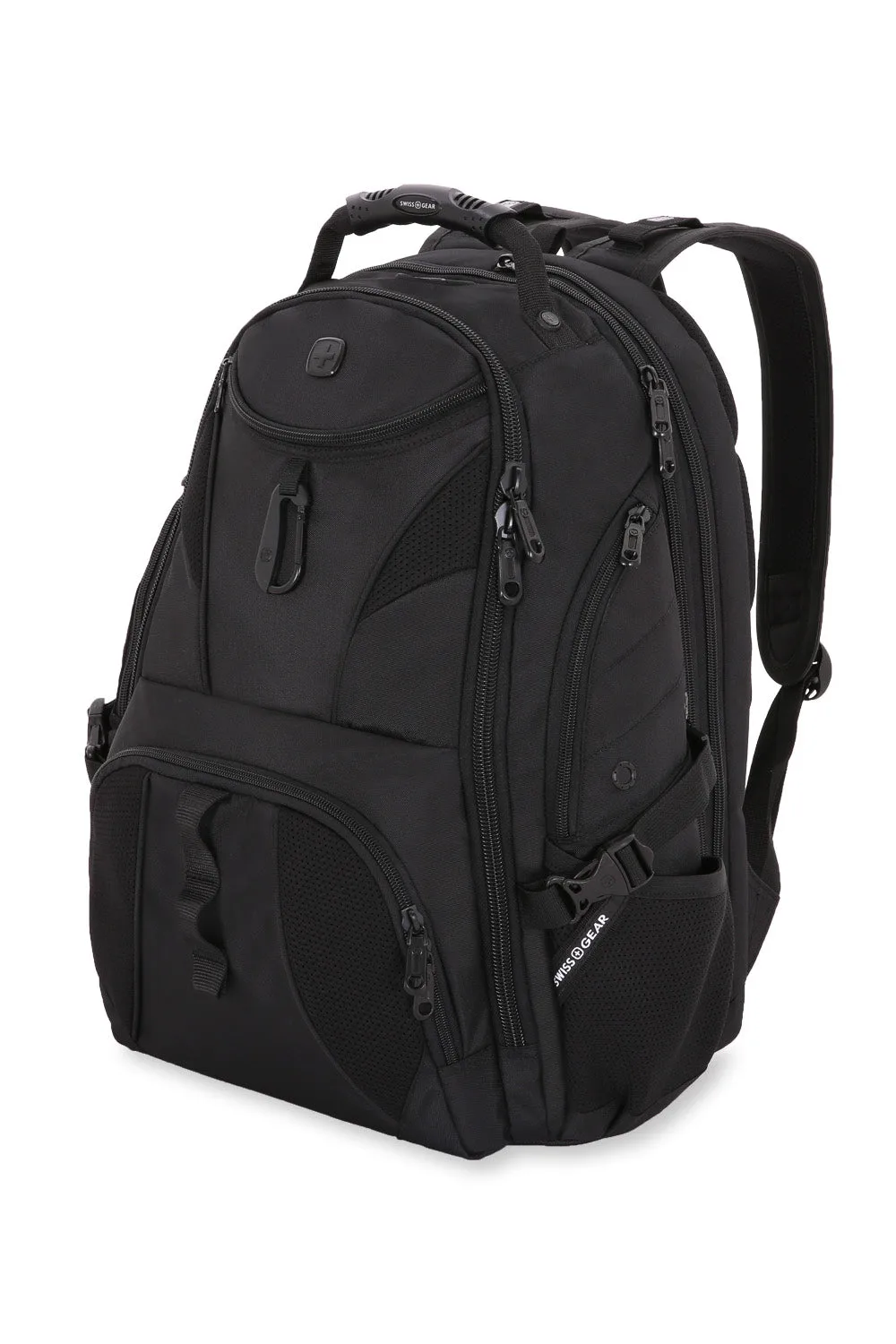
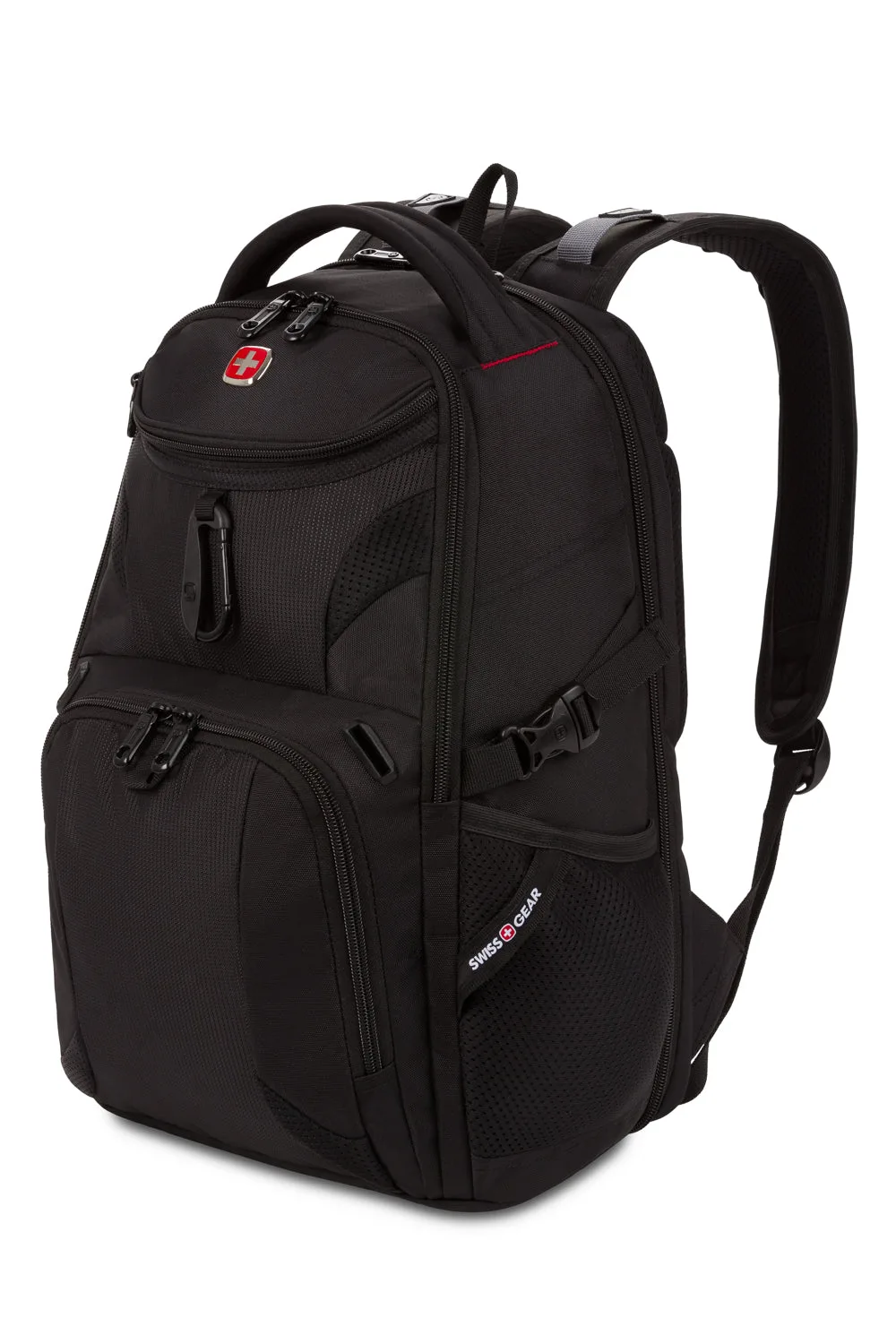
- SWISSGEAR Mini 1900 ScanSmart Laptop Backpack: The SWISSGEAR Mini 1900 ScanSmart Laptop Backpack has a back ScanSmart compartment that fully unzips and lays flat, allowing you to clear TSA without removing your laptop or tablet. A lay-flat tech compartment keeps your laptop separate from packing cubes or rolled clothes, so you can leave the main compartment packed at security.
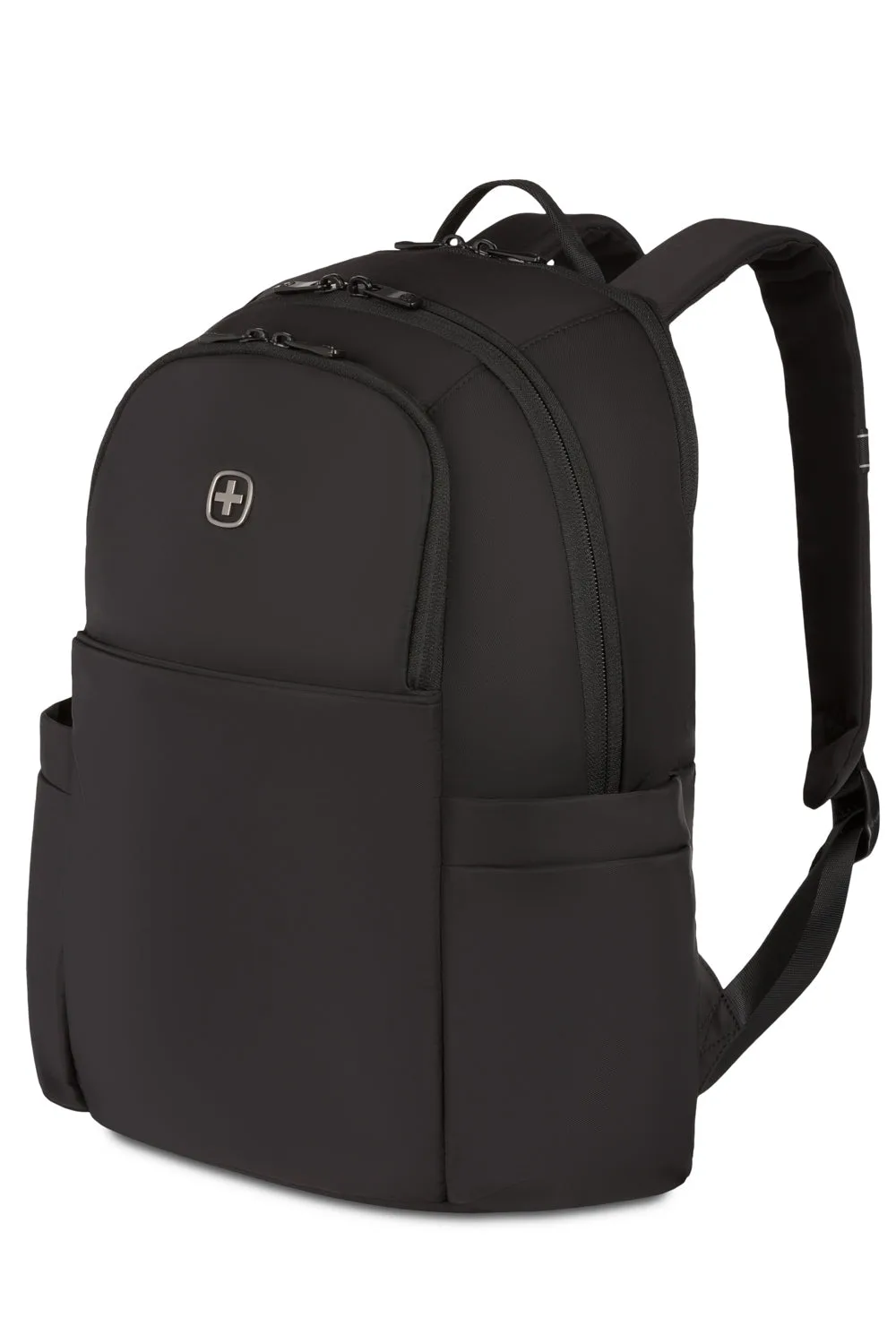
- SWISSGEAR Bloom Laptop Backpack: The SWISSGEAR Bloom Laptop Backpack has a padded laptop compartment with soft velvet lining and a main compartment with dual slip pockets and a zippered accessory pocket. The slip pockets hold small items that would otherwise float loose, making it easier to use packing cubes for the rest of your gear without losing accessories.
- SWISSGEAR 1900 ScanSmart Laptop Backpack: The SWISSGEAR 1900 ScanSmart Laptop Backpack is made from durable 1200D ballistic polyester and has a large opening main compartment with oversize zippers and adjustable side compression straps. The wide opening makes it easier to load packing cubes or rolled clothes, and the compression straps can tighten the bag once it's full.
Which Method Fits Your Trip?
Best for
- Travelers who need to maximize space in a single carry-on
- Trips with mostly soft, casual clothing
- Packing a backpack with a large main compartment
Not for
- Trips where you repack daily and need quick access
- Travelers sharing a bag who need clear separation
- Anyone carrying structured garments that wrinkle easily