Quick answer
Choose a painted canvas when you want the design already mapped in color on the mesh and you're happy to follow it, especially for detailed or hand-painted pieces. Choose a charted canvas when you want more control over color placement, a lower entry cost, or the freedom to swap threads. For most stitchers, painted canvases are the easier start; charted canvases reward patience with flexibility.
Painted needlepoint canvas and charted needlepoint canvas both give you a design to stitch, but they hand you the information in different ways. A painted canvas shows the design in color directly on the mesh, so you stitch what you see. A charted canvas gives you a printed grid or chart to follow, and you place each stitch according to the chart rather than the canvas surface.
That single difference shapes cost, flexibility, and how much thinking you do while stitching. This comparison walks through the trade-offs using real examples from the August Design Works catalog, so you can decide which canvas type fits your next project.
What painted and charted canvases actually are
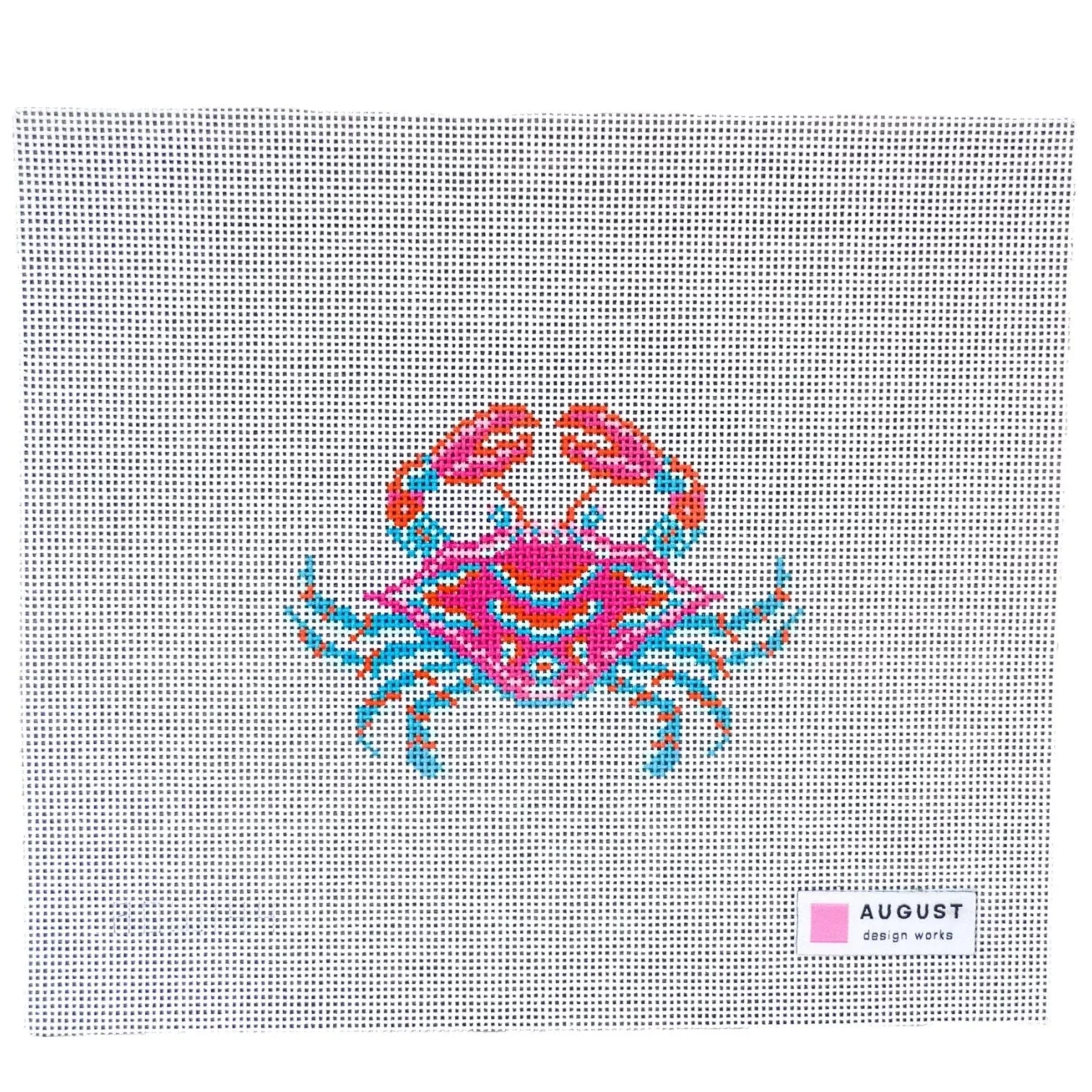
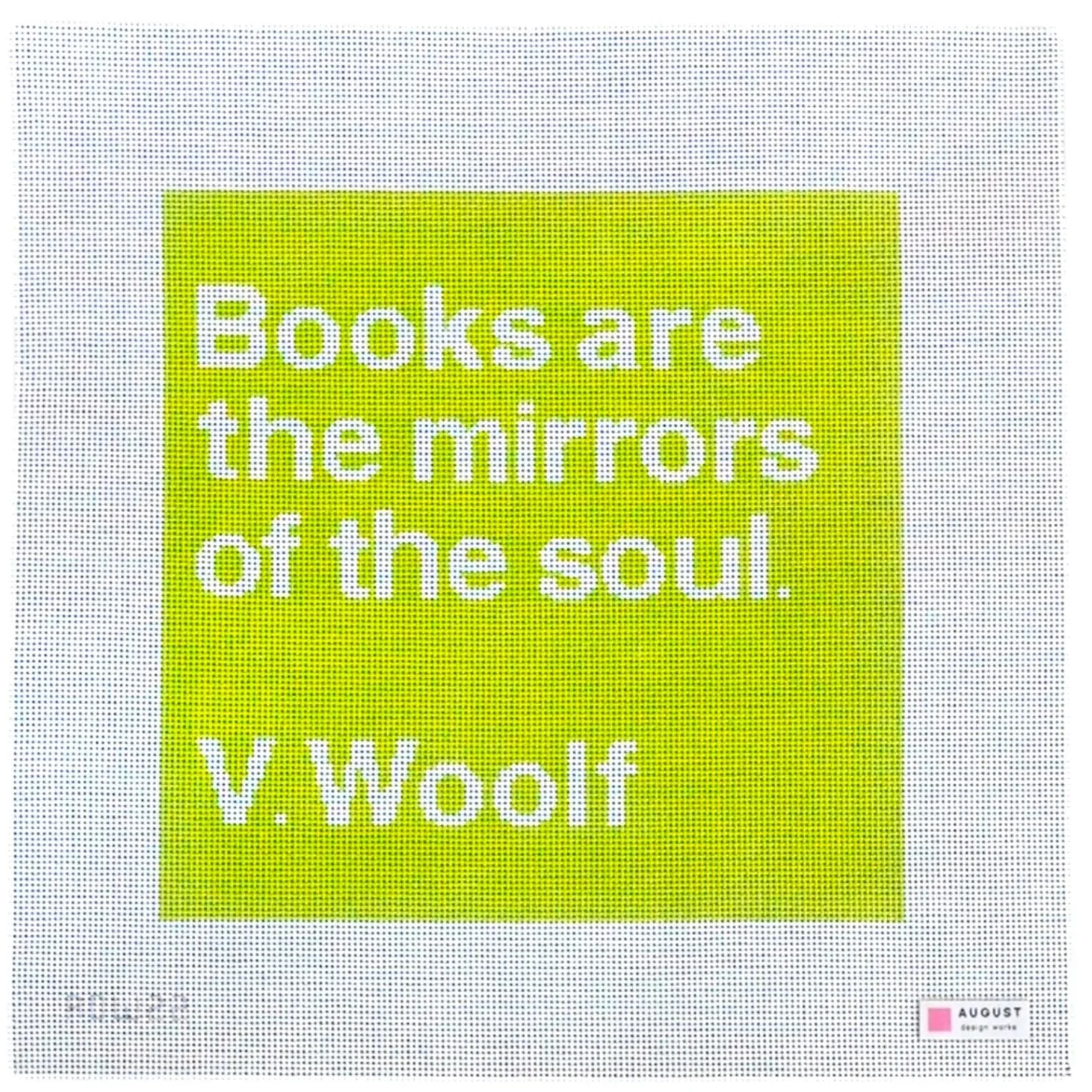
A painted needlepoint canvas has the design hand-painted onto the mesh in color. You can see the intended colors and shapes before you make a single stitch, which makes it easy to pick threads and follow along. In our catalog, hand-painted canvases do not come with thread, so you choose and buy your own. Examples include the Mirrors of the Soul - Library Series - Needlepoint Canvas, which is a 13 mesh canvas with a 10 × 10 design size, and the https://augustdesignwork.com/products/crab-needlepoint-canvas-wholesale-2fa6a3aa7811c82d6d99f042-1481620Crab - Needlepoint Canvas (Wholesale), an 18 mesh canvas with a 4 × 3 design size.
A charted needlepoint canvas, by contrast, gives you a printed chart or grid that tells you where each stitch and color goes. The canvas itself may be blank or lightly marked, and you rely on the chart to build the design. That means more reading and counting as you stitch, but also more freedom to change colors, substitute threads, or adapt the design. The trade-off is upfront effort versus on-canvas guidance.
- If you like to see the finished look before you start, painted is the more visual option.
- If you enjoy planning color and stitch choices, a chart gives you more room to customize.
Cost and what you get for it
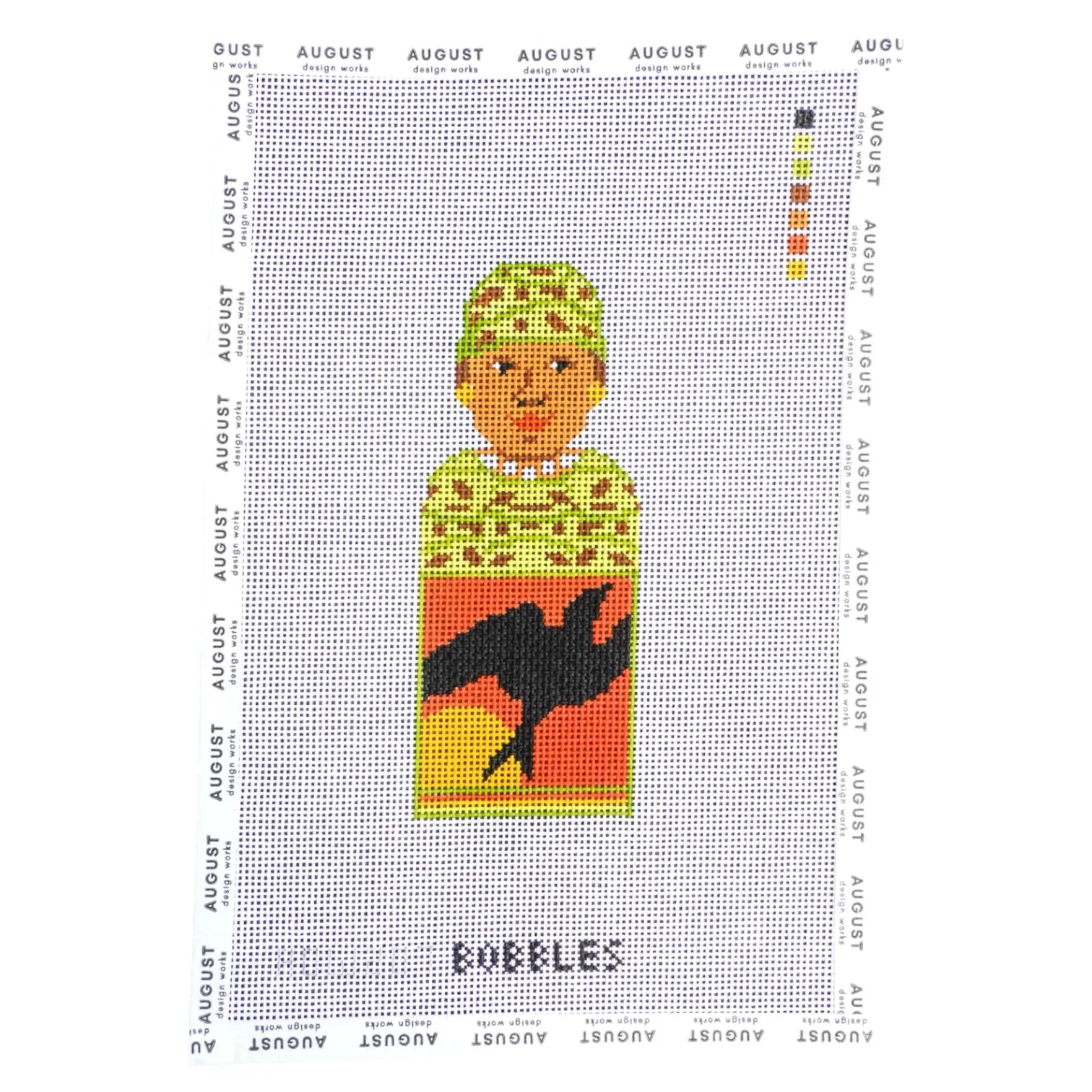
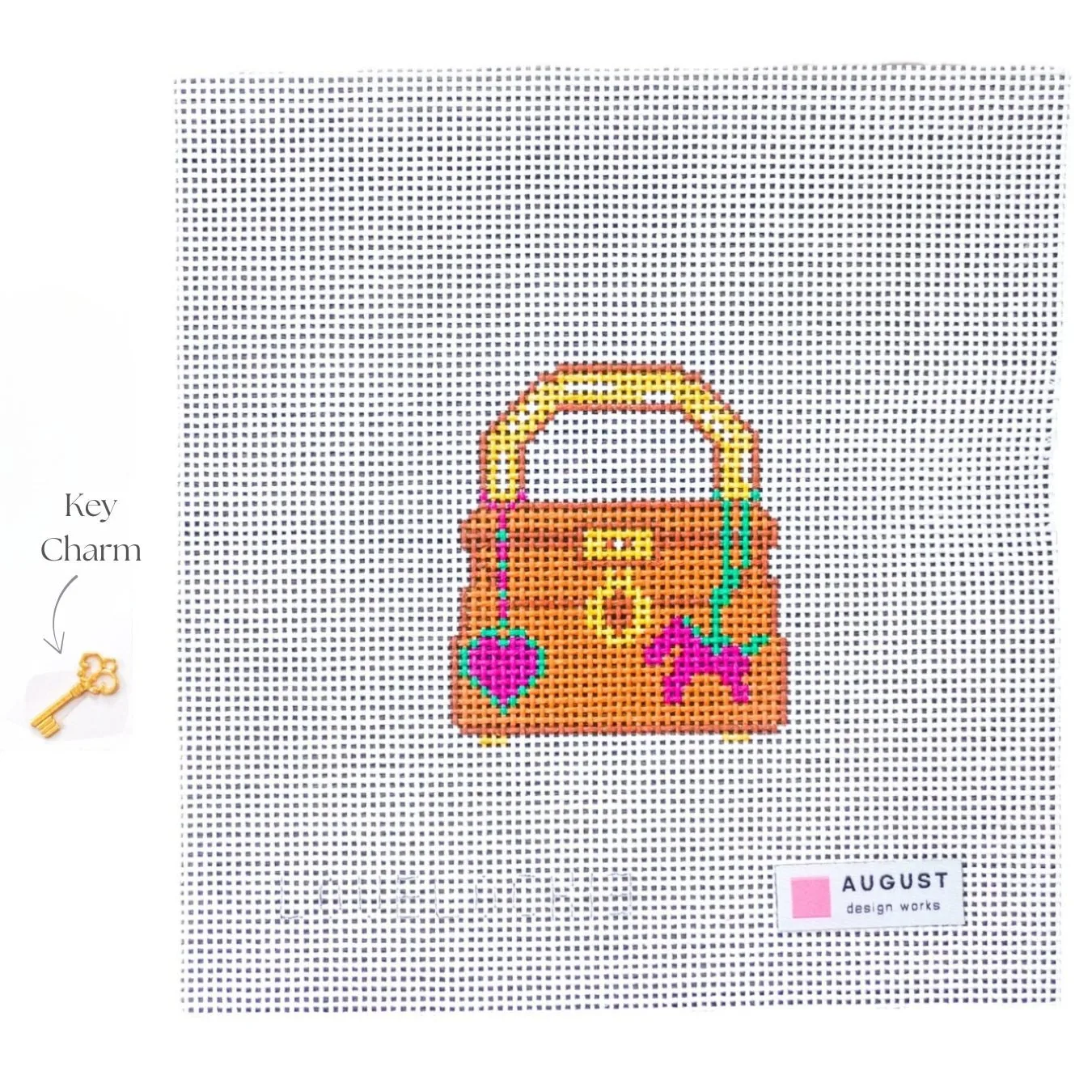
Painted canvases usually cost more than charted ones because of the hand-painting work involved. In our catalog, the Mirrors of the Soul - Library Series - Needlepoint Canvas is listed at USD 58.00, and the Bag Charm Love Lock - Needlepoint Canvas + Key Charm is USD 19.50. The NDLPT Queen Bobble - Needlepoint Canvas (Wholesale) and the Maya Angelou Bobble - Needlepoint Canvas (Wholesale) are both USD 37.50. These are catalog prices, and they reflect the painted design plus, in some cases, a key charm.
Charted canvases typically cost less because you are paying for the canvas and the chart rather than a hand-painted surface. That lower entry price can make charted designs attractive for practice pieces or for projects where you plan to use threads you already own. The trade-off is that you supply more of the design work yourself, and the final look depends on how carefully you follow the chart.
- Painted canvases bundle the design into the canvas, so the price includes that labor.
- Charted canvases let you start for less, but you may spend more time planning colors and stitches.
Skill level and stitching experience
Painted canvases are generally friendlier for beginners because the color and placement are already decided. You still need to choose threads and stitches, but you are not translating a chart into stitches on the fly. The Mirrors of the Soul canvas, for example, is a 13 mesh canvas with a 10 × 10 design size, and 13 mesh is often easier to see and stitch than finer counts. The Crab canvas is 18 mesh with a 4 × 3 design size, which suits stitchers who are comfortable working on a finer mesh.
Charted canvases ask more of you. You read the chart, count stitches, and keep your place, which can be slower and more demanding. For some stitchers that is the appeal: the chart gives you a puzzle to solve and a design to build stitch by stitch. If you are new to needlepoint, a painted canvas usually gets you stitching faster; if you already know your way around a chart, the extra control can be worth it.
- Beginners often finish painted canvases with less frustration.
- Experienced stitchers may prefer charts for the control and the lower cost.
Flexibility, customization, and thread choice
Because painted canvases show the intended colors, they can nudge you toward a specific palette. You can still swap threads, but you are working against a visual guide. That is helpful when you want to match the designer's intent, and less helpful when you want to change everything. The Bobbles Series canvases, such as the O'Keeffe Bobble - Needlepoint Canvas, are hand-painted and designed to be stitched, displayed, and collected, so the painted surface is part of the appeal.
Charted canvases are more open-ended. You can change colors, use up stash threads, or adapt the design without fighting a painted surface. The trade-off is that you take on more decision-making, and the result depends on your choices. If you like to experiment, a chart is more forgiving; if you want a guided result, painted is the safer path.
- Painted canvases keep you close to the designer's color plan.
- Charted canvases make it easier to substitute threads and change the palette.
Project size, mesh count, and finishing
Mesh count matters for both types. A 13 mesh canvas has larger holes and is often easier to see, while an 18 mesh canvas is finer and shows more detail. In our catalog, the Mirrors of the Soul canvas is 13 mesh with a 10 × 10 design size, and the Crab canvas is 18 mesh with a 4 × 3 design size. Smaller designs on finer mesh can be quicker to finish but harder to read, while larger designs on 13 mesh are easier on the eyes but take longer.
Finishing also differs by project type. The Bag Charm Love Lock - Needlepoint Canvas + Key Charm is designed as a bag charm and comes with a key charm, so it is a small, giftable project. The Library Series and Bobbles canvases are larger display pieces. When you compare painted versus charted, think about whether you want a quick charm-sized project or a longer display piece, because that often decides the canvas type for you.
- Match mesh count to your eyesight and comfort, not just the design.
- Small charm projects can be a low-commitment way to try a new canvas type.
Trade-offs at a glance
- Guidance vs. control: Painted canvas gives you the design in color on the mesh, so you follow what you see. Charted canvas gives you a grid to follow, so you decide more of the color and stitch placement. Pick painted for guidance, charted for control.
- Upfront cost vs. total cost: Painted canvases carry a higher catalog price because of the hand-painting. Charted canvases often cost less upfront, but you may spend more on threads and planning time. Compare the full project cost, not just the canvas price.
- Speed vs. flexibility: Painted canvases tend to stitch faster because the decisions are made for you. Charted canvases are slower but let you swap colors and adapt the design. Choose based on whether you want speed or room to customize.
Catalog examples that show the difference
- Mirrors of the Soul - Library Series - Needlepoint Canvas: 14 × 14 canvas size, 10 × 10 design size, 13 mesh, hand-painted, does not come with thread, and features a quote by Virginia Woolf. A painted 13 mesh canvas with a clear design size is a good fit if you want to see the design in color and work on a more forgiving mesh.
- NDLPT Queen Bobble - Needlepoint Canvas (Wholesale): Hand-painted needlepoint canvas from the Bobbles Series, designed to be stitched, displayed, and collected; catalog price USD 37.50. Shows how a painted canvas can be a collectible display piece, which matters if you want the finished work to look like the designer intended.
- Crab - Needlepoint Canvas (Wholesale): 8 × 7 canvas size, 4 × 3 design size, 18 mesh, hand-painted, may vary, and does not come with thread. A small 18 mesh painted canvas is a good test project if you are curious about finer mesh before committing to a larger painted design.
- Bag Charm Love Lock - Needlepoint Canvas + Key Charm: Inspired by the tradition of fastening a lock to a bridge; comes as a needlepoint canvas plus key charm; catalog price USD 19.50. A lower-cost painted canvas with a key charm is an easy way to try painted needlepoint on a small, giftable scale.
Which canvas type fits you?
Best for
- Stitchers who want the design already mapped in color and prefer to follow the canvas
- Beginners who want to start stitching without translating a chart
- Gift and display projects where matching the designer's intent matters
Not for
- Stitchers who want to change colors freely or use up stash threads without a painted guide
- Budget-focused projects where a lower upfront canvas cost is the priority
- Stitchers who enjoy reading charts and planning each stitch
There is no single right answer, only the canvas that matches how you like to stitch. If you want guidance and a clear visual target, start with a painted canvas like the Mirrors of the Soul - Library Series - Needlepoint Canvas or the Bag Charm Love Lock - Needlepoint Canvas + Key Charm. If you want control and flexibility, a charted canvas will serve you better. Pick the trade-off you are happiest living with, and the project will be more enjoyable from the first stitch.