Quick answer
Paint the Citizens of Rome miniatures from Wargames Atlantic by focusing on earthy tones for tunics, subtle skin variations, and quick washes for depth. This guide covers the steps for a historically grounded look for your ancient Rome wargames table.
Why paint Roman civilians?
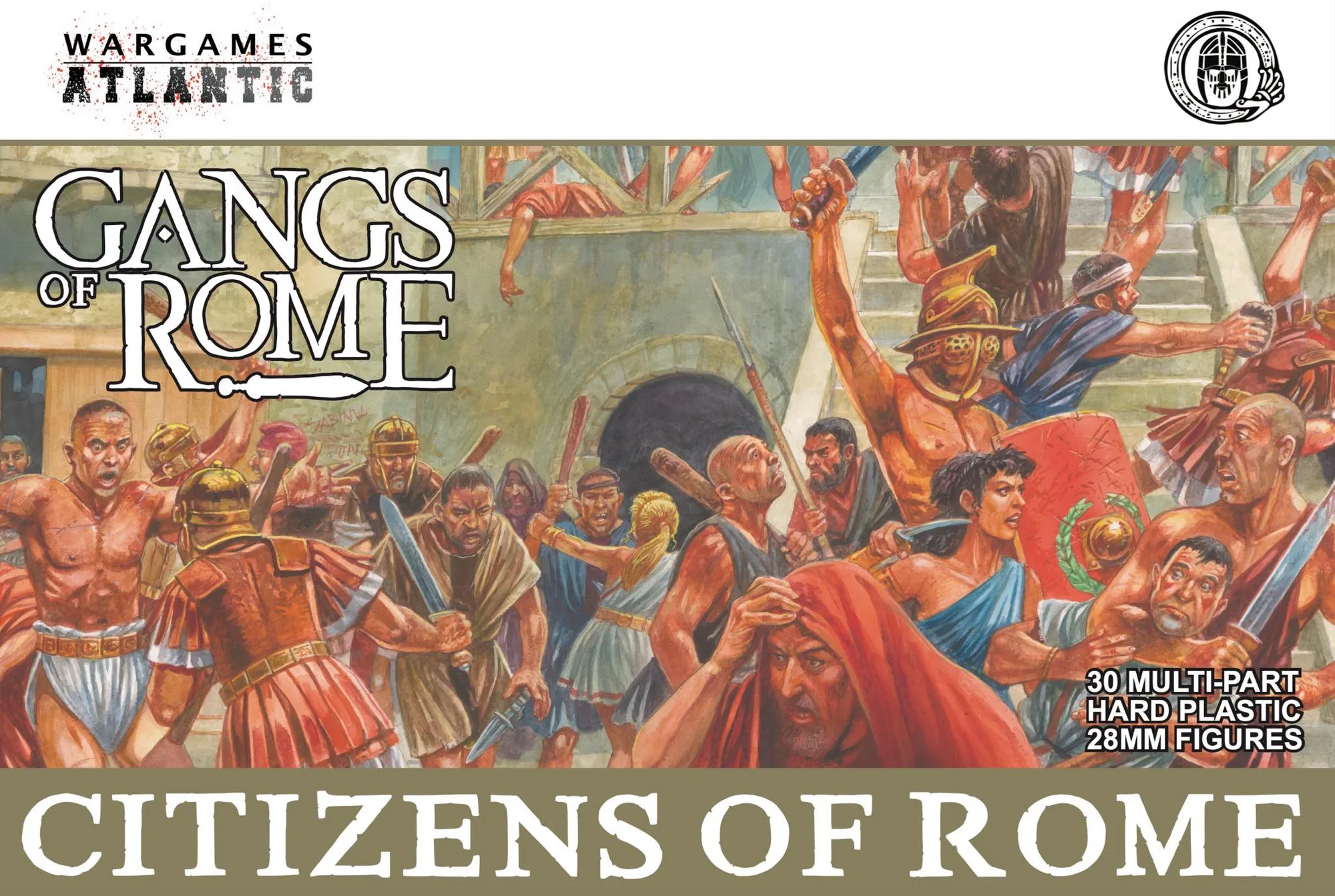
The Citizens of Rome set from Wargames Atlantic captures the gritty underbelly of ancient Rome, where gangs and political enforcers thrived. Painting these figures adds narrative depth to historical wargames, letting you represent the crowds, victims, or conspirators that make your battles feel alive.
Choosing a palette
Roman civilians wore undyed wool or simple earth-toned linen in shades of brown, gray, off-white, and muted red. Avoid bright colors—those were reserved for the wealthy. Focus on a limited palette of 4–5 colors for speed and consistency across a mob of miniatures.
Step-by-step painting guide
- Clean and prime the miniatures: Remove mold lines with a hobby knife and file. Wash the resin or metal miniatures in warm soapy water, rinse, and let dry. Apply a thin coat of matte black or dark gray spray primer. A common mistake: skipping the wash leaves mold-release residue that prevents paint adhesion. Check for flash on the base and under the tunic—these are often missed.
- Basecoat the skin and tunics: Paint all exposed skin with a pale flesh tone (e.g., Vallejo Game Color Flesh or Citadel Elf Flesh). For the tunics, use two or three earthy colors such as Khaki, German Field Grey, and Flat Brown. Apply two thin coats. Common mistake: applying thick paint obscures detail on the face and hands. Thin your paint with water until it has the consistency of skim milk.
- Add a wash for depth: Mix a dark brown or black wash (1 part paint to 10 parts water) and apply it generously over the tunic and skin. Let it pool in the folds and recesses. After 30 seconds, wick away the excess with a clean brush. Common mistake: leaving the wash too long stains the raised areas and ruins the highlight effect. Work on one miniature at a time to control the drying time.
- Highlight the raised areas: Drybrush the original base color mixed with a little ivory or bone over the tunic folds, knuckles, and facial features. Use a stiff, worn brush with almost no paint. Common mistake: over-drybrushing makes the miniature look dusty rather than naturally lit. Test the brush on your thumbnail first—if it leaves a solid line, wipe off more paint.
- Paint the accessories and base: Paint belts, pouches, weapons, and any metal items (if present) with dark steel or bronze. For leather, use a dark brown with a slight red tint. Finish the base with a textured earth color (e.g., Stirland Mud) and drybrush it with a lighter tan. Common mistake: painting the base a bright green or grey that clashes with your wargaming board. Match the base color to your game mat or terrain for a seamless tabletop look.
- Seal and apply a matte varnish: Once the paint is fully dry (at least 24 hours), spray or brush on a matte acrylic varnish to protect the paint from handling and dice rolls. Common mistake: using gloss varnish makes the miniatures look plastic and shiny, ruining the historical feel. If you must use a brush-on varnish, thin it slightly and apply two thin coats.
Product facts
-
Citizens of Rome: The set includes miniatures of hardened men who served as the muscle of political factions, enforcers, and protectors. These are not generic peasants—they are armed or tough-looking civilians, so paint them with a weathered, rough appearance that matches their role in ancient Rome's violent streets.
Citizens of Rome