Quick answer
To paint a Native Chief miniature realistically, start with a mid-tone base like Olive Brown, then layer highlights and shadows for depth. Use thin acrylics and build up gradually. This method works for both brush and airbrush, and is ideal for historical figures.
Prepare the miniature and choose your palette
Before painting, clean the miniature of mold lines and assemble it. Prime with a neutral gray or white-1-a190166d490a29fe8213b012-1816307">white-2c58a54a96968356c7438d99-1815651">white to ensure paint adhesion. For skin-tones-ca84b14f0103c32ac030d147-1815629">skin tones, select a range of earth tones: Olive Brown as a base, plus lighter and darker shades for highlights and shadows. Olive Brown acrylic paint is creamy and matte, suitable for brush and airbrush, and its opacity allows for glazes.
Apply the base coat with Olive Brown
Thin Olive Brown paint with a little water or medium to a milk-like consistency. Apply an even coat over all skin areas, avoiding pooling in recesses. Let it dry completely. This base coat establishes the mid-tone. If using an airbrush, spray at low pressure for smooth coverage.
Build shadows and highlights
Mix a darker brown or add a touch of black to Olive Brown for shadows. Apply to recesses like under the cheekbones, neck, and folds of clothing. For highlights, mix Olive Brown with a lighter flesh tone or a pale yellow. Apply to raised areas: nose, brow, knuckles. Blend transitions with a clean, damp brush. Work in thin layers to avoid chalkiness.
Add details and finishing touches
Paint the eyes, hair, and accessories with appropriate colors. For a Native Chief, use earthy reds, ochres, and turquoise for beads or feathers. Seal with a matte varnish to protect the paint. If you used the READY PAINTER ONE set, its high-coverage inks can be used for fine details like tattoos or warpaint.
Step-by-step painting process
- Clean and prime: Remove mold lines and prime the miniature with a neutral primer. Checkpoint: Ensure a smooth, even base for paint adhesion.
- Base coat with Olive Brown: Thin Olive Brown and apply an even coat over skin areas. Mistake to avoid: Applying too thick, which obscures detail.
- Layer shadows and highlights: Use darker and lighter mixes to build volume, blending with a damp brush. Checkpoint: Work in thin layers to maintain smooth transitions.
- Detail and varnish: Paint eyes, hair, and accessories, then seal with matte varnish. Mistake to avoid: Skipping varnish, which leaves paint vulnerable to handling.
Products used in this guide
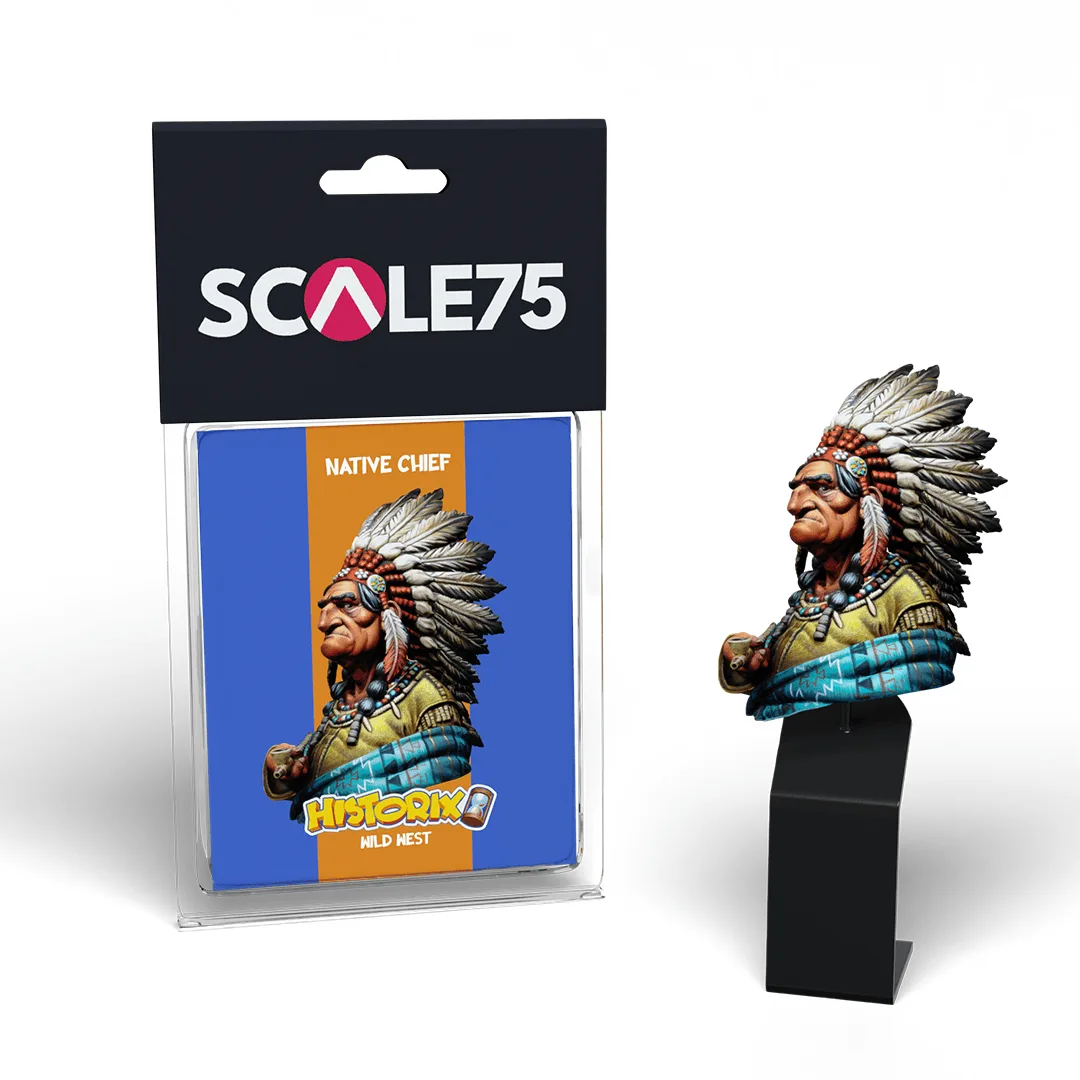
- NATIVE CHIEF: Unpainted miniature from SCALE75, part of the Historic and Wild West series, representing a Native Chief. Provides a detailed canvas for practicing skin tones and historical painting techniques.
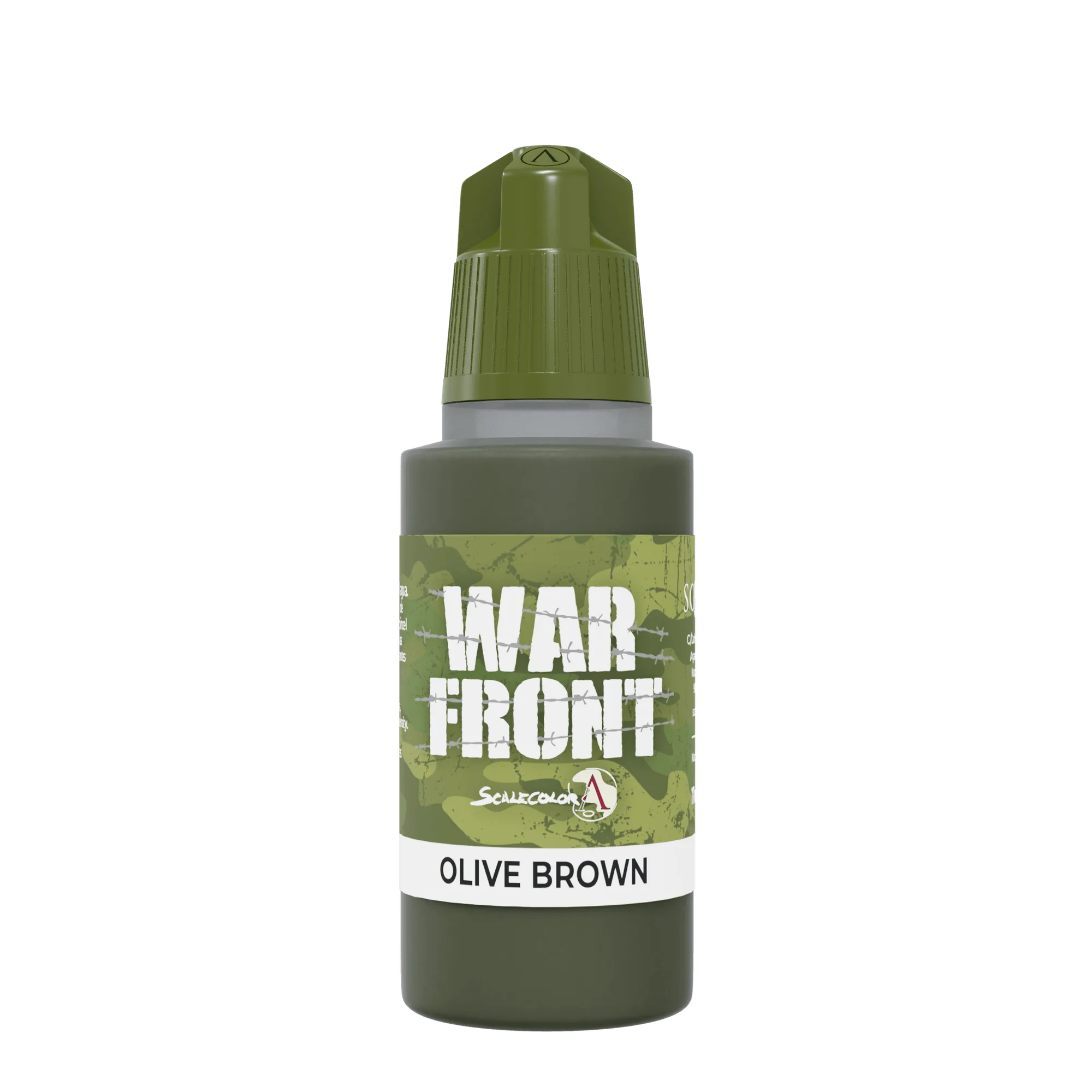
- OLIVE BROWN: Warfront acrylic paint in Olive Brown, 17ml, matte finish, suitable for brush and airbrush. Offers a creamy, opaque base for skin tones and glazes, ideal for historical figures.
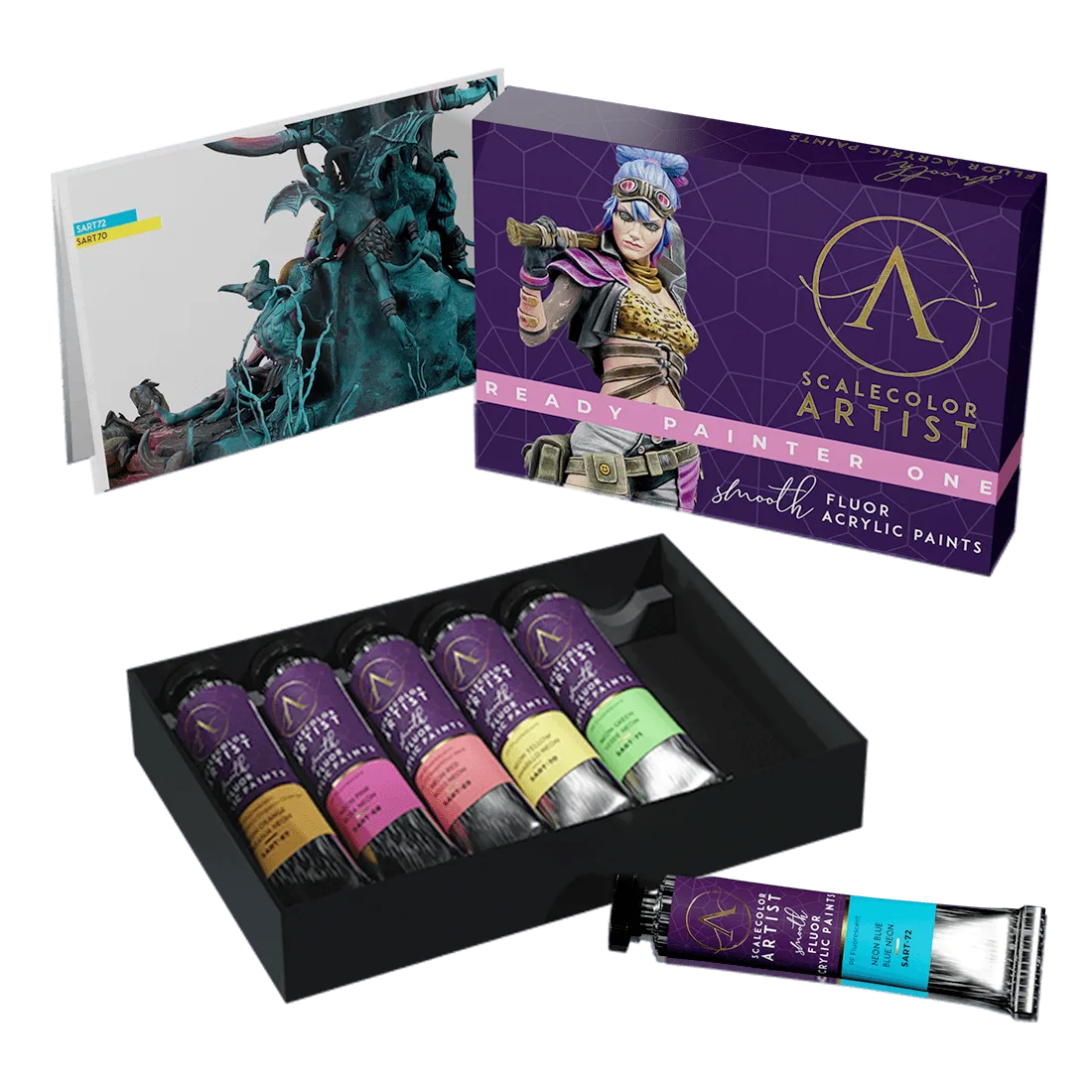
- READY PAINTER ONE: READY PAINTER ONE set of premium acrylic paints and high-coverage inks, recommended for novice and professional painters. Supplies a versatile range for details and highlights, with pigments that work well for fine work.