Quick answer
Choose cotton or linen if you sleep warm and want breathable, low-fuss pajamas. Choose silk if you want temperature-responsive smoothness and are willing to hand wash. Choose a blend if you want easier care with a softer hand feel. Match the fabric to your sleep temperature and laundry habits first, then to style.
Most people buy pajamas by look, then wonder why they wake up clammy or why a favorite set pills after a month. The fabric decides how the garment handles heat, moisture and washing far more than the cut does.
This guide breaks down the common sleepwear fabrics by how they feel, how they wear and how much effort they demand. Use the decision rules to match a fabric to your body and routine, not to a trend.
What actually matters in sleepwear fabric
Three properties drive how a pajama fabric performs overnight: breathability, moisture handling and structure. Breathable pajamas let heat escape so you do not overheat. Moisture handling decides whether fabric feels dry or damp against skin. Structure decides whether the garment drapes softly or holds a shape.
Weight matters as much as fiber. A lightweight cotton voile breathes very differently from a heavy cotton flannel, even though both are cotton. When you compare pajama materials, compare the specific weave and weight, not just the fiber name on the label.
- Sleep hot or in a warm room: prioritize breathability and light weight.
- Sleep cold: prioritize a slightly heavier weave or a silk that traps a little warmth.
- Sensitive skin: prioritize smooth, low-friction surfaces and avoid rough trims.
Cotton vs silk pajamas: the honest trade-off
Cotton is the default for good reason. It is breathable, durable, machine washable and forgiving of body temperature swings. The trade-off is that standard cotton can feel a little dry or crisp at first and may wrinkle, especially in lighter weaves. It also absorbs moisture, which keeps skin drier but means the fabric itself holds dampness until it dries.
Silk behaves differently. It feels smooth and temperature-responsive, warming quickly against skin and cooling when you move. Silk is generally more delicate: it needs gentler washing, dislikes harsh detergent and can snag. If you want the least effort, cotton wins. If you want the least friction against skin, silk wins.
- Cotton: machine washable, durable, good for most sleepers.
- Silk: smooth and temperature-responsive, but hand wash and store carefully.
- Blends: often split the difference, but check the actual fiber percentages.
Linen, modal and blends in practice
Linen is highly breathable and dries fast, which suits hot sleepers and humid climates. It creases readily and feels textured at first, softening with wear. Modal and similar semi-synthetics feel smooth and drape well, but their breathability depends on the blend ratio, so read the label rather than assuming.
Synthetic-heavy fabrics can trap heat and hold odor, which is why they are rarely the best fabric for pajamas if you sleep warm. If a blend is mostly natural fiber with a small amount of stretch, it can be a practical middle ground for fit and recovery.
- Hot, humid sleepers: linen or lightweight cotton.
- Cold sleepers: brushed cotton or silk.
- Mixed preferences: a natural-fiber-dominant blend with a little stretch.
How fabric changes fit and feel
Fabric decides how a pajama set moves with you. Bias-cut silk skims and drapes with fluid movement, which feels elegant but offers less structure. Stretch silk charmeuse holds shape slightly better and supports a closer fit. Crochet and lace constructions add texture and ornamentation but are less forgiving if you want a smooth line.
This is where fit guidance and fabric choice meet: if you want a relaxed, easy fit, choose a fabric with some natural give or a looser cut. If you want a closer, more sculpted line, choose a fabric with a bit of stretch or a structured weave, and size accordingly.
- Want a relaxed fit: choose cotton, linen or a loose cut.
- Want a closer fit: choose stretch silk or a structured weave.
- Want texture: crochet, lace or embellished constructions, accepting less stretch.
Decision rules for choosing pajama fabric
- If you sleep hot: Choose lightweight cotton, linen or a breathable natural-fiber blend. Avoid heavy synthetics and dense weaves. Prioritize breathable pajamas over shine or drape.
- If you sleep cold: Choose brushed cotton, a slightly heavier weave or silk, which warms quickly against skin. Weight matters more than fiber name here.
- If you want low-maintenance care: Choose cotton or a machine-washable blend. Silk needs gentler washing and careful storage. Match the fabric to the laundry routine you will actually keep.
- If you want a smooth, close fit: Choose stretch silk or a structured weave. Bias-cut silk drapes beautifully but offers less stretch. Check the cut and fiber before sizing down.
- If you want texture and detail: Choose lace, crochet or embroidered constructions, accepting that they stretch less and need more care. Treat embellished pieces as delicate, not everyday beaters.
How real sleepwear pieces show fabric in action
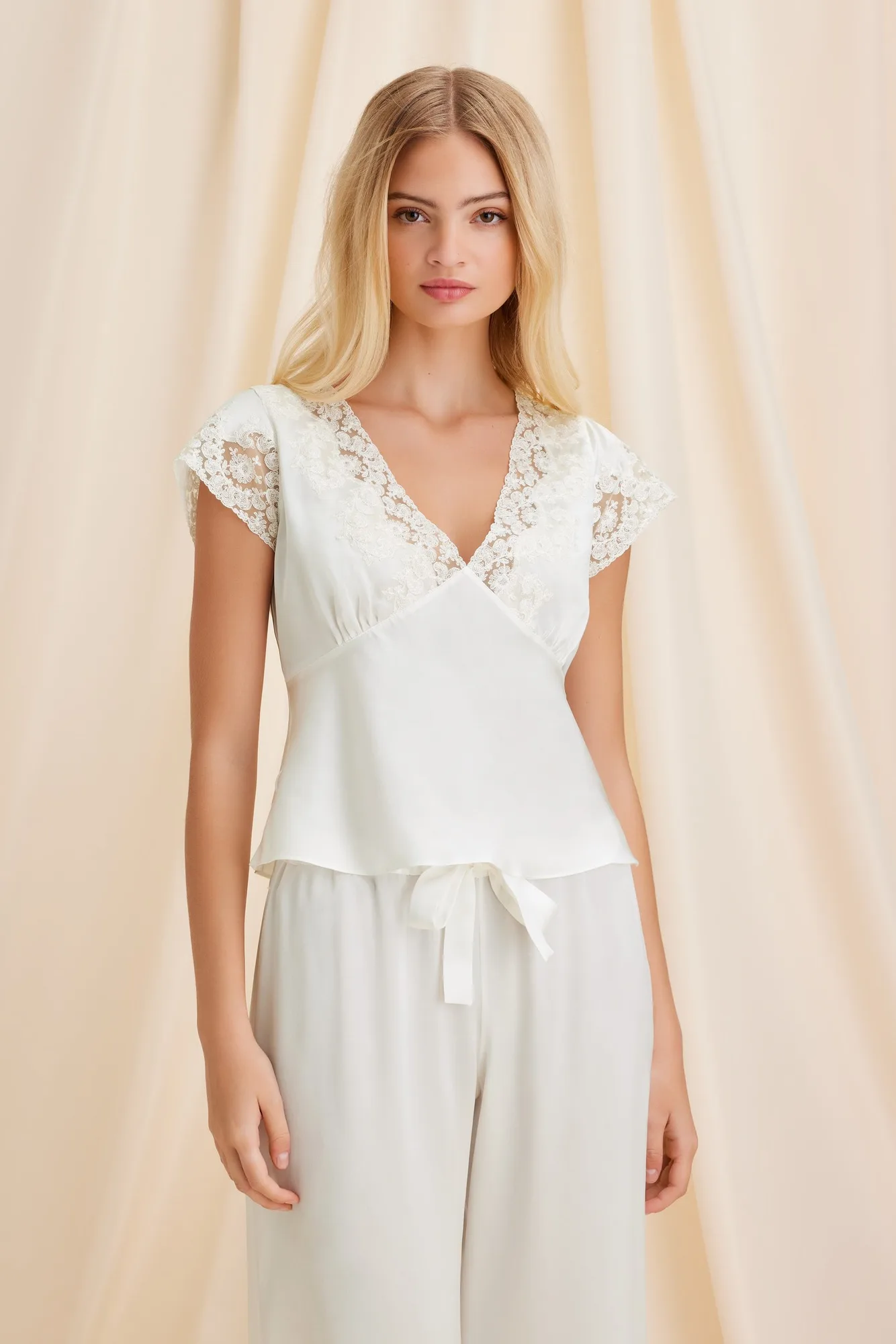
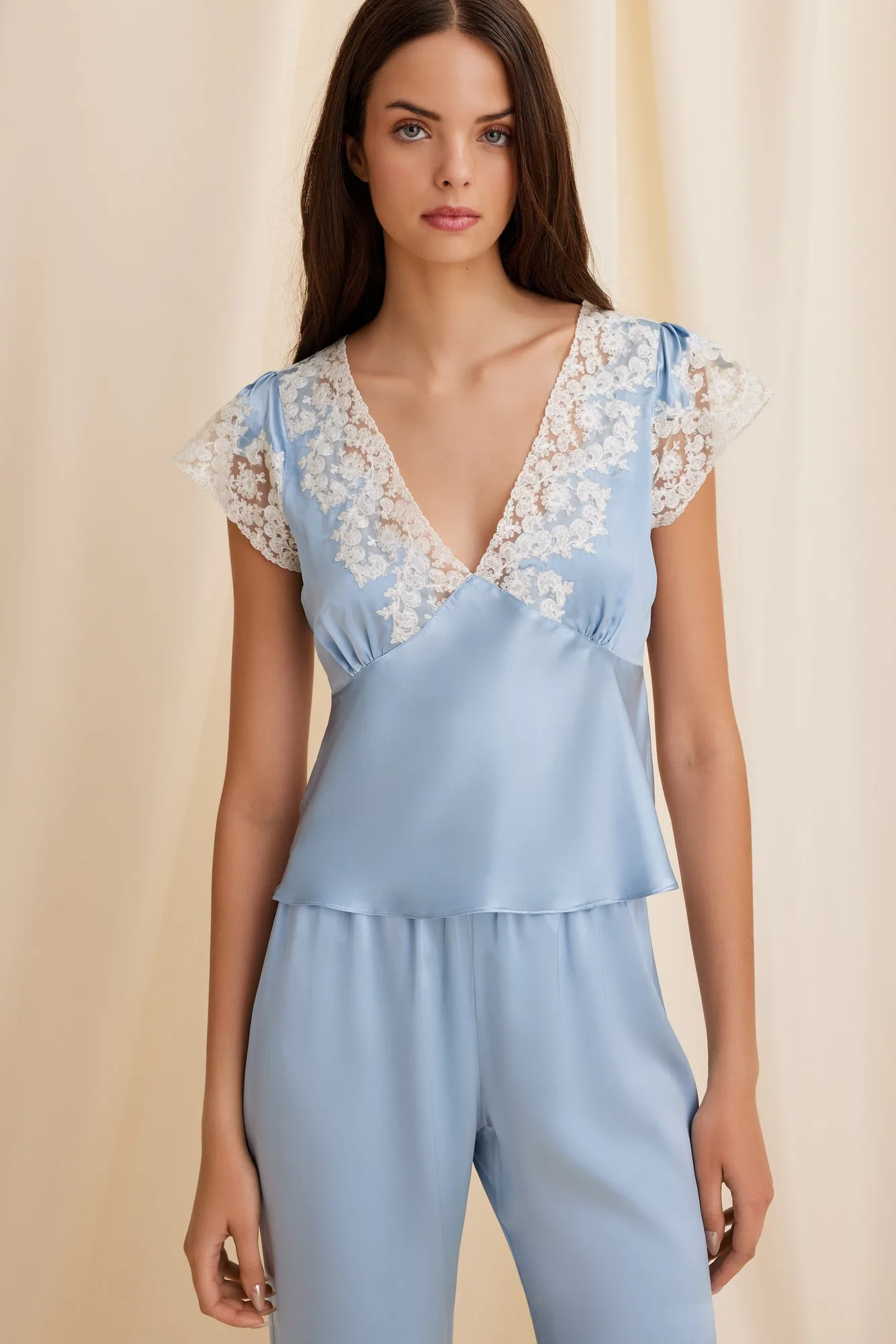
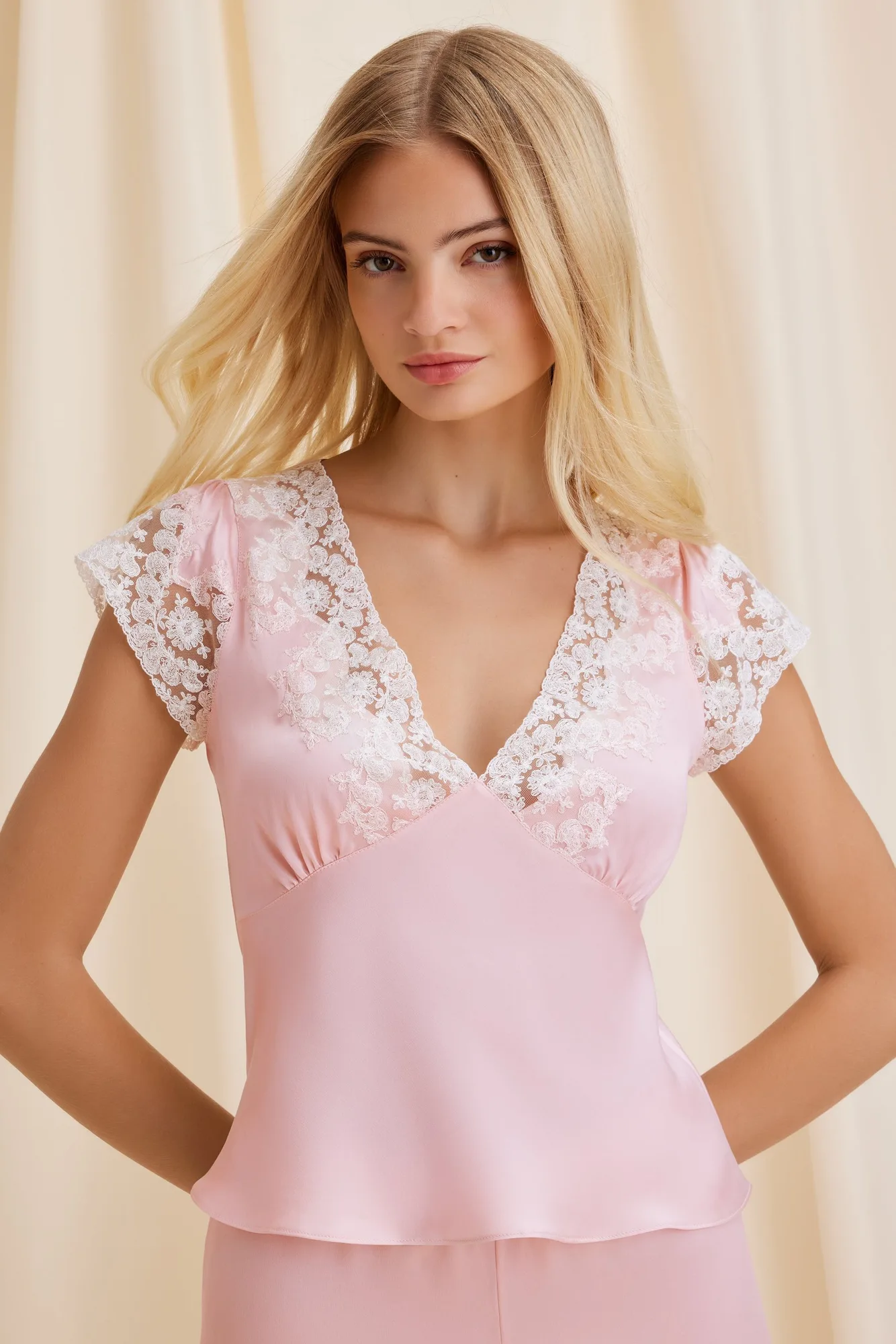
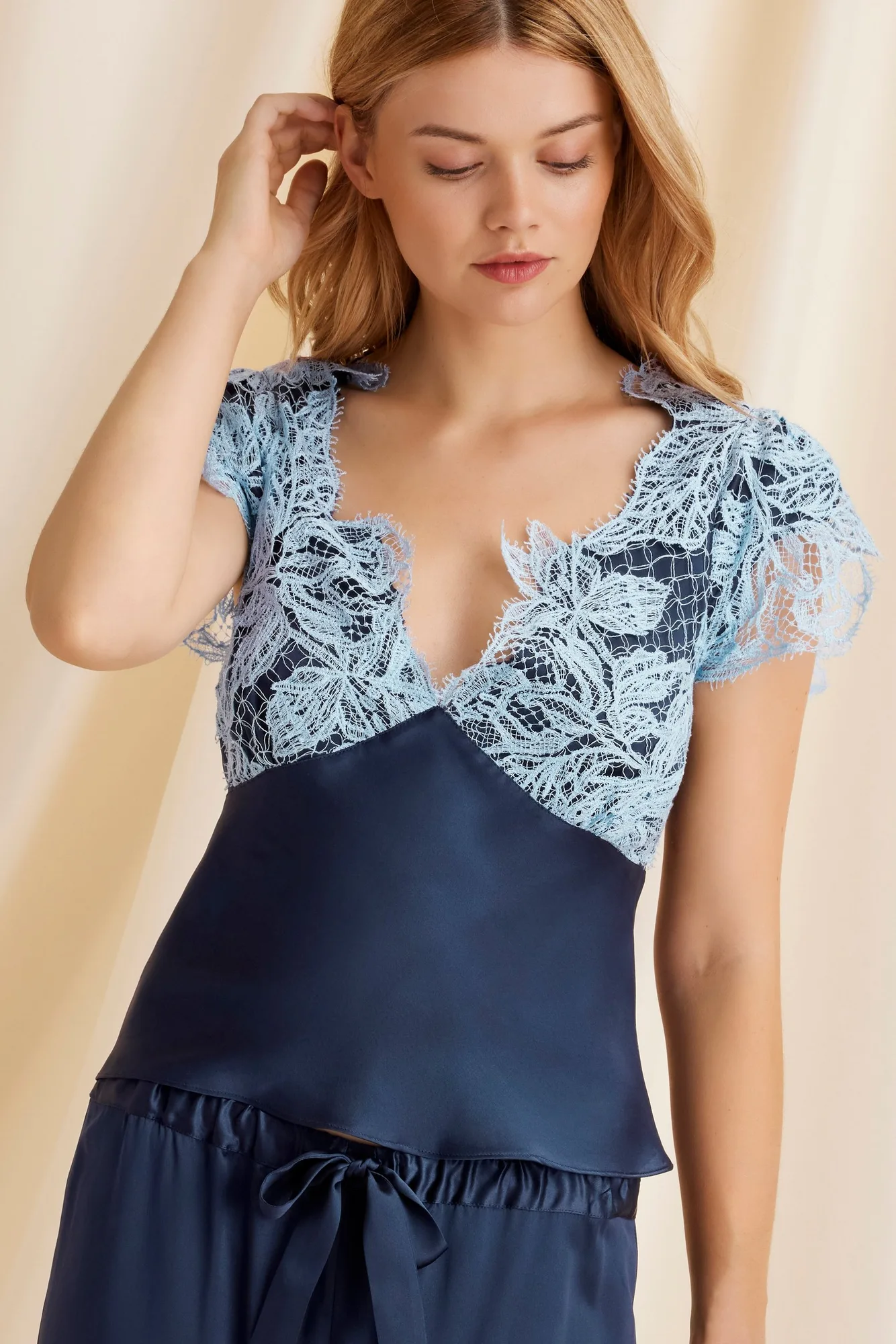
- https://scarlettgasquegz.com/products/jayne-top-navy-0a7bd70fcd832637c215dfbb-1354886https://scarlettgasquegz.com/products/the-jayne-top-ivory-af57c2258028b56a18dae158-1354891https://scarlettgasquegz.com/products/the-jayne-top-47fafe4cd030d2a7a6397b84-1354892JAYNE TOP: Crafted from 100% silk with hand-sewn French lace appliqué, soft cap sleeves and a lingerie-inspired silhouette, made in the London atelier. A pure silk top is the smooth, temperature-responsive option, but the hand-applied lace means gentler washing and careful storage.
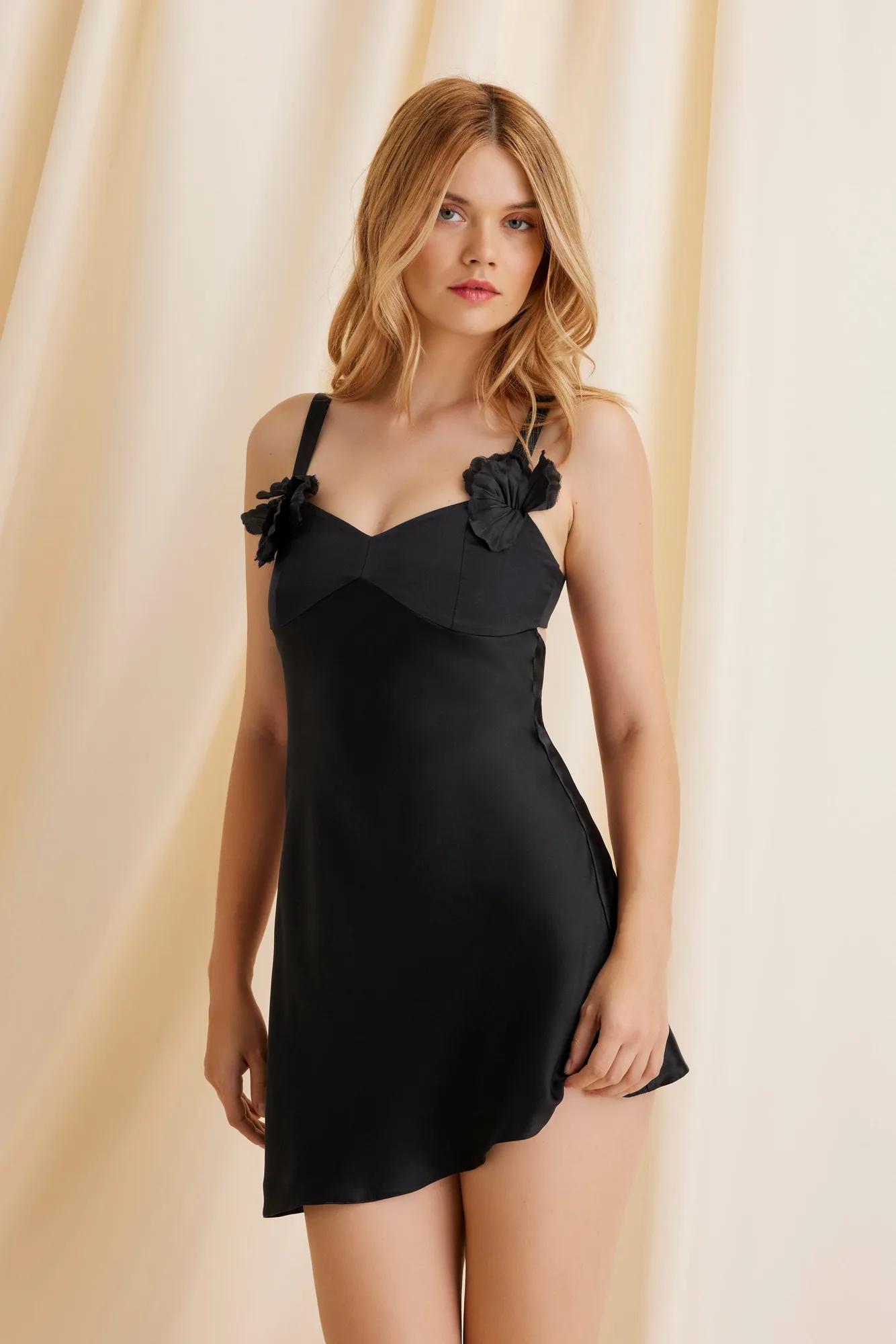
- TEMPTATION MINI DRESS: Double-layered 100% silk, bias-cut for fluid drape, with a bra-inspired bodice and hand-sewn silk organza flowers. Bias-cut silk shows how fabric weight and cut create drape and gentle shaping, which is useful if you want a closer line without stretch.
- TALLULAH BRA: Stretch silk charmeuse with a demi-cup silhouette, silk-covered adjustable straps, sheer stretch mesh back and side panels, and side boning. Stretch silk charmeuse adds recovery and support, so it fits closer than non-stretch silk while staying smooth against skin.
- LOVEBIRDS BRALETTE: French lace and 100% silk in a longline silhouette with triangle cups and adjustable silk straps. Combining lace with silk gives texture and softness, but lace is less stretchy, so fit depends more on the cut than on give.
Who each fabric suits
Best for
- Hot sleepers who want breathable, easy-care pajamas
- Cold sleepers who want warmth and a smooth feel
- Anyone who wants a closer fit with some stretch and recovery
- Shoppers who want texture and detail in sleepwear
Not for
- Shoppers who want zero-care, toss-in-the-machine pajamas (avoid silk)
- Hot sleepers who want heavy, dense weaves
- Anyone who dislikes creasing (avoid linen)
- Shoppers who want maximum stretch (avoid non-stretch lace and crochet)
Pick the fabric for how you sleep and how you do laundry, then choose the cut. Cotton and linen keep hot sleepers comfortable, silk suits cold sleepers who will care for it, and blends split the difference. Use the decision rules above and you will stop guessing why a set feels wrong after one night.