Quick Answer
Choose Paper Theater if you want a fast, inexpensive, display-ready paper craft kit that builds in one sitting and captures a specific character scene. Choose Nanoblock if you prefer a longer, more forgiving micro-brick build that holds up to handling and re-posing. Neither is universally better; the right pick depends on how much time you want to spend and whether the finished piece will be handled or just displayed.
How the Two Kits Actually Build
Paper Theater kits arrive as precision laser-cut paper sheets. You separate the pieces with a sharp cutter knife, then glue them together following the assembly manual to create a layered, three-dimensional image. The process is closer to model-making than to brick building: cuts must be clean, glue must be applied sparingly, and the order of assembly matters because some layers sit behind others. A typical Paper Theater build, such as the Seto Kaiba kit, finishes at roughly 10cm x 8cm x 4.2cm, so it occupies very little desk space.
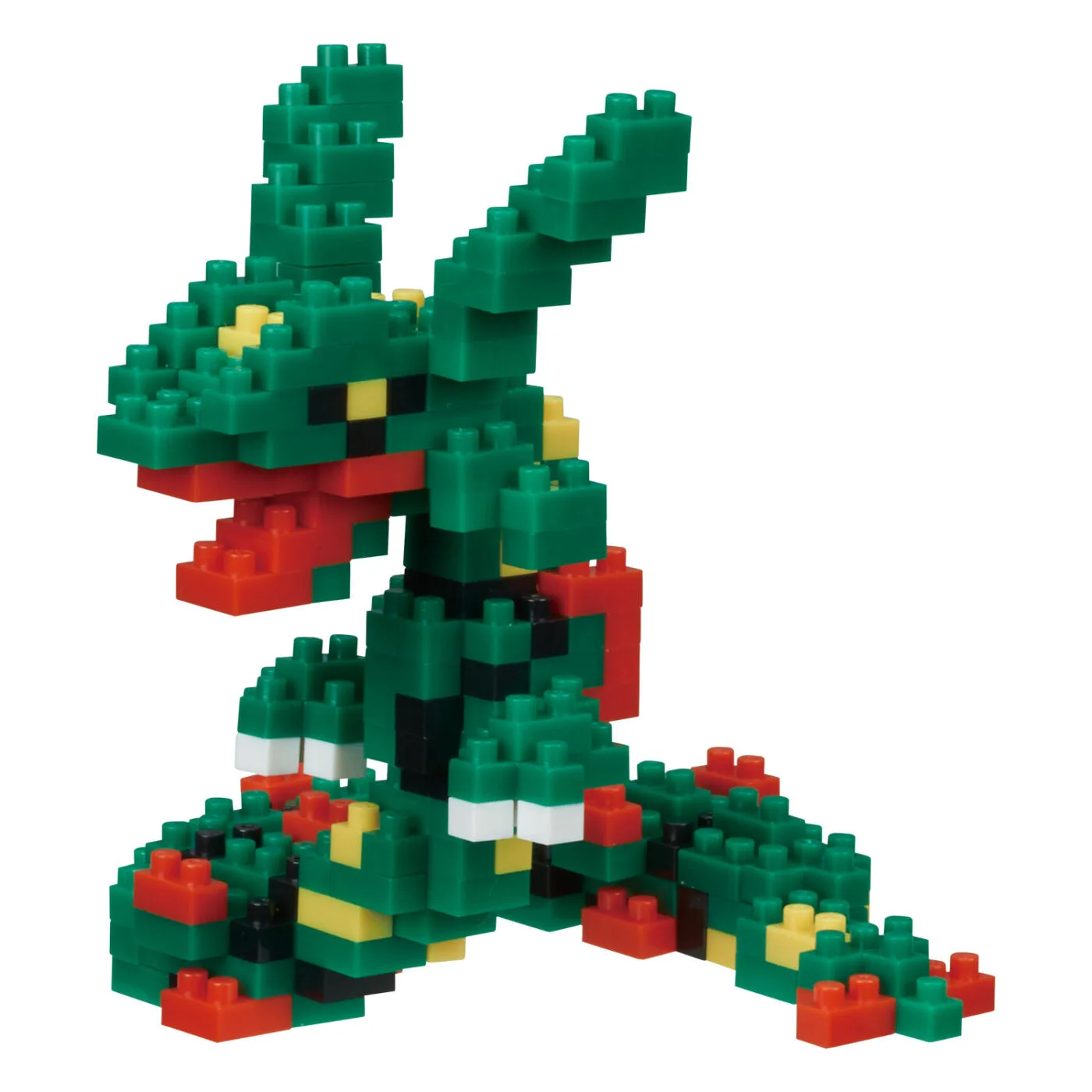
Nanoblock sets use tiny ABS plastic bricks that press together. There is no cutting or gluing, and mistakes are easy to undo by pulling the bricks apart. The trade-off is time: micro-brick builds often run into hundreds of pieces, and the small size demands steady hands and good lighting. If you have built standard building blocks before, the motion is familiar, just at a much smaller scale.
Durability and Display Differences
Paper Theater pieces are paper, so they are vulnerable to moisture, direct sunlight, and crushing. Once assembled, they are best treated as a display object rather than a toy. A shelf away from windows and handling is ideal. If a piece bends during assembly, it can usually be gently flattened, but repeated stress will weaken the paper.
Nanoblock models are plastic and tolerate more handling, but they can still shed pieces if dropped. They are easier to dust and less sensitive to humidity. For a child's room or a desk where the model might be picked up, micro bricks are the more practical choice. For a protected display cabinet, paper theater's layered look often reads as more artistic and detailed at a glance.
Cost, Time, and Skill Fit
Paper Theater kits are generally less expensive and faster to complete. The Seto Kaiba kit is a good example: a compact build that can be finished in an evening. That makes paper craft kits a low-risk entry point if you are curious about the hobby or want a quick gift. The main skill you develop is careful cutting and gluing, not structural thinking.
Nanoblock sets cost more and take longer, but they reward patience with a sturdier result. If you enjoy following a long instruction sequence and seeing a complex shape emerge brick by brick, micro bricks are more satisfying. If you get frustrated by tiny repetitive steps, a paper theater kit will feel less tedious because the piece count is lower and the assembly is more varied.
Where Scale Model Kits Fit In
If you already build scale models, you may find that paper theater and nanoblock serve different moods. Scale kits like the 1/144 RX-78F00/E Gundam or the HMM Liger Zero Panzer involve painting, sanding, and sometimes glue, and they take significantly more time and tools. Paper theater is a palette cleanser: a short, clean project with no paint. Nanoblock is a fidget-friendly build that you can do while watching TV, with no risk of losing a decal.
The Dracaena Seffiana & Nebula Nova kit is another example of a non-scale model that sits between these categories: it is a plastic kit with a distinctive white color scheme, but it still requires standard model assembly. If you want the look of a character or mecha without the commitment of a full scale build, paper theater and nanoblock are the lighter alternatives.
Trade-Offs at a Glance
- Assembly method: Paper Theater requires cutting and gluing laser-cut paper; Nanoblock presses together tiny plastic bricks with no tools. If you dislike glue or knives, choose Nanoblock. If you want a quiet, craft-like session, choose Paper Theater.
- Durability: Paper Theater is paper and sensitive to moisture and handling; Nanoblock is plastic and tolerates more contact but can still lose pieces if dropped. For a handled or child-accessible model, Nanoblock is safer. For a protected display, Paper Theater holds its own.
- Time and cost: Paper Theater kits are typically cheaper and finish in one sitting; Nanoblock sets cost more and take longer due to higher piece counts. Pick Paper Theater for a quick gift or first project; pick Nanoblock when you want a longer build to spread over several evenings.
Products That Illustrate the Choice
- Paper Theater - Yu-Gi-Oh! Duel Monsters - Seto Kaiba (PT-356): Paper Theater - Yu-Gi-Oh! Duel Monsters - Seto Kaiba (PT-356) is a laser-cut paper kit that assembles into a 10cm x 8cm x 4.2cm three-dimensional display image using three steps: separate parts with a sharp cutter knife, then stick the parts together as shown in the manual. This is a concrete example of the paper theater workflow: minimal tools, no paint, and a finished piece sized for a small shelf. It shows the kit is best for someone who wants a quick, character-focused build.
- Highend Master Model (HMM) 032 1/72 Zoids RZ-041 LIGER ZERO PANZER Marking Plus Ver.: Highend Master Model (HMM) 032 1/72 Zoids RZ-041 LIGER ZERO PANZER Marking Plus Ver. uses multicolor plastic so that assembling the kit results in a product close to the finished look, and its Changing Armor System transforms both silhouette and performance ability. This is a plastic model kit, not a micro-brick set, but it illustrates the opposite end of the build-time and tool spectrum. It helps a reader see that nanoblock and paper theater are lighter commitments than a full HMM build.
Which Should You Choose?
Best for
- Crafters who enjoy cutting, gluing, and assembling layered paper scenes
- Buyers who want a fast, affordable, character-specific display piece
- Gift-givers looking for a low-commitment project that finishes in one session
Not for
- Anyone who wants a model that can be handled or re-posed frequently
- Builders who prefer a long, repetitive brick-by-brick process with no glue
- People who dislike working with sharp tools or precise paper alignment