Quick answer
Choose paper stationery when you need to write, erase, and flip through pages without a battery, and choose non-paper stationery when you want reusable, weather-resistant tools that survive being tossed in a bag. For most desks, the smart buy is a mix: paper for planning and journaling, non-paper for lists, labels, and anything that travels.
What counts as paper vs. non-paper stationery
Paper stationery covers notebooks, planners, loose sheets, and journals. Its value comes from being writable, foldable, and cheap to replace. Non-paper stationery covers reusable tools such as dry-erase boards, metal page markers, plastic stencils, and fabric pouches that hold it all. These items are usually more durable and often wipe clean, but they cost more upfront and some need specific markers or surfaces.
The choice is less about which is better and more about which job you are doing. A grocery list you rewrite weekly is a poor fit for a bound notebook; a dated daily journal is a poor fit for a whiteboard. Match the material to how often the content changes.
Cost and lifespan: where each type wins
Paper is the lower-cost entry point. You can buy a notebook for a few dollars and start immediately, but pages fill up and the book gets retired. Non-paper tools cost more at first, yet a single dry-erase board or metal bookmark can last for years, so the cost per use drops over time. If you write constantly, paper's replacement cost adds up; if you write occasionally, non-paper may never pay back its higher price.
Durability follows the same split. Paper tears, wrinkles, and smears if it gets wet. Non-paper surfaces resist spills and crushing, which is why they suit bags, kitchens, and job sites. The trade-off is that non-paper can crack, scratch, or lose its coating, and some boards stain if left with ink for weeks.
How to choose for planners, journaling, and desk use
For planner stationery, decide whether your schedule changes hourly or weekly. A paper planner handles detailed notes and color-coded systems, but you cannot erase a mistake. A non-paper planner board lets you rewrite the week in seconds, yet it holds less detail and needs a marker within reach.
For journaling, paper is the natural choice because it preserves handwriting, dates, and tone in a way a wipe-clean surface cannot. Non-paper stationery shines for prompts, habit trackers, and temporary brainstorming you do not need to keep. On a desk, pair a paper notebook for permanent notes with a small non-paper board for today's tasks so neither tool does a job it is bad at.
Storage and portability trade-offs
Paper stacks flat, weighs little, and fits any bag, but loose sheets bend and separate. Non-paper tools hold their shape, yet rigid boards and metal clips can poke through a soft tote. If you carry stationery daily, a structured pouch keeps both types protected and findable.
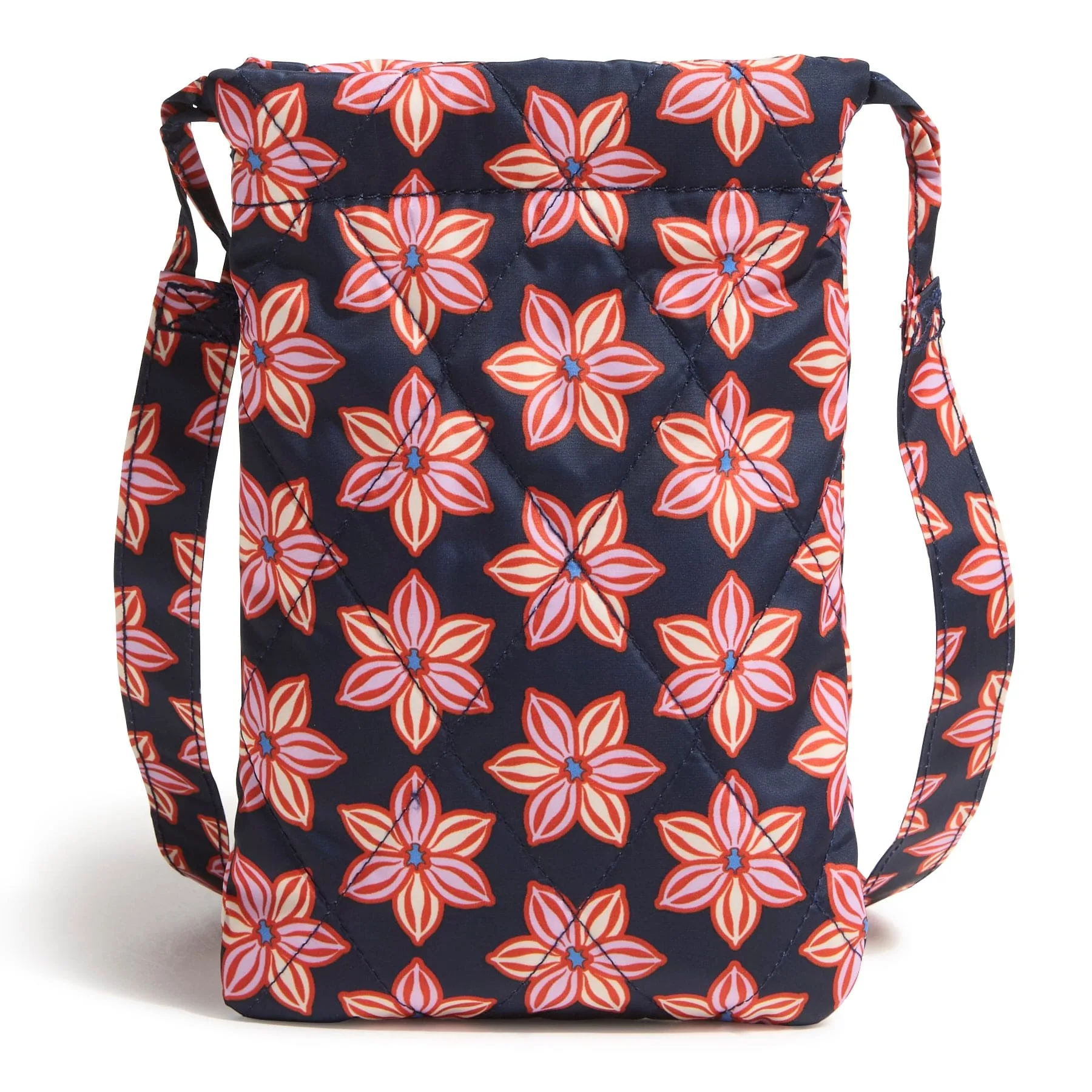
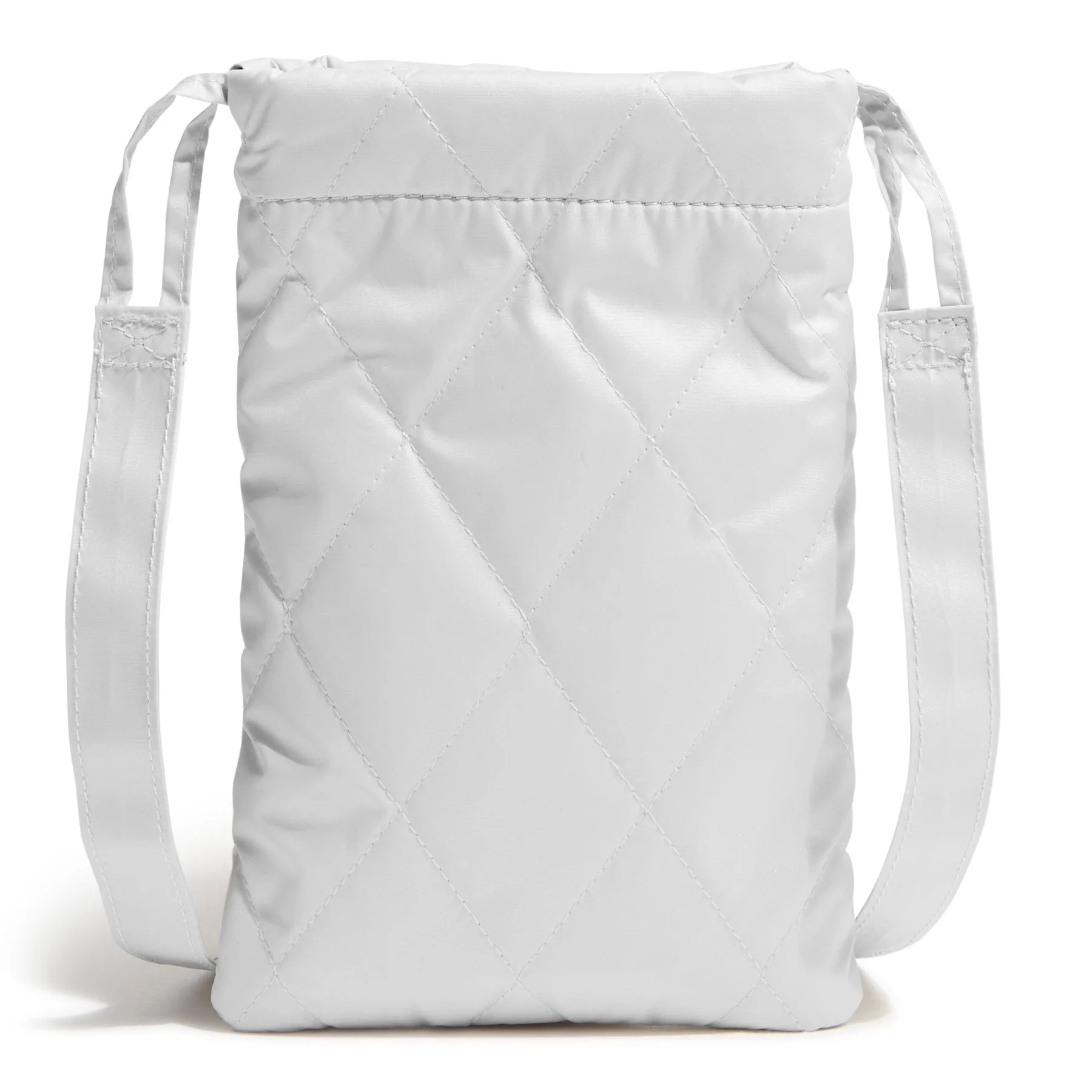
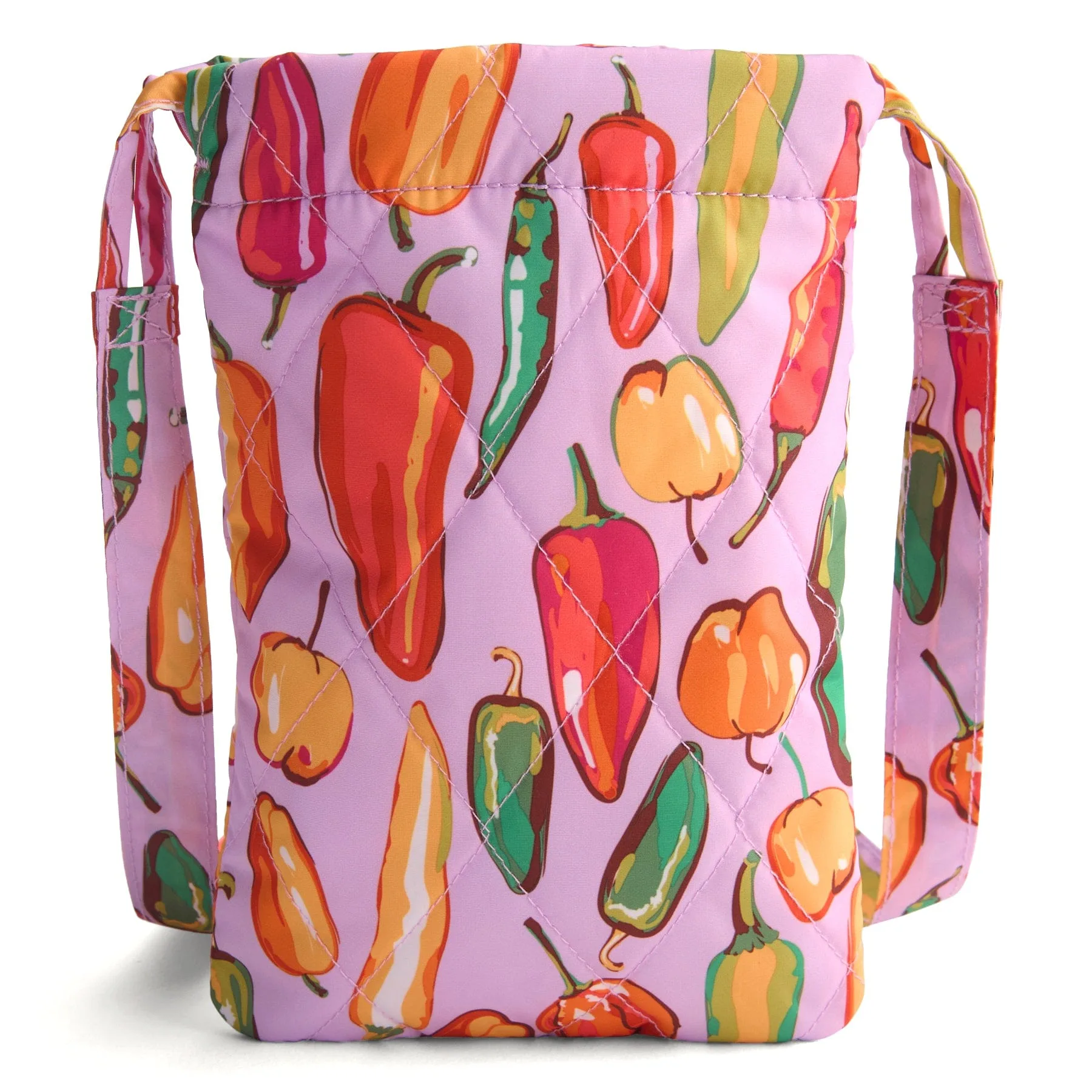
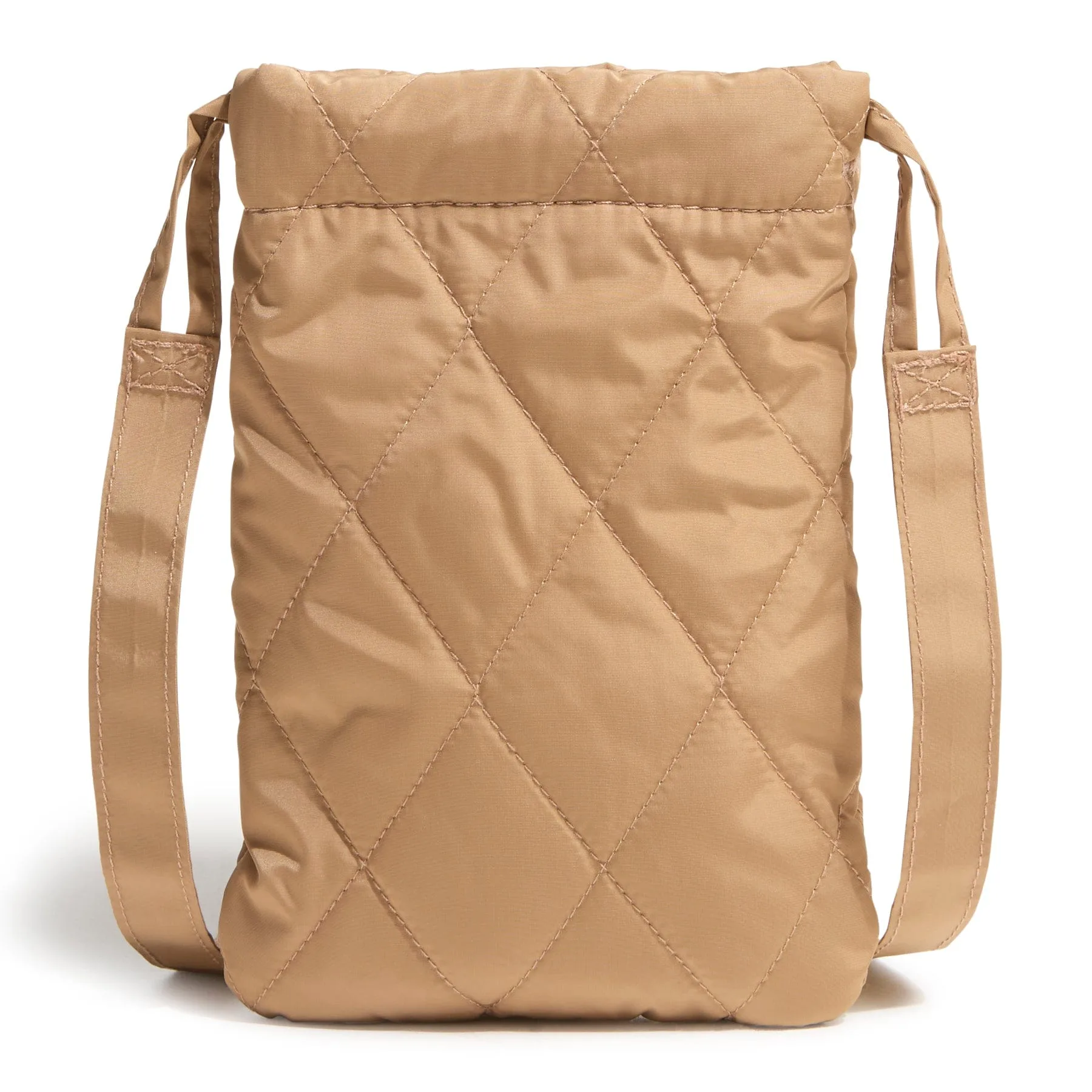
The Outlet Glenna Satchel gives you a roomy main compartment plus two slip pockets and a zip pocket inside, with slip pockets on the outside. That layout lets you separate a notebook from pens and a small board so you are not digging. If you prefer hands-free carrying, the https://verabradleyoutletex.com/products/outlet-slim-easy-crossbody-5219321470-551130853034e4fe8fb8a03d-1640441https://verabradleyoutletex.com/products/outlet-slim-easy-crossbody-5219320180-7504ac8a2e044bcac23a95b7-1640453https://verabradleyoutletex.com/products/outlet-slim-easy-crossbody-5219321296-90a9ac811effea47cfe41955-1640469https://verabradleyoutletex.com/products/outlet-slim-easy-crossbody-5229521297-478267a49d858c925febe138-1640500Outlet Slim Easy Crossbody has a drawstring closure and a 40-inch strap with a 17-inch drop, which keeps a slim notebook and a few non-paper tools close without a full bag.
Trade-offs at a glance
- Paper: low cost, short life: You pay little upfront and can write, erase lightly, and flip pages anywhere. In return, pages fill up, tear, and smear when wet, so you replace the item regularly. Best when the content is permanent or you write every day.
- Non-paper: higher cost, longer life: You pay more at the start for a reusable, spill-resistant surface that survives a bag. In return, it holds less detail, needs specific markers, and can stain if ink sits too long. Best when the content changes often or travels with you.
- Mixed setup: the practical middle: Use paper for journaling and detailed planning, and non-paper for daily lists, labels, and anything that gets rewritten. Carry both in a bag with separated pockets so each stays usable. Choose this if you want low replacement cost without giving up durability.
Product facts that matter for stationery carry
- Outlet Glenna Satchel: Outlet Glenna Satchel has a roomy main compartment, two interior slip pockets, an interior zip pocket, and two exterior slip pockets, with a zip closure and dimensions of 10.75" w x 12.25" h x 8.0". The multiple pockets let you separate a paper notebook from non-paper tools and pens, so nothing gets crushed or lost.
- Outlet Slim Easy Crossbody: Outlet Slim Easy Crossbody has a drawstring closure, a 40.0" strap with a 17.0" drop, and weighs 0.08 lb, with dimensions of 5.5" w x 8.25" h x 0.75" d. Its slim profile carries a small notebook or a few non-paper tools hands-free, but it is too narrow for a large planner or a rigid board.
- Bancroft Backpack Bag Charm: Bancroft Backpack Bag Charm is a 3.5" w x 2.5" h x 1.5" d charm with a hinge ring, front zip pocket, and zip closures. It clips to a bag strap so a small non-paper tool or a couple of pens stay reachable without adding bulk to your stationery pouch.
Which should you buy?
Choose paper if you...
- Keep a dated journal or long-form notes you want to reread later
- Write for hours and prefer the feel of pen on a page
- Need the lowest upfront cost and do not mind replacing notebooks
Choose non-paper if you...
- Rewrite the same list or schedule several times a week
- Carry stationery in a bag where spills and crushing are likely
- Want one tool that lasts for years instead of a stack of refills