Quick answer
Build your paraben-free routine around three steps: a gentle cleanse, one treatment serum that matches your main concern, and a moisturizer that seals it in. If acne is the priority, start with a lightweight hyaluronic acid serum and a non-comedogenic oil. If fine lines and texture are the priority, add a retinol night cream two or three nights a week. Keep the rest of the routine boring and consistent.
Start with your main concern, not the label
Paraben-free is a preservative choice, not a treatment plan. A product can be paraben-free and still clog pores, sting active acne, or sit heavily on oily skin. Before you shop, write down the one thing you want to change in the next eight weeks: breakouts, post-acne dark spots, fine lines, or dryness. That answer decides which step gets the strongest formula and which steps stay simple.
If you are treating both acne and aging, do not stack two strong actives at once. Use one treatment serum in the morning and reserve the retinol night cream for evening. This keeps your barrier calm enough to tolerate both over time.
- Acne-first: prioritize a lightweight hydrating serum and a non-comedogenic moisturizer.
- Aging-first: prioritize a retinol night cream and a firming peptide serum.
- Both: alternate nights and never apply retinol on the same night as an exfoliating scrub.
How to sequence a paraben-free routine
Order matters more than the number of products. Apply thinnest to thickest, and give each layer about a minute to settle. A practical five-step routine looks like this: cleanser, treatment serum, eye product if you use one, moisturizer, and sunscreen in the morning. At night, swap sunscreen for your retinol cream on the nights you use it.
If your skin is oily and breakout-prone, you can skip a separate toner unless it is doing a specific job. A hydrating serum often replaces the toner step because it adds water-based moisture without residue. If your skin is dry or tight after cleansing, add a facial oil as the last step at night to reduce water loss.
- Morning: cleanse, hyaluronic acid serum, moisturizer, sunscreen.
- Night (non-retinol): cleanse, peptide serum, moisturizer, optional facial oil.
- Night (retinol): cleanse, moisturizer first if you are sensitive, then a pea-sized amount of retinol night cream.
Where paraben-free products fit for acne and aging
Paraben-free formulas often use alternative preservatives, which can change how a product feels and how long it stays fresh. That is not a downside by itself, but it means you should buy smaller sizes while you test, store products away from direct sun and heat, and stop using anything that changes color or smell. For acne-prone skin, a paraben-free routine removes one possible irritant from the list, but it does not replace the need for non-comedogenic formulas.
For anti-aging, the active ingredients matter more than the preservative system. Retinol, peptides, and hyaluronic acid are the workhorses. Look for these on the label and choose a texture you will actually use every day. The best routine is the one you can repeat on a bad week, not the one with the longest ingredient list.
- Buy travel or smaller sizes first if you are testing a new paraben-free serum.
- Store serums and creams in a cool, dark place to protect fragile formulas.
- Patch test on your jawline for three nights before applying to your full face.
Common mistakes that stall results
The most common mistake is adding too many new products in one week. If you start a retinol night cream, a peptide serum, and a new oil at the same time, you will not know which one caused a breakout or which one is actually helping. Introduce one product every two weeks and keep a short note on your phone about how your skin feels.
The second mistake is under-moisturizing because you are afraid of oil. Dehydrated skin produces more visible flaking and can look duller, which makes fine lines look deeper. A lightweight serum plus a moisturizer is usually enough. If you are still tight, add a few drops of oil at night rather than a heavier cream that might clog pores.
- Do not use retinol and an exfoliating scrub on the same night.
- Do not judge a product after three days; give it four to six weeks.
- Do not skip sunscreen while using retinol, or you will undo the progress.
Decision rules for your routine
- If acne is your main concern: Choose a lightweight hyaluronic acid serum and a non-comedogenic moisturizer. Add a pure oil only if your skin feels tight after moisturizing, and patch test first. Keep the routine to three steps until breakouts calm down.
- If fine lines and texture are your main concern: Use a retinol night cream two nights a week, then increase to every other night if your skin tolerates it. Pair it with a hydrating serum in the morning. Stop and moisturize-only for a week if you see peeling or stinging.
- If your skin is sensitive or reactive: Start with a peptide serum and a simple moisturizer instead of retinol. Introduce one new product every two weeks and keep the rest of your routine unchanged. Sensitivity is a reason to go slower, not to buy more products.
- If you want the simplest possible paraben-free routine: Cleanse, apply one hydrating serum, and moisturize. Add a retinol night cream only after that basic routine has been stable for a month. Fewer steps are easier to repeat, and repetition is what produces results.
Product facts to compare
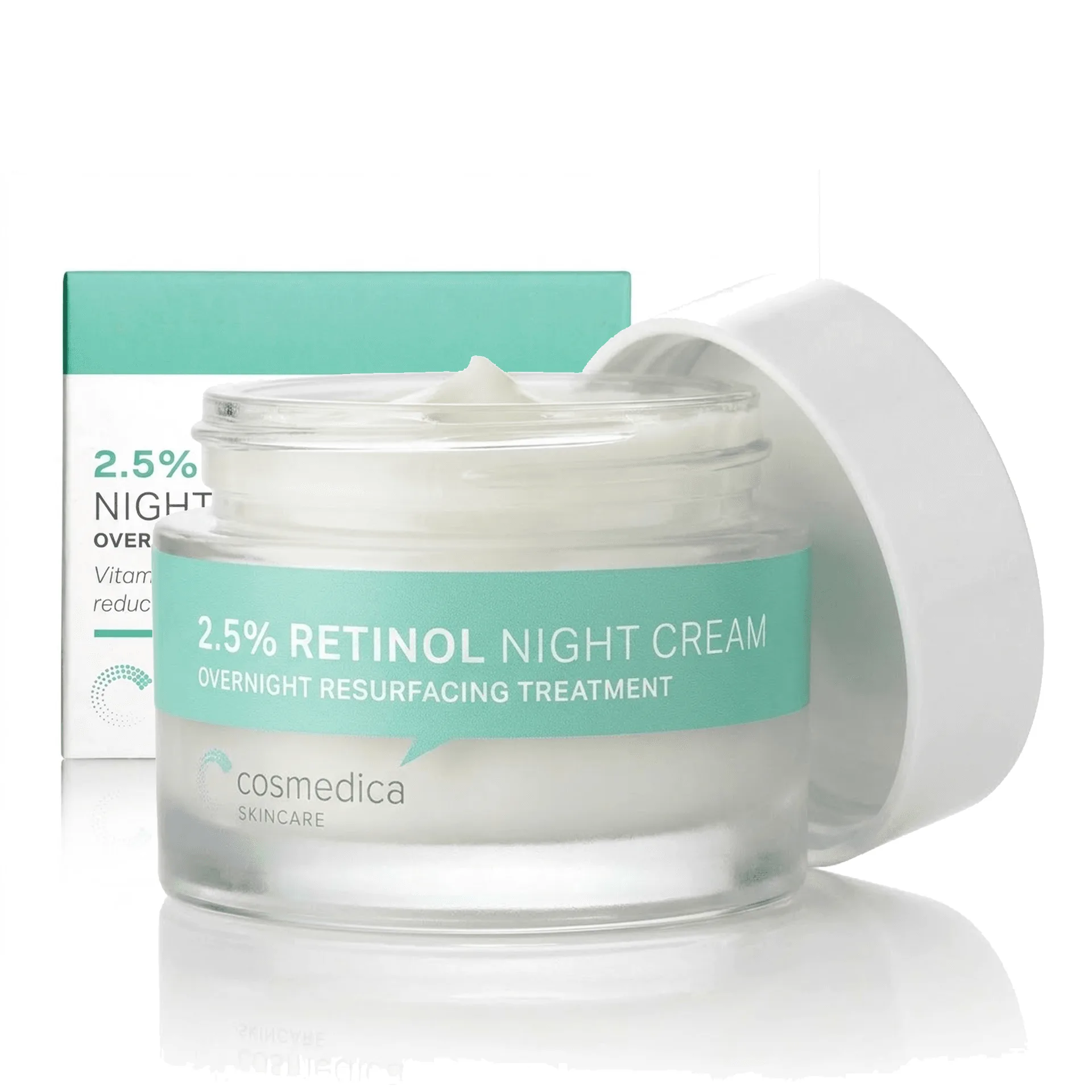
- Cosmedica Skincare Retinol Night Cream – Anti Aging Face Moisturizer with Retinol (Vitamin A) & Hyaluronic Acid – Wrinkle Repair Cream for Acne, Fine Lines & Dark Spots – Night Cream for Face, 1.7 oz: Cosmedica Skincare Retinol Night Cream is an anti-aging face moisturizer with retinol (vitamin A) and hyaluronic acid, positioned for fine lines, wrinkles, acne, and dark spots. This is your evening treatment step if aging and texture are the priority. Because it already contains a moisturizing ingredient, sensitive skin can start with two nights a week and build up.
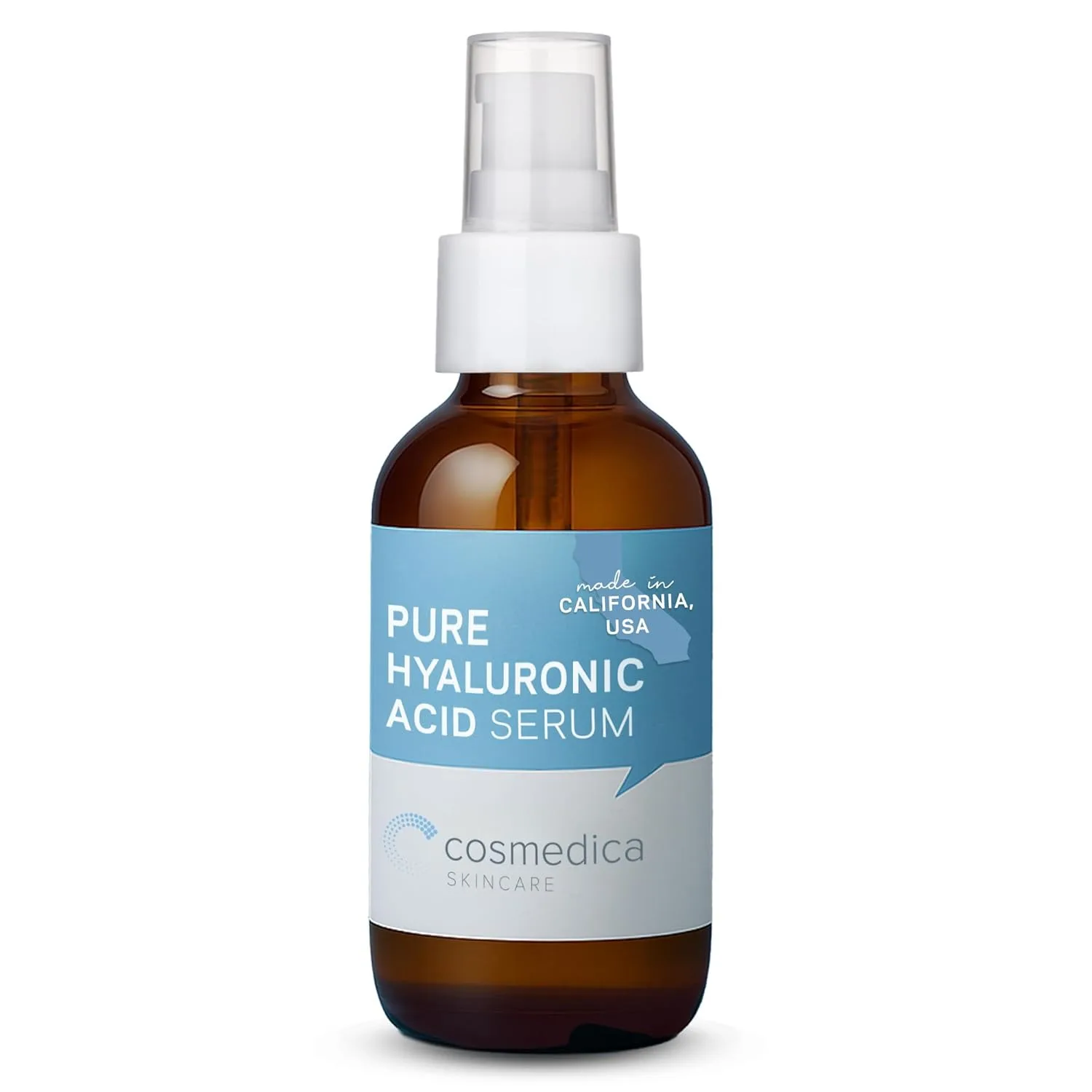
- Pure Hyaluronic Acid Serum By Cosmedica Skincare: Pure Hyaluronic Acid Serum by Cosmedica Skincare is a lightweight, non-greasy serum with hyaluronic acid and vitamin B5, described for AM and PM use. This is the safest first serum for acne-prone skin because it adds hydration without a heavy residue. It also layers under a retinol night cream without adding another active.
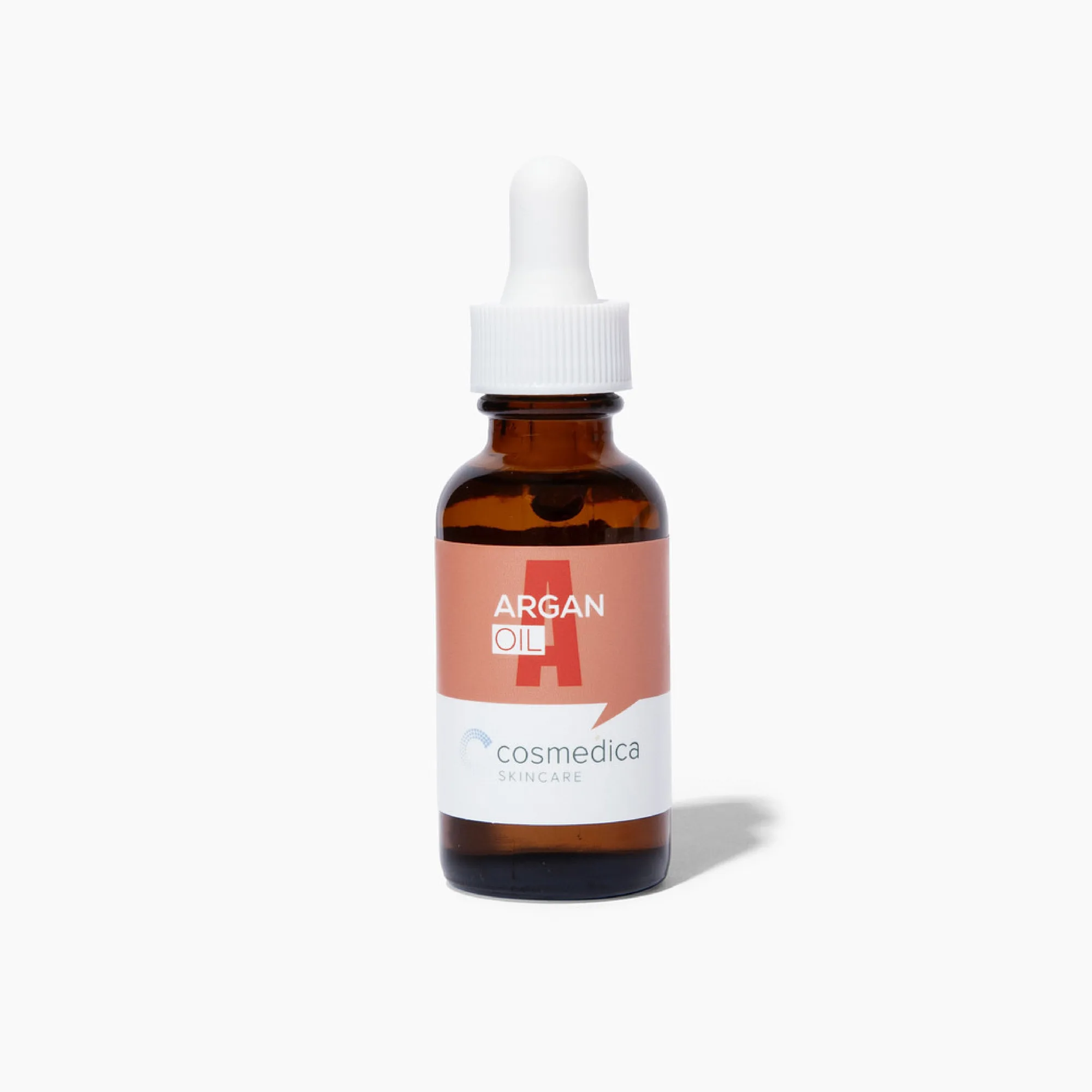
- Argan Oil: Argan Oil is 100% pure Argania Spinosa oil, described as rich in vitamin E and fatty acids for moisturizing and softening. A single-ingredient oil is easy to audit if you are avoiding parabens and want to add overnight moisture. Use two or three drops as your last step, and skip it if you are actively breaking out in that area.
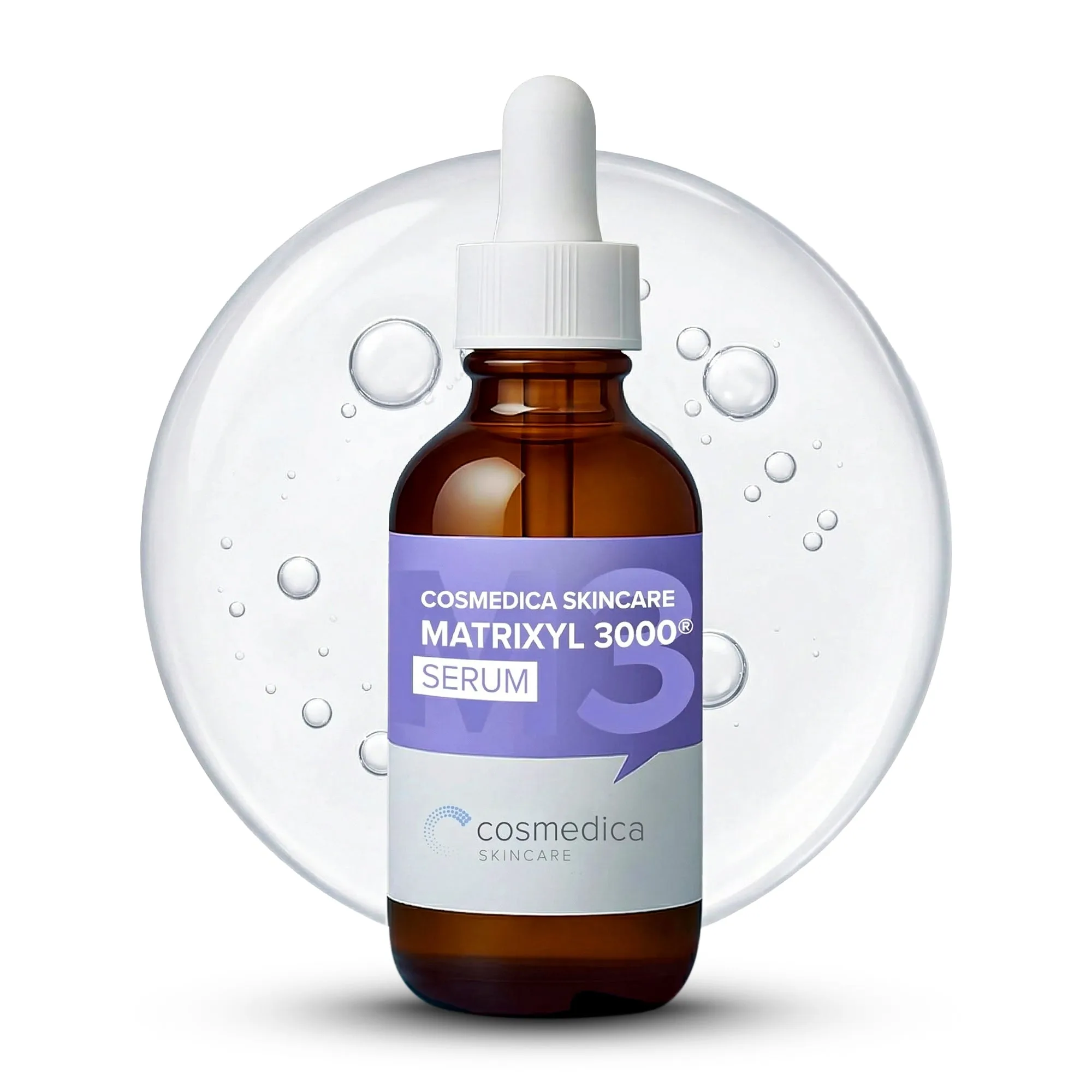
- Cosmedica Skincare Matrixyl 3000 Peptide Serum with Hyaluronic Acid | Hydrating Lightweight Face Serum for Sensitive Skin | Firming Serum with Aloe Vera Vitamin E | 2oz: Cosmedica Skincare Matrixyl 3000 Peptide Serum with Hyaluronic Acid is a lightweight, hydrating serum with aloe vera and vitamin E, positioned for sensitive skin and firming. This is the better choice if your skin cannot tolerate retinol yet but you still want a firming step. It pairs with the hyaluronic acid serum, though most people only need one of the two.
Who this routine fits
Best for
- Adults managing mild to moderate acne alongside early fine lines
- Shoppers who want to avoid parabens without giving up proven anti-aging ingredients
- Anyone building a first consistent routine and willing to introduce products slowly
Not for
- People with severe cystic acne or active skin infections, who should see a dermatologist first
- Anyone expecting overnight results from a single product
- Shoppers who want a fixed one-size-fits-all regimen without patch testing