Quick Answer
Choose a paracord bullwhip if you want a low-maintenance, budget-friendly whip that handles rain and rough practice without worry. Choose a leather bullwhip if you value the traditional feel, heft, and long-term aging of kangaroo hide. For most beginners, paracord is the smarter first buy; for performers and collectors, leather is worth the investment.
Material Basics: What Each Whip Is Actually Made Of
Paracord bullwhips are built from nylon parachute cord, usually in a 12-strand overlay, which gives them a consistent, weather-resistant finish. Leather bullwhips use plaited hide—often kangaroo—over leather bellies, creating a dense, traditional build that breaks in over time. The material determines how the whip feels in motion: nylon tends to be lighter and slightly stiffer out of the box, while leather has a natural weight and flex that many experienced handlers prefer.
Performance and Handling: What Changes in Your Hand
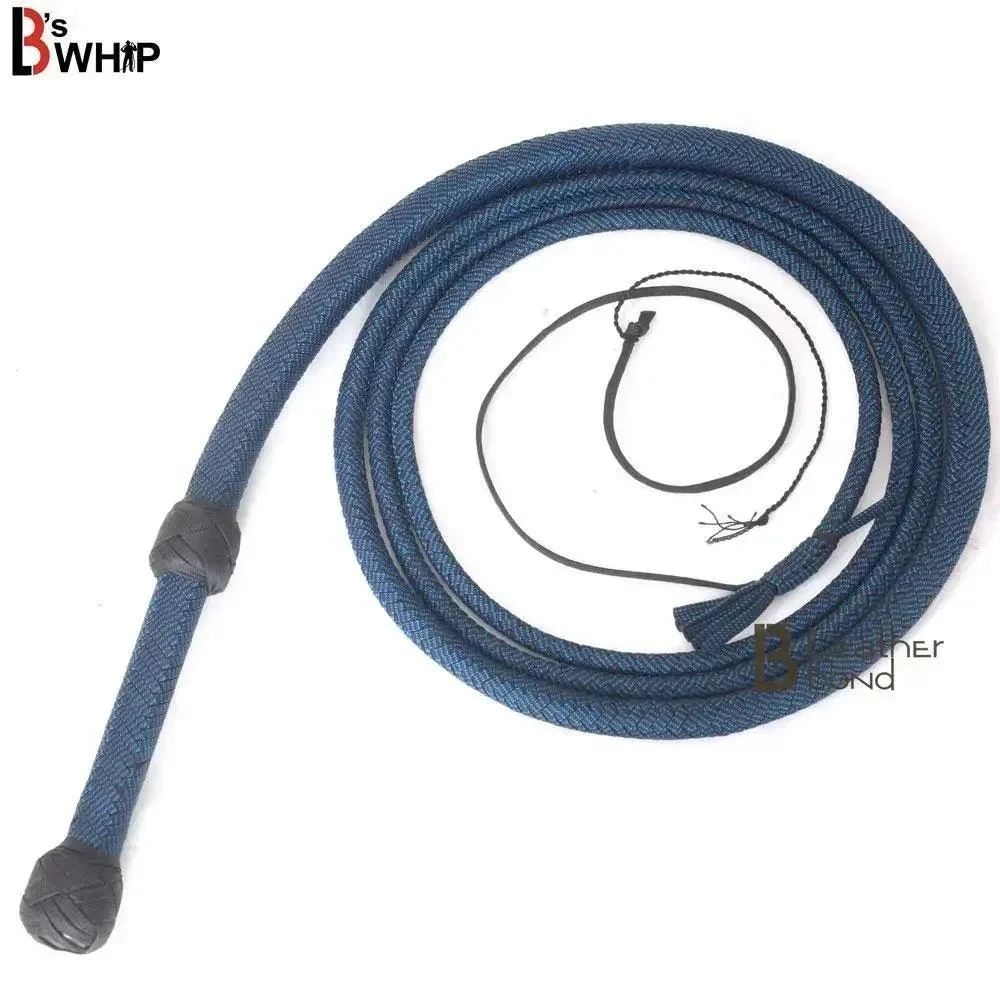
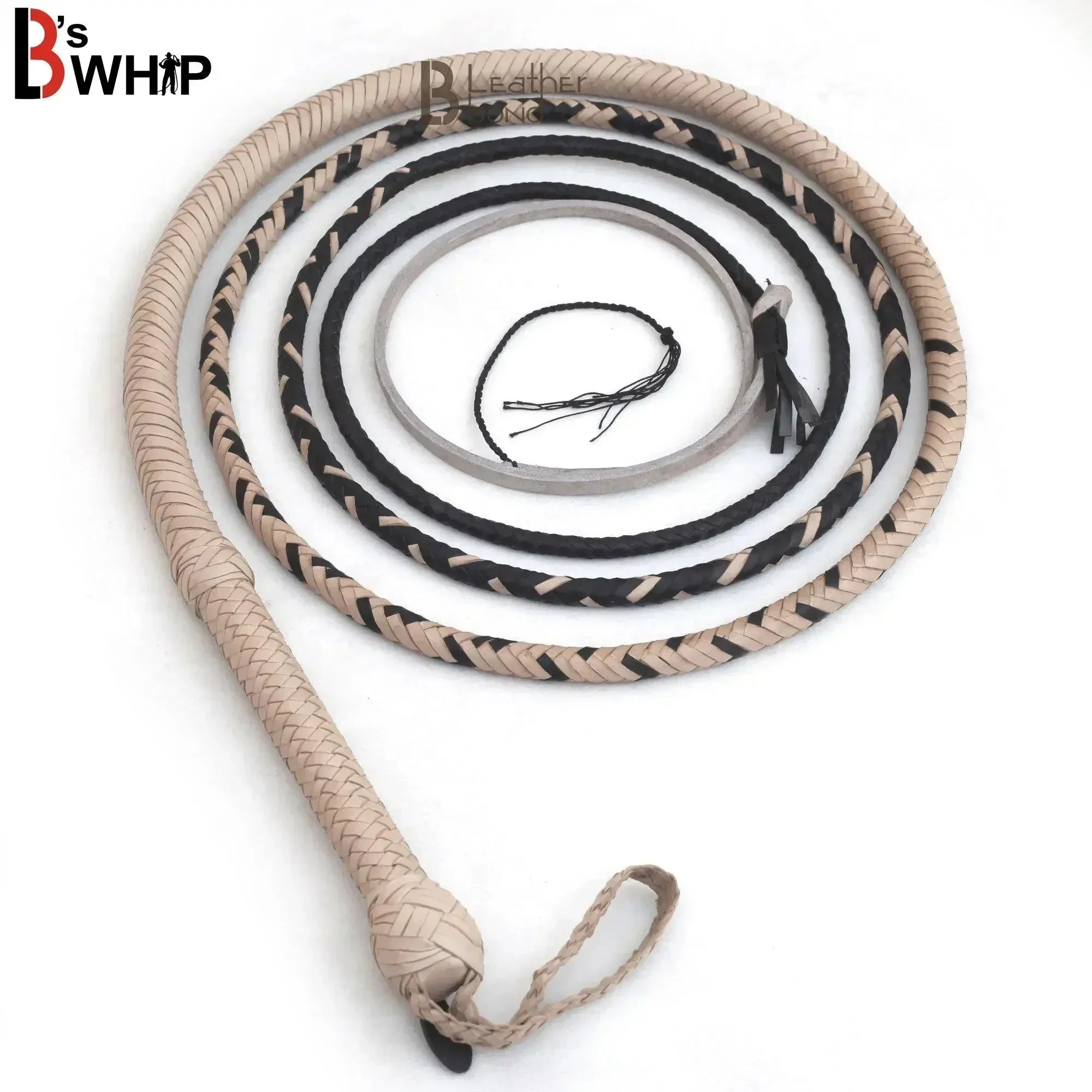
A 12-strand nylon bullwhip like the Blue and Black Paracord Bullwhip cracks easily and recovers quickly, making it forgiving for learners. Leather whips, such as the Indiana Jones Kangaroo Hide Bull Whip with 16 strands and plaited bellies, deliver a more deliberate, weighted action that rewards smooth technique. If you are still building muscle memory, the lighter nylon whip lets you practice longer without fatigue; if you already have control, the leather whip gives you finer feedback and a classic crack.
Durability and Climate: Where Each Material Wins
Paracord shrugs off moisture, mud, and temperature swings—rinse it, dry it, and it is ready again. Leather demands more care: keep it dry, condition it occasionally, and store it away from heat. In humid or rainy climates, nylon is the practical choice. In dry, temperate conditions, leather can last decades with proper maintenance, developing a patina that many owners prize.
Cost and Commitment: What You Pay Up Front
Paracord whips typically cost far less, which lowers the risk if you are unsure about the hobby. Leather whips command a higher price because of the hide, the plaiting labor, and the traditional build. The trade-off is simple: spend less now on nylon and upgrade later, or invest once in leather and commit to its care routine.
Key Trade-Offs at a Glance
- Cost vs. Craft: Paracord is cheaper and easier to replace; leather costs more but offers traditional plaiting and long-term aging. Set a budget you are comfortable losing if the hobby does not stick.
- Weather vs. Feel: Nylon handles rain and mud without fuss; leather feels more natural in motion but needs dry storage and conditioning. Match the material to your local climate and storage options.
- Learning Curve vs. Long-Term Reward: A 12-strand nylon whip is forgiving for beginners; a 16-strand leather whip rewards practiced technique with finer feedback. Start with nylon if you are still learning; upgrade to leather once your cracks are consistent.
Two Bullwhips That Show the Difference
- Blue and Black Paracord Bullwhip | 6 & 8 Feet | 12 Strands Nylon Bull Whip | Whips for Sale – Leather Bond: 12-strand nylon paracord bullwhip, available in 6 and 8 feet. A lighter, weather-resistant option that suits beginners and outdoor practice.
- Indiana Jones Kangaroo Hide Bull Whip 16 Strands with Leather Plaited Bellies | 6 to 16 Feet: 16-strand kangaroo hide bullwhip with genuine leather plaited bellies, available in 6 to 16 feet. A traditional leather build with more weight and heft for experienced handlers and collectors.
Which Material Fits You?
Best for
- Beginners who want a durable, low-maintenance whip for frequent practice
- Outdoor users in wet or humid climates
- Budget-conscious buyers testing the hobby
Not for
- Traditionalists who prefer the feel and aging of leather
- Collectors seeking a heritage material
- Users who want a heavier, more deliberate action