Quick answer
Most party game damage comes from four repeat offenders: drinks and greasy snacks at the table, cards stored loose in a bag, boxes stacked under weight, and humid rooms. Sleeving every card and buying a premium insert usually matters far less than keeping food away, storing games upright in a dry spot, and putting components back in the box after each session. If you fix those four habits, you have handled the majority of real-world card game wear and tear.
Why the scary stories about card damage are usually about the wrong thing
Card game damage advice tends to focus on the cards themselves, but the failures people actually notice are often about the whole package. A box that has been crushed at a corner, a lid that no longer sits flat, or a rulebook that has swollen and warped are the things that make a game feel worn out. The cards can be perfectly playable while the box looks like it lost a fight.
That matters for storage decisions. If you only think about protecting cards, you may overlook the box, the insert, and the way the game is stacked. Treating the box as part of the game, not just packaging, prevents the kind of damage that makes a collection feel shabby even when the components inside are fine.
The four habits that actually cause most wear
First, eating and drinking over an open game. A single spilled soda or a greasy fingerprint can do more visible damage in one night than years of shuffling. Second, storing cards loose. Cards that slide around inside a box or bag pick up edge nicks and corner wear quickly. Third, stacking heavy boxes on top of lighter ones. This is the main cause of board game box corner wear, because the corners take the entire load. Fourth, storing games in a damp basement, garage, or laundry room. Humidity and board games do not mix well, and paper components absorb moisture over time.
None of these require special equipment to fix. A side table for drinks, a small zipper bag or the original insert for cards, a shelf where boxes stand upright instead of piling up, and a dry closet are enough for most collections.
What is genuinely worth doing, and what is optional
The highest-value habit is putting components away properly after each session. Cards that go back into the insert or a bag do not rattle against each other, and boxes that are closed and shelved upright keep their shape. Wiping the table before setup and keeping snacks in a separate bowl rather than on the play surface also removes the most common cause of sticky, marked cards.
Sleeving party game cards is a reasonable option if a game gets heavy repeat play or if you want to protect cards during shuffling, but it is not the first thing to spend money on. For most groups, a clean table and a consistent storage routine protect a game more than sleeves do. Similarly, a custom insert is a nice upgrade, but it does not replace the basic habit of closing the box and storing it flat or upright rather than under a stack.
How to store card games long term without overthinking it
Long-term storage is mostly about stable conditions. Keep games out of direct sun, away from radiators and heating vents, and out of rooms that swing between very dry and very damp. A closet shelf in a living space is usually better than a garage or attic, because temperature and humidity stay more even.
When you stack boxes, put the heaviest and sturdiest at the bottom and avoid putting anything heavy on top of a thin card game box. If shelf space is tight, store small boxes vertically like books so the weight rests on the box edges rather than the lid. Check games you have not opened in a year or two; if a box feels damp or smells musty, move it to a drier spot and let it air out before it goes back on the shelf.
Myth verdicts
- Myth: card games get damaged easily just from playing: Ordinary play wears cards gradually, but the dramatic damage usually comes from food, drinks, and loose storage, not from shuffling. Verdict: mostly false. Play is not the main enemy; the table environment is.
- Myth: you must sleeve every party game card: Sleeving helps with heavy shuffling and repeat play, but it is optional for most groups and does not replace clean hands and a clean table. Verdict: useful for some, not required for all.
- Myth: a damaged box corner means the game is ruined: Box corner wear is cosmetic unless the box no longer closes or protects the components. Corner wear usually comes from stacking heavy boxes on top of light ones. Verdict: false. Fix the stacking, not the game.
- Myth: humidity only matters for wooden games: Paper cards, rulebooks, and cardboard inserts absorb moisture too, which can warp them and cause musty smells over time. Verdict: true risk. Store games in a dry, stable room.
- Myth: a custom insert is the best protection: A good insert helps, but closing the box, storing it upright, and keeping it dry does more for long-term condition than any insert alone. Verdict: nice upgrade, not the first fix.
Products where these habits matter
- 3D Game Bundle: Bloomchasers + Tiny Laser Heist Base Games + Expansions!: This bundle includes the Bloomchasers base game and its expansion, plus the Tiny Laser Heist base game and its expansion, in one package. A multi-game bundle means more boxes, cards, and inserts to store. Shelving the components upright and keeping the bundle out of damp rooms protects more than one game at once.
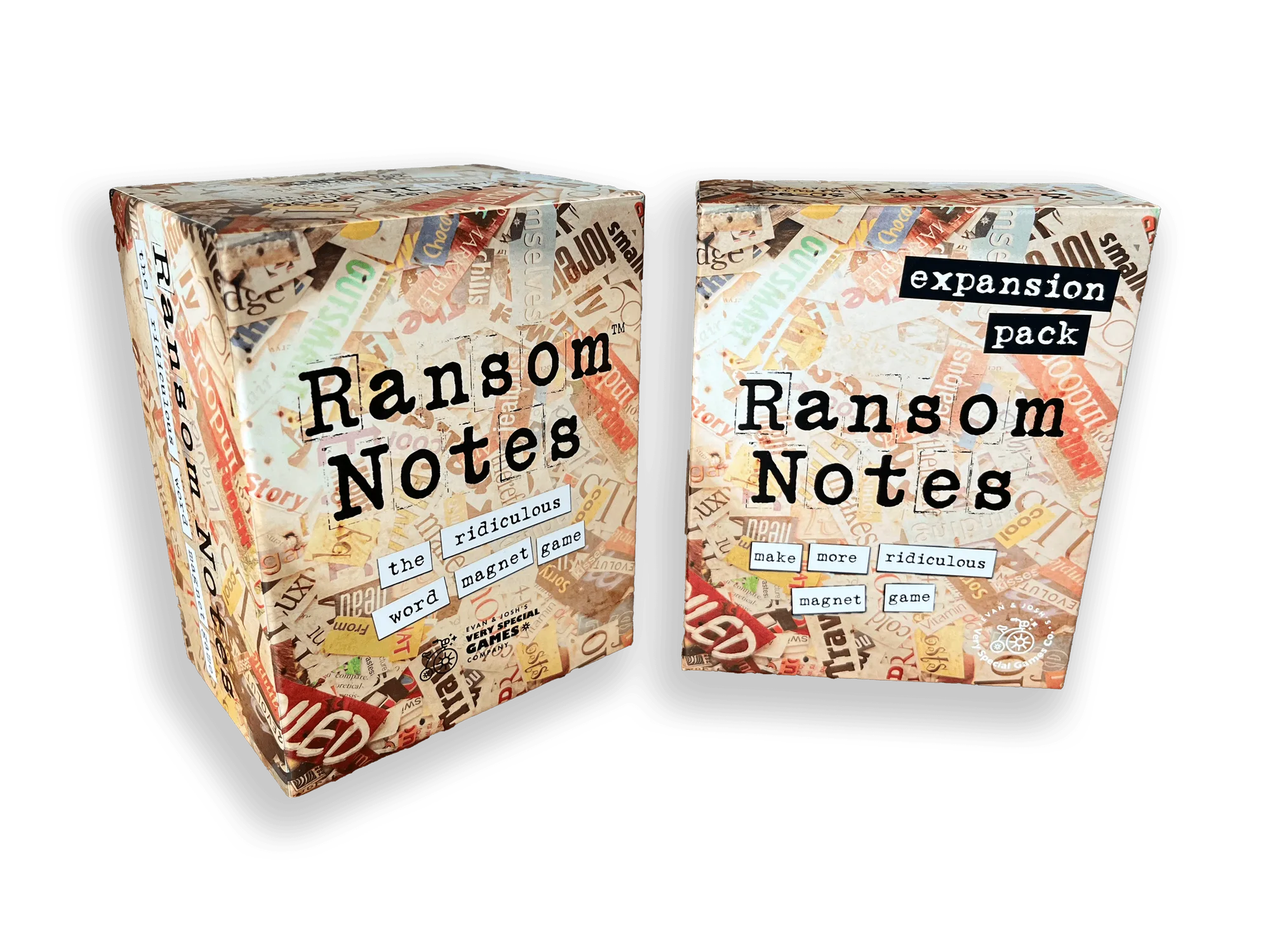
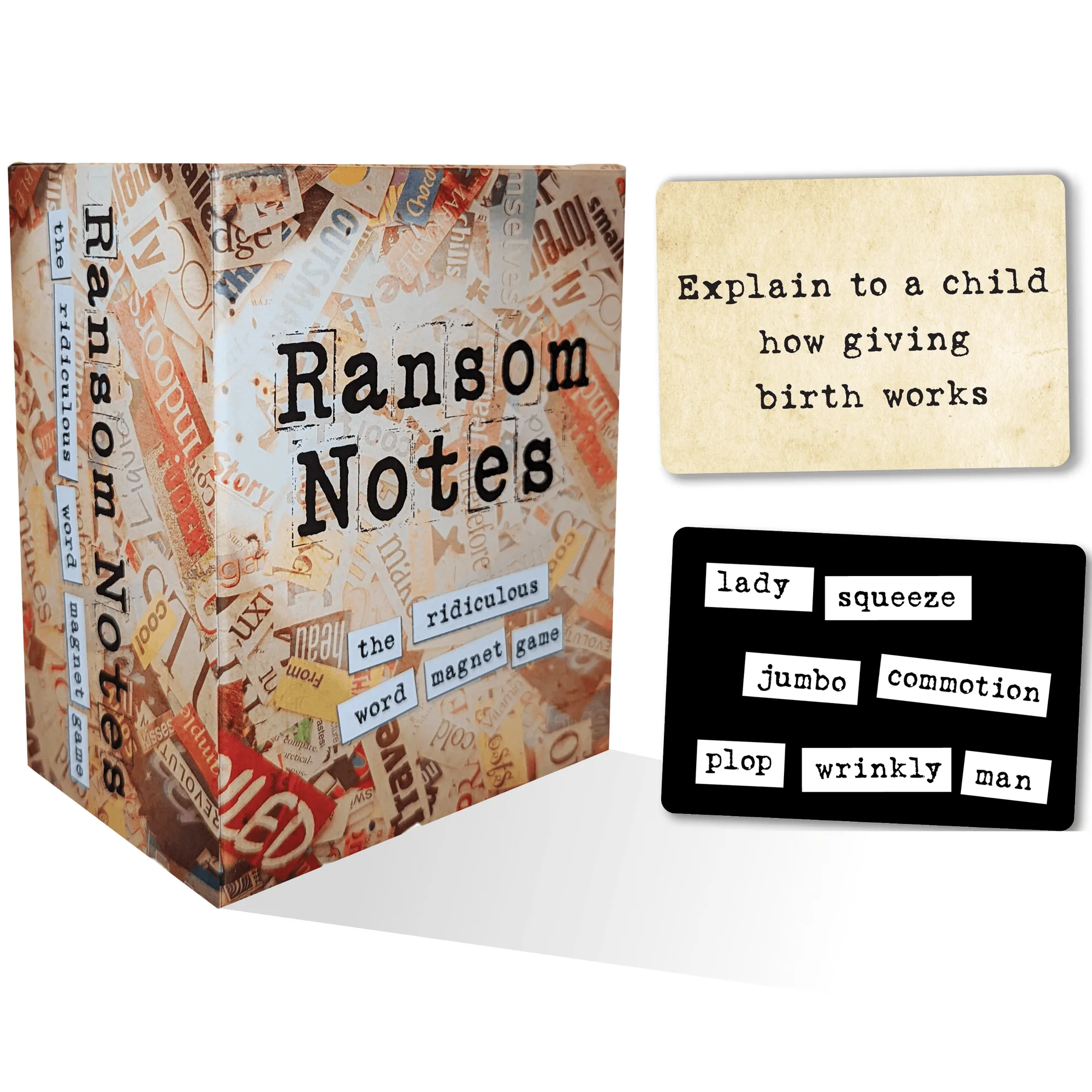
- Ransom Notes: Base Game + Expansion Pack Combo: This combo includes the original Ransom Notes Base Game plus the Expansion Pack. Two card sets in one box is a common source of loose-card wear. Keeping the base game and expansion separated in the insert or in their own bags prevents edges from rubbing together.
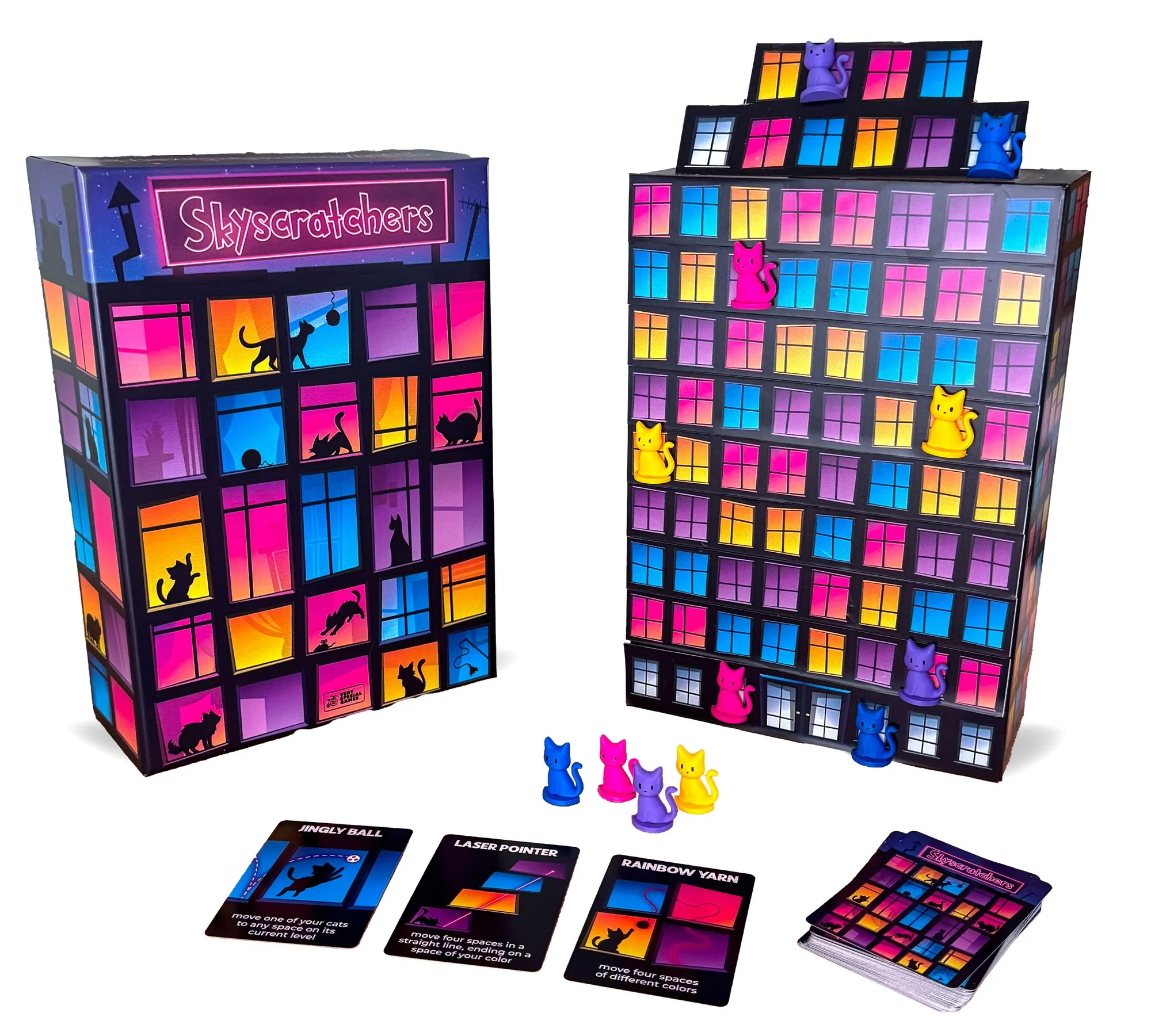
- PRE-ORDER Skyscratchers: A Sneakily Strategic Game of Escaped Cats: The Skyscratchers base game is a pre-order that ships October 2026, and the listing describes it as a 30-minute game for friends and family. If you pre-order now, you have time to plan a dry, upright shelf spot before it arrives, rather than leaving it in the shipping box on the floor.