Quick answer
Choose passata when you want a clean, uncooked tomato base you season and cook yourself, and choose jarred tomato sauce when you want dinner on the table in minutes. Passata is made from fresh tomatoes rather than cooked ones, so it tastes lighter and lets you control salt, herbs, and texture. If you cook often, keep both: passata for sauces and braises you build, sauce for nights you don't want to think.
The real difference between passata and tomato sauce
Passata is essentially strained, uncooked tomatoes. It has a smooth, pourable body and a fresh, bright flavor because the tomatoes are not cooked down before packaging. Tomato sauce, by contrast, is a finished product: the tomatoes have already been cooked, usually with olive oil, salt, garlic, or herbs, so it arrives tasting like a sauce rather than an ingredient.
That distinction matters because it decides how much work you do. Passata is a starting point; tomato sauce is an endpoint. When you cook passata, you are building flavor from the ground up, which is why it works so well in recipes where you want the tomato to stay lively rather than heavy.
How passata behaves in the pan
Because passata is uncooked, it reduces quickly and takes on whatever you add. A short simmer with olive oil and a pinch of salt gives you a simple, fresh-tasting sauce in about 15 minutes. Longer cooking deepens it without turning it into the sweet, concentrated flavor you get from many jarred sauces.
Passata also holds its texture better in dishes where you want tomato to coat rather than dominate, such as seafood, baked pasta, or a quick pan sauce. Crushed tomatoes are chunkier and cook down differently, so they are better when you want visible pieces of tomato in the finished dish.
Where jarred tomato sauce wins
Tomato sauce is the practical choice when time is the main constraint. It is already seasoned and cooked, so you can heat it and serve it over pasta, use it on a pizza, or spoon it into a skillet without adjusting much. The trade-off is control: you inherit the salt level, sweetness, and herb profile the producer chose.
If you keep one jar of sauce and one bottle of passata, you cover both needs. Use sauce for fast weeknight meals and passata for recipes where the tomato itself is the point.
Why nickel-free passata is worth knowing about
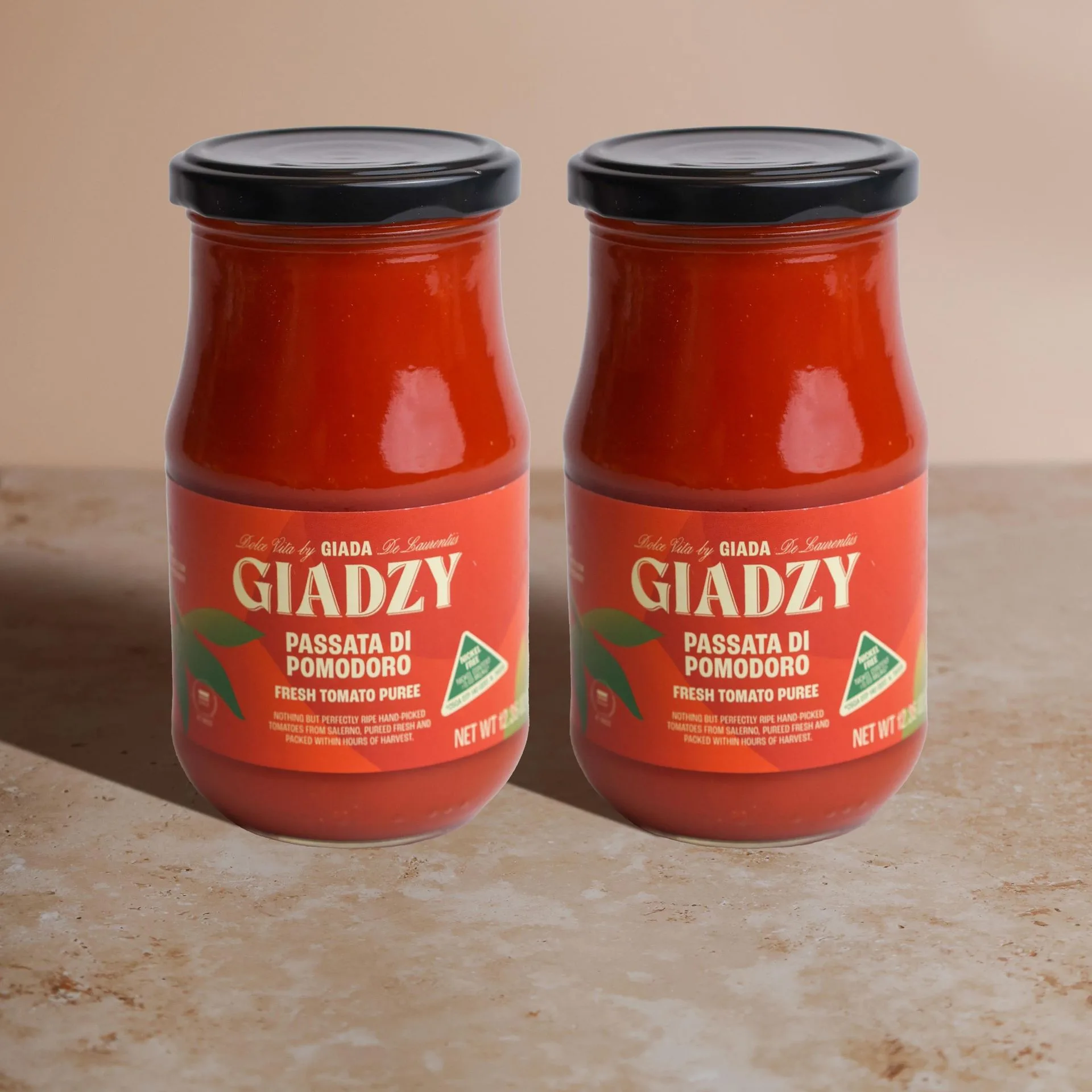
Some people avoid nickel in food for sensitivity reasons, and standard canned tomatoes can carry measurable nickel from soil and packaging. Giadzy's tomato passata is certified nickel-free at less than 0.03ppm, which is a meaningful difference if you are cooking for someone who reacts to nickel.
This does not change how passata cooks, but it does change who can comfortably eat the sauce you make with it. If nickel content is not a concern for you, choose passata on flavor and control alone.
Trade-offs at a glance
- Flavor control: Passata gives you full control over salt, herbs, and sweetness because it is uncooked and unseasoned. Jarred sauce arrives already balanced. Pick passata if you like to taste and adjust as you cook.
- Time to dinner: Passata needs at least a short simmer to become a sauce. Jarred sauce needs only reheating. Keep one jar of sauce for nights when 15 minutes is too long.
- Texture in the finished dish: Passata is smooth and pourable; crushed tomatoes are chunkier. Each gives a different final body to the sauce. Use passata when you want a coating sauce, crushed tomatoes when you want visible pieces.
- Dietary fit: Giadzy passata is certified nickel-free at less than 0.03ppm, which matters if you cook for someone with nickel sensitivity. Check the label if nickel content is a concern for your household.
Giadzy options compared
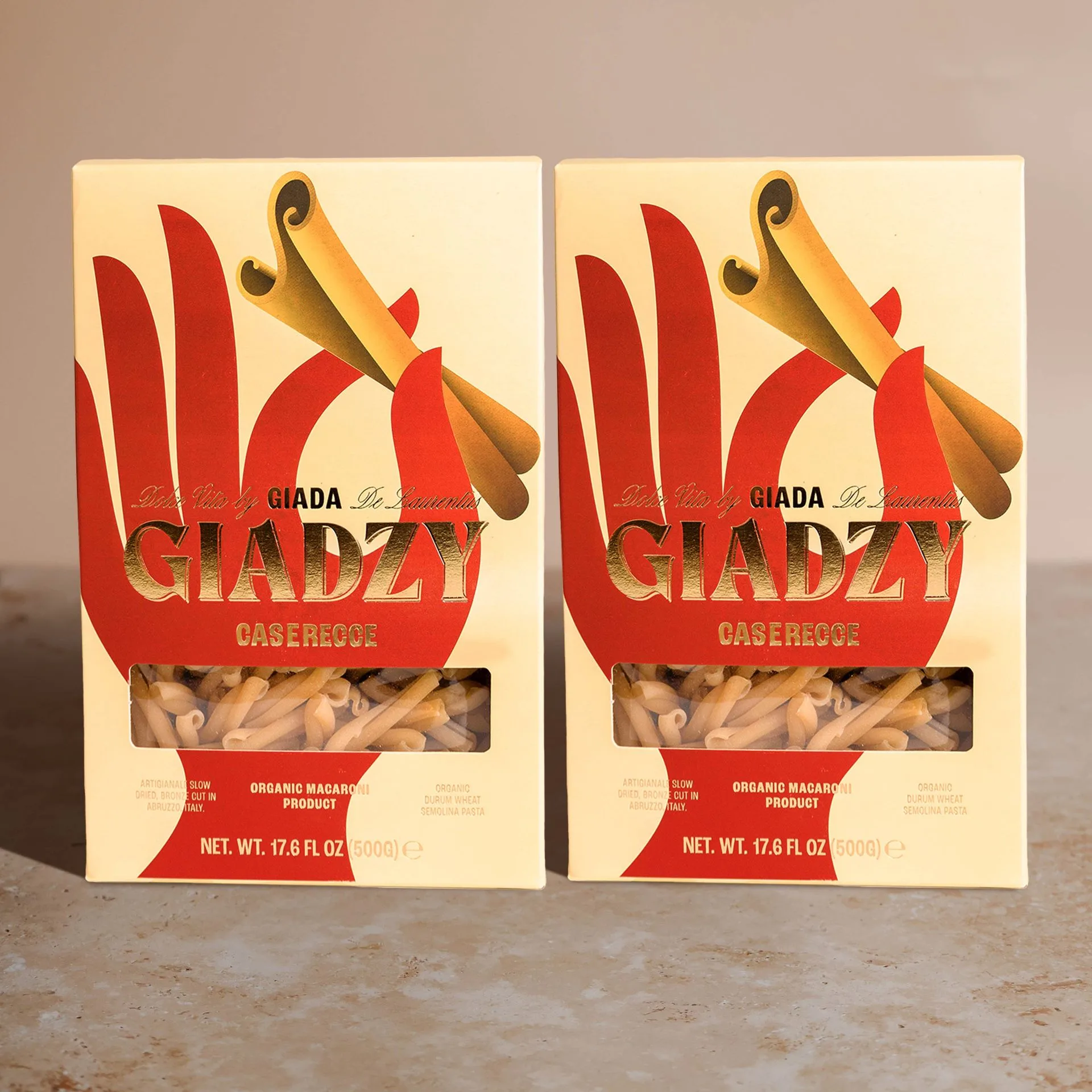
- 2-Pack Nickel-Free Tomato Passata: A 2-pack of nickel-free tomato passata, made with fresh tomatoes rather than cooked ones for an elegant lightness of flavor and texture. Buying two means you can keep one for everyday sauces and one for a batch of braised or baked dishes without running out mid-recipe.
- Nickel-Free Tomato Passata: Single nickel-free tomato passata, certified nickel-free at less than 0.03ppm, made from fresh tomatoes instead of cooked. A single bottle is the low-commitment way to test whether you prefer building sauces from passata before stocking up.
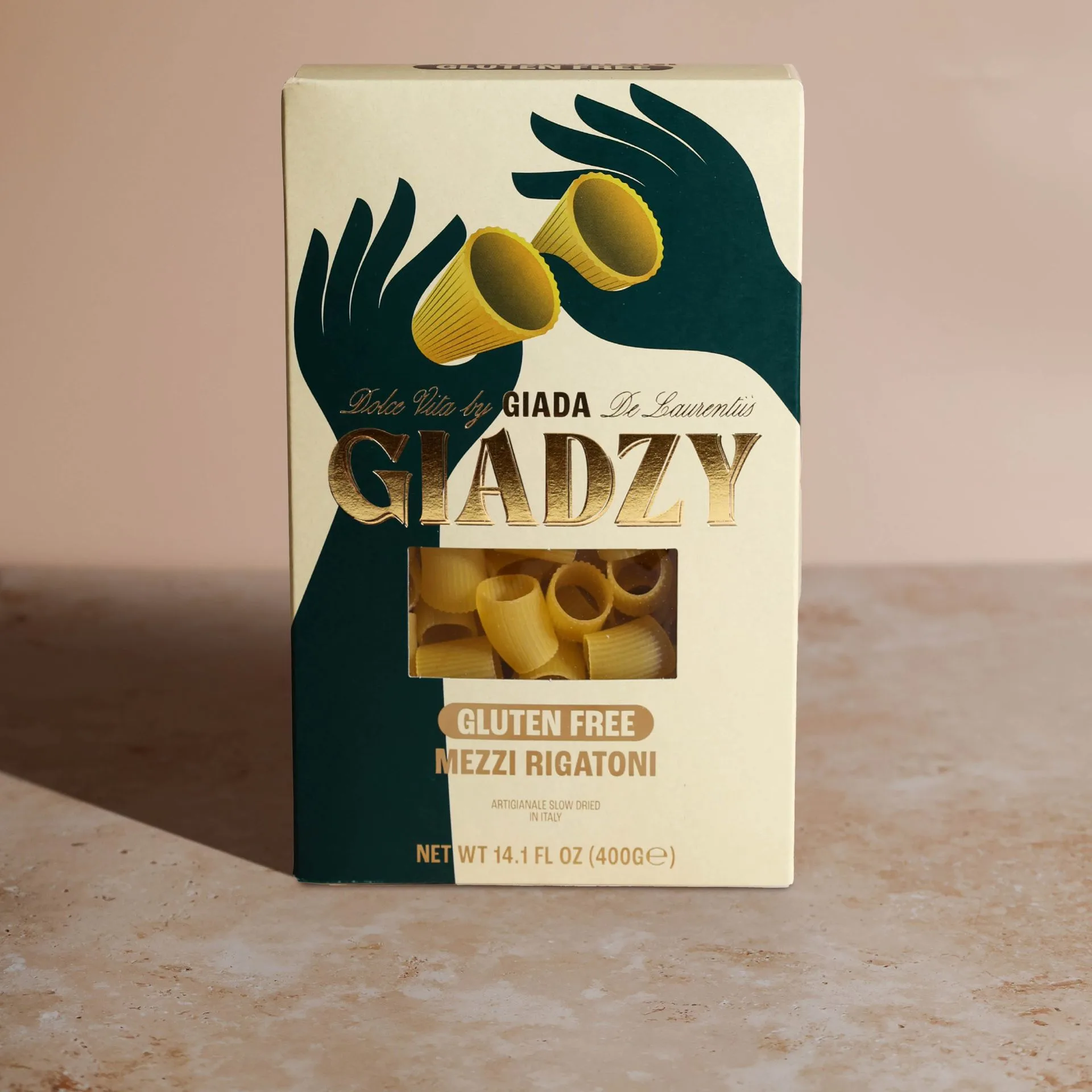
- 2-Pack Gluten-Free Taccole Corte Pasta: A 2-pack of gluten-free taccole corte pasta with ruffled edges and a short rectangular shape. The ruffled surface holds a light passata-based sauce well, so it is a natural pairing if you are cooking gluten-free.
Which should you buy?
Best for
- Home cooks who want to build and season their own tomato sauces
- Anyone cooking for a household that avoids nickel
- Recipes where a light, fresh tomato flavor matters more than convenience
Not for
- Cooks who want a finished, seasoned sauce straight from the jar
- Recipes that specifically call for chunky crushed tomatoes
- Anyone unwilling to spend even 15 minutes simmering before serving