Quick answer
A passport cover is worth it if you travel often, hand your passport to hotel desks or tour operators, or want one place for your passport, cards, and a boarding pass. Skip it if you travel rarely, keep your passport in a hard-shell case, or need to remove it constantly for automated border gates. The deciding factor is not protection alone but how often you open and hand over your passport.
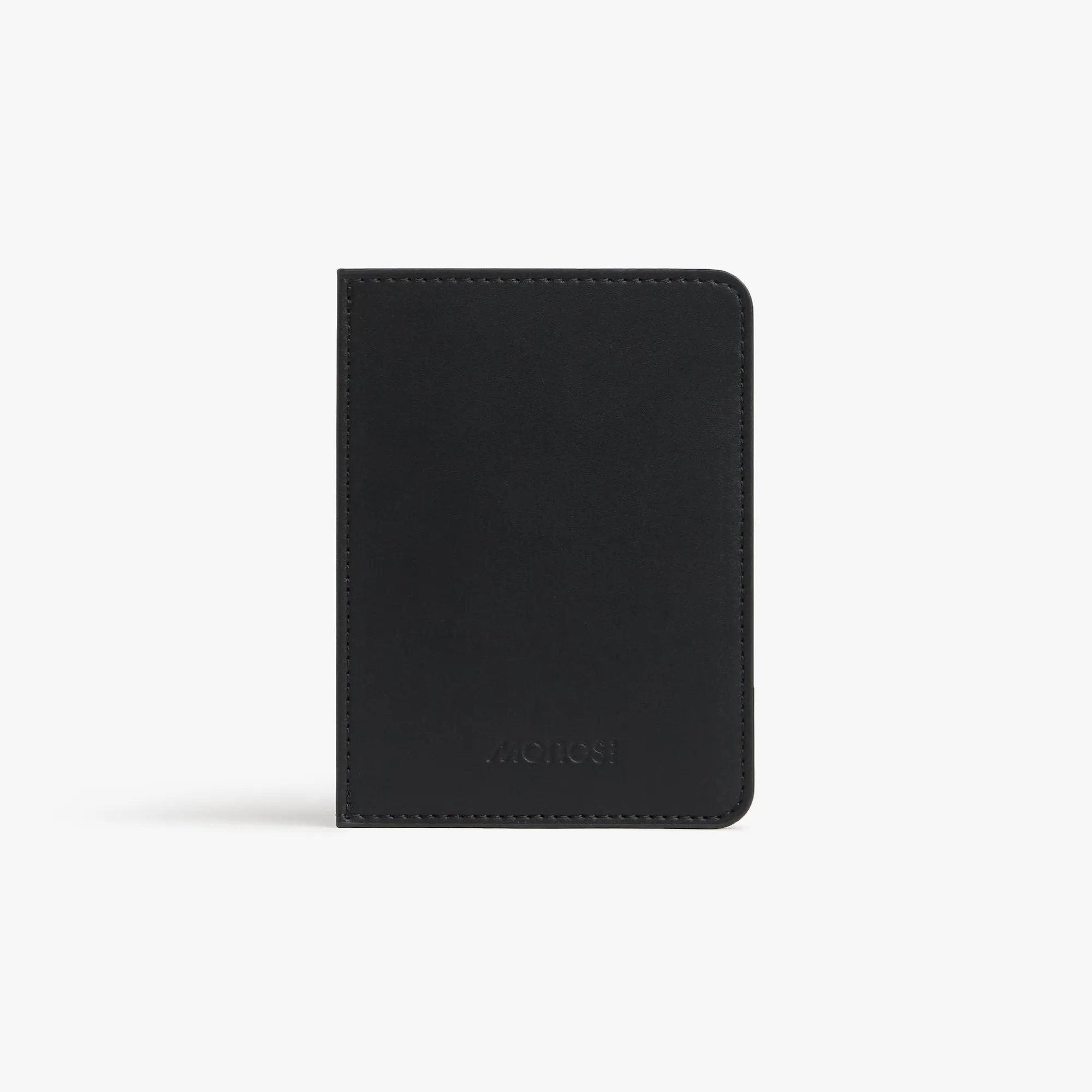
passport cover
Most travelers buy a passport cover for the wrong reason. They picture a scuffed passport and imagine a cover fixes it. In practice, a passport is already a sturdy booklet, and the real wear comes from how often you pull it in and out of a bag, not from the cover itself.
The better question is whether a travel passport holder earns its space in your bag. That depends on your trip style, how many documents you carry, and whether you want your passport visible or tucked away. This guide walks through the trade-offs so you can decide before you buy.
What a passport cover actually does
A passport cover is a sleeve or case that holds your passport booklet, and often a few cards, a boarding pass, or a second document. Its value comes from consolidation and surface protection, not from making your passport waterproof or theft-proof. It keeps the cover of your booklet from scuffing and keeps loose items from sliding around your bag.
The trade-off is access. Every time you need to open the booklet, you handle two objects instead of one. At a hotel check-in or a rental car desk, that is fine. At an automated border gate that asks you to scan the photo page, a cover you have to remove becomes friction.
- Choose a cover if you hand your passport to other people often.
- Skip a cover if your main use is self-service border gates.
- Treat a cover as organization, not as security.
When a cover earns its place
Frequent flyers and families get the most from a travel passport holder. If you are managing several passports, a cover keeps each one identifiable and stops them from fanning open in a tote. If you travel for work and carry a card or two plus a boarding pass, a single holder replaces three loose items.
Travelers who stay in hotels and hand over a passport at check-in also benefit. The cover keeps the booklet closed and clean while it sits on a counter, and it gives you a defined pocket for the key card or receipt you get back.
- Label or color-code covers when traveling with family.
- Keep only the cards you actually use in the holder.
- Empty the holder after each trip so it does not become a junk drawer.
When a cover is unnecessary
If you fly a few times a year and go straight through automated gates, a cover mostly adds a step. The same applies if you already carry a hard-shell passport case or a travel wallet that holds your passport flat. Two overlapping organizers create bulk without adding function.
Minimalists who carry one bag and no extras may also prefer to skip it. A naked passport slides into an interior pocket easily, and you never have to think about where the cover went.
- Do not stack a cover inside a passport-holding travel wallet.
- If you remove your passport often, test the cover on one trip first.
- A cover is not a substitute for a secure bag pocket.
How to judge a cover before you buy
Look at three things: how the passport is held, how the closure works, and what else fits. A snug sleeve keeps the booklet from sliding out, while an open sleeve can dump it on the floor. A closure that stays shut without a strap you have to rethread is easier to use one-handed at a counter.
Then check what else you need to carry. If you want your ID, a card, and a boarding pass in one place, a holder with a few slots makes sense. If you only want the passport protected, a slimmer sleeve is lighter and less tempting to overfill.
- Check that the passport does not shift when you shake the closed cover.
- Prefer a closure you can open and close with one hand.
- Match the size to your bag pocket, not the other way around.
Materials, care, and honest limits
Vegan leather and coated fabrics resist everyday scuffs and wipe clean, which is enough for most trips. They are not armor. A cover will not stop a passport from being lost, and it will not protect against water if you submerge a bag. If you expect heavy rain, a zip pouch inside your bag does more than a cover alone.
Care is simple: wipe the surface, let it dry fully before storing, and avoid leaving it pressed under heavy luggage for months. A cover that stays damp or crushed will lose its shape faster than one that is used and aired.
- Wipe with a soft damp cloth, then air dry.
- Do not machine wash a structured cover.
- Store flat or lightly filled so it keeps its shape.
Decision rules for buying a passport cover
- Rule 1: Count how often you hand over your passport: If you hand it to hotel desks, tour guides, or rental counters more than twice per trip, a cover pays off. If you only use automated gates, it adds a step. Handover frequency is the strongest signal.
- Rule 2: Decide between a sleeve and a holder: A sleeve protects the booklet only. A holder with slots also carries cards and a boarding pass, but it is bulkier and easier to overfill. Buy for the items you actually carry, not the items you might.
- Rule 3: Check the closure and fit: The passport should not shift when the cover is closed and shaken, and you should be able to open it one-handed at a counter. A loose cover is worse than no cover.
- Rule 4: Avoid doubling up: Do not put a cover inside a travel wallet that already holds a passport. Pick one organizer and let the other go. One organizer per document.
- Rule 5: Match material to your climate: Water-resistant vegan leather handles daily scuffs and wipes clean. It is not waterproof, so add a zip pouch for wet conditions. Treat the cover as scuff protection, not weather protection.
Monos options that solve the same problem
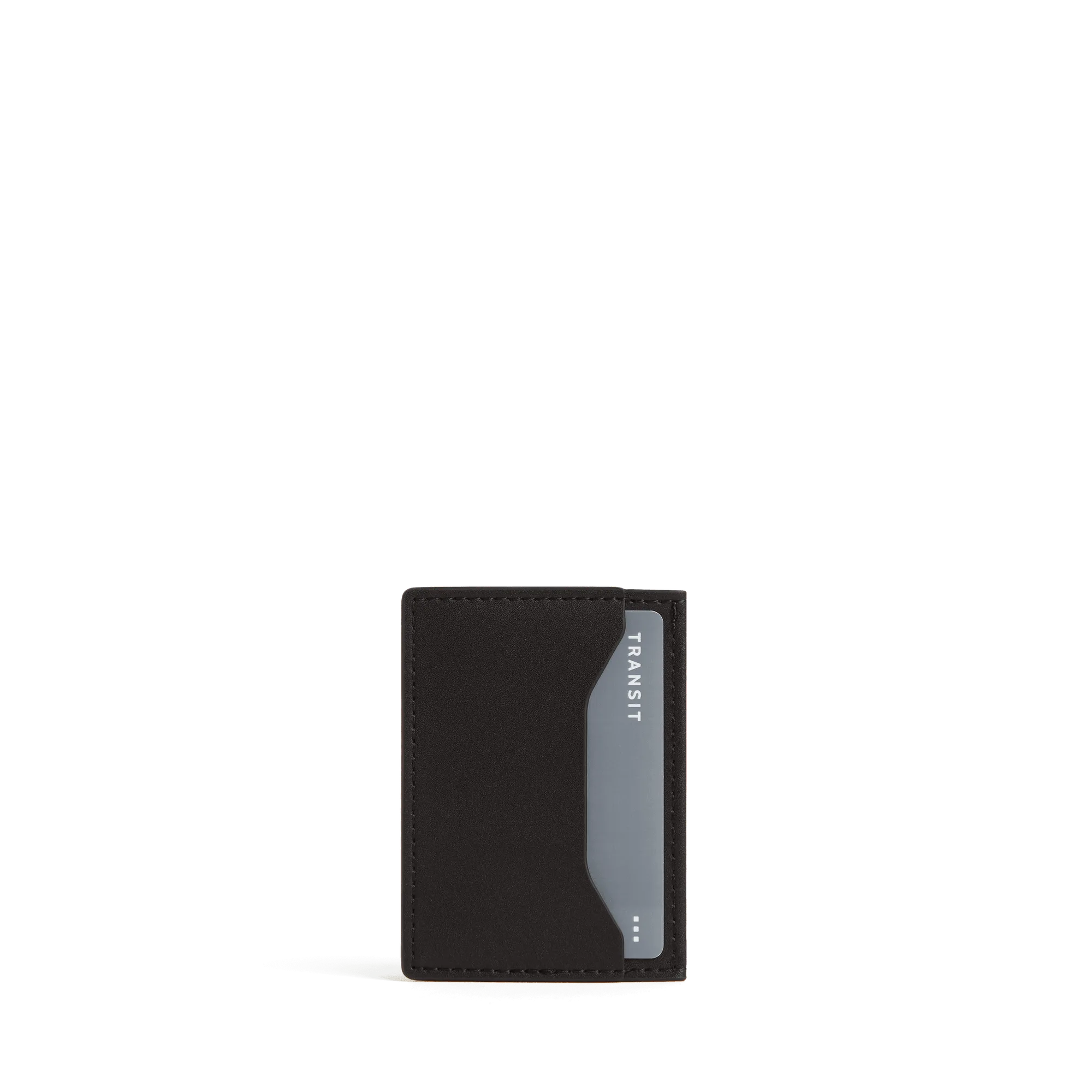
- https://monosedx.com/products/slim-wallet-pro-16921a227949d8441b26cfaa-1800867Slim Wallet Pro: Crafted from scratch and water-resistant vegan leather with a slide function for cards, a separate ID window, and a lifetime warranty. If you want one slim item for cards and ID instead of a passport cover, this keeps your documents organized without adding a second holder.
- Travel Jewelry Case: A modular design with removable earring and ring panels and a removable vegan leather pouch, compact enough to fit in a purse or luggage. Shows the same modular approach applied to small valuables, useful if you prefer separate organizers over one combined travel document holder.
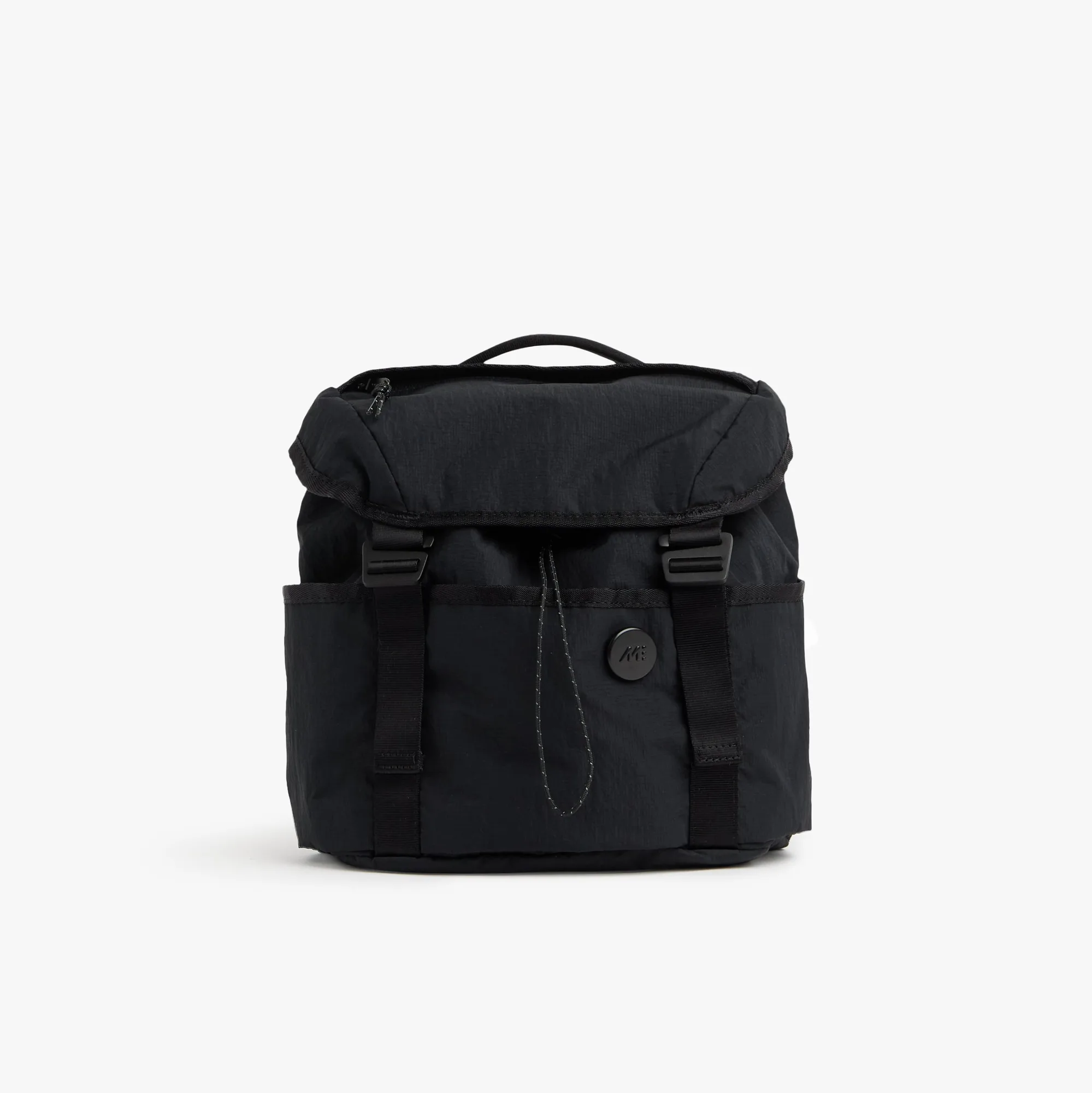
- Field Small Backpack: Made from lightweight crinkled nylon with a poly-batting core and rPET liner, top-loading with interior and exterior organization. A bag with dedicated organization reduces the need for a cover, because your passport has a defined pocket instead of floating loose.
Who should buy one
Best for
- Frequent travelers who hand their passport to hotel desks, tour operators, or rental counters
- Families managing several passports who need each one identifiable and closed
- Travelers who want passport, ID, and a boarding pass in one place
Not for
- Travelers who mainly use automated border gates and open their passport themselves
- Anyone already carrying a hard-shell passport case or a passport-holding travel wallet
- Minimalists who keep a single passport in a dedicated bag pocket and want no extra step
A passport cover is a small organizational tool, not a security device. Buy one if you hand your passport to other people often or want your documents in one place. Skip it if you rarely open your passport or already carry a passport-holding wallet, and put the space toward a bag with better pockets instead.