Quick answer
Choose pins if you want to rearrange your jacket decoration ideas often, move pieces between a hat, bag, and lanyard, or start a collection without committing to one garment. Choose patches if you want a fixed, sewn-in look that survives heavy wear and washing. Many collectors do both: pins for rotation, patches for permanence.
Jacket decoration is personal, but the patch vs pin decision usually comes down to one question: do you want to change your setup later? Pins snap on and off in seconds, so you can rearrange them whenever a new design arrives. Patches are stitched or ironed into place, so they stay exactly where you put them.
That difference shapes everything else, from how much a piece costs to how it feels against fabric. This comparison walks through attachment, wear, display, and collecting habits so you can pick the format that matches how you actually use your gear.
How each one attaches and stays put
Pins use a post and clutch. You push the post through fabric, then press the rubber clutch onto the back. That means no tools, no waiting, and no permanent mark if you change your mind. The trade-off is that a pin can rotate, sit at an angle, or catch on a strap if the clutch loosens. Checking the clutch before you head out solves most of that.
Patches attach by sewing or by iron-on adhesive, depending on the patch. Sewn patches hold through repeated washing and heavy movement, which is why they are common on denim jackets, workwear, and bags. Iron-on patches are faster but can lift at the corners over time. If a patch matters to you, sewing is the more durable route.
- Test a pin on an inside seam before you pierce a visible panel.
- Back a patch with a small piece of interfacing if the fabric is thin.
Wear, washing, and daily handling
Pins sit proud of the fabric, so they can snag on seatbelts, backpack straps, and knit sleeves. They also add a small amount of weight to one spot, which can pull a light tee out of shape if you cluster too many. On a structured jacket or a canvas bag, that is rarely an issue.
Patches lie flat and move with the garment. Once sewn, they handle machine washing far better than pins, which you should remove before a wash cycle. If you wear the same jacket daily and rarely change its look, patches are the lower-maintenance choice. If your jacket is a rotating display, pins win.
- Remove pins before washing any garment.
- Turn patched garments inside out to protect stitching.
Cost, collecting, and display
Pins tend to be the cheaper entry point, which makes them easy to collect in sets or trade with other fans. Small pins can start around a few dollars, so building a themed board or lanyard does not require a big outlay. That low cost also makes pins a good gift or convention pickup.
Patches usually cost more per piece because of size and production, but they cover more surface area and read clearly from a distance. Collectors often keep pins on a display board and reserve patches for a single signature jacket. Neither format is better; they simply serve different display habits.
- Store pins on felt or cork so posts do not bend.
- Keep unused patches flat and dry to protect adhesive backing.
Mixing patches and pins on one jacket
You do not have to choose. A common approach is to sew one or two larger patches as anchors on the back or chest, then use pins for smaller accents on the collar, pocket, or sleeve. This gives the jacket a stable structure while leaving room to swap the details.
Keep placement intentional. Put heavier patches where the fabric is reinforced, and keep pins away from areas that rub against a bag strap. If you plan to add more over time, leave open space rather than filling every panel at once.
- Anchor patches first, then add pins around them.
- Leave one panel open for future additions.
Patch vs pin trade-offs at a glance
- Attachment effort: Pins attach in seconds with a post and clutch; patches require sewing or ironing, and sewn patches take the most time. Pick pins if you want zero-commitment placement.
- Durability through washing: Sewn patches tolerate repeated washing; pins should be removed before any wash cycle to avoid snags and loss. Pick patches if the garment gets washed often.
- Flexibility over time: Pins can be moved between jackets, hats, bags, and lanyards; patches are fixed once attached and may leave marks if removed. Pick pins if your layout changes with each new release.
- Cost and collecting pace: Pins are typically the lower-cost entry, making sets and trades easier; patches cost more per piece but cover more area. Start with pins to build a collection quickly.
Two collectible pins that show the format in practice
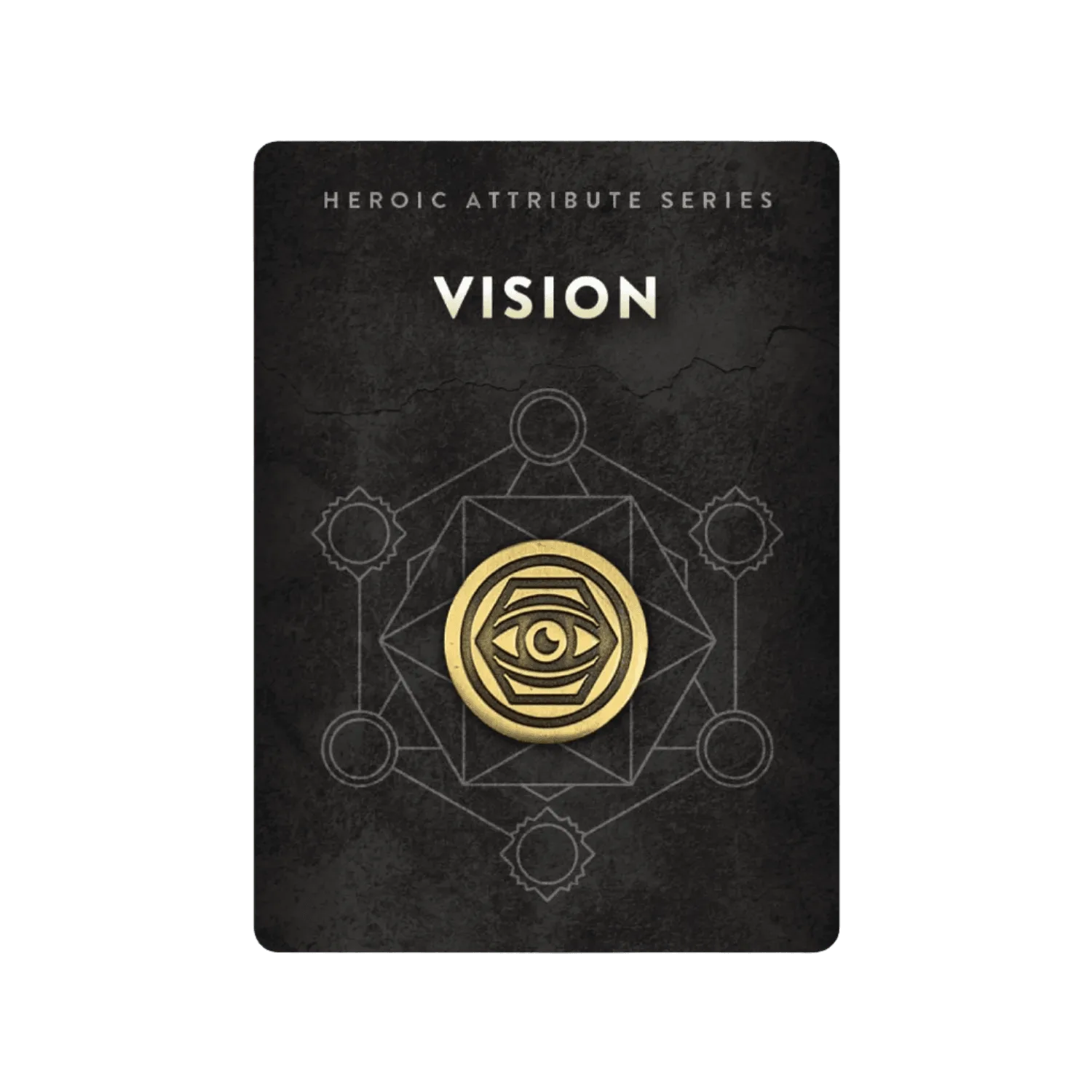
- Heroic Attribute Series: Vision Pin: The Vision pin from the Vindication® Heroic Attribute pin series includes one pin, a rubber clutch, and a backer card. The included clutch and backer card mean it is ready to wear or display immediately, and the card makes it easy to store or gift without extra packaging.
- Gamer Motivation Series: Aesthetics Pin: The Aesthetics pin is a soft enamel pin with a single rubber clutch and a custom two-sided backer card. Soft enamel gives a slightly recessed, textured finish that reads well on a jacket or lanyard, and the two-sided card adds display value for collectors who keep pieces out of rotation.
Which should you choose?
Best for
- Collectors who rotate their jacket decoration ideas and move pieces between garments
- Fans building a themed pin board, lanyard, or convention display on a modest budget
- Anyone who wants to add a collectible to a hat, bag, or jacket without sewing
Not for
- People who want a permanent, sewn-in look that survives frequent washing without removal
- Those who dislike small hardware that can snag on straps or knit fabric
- Collectors who prefer one large statement piece over several small accents
If you want flexibility, start with pins and build a rotation you can rearrange whenever you like. If you want a jacket that keeps its look through daily wear and washing, commit to patches. Either way, choose pieces you actually enjoy seeing, and leave room for the next one.