Quick answer
Rinse your Paterson developing tray immediately after each session with lukewarm water, wash it with a mild non-abrasive soap, and dry it completely before storing it flat or on edge away from direct sunlight. This routine prevents chemical stains, scratches, and cross-contamination that can ruin prints.
Why tray material and size affect your cleaning routine
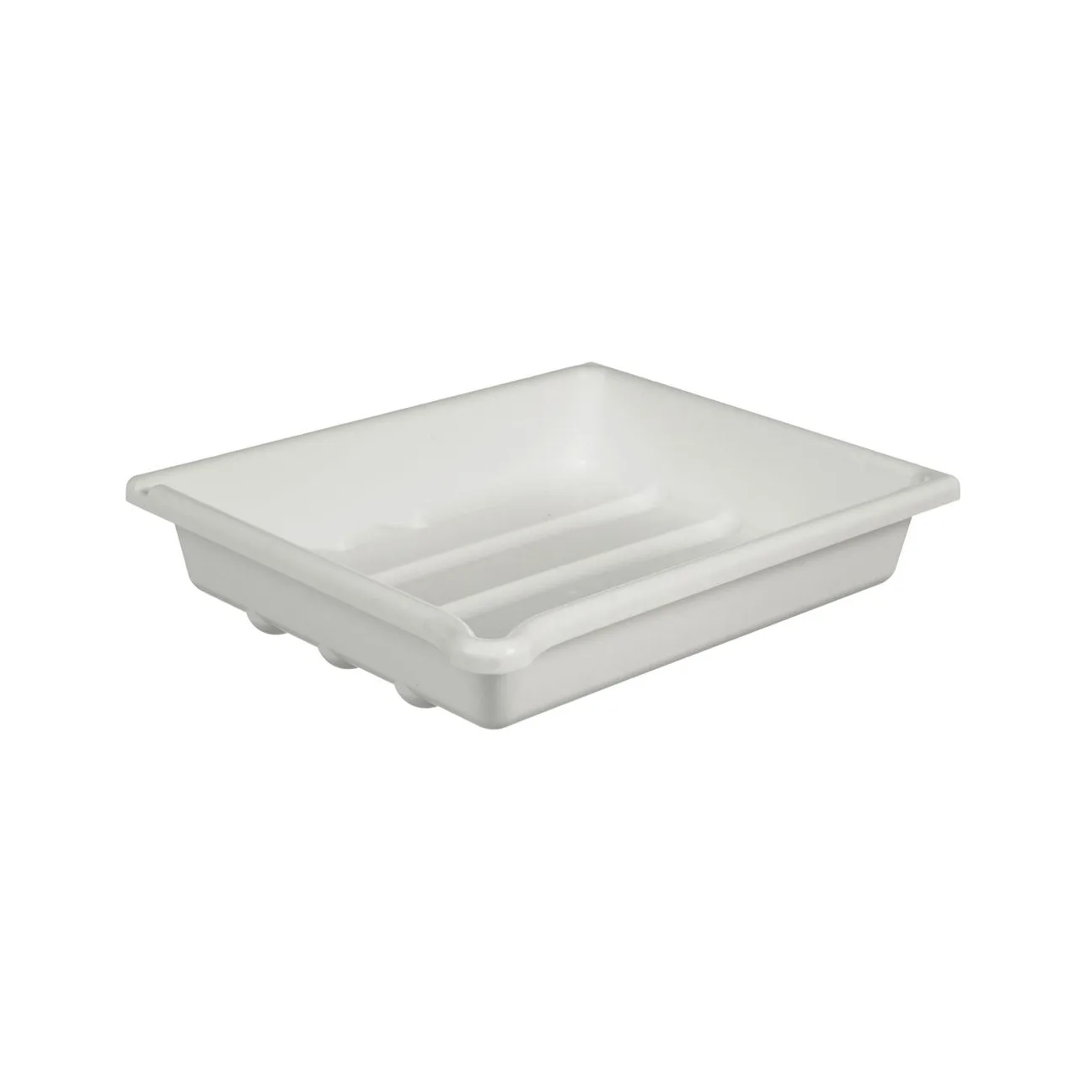
The Paterson Plastic Developing Tray for 8×10″ paper is made of plastic, which is lightweight and resistant to most photographic chemicals but can scratch if you use abrasive pads or gritty cleaners. Scratches create tiny traps for silver residue and dye, so a tray that looks clean can still contaminate the next batch of chemistry. Because this tray is sized for 8×10″ paper, it holds a relatively small volume of liquid; that means fresh developer, stop bath, and fixer are used in smaller quantities, and any residue left behind will be more concentrated. Rinse and wash after every use rather than waiting until the end of a printing session.
Daily rinse and wash: the two-minute habit
As soon as you finish printing, pour out the chemistry according to your local disposal rules, then rinse the tray with lukewarm water. Follow with a wash using a mild liquid soap and your bare hands or a soft sponge. Avoid hot water, which can warp thin plastic, and avoid scented or antibacterial soaps that may leave a film. Pay attention to the corners and the rim, where developer and fixer tend to pool. After washing, rinse again with lukewarm water and shake off the excess. If you process multiple trays in one session, clean each tray separately to avoid transferring fixer into the developer tray.
Deep cleaning stubborn stains without damaging the tray
If a tray has developed brown or gray stains from oxidized developer or spent fixer, fill it with warm water and add a small amount of a photographic tray cleaner or a diluted solution of sodium sulfite. Let it soak for 15–30 minutes, then wipe with a soft cloth. Do not use bleach, acetone, or scouring powders; they can cloud the plastic or leave residues that affect future chemistry. For hard water spots, a brief soak in white vinegar followed by a thorough rinse usually works. Always rinse at least three times after any deep clean, because residue from cleaning agents can inhibit developer activity.
Drying and storage that prevent warping and contamination
After the final rinse, dry the tray with a clean, lint-free cloth or let it air-dry upside down on a drying rack. Storing a tray while it is still wet encourages mold and can leave water spots that are difficult to remove. Once dry, store trays either stacked with a sheet of paper or a soft cloth between them, or on edge in a cabinet. Keep them out of direct sunlight and away from heaters, because prolonged heat can distort the plastic. If you use the same tray for different chemicals, label the tray or dedicate one tray to each step to avoid cross-contamination. For a small 8×10 tray, a dedicated shelf or a plastic storage bin works well.
Step-by-step tray care routine
- Rinse immediately after use: Pour out chemistry safely, then rinse the tray with lukewarm water to remove the bulk of developer, stop bath, or fixer before it dries. Checkpoint: no visible chemical film or slippery feel remains.
- Wash with mild soap and a soft sponge: Use a few drops of mild liquid soap and your hands or a non-abrasive sponge. Clean the corners and rim where residue collects. Mistake to avoid: using scouring pads or gritty cleansers that scratch the plastic.
- Rinse thoroughly with lukewarm water: Rinse at least twice to remove all soap. Hot water can warp the tray, so keep it lukewarm. Checkpoint: water sheets off evenly without soap bubbles.
- Deep clean stains if needed: Soak with a photographic tray cleaner or diluted sodium sulfite for 15–30 minutes, then wipe with a soft cloth and rinse three times. Mistake to avoid: mixing bleach or acetone, which can damage the plastic and leave harmful residues.
- Dry completely: Air-dry upside down on a rack or towel-dry with a lint-free cloth. Do not stack wet trays. Checkpoint: no moisture remains in corners or along the rim.
- Store flat or on edge away from heat and light: Stack with paper or cloth between trays, or store on edge in a cabinet. Keep out of direct sunlight and away from heaters. Next step: label trays if you dedicate them to specific chemicals.
Product facts
- Paterson Plastic Developing Tray – for 8×10″ Paper(White): Paterson Plastic Developing Tray – for 8×10″ Paper (White), catalog price USD 5.17, comparison price USD 7.49. An affordable tray makes it practical to keep a spare on hand, so you can rotate trays while one dries or dedicate one to a single chemical.