Quick Answer
If you want your camera attached to your hand and out of the way, the Peak Design Cuff Camera Wrist Strap (Ocean) is the better fit. If you prefer hands-free carrying and cross-body comfort over long sessions, the ProMaster Tapestry Strap QR in Blue Mountain is the stronger choice. Both use quick-release hardware, so the real decision is wrist versus neck carry, not brand.
Wrist Loop vs Neck Strap: The Core Trade-Off
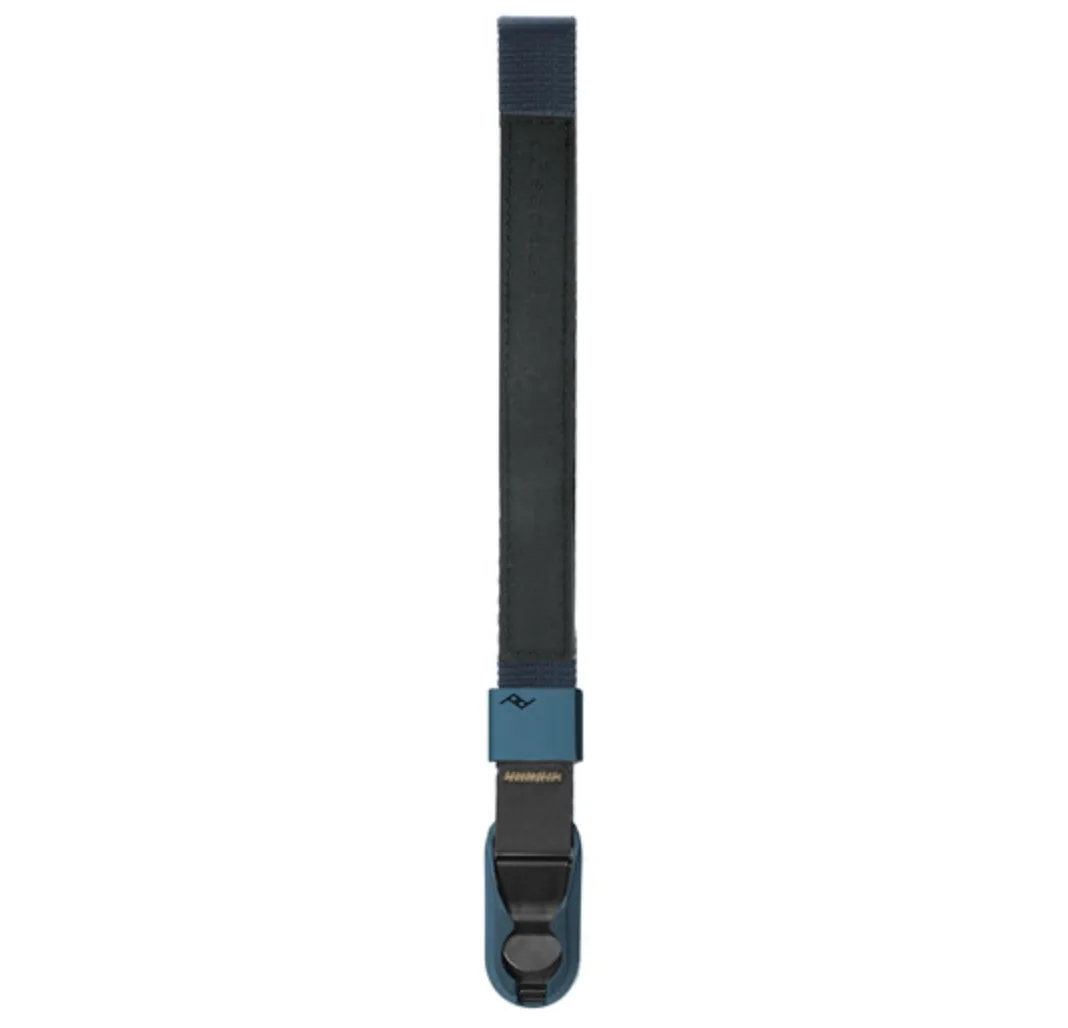
The Peak Design Cuff keeps the camera tethered to your wrist with a secure wrist-loop design, so it stays firmly attached during movement and never dangles at your side. That makes it ideal for street shooting, travel, or any time you want the camera instantly in hand without a strap swinging across your body. The trade-off is that your hand is committed to the camera between shots.
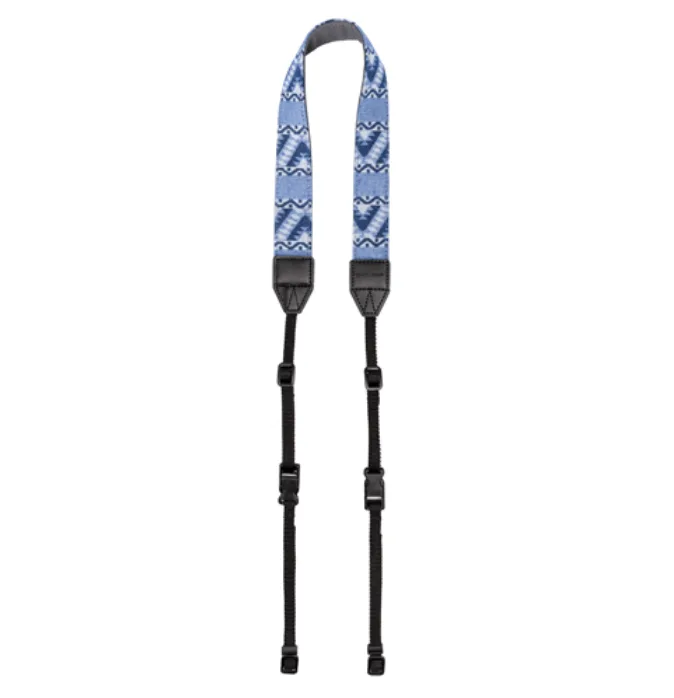
The ProMaster Tapestry Strap QR is a neck and shoulder strap with a soft microfiber backing and an adjustable length from 36 to 58 inches, which supports comfortable cross-body wear. That frees both hands and distributes weight across your torso, but the camera hangs at your side and can swing while you walk. Choose the Cuff when access matters most; choose the Tapestry when endurance and free hands matter most.
Quick Release: Similar Feature, Different Job
Both straps include quick-release hardware, but they solve different problems. The Cuff's quick-release mechanism lets you detach the camera swiftly when you want to set it down or switch to another strap. The Tapestry's quick-release buckles let you take the strap off without threading it over your head, which is handy when you are wearing a hat, glasses, or a backpack.
If you often move between a wrist strap and a neck strap, the Cuff's detach speed is the more useful feature. If you mostly wear one strap all day and want easy on-and-off, the Tapestry's buckles win. Neither system is objectively faster; it depends on how often you switch.
Comfort Over a Full Day of Shooting
The Cuff is a wrist loop, so it does not carry the camera's weight for you. That is fine for short sessions or lightweight bodies, but a heavy DSLR or telephoto lens will tire your hand. The Tapestry's microfiber backing and adjustable length are designed for extended wear, and cross-body positioning spreads the load across your shoulder and back rather than your wrist.
If your typical outing lasts more than an hour or you shoot with a heavier kit, the Tapestry is the more comfortable option. If you shoot in short bursts and value instant access, the Cuff's minimal bulk is an advantage.
Storage and Protection for Either Setup
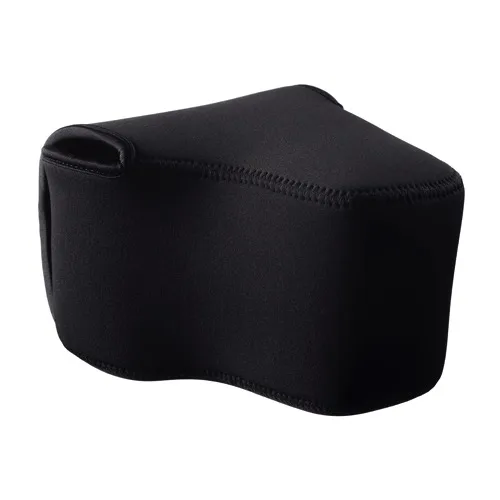
Whichever strap you choose, you still need a safe place for the camera between shoots. The ProMaster Neoprene DSLR Camera Pouch - Small offers lightweight protection with fast access, a zippered compartment for accessories, and a built-in tether with quick-release buckle that connects to your camera's neck strap. That tether pairs naturally with the Tapestry, letting the pouch hang out of the way while you shoot.
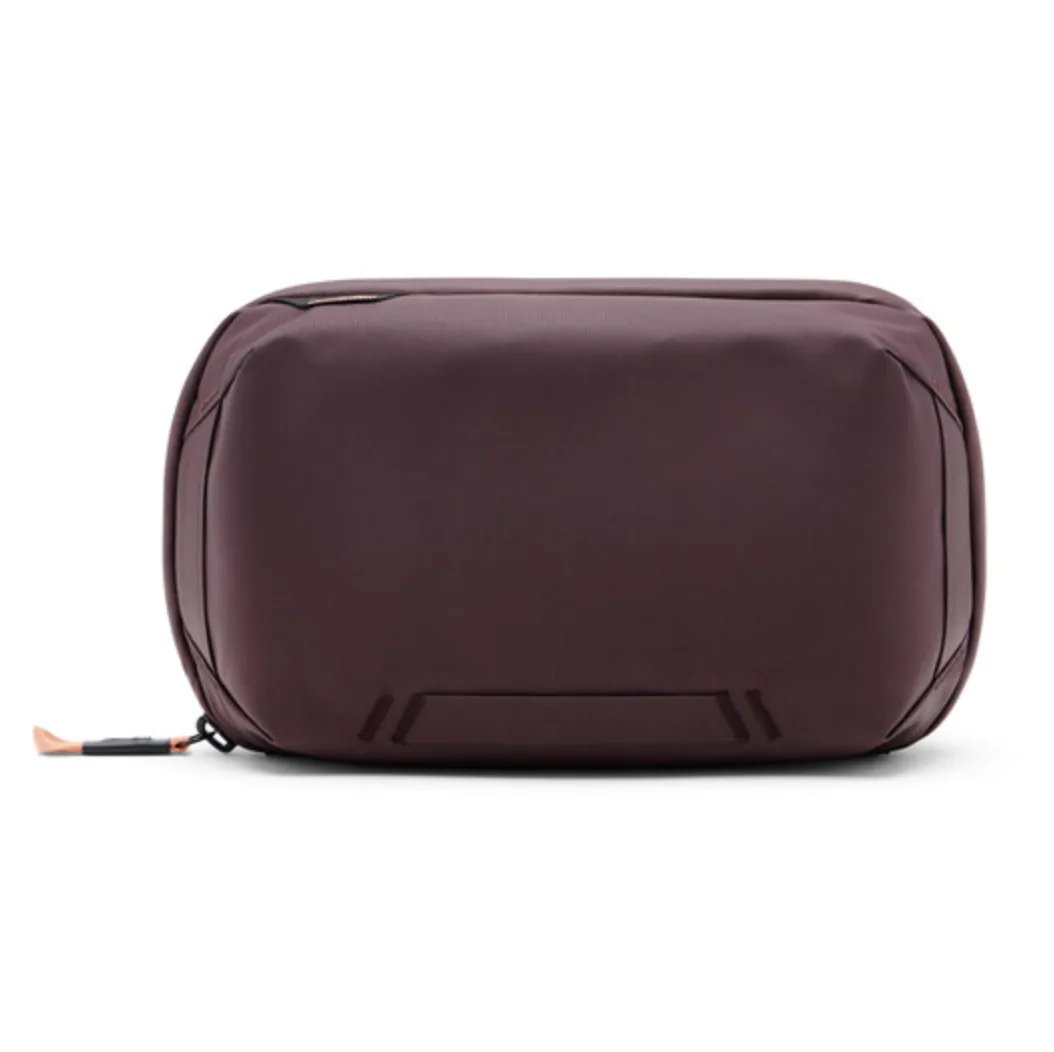
If you carry cables, chargers, or small electronics alongside your camera, the Peak Design Tech Pouch (Eclipse, 2L) is a 2-liter organizer that fits into a larger bag or works on its own. It is not camera protection, but it keeps the rest of your kit from becoming a tangle. Note that the Cuff and Tapestry do not include a pouch, so budget for one separately if you need it.
Trade-Offs at a Glance
- Carry Style: The Cuff is a wrist loop that keeps the camera in your hand; the Tapestry is a neck or cross-body strap that leaves both hands free. Pick wrist for instant access, neck for hands-free shooting.
- Weight and Endurance: The Cuff does not distribute weight, so heavy kits tire your hand. The Tapestry's microfiber backing and 36–58 inch adjustment spread the load across your body. Long sessions or heavy gear favor the Tapestry.
- Quick Release: The Cuff detaches the camera from your wrist swiftly; the Tapestry's buckles let you remove the strap without lifting it over your head. Choose based on whether you switch cameras or switch straps more often.
Product Facts
- Peak Design Cuff Camera Wrist Strap (Ocean): Secure wrist-loop design keeps the camera firmly attached during movement; quick-release mechanism lets you detach the camera swiftly; adjustable length provides a customized fit. You get hand-tethered security and fast detachment, but your hand carries the camera between shots.
- Promaster Tapestry Strap QR - Blue Mountain: Soft microfiber backing for comfort during extended periods; adjustable length from 36 to 58 inches for cross-body wear; quick-release buckles. You get hands-free carrying and all-day comfort, but the camera hangs at your side and may swing.
- Promaster Neoprene DSLR Camera Pouch - Small: Lightweight neoprene protection with fast access; zippered compartment for accessories; built-in tether with quick-release buckle connects to your camera's neck strap. Adds scratch protection and accessory storage, and its tether is designed to work with a neck strap like the Tapestry.
- Peak Design Tech Pouch (Eclipse, 2L): 2-liter organizer pouch for cables, chargers, and small electronics; fits easily into larger bags or can be used on its own. Keeps non-camera gear organized, but it is not a protective camera case.
Which One Should You Get?
Best for
- Street, travel, and event shooters who want the camera in hand and out of the way
- Photographers who frequently detach the camera or switch between straps
- Lightweight camera setups used in short bursts
Not for
- All-day shoots with heavy cameras where hand fatigue is a concern
- Anyone who needs both hands free while walking or hiking
- Shooters who prefer cross-body weight distribution