The core difference: one-piece vs. two-piece
The ColoKids Non-Convex Standard Wear Pediatric One-Piece Drainable Pouch combines the pouch and skin barrier in a single unit. The Little Ones Two-Piece Adhesive Coupling Technology Skin Barrier is just the barrier part of a two-piece system, so you also need a compatible pouch to complete the setup.
That structural difference drives most of the practical tradeoffs for children: how often you change the whole system, how you inspect the stoma, and how many components you keep on hand.
ColoKids one-piece: what the catalog confirms
-
ColoKids™ Non-Convex Standard Wear Pediatric One-Piece Drainable Pouch: Cut-to-fit range: 5/8–1 1/2" (15–35mm). This is the sizing window you must match to the child's stoma; outside this range, the product is not indicated by the supplied information.
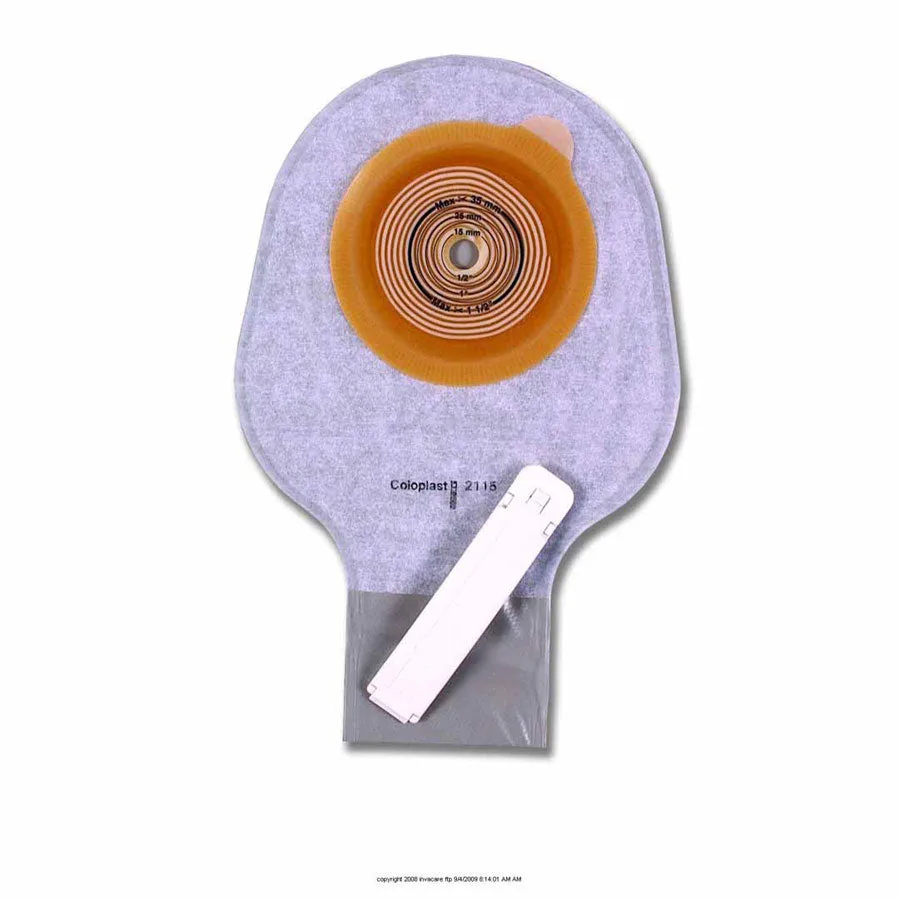
ColoKids™ Non-Convex Standard Wear Pediatric One-Piece Drainable Pouch
-
ColoKids™ Non-Convex Standard Wear Pediatric One-Piece Drainable Pouch: Length: 8 1/2" (21cm) / 150mL capacity. Gives you a concrete size for judging whether the pouch is appropriate for the child's output volume and body size.
-
ColoKids™ Non-Convex Standard Wear Pediatric One-Piece Drainable Pouch: Flexible skin barrier without filter; odor-proof film; transparent; latex-free. Transparency helps caregivers see the stoma and output; the absence of a filter means gas management may need separate attention.
Little Ones two-piece barrier: what the catalog confirms
-
Little Ones® Two-Piece Adhesive Coupling Technology™ Skin Barrier: Two-piece adhesive coupling technology skin barrier; 5 per box. This is only the barrier component. You need a compatible Little Ones pouch to make a complete system, and the 5-count affects how often you reorder.
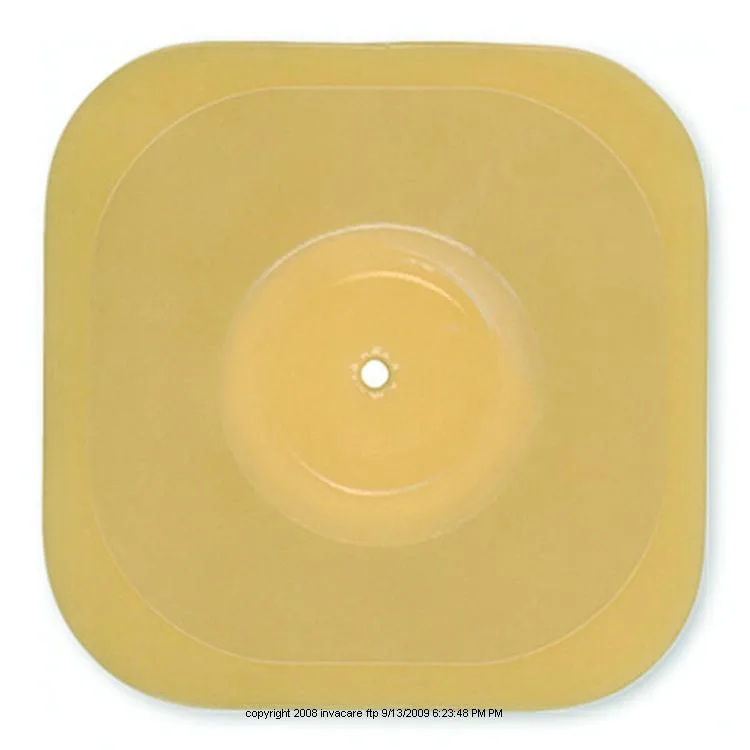
Little Ones® Two-Piece Adhesive Coupling Technology™ Skin Barrier
-
Little Ones® Two-Piece Adhesive Coupling Technology™ Skin Barrier: Designed to comfortably fit a child's unique body contours; flexible, durable, and easy to remove with little discomfort. These are the manufacturer's design claims; they support the case for a child-specific fit but do not replace measuring the stoma.
How the two options compare on the decisions that matter
Use this side-by-side to weigh the supplied evidence; it does not replace a clinician's fitting advice.
- Number of components: ColoKids is a complete one-piece pouch-and-barrier unit. Little Ones is a barrier only, so you must pair it with a compatible pouch.
- Sizing information: ColoKids supplies a cut-to-fit range of 5/8–1 1/2" (15–35mm). The Little Ones record does not supply a cut-to-fit range, so you cannot confirm fit from this listing alone.
- Capacity and dimensions: ColoKids lists 8 1/2" (21cm) length and 150mL capacity. The Little Ones barrier record does not list pouch capacity because it is not a pouch.
- Filter: ColoKids states 'without filter.' The Little Ones record does not mention a filter; that is an absence of information, not confirmation either way.
- Visibility: ColoKids is transparent. The Little Ones record does not state pouch opacity, so you cannot compare visibility directly.
- Pack count: ColoKids quantity is not stated in the supplied record. Little Ones barrier is 5 per box.
When a one-piece pediatric pouch is the practical choice
A one-piece system like the ColoKids pouch reduces the number of separate components you manage. For a child who is active or uncomfortable with handling, fewer pieces can mean a simpler routine. The transparent film also lets you check the stoma without opening anything.
The tradeoff is that you remove the whole unit at change time. The supplied record does not describe change frequency, wear time, or skin-care steps, so those details must come from your clinician or the manufacturer's full instructions.
When a two-piece barrier makes more sense
A two-piece system separates the barrier from the pouch. In principle that can let you leave the barrier in place while changing the pouch, but the supplied Little Ones record does not state wear time or whether the barrier is designed to stay on across pouch changes. Do not assume that benefit without confirming it.
What the record does support is the child-specific design and the 5-per-box count. If you choose this route, you must also select a compatible Little Ones pouch; the barrier alone is not a complete system.
Fit checks before you commit to either system
The supplied records give you limited sizing data, so verify these points with the child's stoma measurements and your clinician.
- Measure the stoma: ColoKids covers 5/8–1 1/2" (15–35mm) cut-to-fit. If the stoma falls outside that range, the supplied information does not support using it.
- Confirm the two-piece pairing: The Little Ones barrier is not a standalone product. Check that you have a compatible Little Ones pouch before relying on it.
- Check output volume against capacity: ColoKids lists 150mL. The Little Ones record does not list a pouch capacity, so you cannot compare volume directly from these listings.
- Ask about filter needs: ColoKids is explicitly without filter. The Little Ones record does not state filter status, so ask the manufacturer if gas management matters for this child.
What the supplied information does not tell you
Neither record supplies clinical instructions, wear times, change frequencies, or skin-barrier preparation steps. The Little Ones record also omits a cut-to-fit range and pouch capacity because it is a barrier, not a pouch. Treat those gaps as reasons to confirm details with the manufacturer or a stoma care clinician, not as evidence that a feature is missing.
For either product, the decision should rest on the child's measured stoma size, output pattern, activity level, and the caregiver's comfort with the routine. The catalog facts above narrow the choice; they do not make it for you.