Quick answer
Use a peel off base coat only on natural nails that are healthy and free of lifting or peeling. Apply a thin, even layer, cure it fully, and keep gel layers thin. When you are ready to remove, gently lift an edge with a cuticle stick; never rip. If the polish resists, soak in warm water or use a little cuticle oil to help it release.
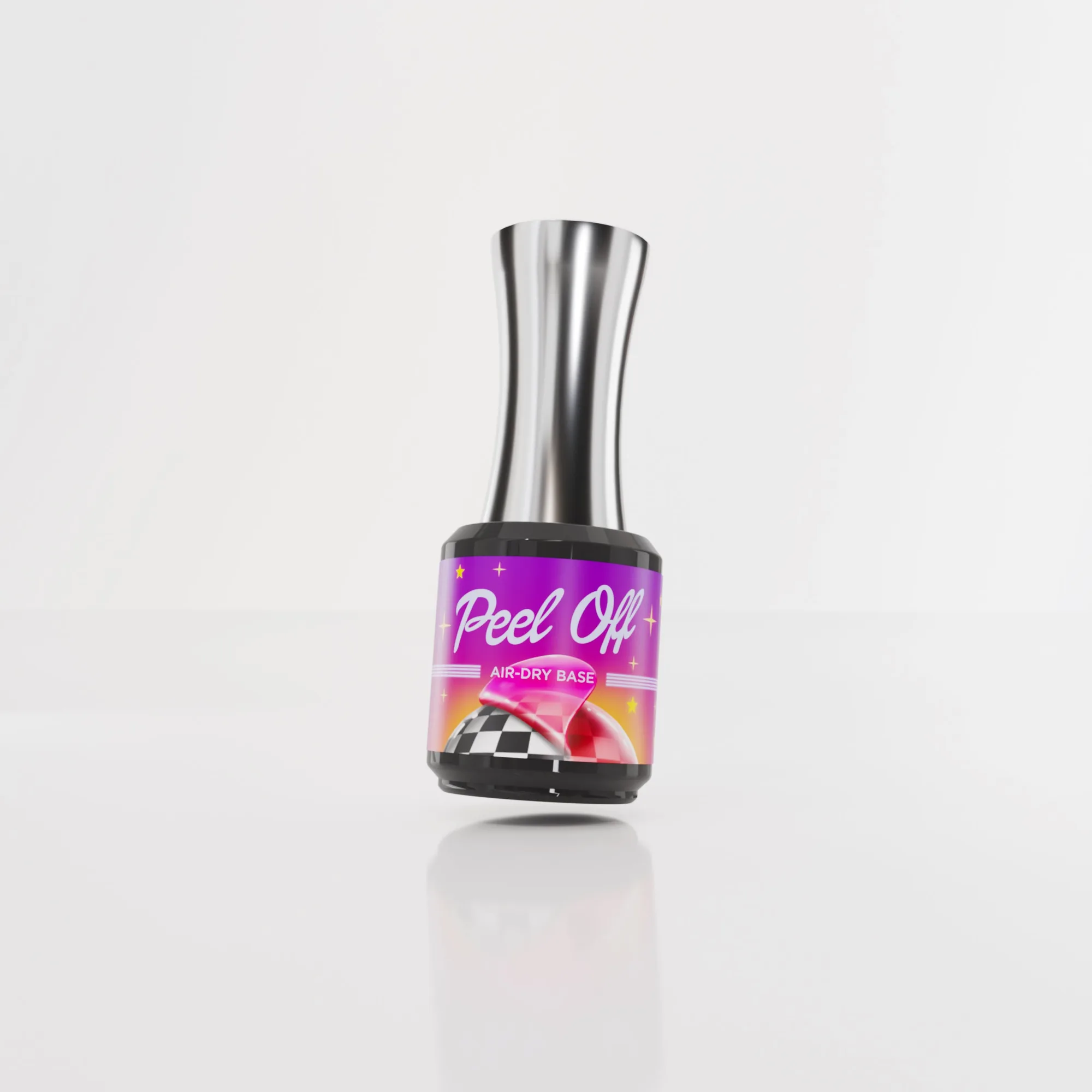
peel off base coat
Peel off base coat can make gel removal quick and gentle, but it can also take off a layer of your natural nail if you use it wrong. The key is prep, thin layers, and a patient removal.
This guide walks you through the exact steps for using peel off base coat on natural nails, with checkpoints to avoid the most common mistakes. It also covers when peel off is a good choice and when you should stick with traditional soak-off removal.
What peel off base coat does (and does not do)
A peel off base coat is a special base layer that forms a flexible film between your natural nail and your gel polish. When you want to remove the gel, you can often lift the whole manicure off in one piece instead of soaking it in acetone. That makes it a popular option for gentle gel removal at home, especially if you change your color often.
It is not a magic shield. If your nails are thin, damaged, or peeling, the peel off base coat can still take surface layers with it. It also does not work well under thick builder gels or heavy nail art that needs structure. Think of it as a tool for short-wear manicures on healthy nails, not a permanent solution.
- Best for: healthy natural nails, short wear times, frequent color changes.
- Skip it if: your nails are peeling, you use thick builder gels, or you need a manicure to last more than a week.
Prep your natural nails before you start
Start with clean, dry nails. Push back your cuticles gently and remove any leftover polish or oil with a lint-free wipe and a little acetone or prep solution. If you skip this, the peel off base coat may not bond evenly and will lift too early.
Lightly buff the shine off your nail plate with a fine grit buffer. You do not need to rough up the nail; just remove the shine so the base coat has something to grip. Wipe away the dust. If your nails are very smooth or you have used cuticle oil recently, wash your hands with soap and water and let them dry completely before applying anything.
- Checkpoint: your nails should look matte, not scratched or white.
- Mistake to avoid: over-buffing, which thins the nail and makes peeling more damaging.
Apply the peel off base coat correctly
Apply a thin, even layer of peel off base coat, leaving a tiny margin around the cuticle and sidewalls. If you flood the cuticle, the manicure will lift early and may tear. Cure according to the product instructions; most peel off base coats need 30 to 60 seconds in a UV/LED lamp.
Do not apply a second thick layer to make removal easier. A single thin layer is enough. If the base coat looks streaky, you can add a second thin layer, but cure each layer fully. Thick layers can cause the gel polish on top to wrinkle or lift prematurely.
- Checkpoint: the base coat should look slightly tacky after curing, depending on the brand.
- Mistake to avoid: skipping the cure or under-curing, which leads to messy removal.
Build your gel polish layers thin
After the peel off base coat is cured, apply your gel color and top coat as usual, but keep every layer thin. Thick layers of gel polish are harder to remove cleanly and can pull on the nail when you peel. Two thin coats of color are usually better than one thick coat.
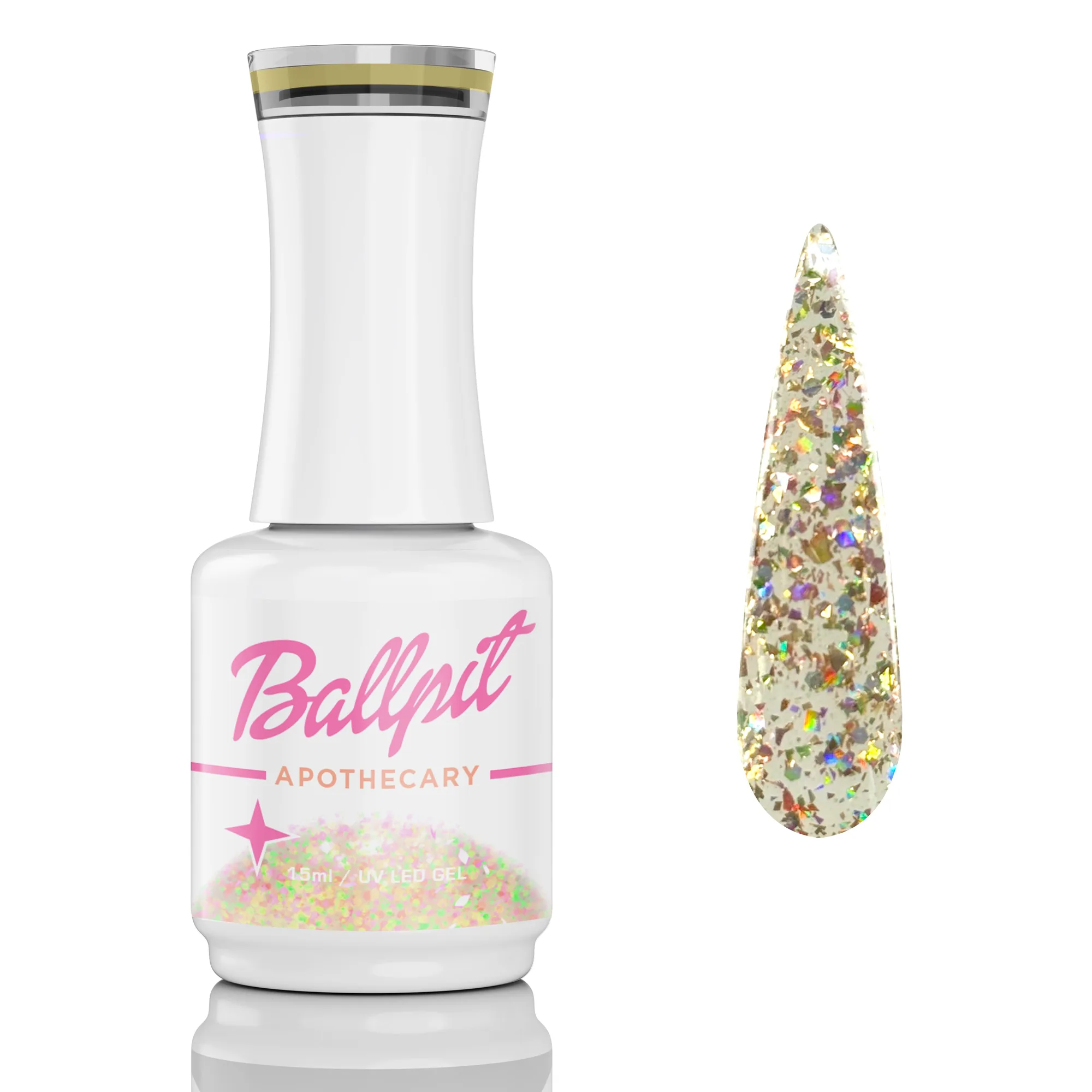
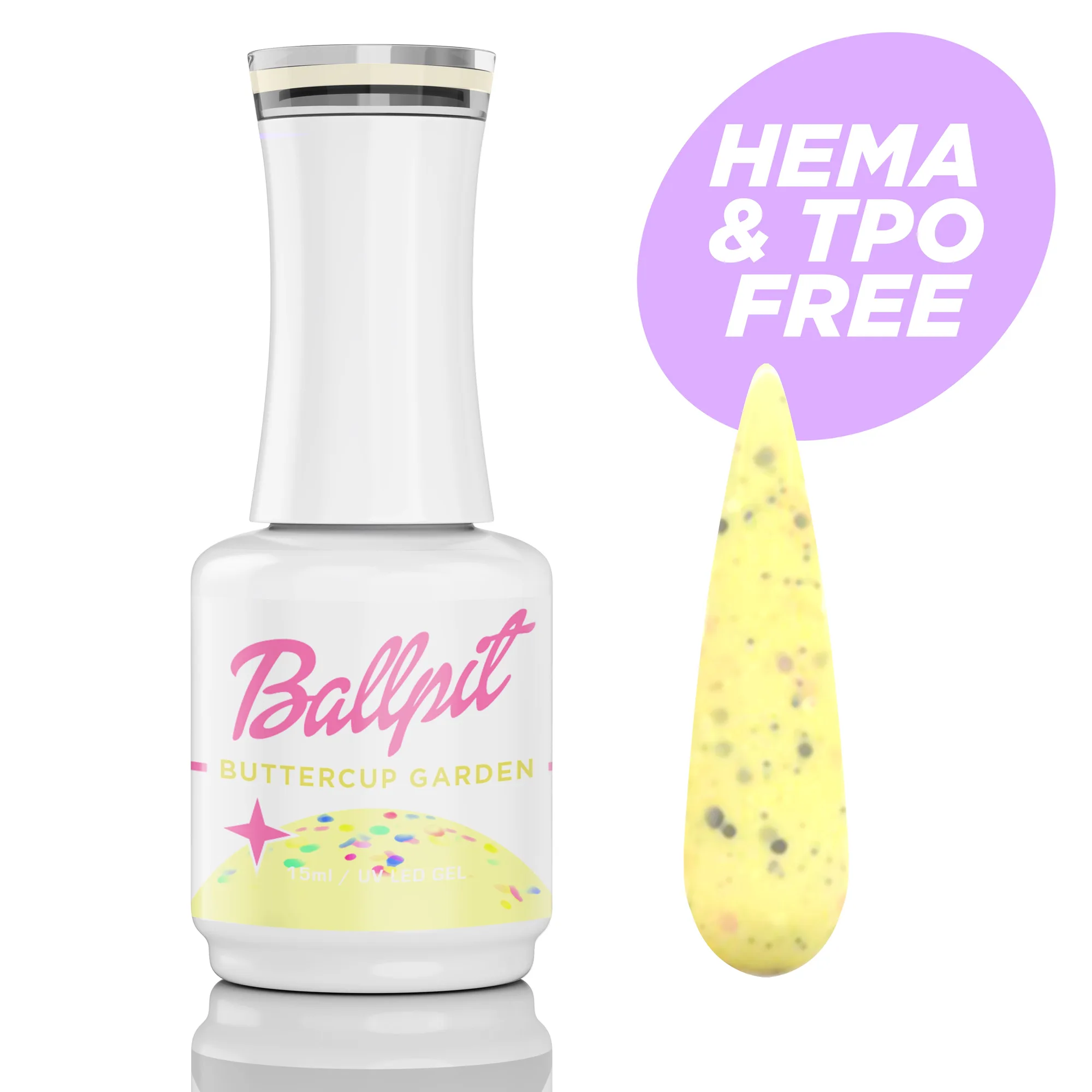
If you want to use a peel off base coat with gel polish that has a creamy, anti-spread formula, you will get a smoother result because the polish sits where you place it. Products like Ballpit Nails' Apothecary - Gel Polish or Buttercup Garden - Gel Polish are pigment forward and designed for controlled application, which helps you avoid flooding the cuticle and keeps the peel-off layer intact.
- Checkpoint: no polish should touch your skin or cuticle.
- Mistake to avoid: wrapping the tip with a thick layer, which can make the edge lift too soon.
Remove the manicure gently
When you are ready to remove, do not rip the polish off. Use a cuticle stick or orange stick to gently push at an edge near the sidewall. If the polish lifts easily, continue slowly. If it resists, stop and soak your fingertips in warm water for a few minutes, or apply a drop of cuticle oil at the edge to help it release.
Work over a soft surface so if a piece pops off, it does not fly away. After removal, inspect your nails. If you see white spots or thin patches, your nails need a break from gel. Apply a nourishing cuticle oil and a strengthener, and let them recover before your next manicure.
- Checkpoint: the polish should come off in large pieces, not in tiny flakes.
- Mistake to avoid: using metal tools or biting the polish off, which can tear the nail plate.
When to choose peel off over soak-off
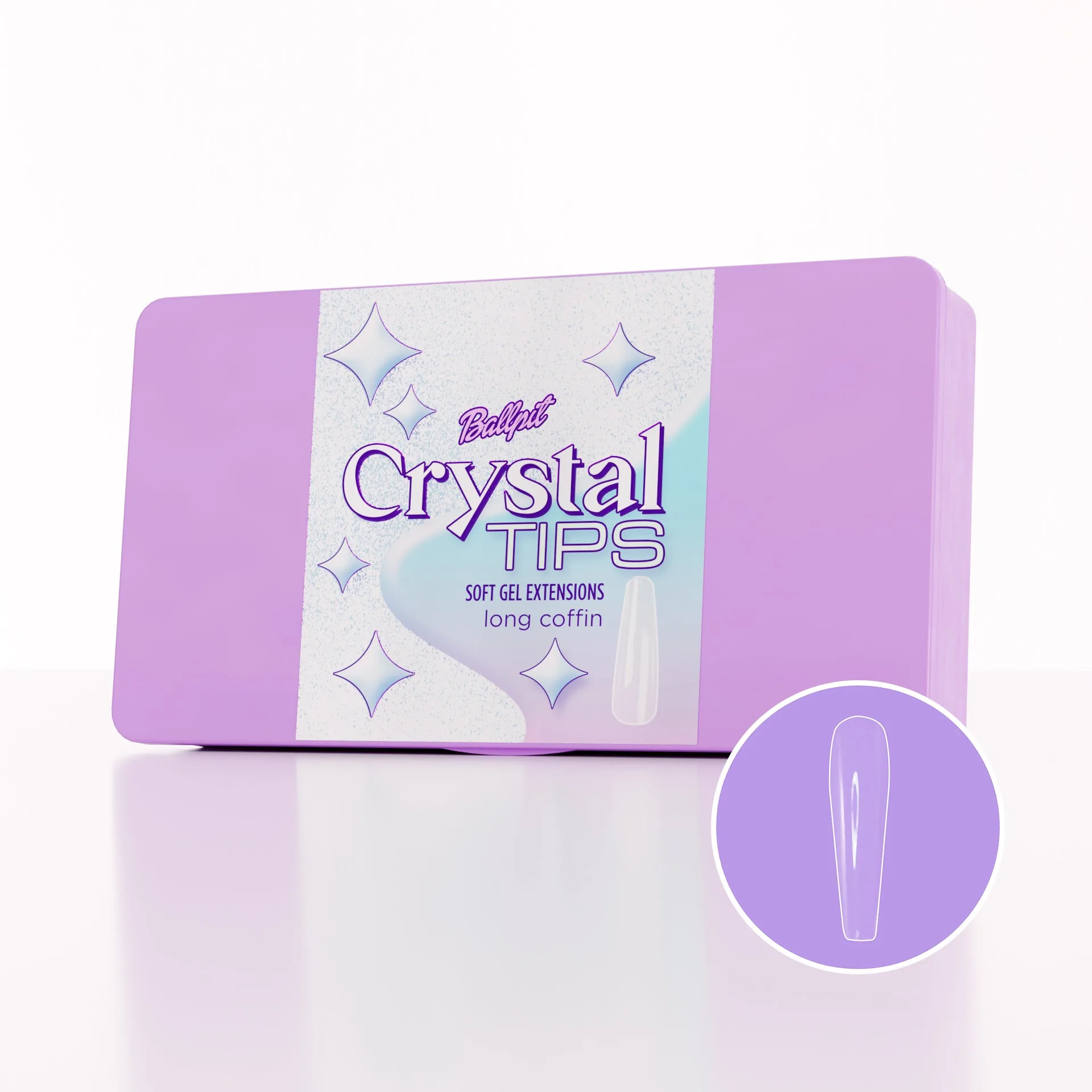
Peel off base coat is a great choice when you change your gel polish every few days or want to avoid acetone. It is also handy for press-on nails or full coverage tips like Crystal Tips - L Coffin, because you can remove the whole set without soaking. But if you need a manicure to last two weeks or you use hard gel, a traditional soak-off base coat is more reliable.
If you have sensitive skin or a history of gel allergies, patch test any new product first. Peel off base coats still contain ingredients that can cause reactions in some people, and gentle removal does not cancel that risk.
- Use peel off for short-term wear and frequent color changes.
- Stick with soak-off for long wear, structured manicures, or if your nails are compromised.
Peel Off Base Coat Step-by-Step
- Prep and dehydrate: Clean nails, push cuticles, buff shine, and wipe with prep solution. Make sure nails are completely dry. Checkpoint: no oil or shine remains.
- Apply thin peel off base: Apply one thin, even layer, leaving a margin at the cuticle. Cure 30–60 seconds per instructions. Mistake: flooding cuticles causes early lifting.
- Build color in thin coats: Apply gel polish in two thin coats, curing each. Keep polish off skin. Checkpoint: layers look smooth, not bulky.
- Remove with patience: Gently push an edge with a cuticle stick. If it resists, soak in warm water or use cuticle oil. Never rip. If nails look damaged, take a break from gel.
Products that work well with peel off base coat
- Apothecary - Gel Polish: Shade: Holographic pink green and gold glitter. HEMA and TPO Free. Pigment forward with an anti-spread, creamy body. Cure time: 60 seconds. Size: 15ml. The anti-spread formula helps you keep gel off your cuticle, which protects the peel off layer and makes removal cleaner. HEMA and TPO free is a consideration if you are sensitive to those ingredients.
- Buttercup Garden - Gel Polish: Shade: light buttercup yellow confetti polish. HEMA and TPO Free. Pigment forward with an anti-spread, creamy body. Cure time: 60 seconds. Size: 15ml. A creamy, pigmented polish needs fewer coats, so your total gel layer stays thin. That thinness is key for easy peel off removal without tugging.
- Crystal Tips - L Coffin: 100% soft gel, full coverage tips. Perfect for press-ons or any gel system. No white line when squeezed or clipped. 504 tips, 12 sizes. If you use full coverage tips, a peel off base coat can make removal faster and avoid acetone soaking. The soft gel material is compatible with gel systems, so you can experiment with peel off under tips.
Peel off base coat can be a gentle, convenient way to remove gel polish at home when you use it on healthy nails and follow the steps above. Keep layers thin, prep well, and remove slowly. If your nails show any damage, give them a rest and focus on cuticle oil and strengthening before your next manicure.