Quick answer
If you change your gel polish every week or two and your nails handle peeling well, a peel-off base coat is the faster, solvent-free choice. If you wear gel for three weeks or longer, have thin or damaged nails, or want the most predictable removal, soak-off gel polish removal with acetone is the safer, more reliable method. Neither is universally better; the right pick depends on your wear time and nail condition.
Gel polish looks great until it is time to take it off. Two removal routes dominate at-home and salon routines: a peel-off base coat that lets the whole gel layer lift away in one piece, and traditional soak-off removal that dissolves the gel with acetone. The peel off base coat vs soak off debate usually comes down to speed versus reliability, but there is more to it than that.
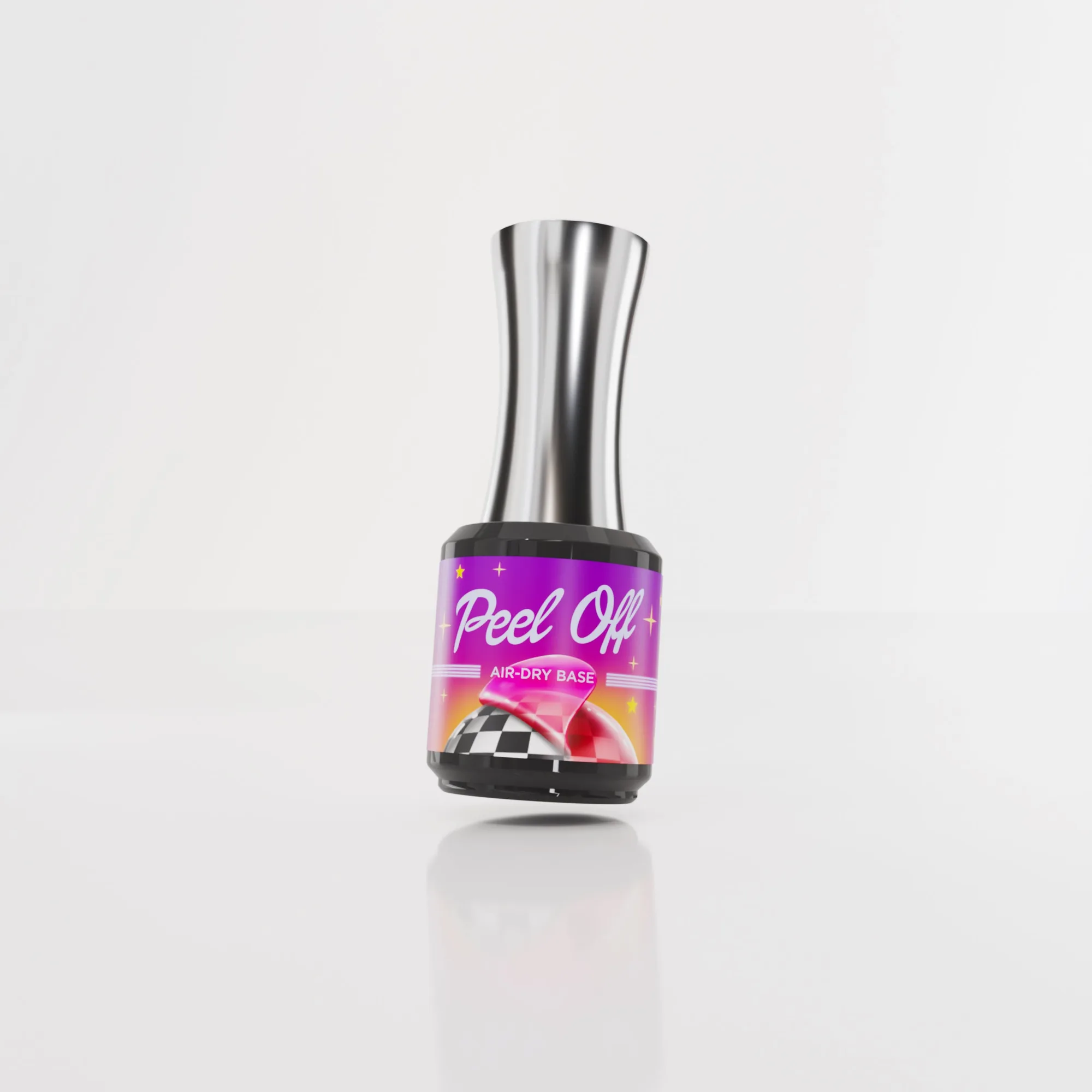
peel off base coat
This comparison breaks down how each method works, where each one wins, and which nail types and schedules each suits. I will also point to a few Ballpit Nails shades that work well with either removal route so you can test the method that fits your life.
How peel-off base coats work
A peel-off base coat is a special base layer applied under your gel color. It forms a flexible film that bonds to your natural nail just enough to hold the manicure, but not so tightly that it cannot be lifted. When you are ready to remove, you gently push a cuticle stick under an edge and the gel layer peels away in strips or sheets. There is no acetone, no foil, and no waiting.
The trade-off is wear time. Because the bond is intentionally weaker, peel-off base coats typically last a few days to about a week before edges start to lift on their own. If you type a lot, wash your hands frequently, or expose your nails to water, that timeline shortens. Peel off base coat pros and cons are really about this balance: fast, gentle removal in exchange for a shorter, less durable manicure.
- Apply the peel-off base coat in a thin, even layer and cap the free edge for a cleaner release.
- Avoid flooding the cuticle area; excess base coat can cause early lifting.
- If a peel starts to lift on its own, resist pulling it. File the lifted edge and seal it with top coat to extend wear.
How soak-off gel removal works
Soak-off gel polish removal relies on acetone to break down the gel. You file the top coat to break the seal, then wrap each nail in an acetone-soaked pad or cotton ball held in place with foil. After 10 to 15 minutes, the softened gel scrapes away easily with a cuticle stick. It is slower and involves a solvent, but the bond between gel and nail stays strong until you are ready to remove it.
The main trade-offs are time and dryness. Acetone strips oils from the nail plate and surrounding skin, so nails can feel dry or look white for a day or two after removal. You can reduce that by applying cuticle oil and a hand cream immediately after. Soak-off gel polish removal is the standard method for clients who wear gel for two to three weeks or longer, and it is the safer route for thin or damaged nails because it does not require pulling on the nail plate.
- File the surface of the gel before soaking; this helps acetone penetrate faster.
- Use 100% acetone rather than non-acetone remover, which is much slower on gel.
- Never scrape hard enough to thin the natural nail; if the gel does not lift easily, soak longer.
Nail health and peel off base coat damage
The biggest concern with peel-off base coats is how they come off. If you peel the gel layer off forcefully or in a hurry, you can take thin layers of the natural nail with it. That is the real peel off base coat damage risk, not the product itself. Used correctly, with slow, gentle lifting from the edge, a peel-off base coat is one of the least abrasive removal methods because it skips acetone and filing entirely.
Soak-off removal avoids that pulling force, which makes it a better fit for nails that are already thin, peeling, or recovering from damage. The trade-off is acetone exposure. If your skin is sensitive or prone to dryness, you will need to be consistent with oil and moisturizer after every soak. Neither method is risk-free, but each has a clear failure mode you can manage with technique.
- If your nails bend or peel easily, lean toward soak-off removal and keep nails short.
- If you choose peel-off, never force a stubborn edge; re-soak or file that nail instead.
- Take a break between manicures if you notice white spots or thinning.
Which gel removal is better for your routine?
If you like changing colors often, a peel-off base coat fits a weekly or biweekly rotation. It takes minutes to remove, needs no foil or acetone, and is convenient for press-on nails or short-term designs. If you want a manicure to survive three weeks of dishes, typing, and travel, soak-off removal is the more dependable choice because the gel stays put until you decide to take it off.
Your nail condition matters just as much as your schedule. Peeling is a pulling action, so it is not ideal for weak nails. Acetone is drying, so it is not ideal for already-dry nails or sensitive skin. Many people end up using both: peel-off base coat for quick color swaps and soak-off removal for longer sets. The key is matching the method to the moment rather than committing to one forever.
- Track how long your manicures actually last; if they chip or lift before day five, soak-off may suit you better.
- Keep both a peel-off base coat and acetone on hand so you can switch based on your schedule.
- Whichever method you use, finish with cuticle oil to keep nails flexible.
Trade-offs at a glance
- Removal speed: Peel-off base coat removes in minutes with no solvent. Soak-off removal takes 10 to 15 minutes of soaking plus filing. Choose peel-off if speed is your priority.
- Wear time: Peel-off manicures typically last a few days to about a week. Soak-off gels can last two to three weeks or longer. Choose soak-off if you want a long-lasting set.
- Nail condition: Peeling can pull thin nail layers if forced. Acetone in soak-off removal can dry out nails and skin. Weak nails favor soak-off; dry or sensitive skin favors peel-off with careful technique.
- Skill and supplies: Peel-off needs only a base coat and a cuticle stick. Soak-off needs acetone, foil or wraps, and a file. Peel-off is simpler to start; soak-off rewards a little setup.
Ballpit Nails shades that work with either removal method
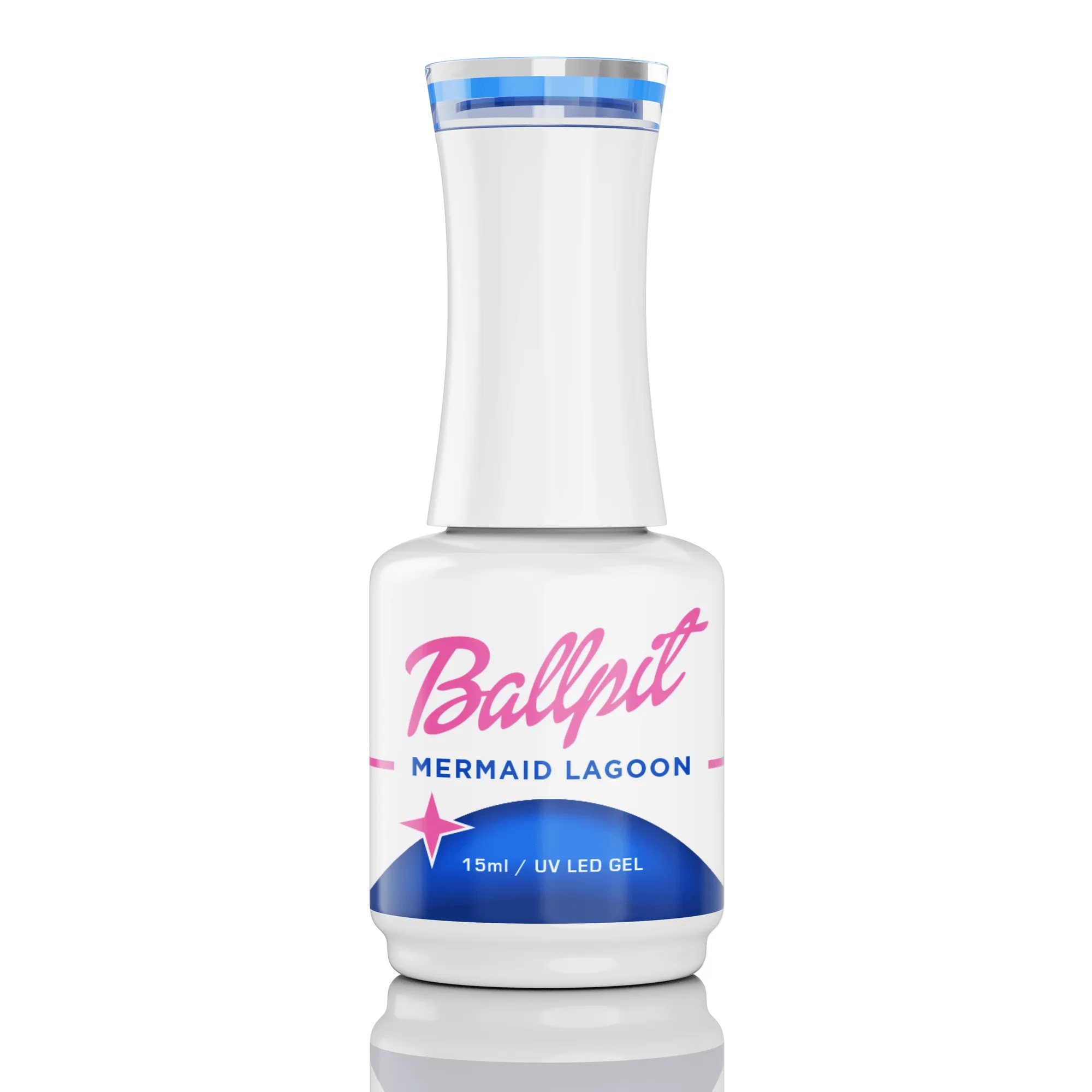
- Mermaid Lagoon - Gel Polish: 15ml UV/LED soak-off gel with a classic creamy formula, extreme pigment, and anti-spread performance in a deep fluorescent blue. A highly pigmented, anti-spread gel applies in thin, controlled layers, which means less bulk to remove whether you peel or soak.
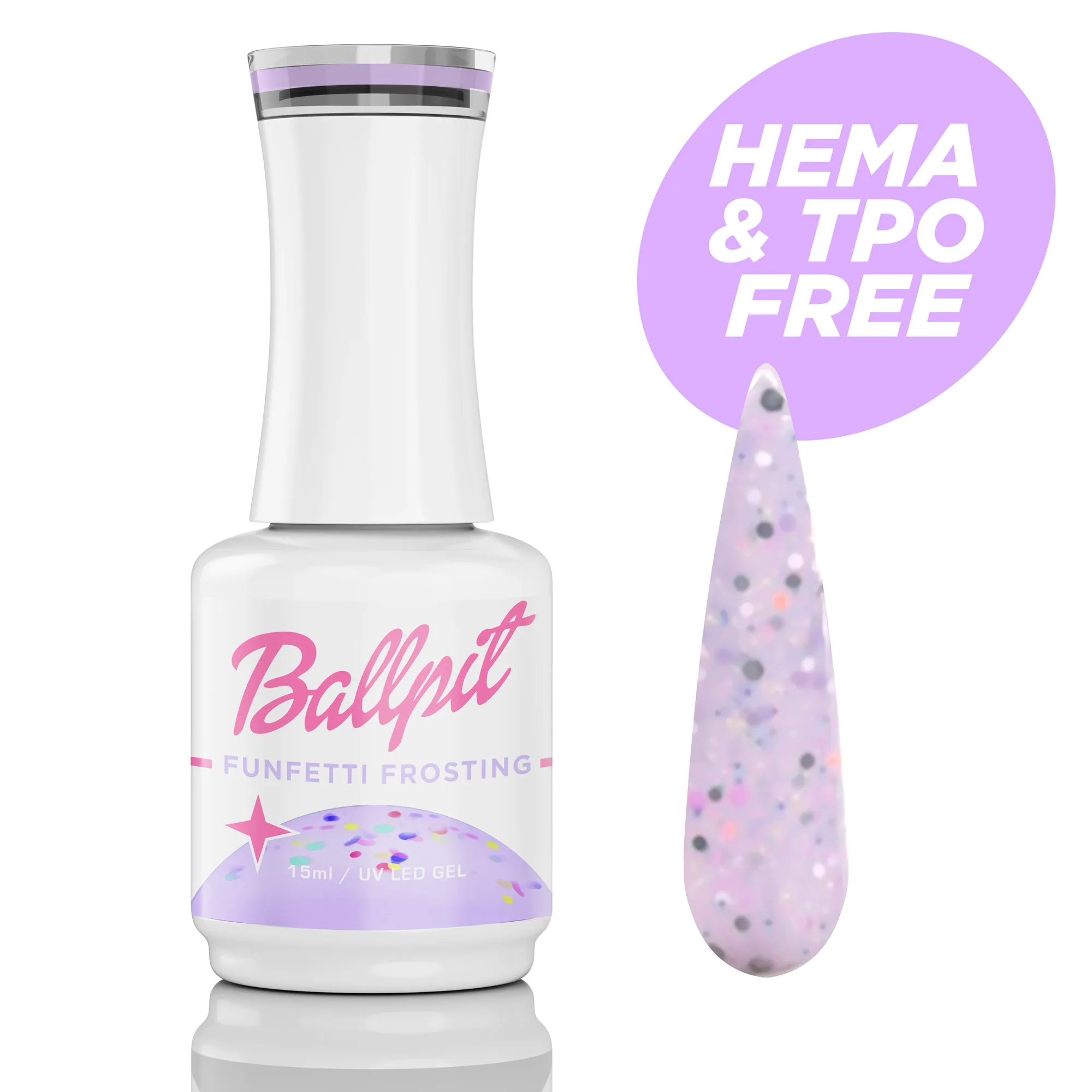
- Funfetti Frosting (Hema-TPO free version) - Gel Polish: Frosting periwinkle with rainbow confetti, HEMA and TPO free, 15ml, 60-second cure, creamy anti-spread body. The HEMA- and TPO-free formula is a thoughtful pick if you are sensitive to common gel allergens and still want a soak-off or peel-off option.
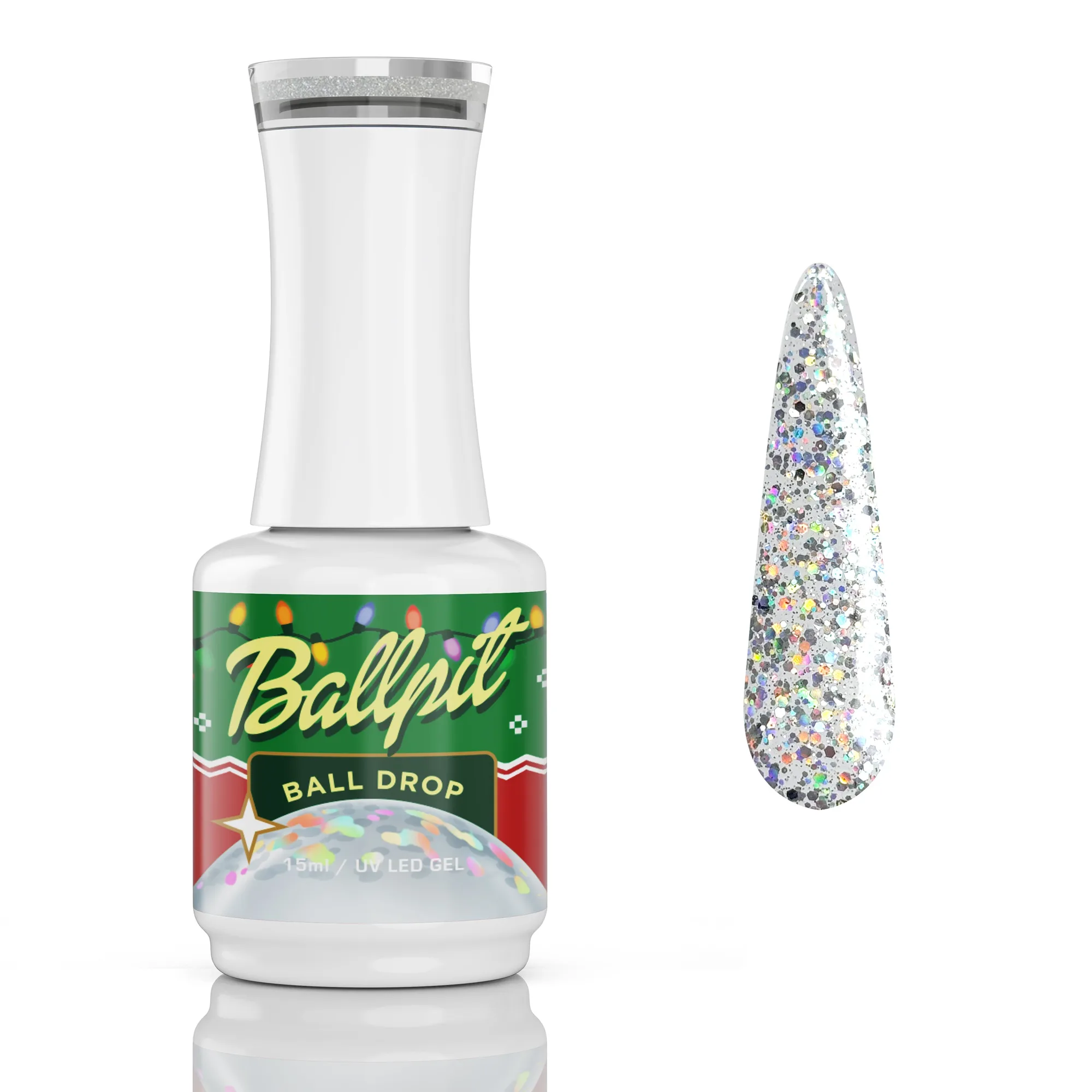
- Ball Drop - Limited Edition Gel Polish: Limited Edition 15ml UV/LED soak-off gel with a self-leveling glitter formula. Glitter gels can be trickier to remove; a self-leveling formula helps you keep layers even, which makes both peeling and soaking more predictable.
Which removal method should you choose?
Best for
- People who change gel color every week or two and want solvent-free removal
- Press-on nail users and anyone doing short-term designs
- Those with strong, healthy nails who prefer minimal supplies
Not for
- Anyone who needs a manicure to last three weeks or more
- People with thin, peeling, or damaged nails who should avoid pulling
- Those who dislike the risk of early lifting and want a secure, long-wear bond
There is no single winner in the peel off base coat vs soak off comparison. Match the method to your wear time and nail condition: peel-off for quick changes and healthy nails, soak-off for long wear and delicate nails. Keep both options in your kit, and finish every removal with cuticle oil.