Quick answer
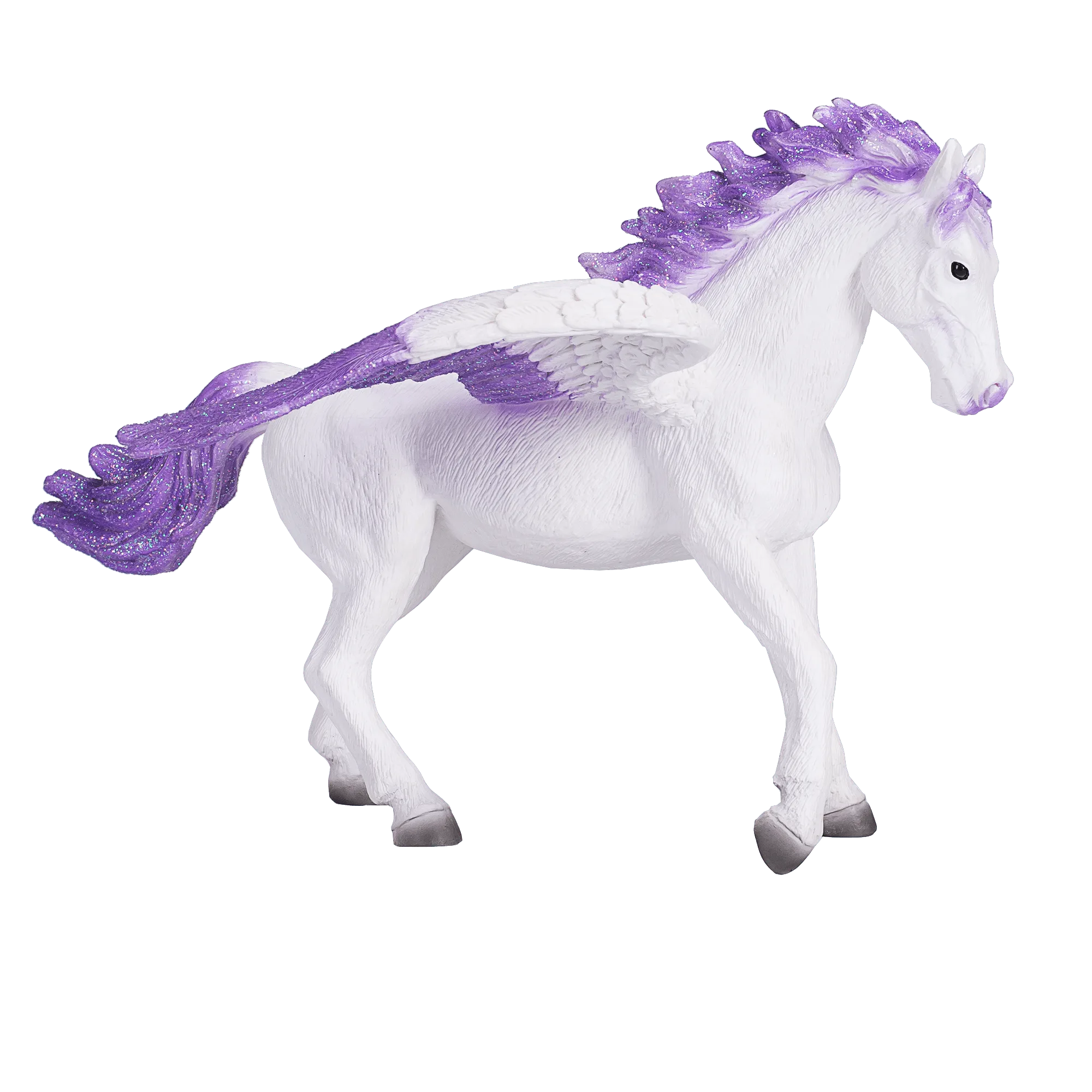
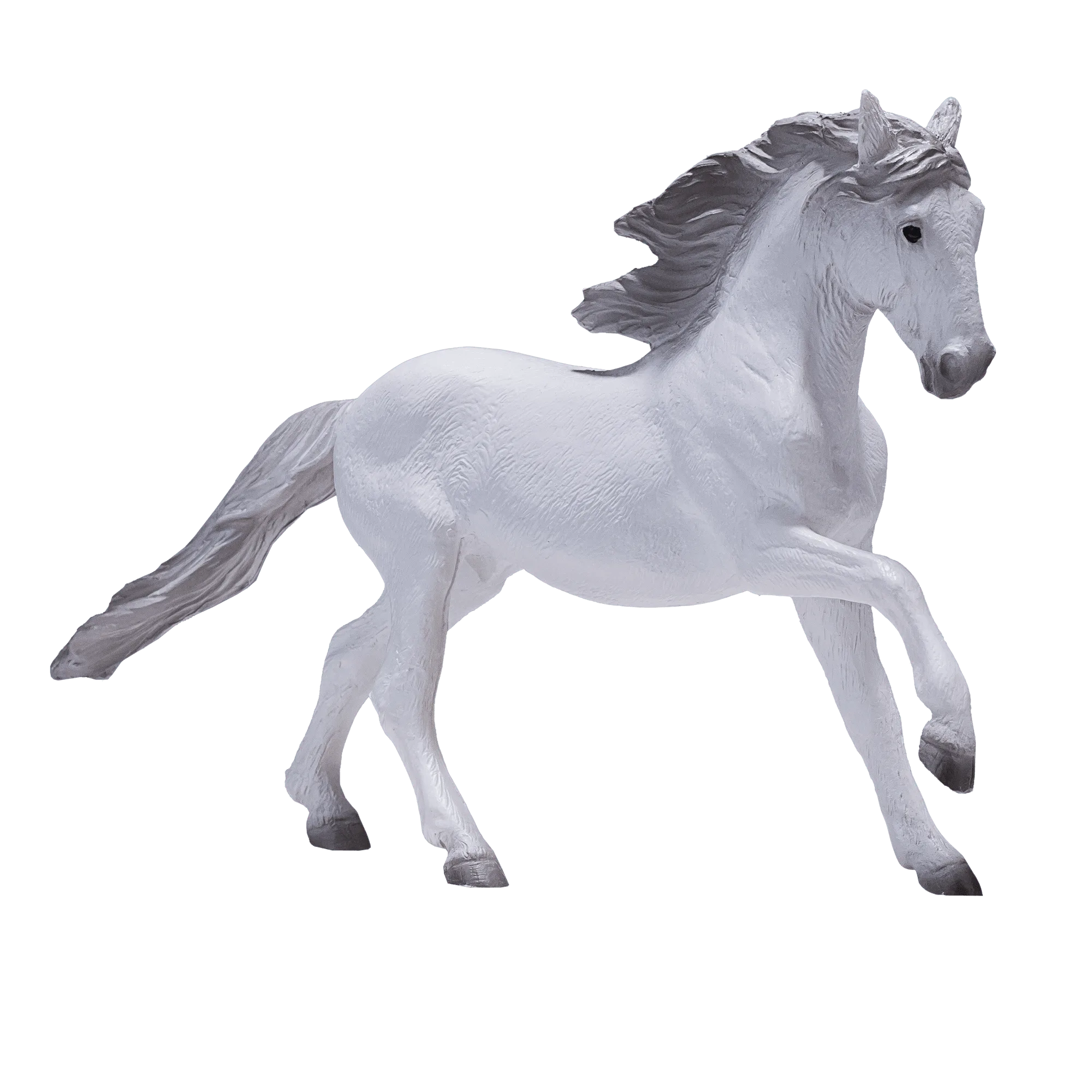
For most shelves, a Pegasus figure around 5 to 7 inches tall with a wingspan close to its body length is the easiest to display and least likely to tip. Choose a rearing or airborne stance only if you have open vertical space and a stable base. If you want a grounded, child-friendly companion piece at a lower price, the Lusitano Grey is a practical alternative to a winged horse model.
Wing span: the measurement that decides your shelf
Wing span is the first number to check because it usually exceeds body length on a Pegasus figure. Measure the widest part of your intended shelf or cabinet, then subtract at least one inch on each side for clearance. A winged horse model with a span wider than the shelf will either hang over the edge or force you to angle it, which hides the wings and weakens the display.
If the product listing does not state a wing span, treat that as a real limitation rather than guessing from photos. You can estimate roughly by comparing the wings to the body in a straight-on image, but confirm with the retailer before buying if the figure is for a tight space.
- Measure shelf width and depth before you shop, not after.
- Leave 1 inch of clearance on each side of the wings.
- If span is unlisted, ask the seller or choose a grounded horse figure instead.
Stance and balance: rearing, airborne, or grounded
Stance affects both stability and the space you need above the figure. A rearing Pegasus is dramatic but concentrates weight on the hind legs or a small base, so it can tip if bumped. An airborne pose often needs a clear stand or a hidden support, which is fine on a high shelf but awkward at a child's eye level.
A grounded or walking stance is the safest choice for homes with young children or pets. It sits flat, needs less vertical clearance, and is easier to dust. If you want the mythical look without the balance risk, pair a grounded horse figure with a winged piece on a higher shelf.
Scale and material: matching your existing collection
Scale matters more than absolute size when you display several animals together. A 1:12 or 1:18 scale Pegasus will look correct beside similarly scaled farm or wildlife figures, while a larger toy-scale model will dominate a mixed shelf. Check the scale of the pieces you already own before adding a mythical creature model.
Material also shapes the decision. Solid molded figures hold a pose and resist tipping, while softer or flocked finishes feel more realistic but show dust and can wear at contact points. Neither is wrong; pick based on whether the figure is handled or purely displayed.
Display options that actually work
For a winged horse model, a corner shelf or the top of a bookcase gives the wings room and keeps the figure out of foot traffic. If you use a glass cabinet, place the Pegasus on the middle shelf so the wings are visible from the front rather than pressed against a side panel.
Rotate the figure slightly outward so one wing leads. This reduces the visual width and makes the pose read clearly from the room. Add a small non-slip pad under the base if the shelf is smooth or the figure is rearing.
- Corner shelves and bookcase tops suit wide wings.
- Angle the figure so one wing leads to save visual space.
- Use a non-slip pad for rearing or lightweight bases.
Pairing a Pegasus with other figures
A Pegasus figure works well as a focal point beside smaller, grounded animals. The contrast in pose and height makes the winged horse model stand out without needing a large scene. Keep color in mind: a grey or white Pegasus reads as a calm centerpiece, while a darker finish can feel more dramatic.
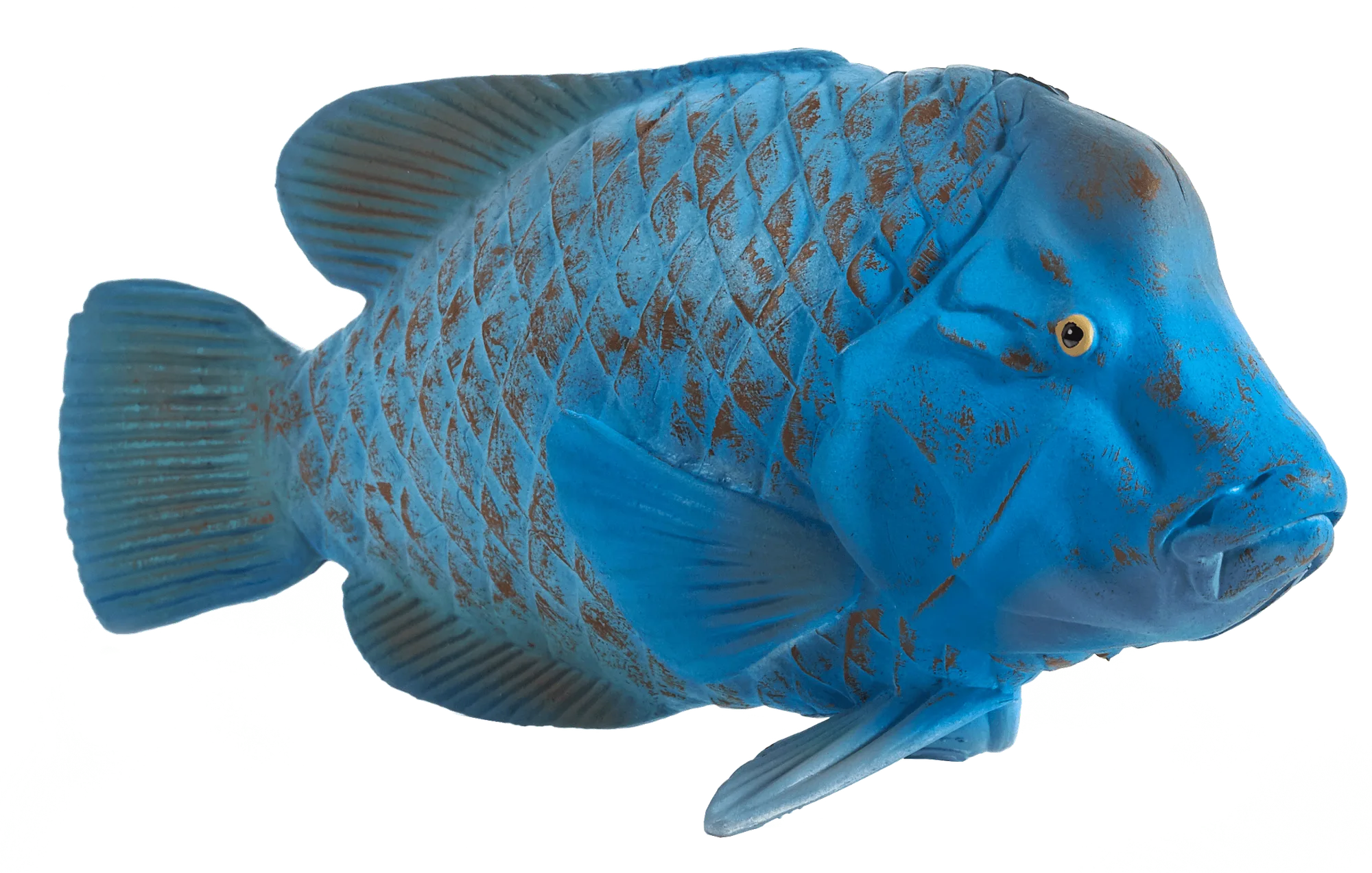
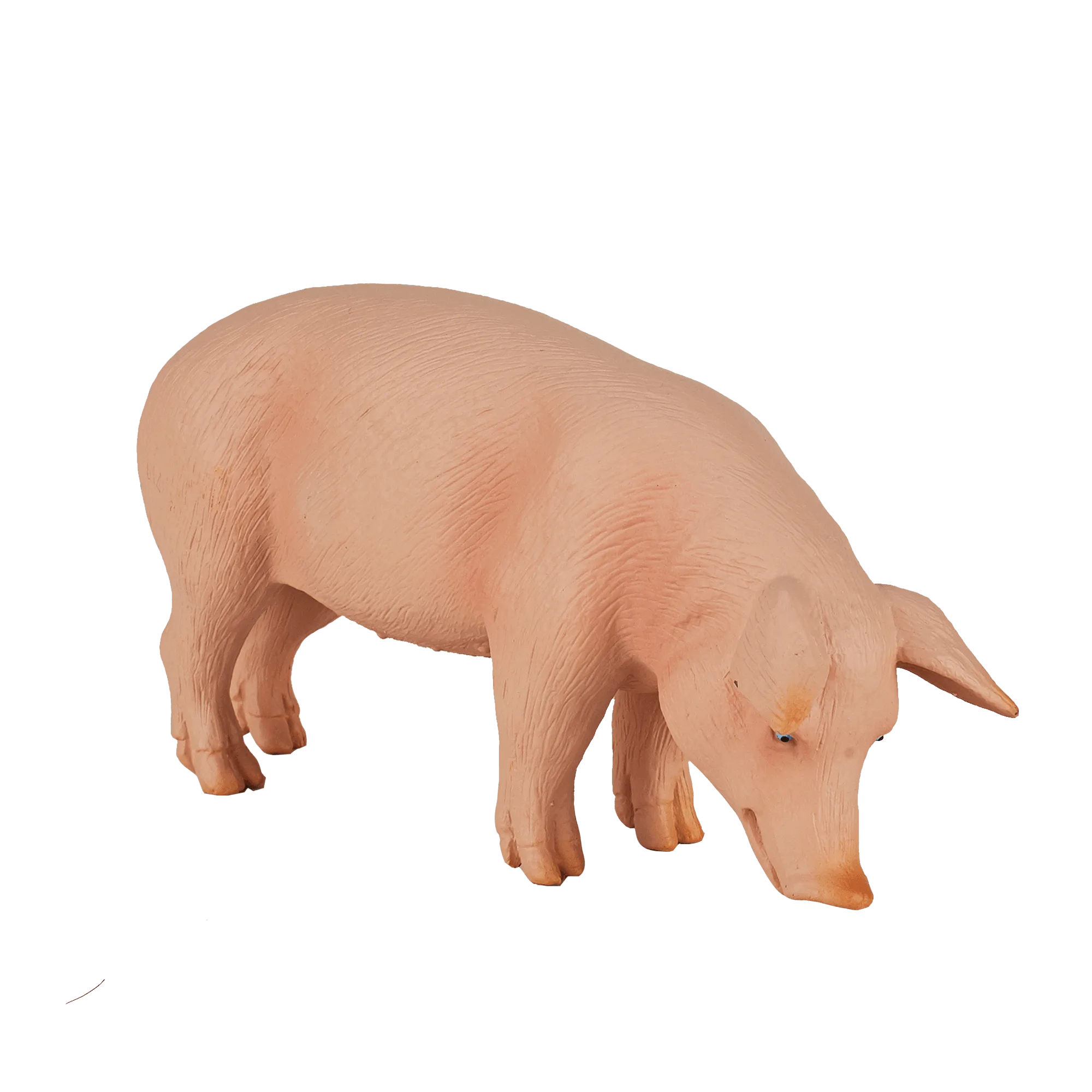
If you want a farm or wildlife companion at a similar price point, the Pig (Boar) is a compact, peaceful option that sits flat and pairs naturally with a horse-themed shelf. For a more colorful aquatic accent, the Blue Groper adds a different silhouette without competing for vertical space.
Decision rules for your Pegasus figure
- Rule 1: Match wing span to shelf width: Measure the widest shelf you plan to use and subtract two inches. If the listed or estimated wing span is larger, choose a grounded horse figure or move the Pegasus to a corner shelf. If span is unlisted, ask before buying.
- Rule 2: Choose grounded stance for handling: Rearing and airborne poses look dramatic but tip more easily. If children or pets will touch the figure, pick a grounded or walking stance. Stability first for high-traffic rooms.
- Rule 3: Match scale before you match color: A 1:12 or 1:18 Pegasus will sit correctly beside similarly scaled animals. A toy-scale model will dominate a mixed shelf even if the color is perfect. Scale decides whether the group looks intentional.
- Rule 4: Display at eye level or above: Place the Pegasus on a middle or upper shelf so the wings are visible and out of foot traffic. Angle it so one wing leads to reduce visual width. One wing forward, base secured with a pad.
Product facts to guide your choice
- Pegasus: A winged horse in Greek mythology, Pegasus was supposedly the offspring of the sea god Poseidon and the Gorgon Medusa, born from the blood that spurted from Medusa's neck when the hero Perseus killed her. The myth gives the figure a clear story to display and explains why Pegasus is a natural centerpiece among Greek-themed or fantasy animal figures.
- Lusitano Grey: This ultra-realistic horse toy has soft, grey fur and is described as a companion for a child's next gallop. If you want a grounded, handle-friendly horse rather than a winged display piece, this is the lower-risk choice for young children.
- Pig (Boar): Pigs are very peaceful animals, rarely showing aggression, except when a mother with her young is provoked or threatened. A calm, grounded figure like this pairs well beside a Pegasus without crowding the shelf or competing for attention.
- Blue Groper: All blue gropers begin life as females, and typically only one or two males are found in an area; if the dominant male dies, the largest female will grow and change color. A useful reminder that unusual life-cycle facts can make a small figure a conversation piece, much like the Pegasus myth does for a fantasy shelf.
Who should choose a Pegasus figure
Best for
- Collectors building a Greek mythology or fantasy animal shelf
- Shoppers who want a display centerpiece with a clear story
- Adults or older children who will display rather than handle the figure
Not for
- Toddlers or rough play, where a grounded horse figure is safer
- Very narrow shelves where wide wings would overhang
- Buyers who need a confirmed wing span and cannot find one listed