Quick Answer
Crossover pencil grips guide the fingers into a tripod hold with soft, molded wings, while classic pencil grips are simpler, often just a sleeve or a single loop. Choose a crossover grip if your child needs extra finger placement cues; choose a classic grip if they need a light, familiar touch or have sensory sensitivities to bulkier covers.
When your child struggles with handwriting, the right pencil grip can make a real difference. But with so many options, it’s easy to feel overwhelmed. Two popular styles—crossover grips and classic pencil grips—offer different benefits, and the best choice depends on your child’s specific needs.
This comparison breaks down how each type works, who it helps most, and what to consider before buying. We’ll also share fit guidance so you can make an informed decision that supports your child’s handwriting journey.
How Crossover Pencil Grips Work
Crossover pencil grips feature two interlocking wings that cross over the top of the pencil. These wings create a natural cradle for the index finger and thumb, gently guiding them into a dynamic tripod position—the most efficient and comfortable grip for writing. The design also helps prevent the fingers from crossing over each other, which is a common issue for kids who hold the pencil too tightly or with an awkward fist.
Because the wings are soft and flexible, they provide tactile feedback that reminds the child where each finger belongs without being rigid. This makes crossover grips especially helpful for children who need extra cues to maintain a functional grip over time. Many kids find the soft texture comfortable, but some may find the bulkiness distracting, especially if they have sensory sensitivities.
- Look for a grip that fits the pencil size you use—most fit standard pencils, but check the package for compatibility with larger or smaller diameters.
- If your child chews on pencil grips, choose a model made from non-toxic, durable materials and inspect it regularly for wear.
How Classic Pencil Grips Work
Classic pencil grips are usually simple sleeves that slide over the pencil. They come in various shapes—some are just a soft tube, others have a single loop or a contoured indentation. Their main job is to provide a comfortable, non-slip surface and to encourage a relaxed hold without forcing a specific finger position.
Because they are less intrusive, classic grips are often a good starting point for kids who resist bulky aids. They can also be easier to slip on and off, making them convenient for quick changes between writing tools. However, they offer less guidance for finger placement, so they may not be enough for a child who needs explicit cues to form a tripod grip.
- Classic grips are often less expensive and easier to replace if lost or chewed.
- If your child has a weak grip, a softer classic grip might be more comfortable, but it may not provide enough support for extended writing sessions.
Key Differences at a Glance
The main difference lies in the level of guidance. Crossover grips actively shape the finger position with their wings, while classic grips simply provide a comfortable surface. This means crossover grips are more effective for correcting an inefficient grip, but they can feel more obtrusive. Classic grips are more subtle and may be better for kids who just need a little extra comfort or who reject bulky aids.
Another difference is the learning curve. Crossover grips often require a brief adjustment period because the wings can feel unusual at first. Classic grips are usually easier to accept immediately. Consider your child’s tolerance for new sensations and their willingness to try something new when making your choice.
Trade-Offs to Consider
- Guidance vs. Comfort: Crossover grips offer more finger placement guidance but can feel bulky; classic grips are more comfortable but offer less correction. If your child needs clear cues, choose a crossover grip despite the bulk.
- Adjustment Period: Crossover grips may take time to get used to; classic grips are usually accepted faster. Introduce a new grip gradually, using short practice sessions.
- Sensory Sensitivities: Kids with tactile sensitivities may prefer the smooth, simple feel of a classic grip over the winged crossover design. Observe your child’s reaction to the texture and shape before committing.
- Cost and Durability: Classic grips are often cheaper and easier to replace; crossover grips may be more durable but cost more. Consider how often your child loses or chews grips when choosing.
Products That Support Handwriting
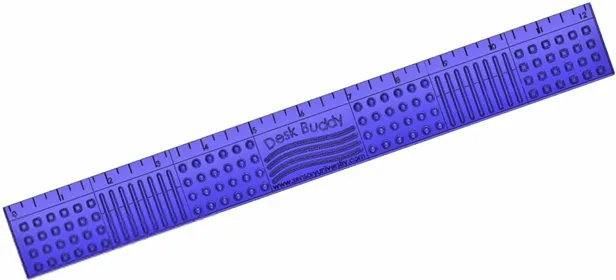
- Desk Buddy Chewable Sensory Ruler: If your child constantly fidgets in his or her desk, or at home while doing homework, the Desk Buddy Sensory Bar is for them. A team of Occupational Therapist, School Teachers, and product engineers combined efforts to create this product for use both at home and in the classroom. While not a pencil grip, this chewable fidget can help children who need oral sensory input to stay focused during handwriting practice.
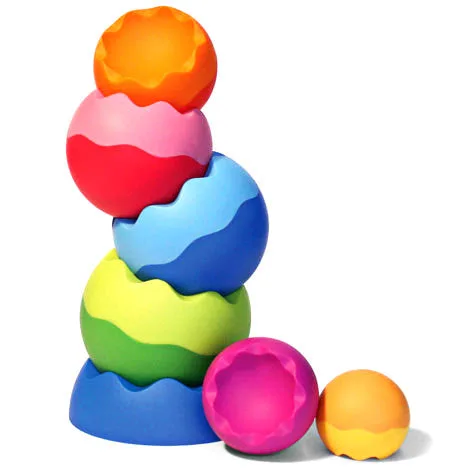
- Tobbles Neo: Six uniquely weighted pieces balance, neatly nest, and incessantly spin beyond... The unique grippable texture of Tobbles Neo awakens touch. Building fine motor skills through play can complement handwriting practice; the tactile texture helps develop hand strength and coordination.
Which Grip Fits Your Child?
Best for
- Children who need explicit finger placement cues to form a tripod grip
- Kids who are open to trying a new tool and can tolerate a bulkier feel
Not ideal for
- Children with strong tactile sensitivities who may reject the winged design
- Kids who only need a light, non-slip surface and prefer a minimal feel
Both crossover and classic pencil grips have a place in supporting handwriting. The right choice depends on your child’s specific needs—whether they need active guidance or just a comfortable, non-slip surface. Start with the option that feels least intrusive, and always pair the grip with short, positive practice sessions. If you’re still unsure, consult an occupational therapist who can offer personalized advice.