When it comes to anti-aging night creams, two ingredients often top the list: peptides and retinol. Both promise firmer, smoother skin, but they work in very different ways. If you’re torn between a peptide firming night cream and a retinol firming moisturiser 0.3%, this comparison will help you decide based on your skin type, concerns, and tolerance.
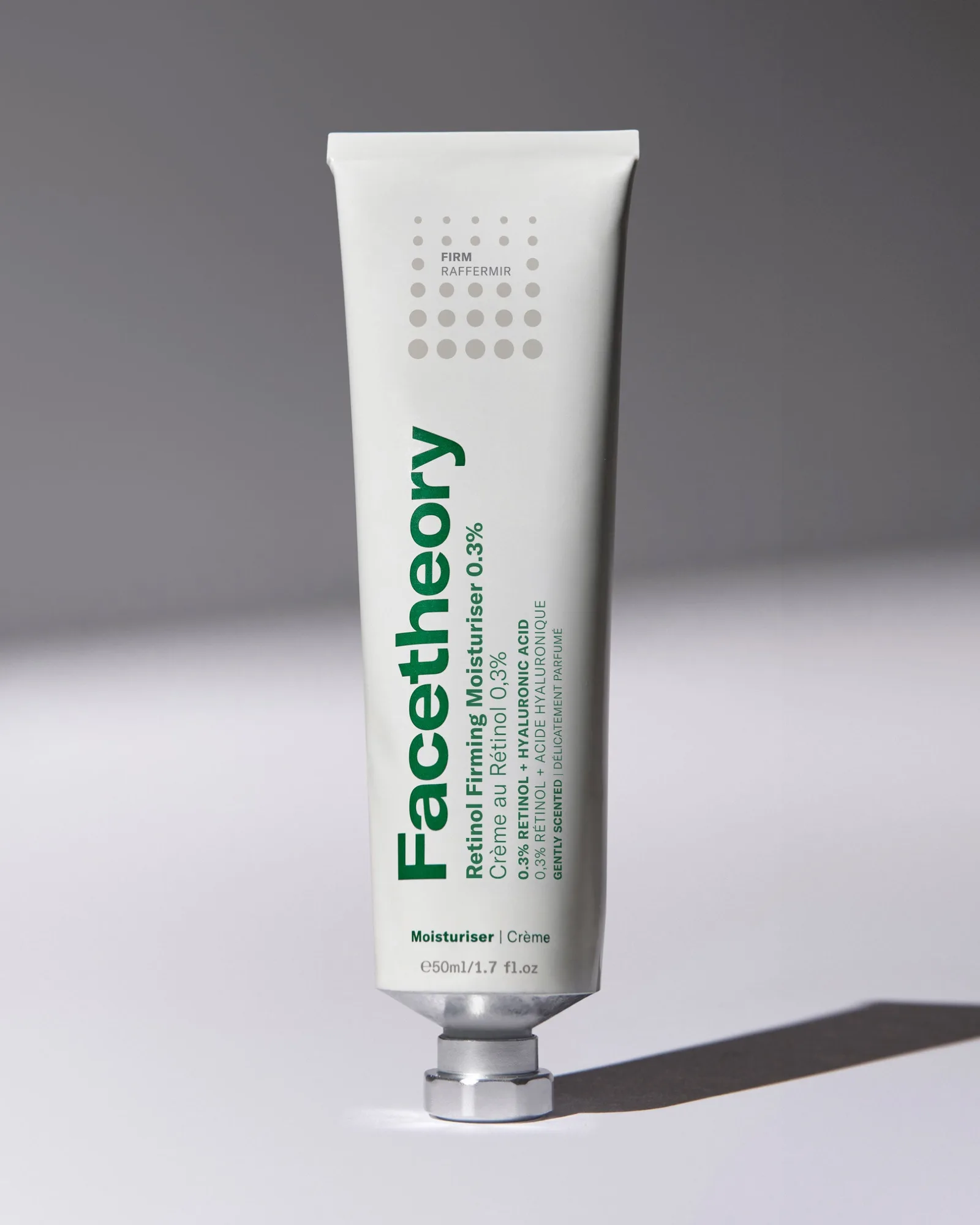
retinol firming moisturiser 0.3%
At Facetheory, we offer both options—like our Bakuchiol Firming Daily Moisturiser (a peptide-rich alternative) and formulas featuring retinol. Understanding the science behind peptides vs retinol is key to picking the right anti-aging moisturiser for your nighttime routine.
Peptides vs Retinol: How They Work
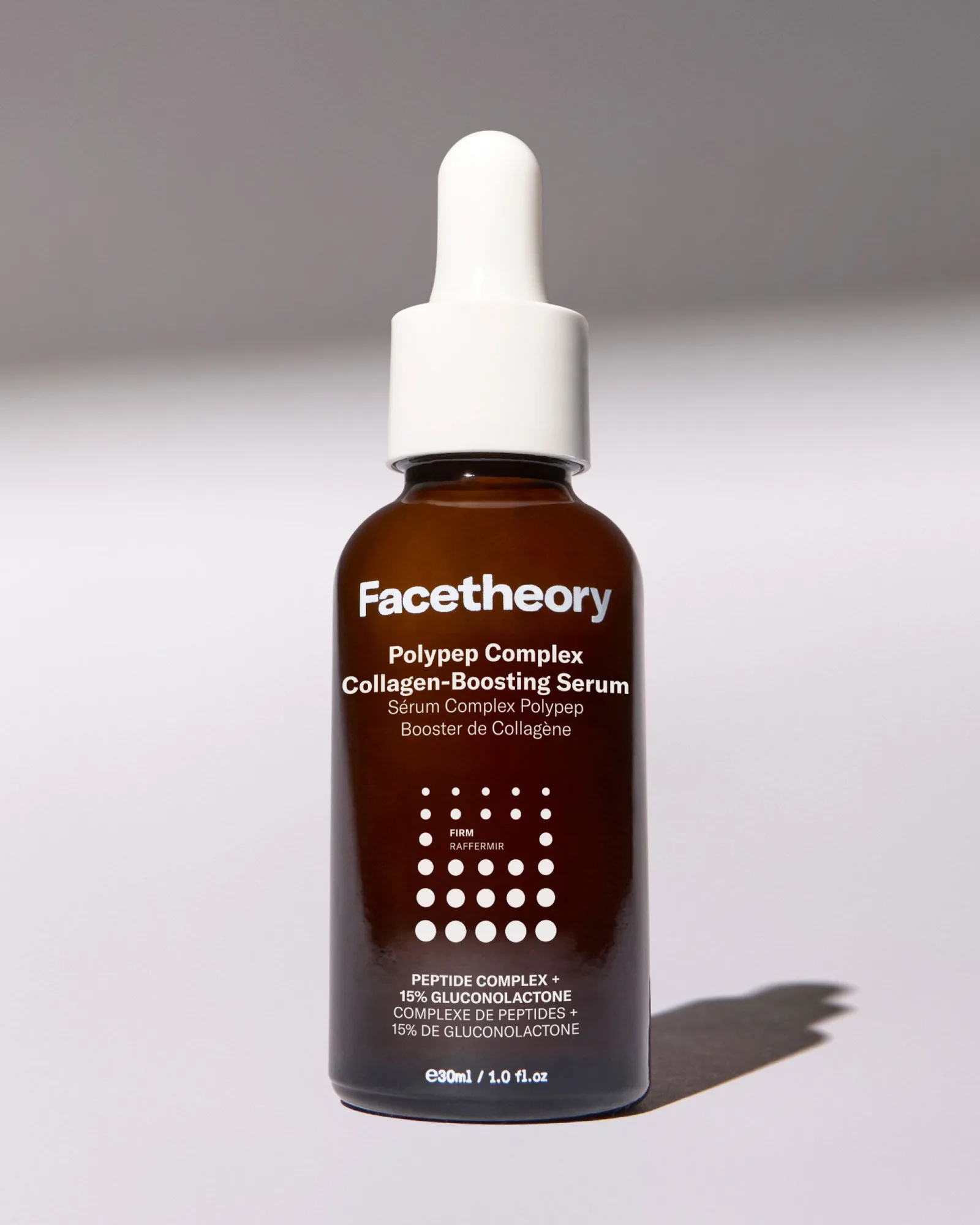
Peptides are short chains of amino acids that signal your skin to produce more collagen and elastin. They are gentle, well-tolerated, and ideal for sensitive or dry skin. A peptide firming night cream works by supporting the skin’s natural repair process, leading to gradual firmness and reduced fine lines without irritation.
Retinol, a form of vitamin A, works faster by accelerating cell turnover and stimulating collagen production. A retinol firming moisturiser 0.3% is a moderate-strength option that can improve texture, fade dark spots, and soften wrinkles. However, it can cause dryness, peeling, and sun sensitivity, especially when you first start using it.
- Peptides: gentle, hydrating, best for long-term maintenance and sensitive skin.
- Retinol: more potent, faster results, but requires gradual introduction and consistent sun protection.
Who Should Choose a Peptide Firming Night Cream?
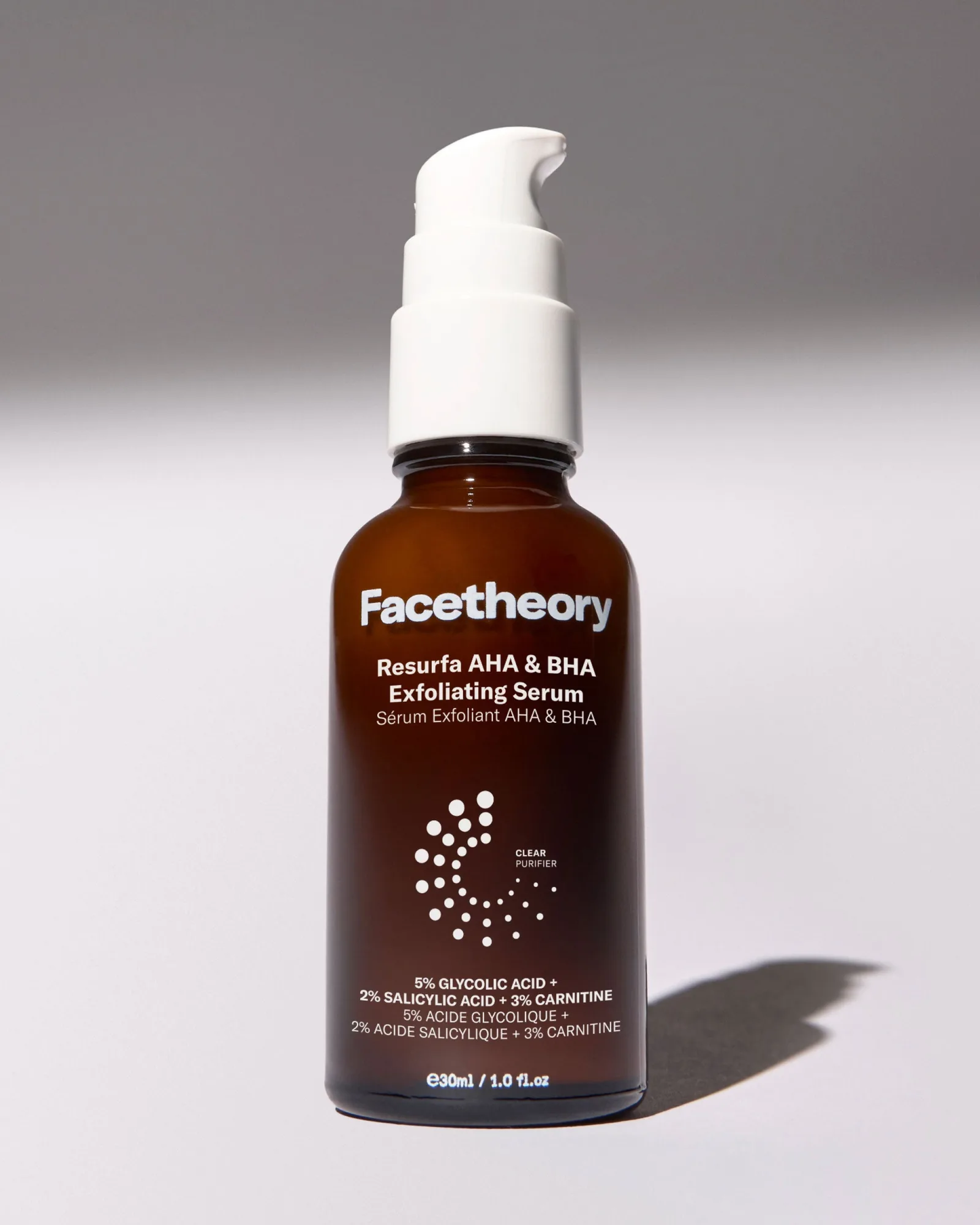
A peptide firming night cream is an excellent choice if you have sensitive, dry, or compromised skin. It’s also ideal if you’re new to anti-aging ingredients or prefer a gentle, nurturing approach. Peptides work well alongside other actives, so you can layer them with hydrating serums or a gentle exfoliant like the Resurfa AHA & BHA Exfoliating Serum on alternate nights.
For a peptide-rich option, consider the Bakuchiol Firming Daily Moisturiser, which combines bakuchiol (a plant-based retinol alternative) with peptides to firm and smooth without irritation. It’s a great entry point if you’re hesitant about retinol.
- Best for: sensitive, dry, or reactive skin; first-time anti-aging users; those who want to avoid peeling or irritation.
Who Should Choose a Retinol Firming Moisturiser 0.3%?
A retinol firming moisturiser 0.3% is a solid middle ground for those who want noticeable results without jumping to high-strength formulas. It’s suitable for normal, combination, or oily skin that can tolerate some exfoliation. You’ll see improvements in fine lines, uneven texture, and dullness within a few weeks of consistent use.
Because retinol increases sun sensitivity, always apply a broad-spectrum SPF in the morning. Pair it with a gentle cleanser like the HydraCleanse Rebalancing Gel Cleanser and a hydrating toner like the Replenamist Hydrating Toner to support your skin barrier.
- Best for: normal to oily skin; those with some retinoid experience; targeting fine lines, texture, and uneven tone.
Can You Use Both Peptides and Retinol Together?
Yes, you can incorporate both into your routine, but not necessarily in the same product. Many people use a peptide firming night cream on nights they aren’t using retinol, or apply a peptide serum in the morning and retinol at night. This approach lets you enjoy the benefits of peptides vs retinol without overloading your skin.
If you’re using a retinol firming moisturiser 0.3%, consider adding a peptide-rich eye cream like the Glow-C Eye Cream to target the delicate under-eye area, which is often too sensitive for retinol. Layering wisely helps you achieve firmness and smoothing without irritation.
- Tip: Start with retinol 2-3 times per week, then use a peptide moisturiser on off nights to maintain hydration and support collagen.
Choosing between a peptide firming night cream and a retinol firming moisturiser 0.3% comes down to your skin’s tolerance and your anti-aging goals. Peptides offer gentle, long-term support, while retinol delivers faster, more dramatic results. For many, a combination approach yields the best of both worlds. Assess your skin type and start slowly—your perfect anti-aging night cream is the one you can use consistently without irritation.