When it comes to anti-aging skincare, two ingredients dominate the conversation: peptides and retinol. Both are backed by science and praised by dermatologists, but they target aging in fundamentally different ways. If you're torn between a peptide serum and a retinol serum, you're not alone. This guide breaks down how each works, their key benefits, potential side effects, and how to choose—or even combine—them for your skin goals.
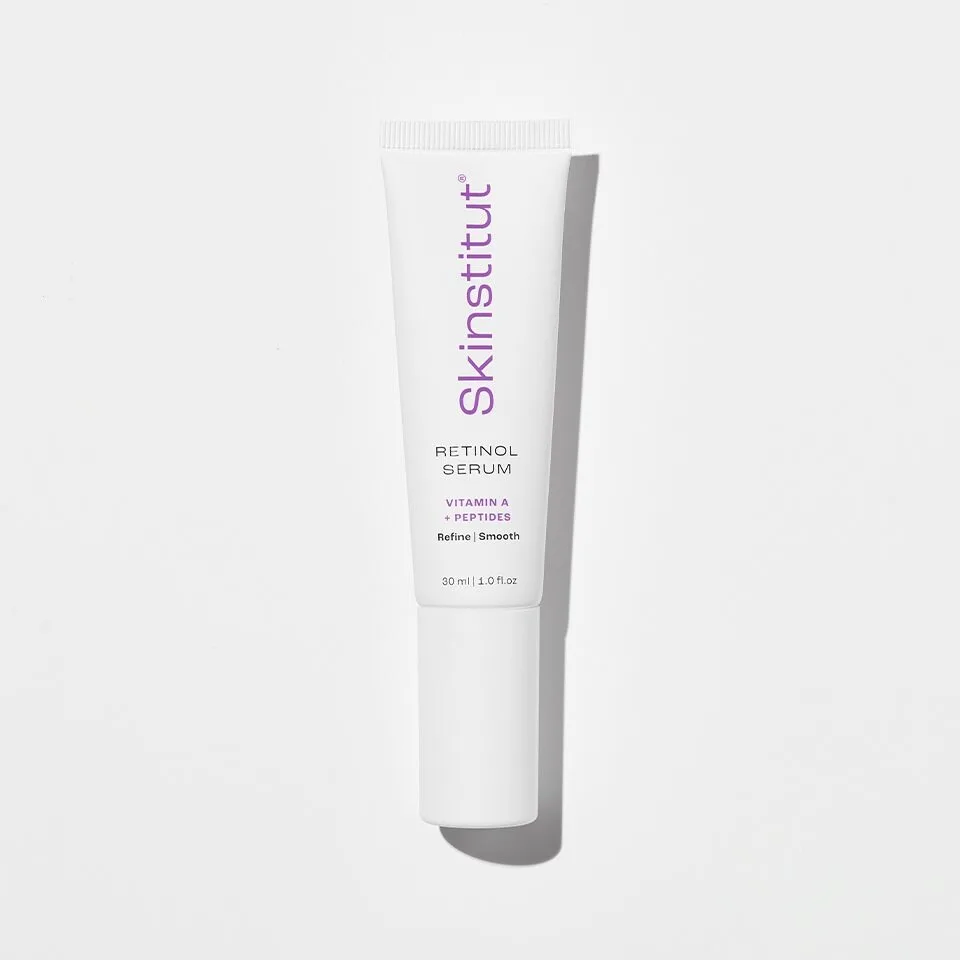
retinol serum
We'll also highlight some of our favorite products, including the Expert Skin Firming Peptide Serum and retinol options, to help you make an informed decision. By the end, you'll know exactly which anti-aging serum deserves a spot in your routine.
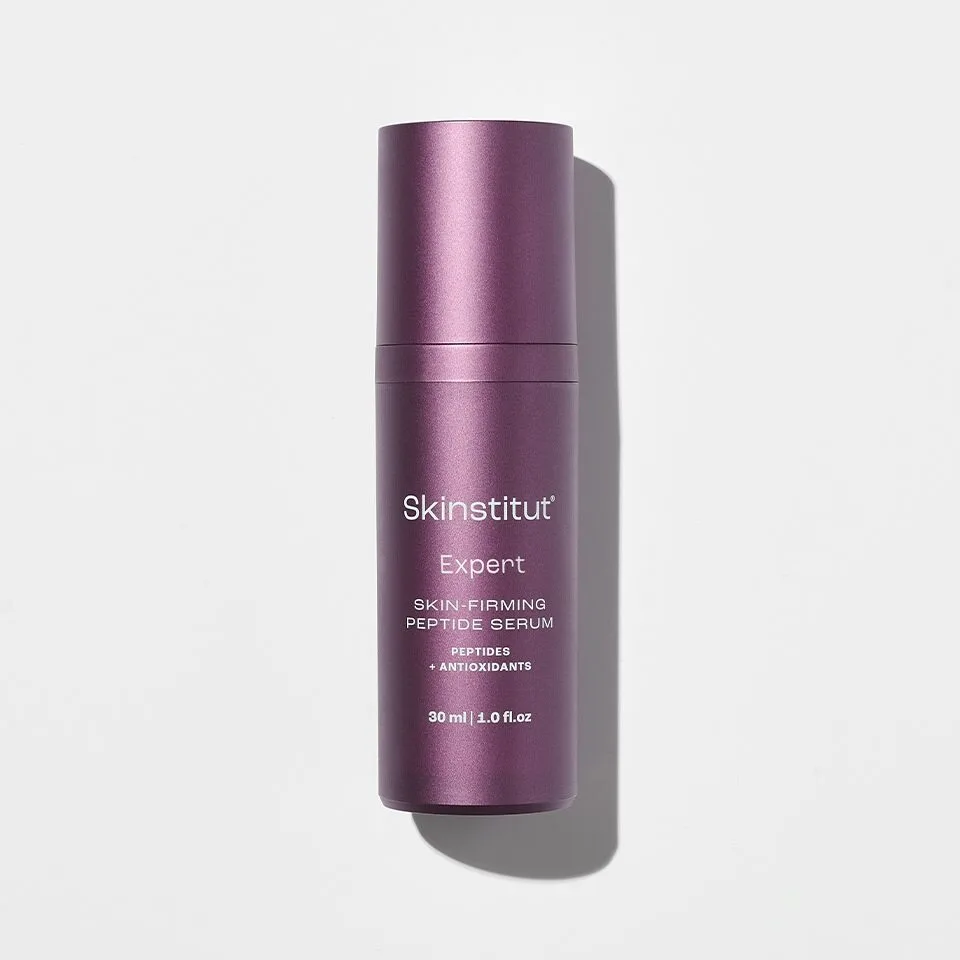
Expert Skin Firming Peptide Serum
What Are Peptides and How Do They Fight Aging?
Peptides are short chains of amino acids that act as the building blocks of proteins like collagen and elastin. When applied topically, they signal your skin to produce more collagen, which helps improve firmness, elasticity, and overall texture. Peptides are often called 'the messengers' because they tell your skin to repair itself.
Peptide serums are typically gentle, hydrating, and suitable for all skin types, including sensitive skin. They work gradually to plump fine lines and improve skin density, making them an excellent choice for early signs of aging or as a maintenance product. Unlike retinol, peptides rarely cause irritation, so they can be used morning and night.
- Boosts collagen production for firmer skin
- Improves elasticity and reduces fine lines over time
- Hydrating and gentle, ideal for sensitive skin
What Does Retinol Do? The Gold Standard for Wrinkles
Retinol is a form of vitamin A that works by accelerating cell turnover. It encourages the shedding of dead skin cells and stimulates new cell growth, which helps smooth fine lines, fade dark spots, and refine pores. Retinol is widely considered the most effective over-the-counter anti-aging ingredient for visible results.
However, retinol can cause irritation, dryness, and peeling, especially when you first start using it. It's also photosensitizing, meaning you must use it only at night and wear sunscreen during the day. Retinol is best for those who want to target existing wrinkles, uneven tone, and acne-prone skin.
- Stimulates cell turnover for smoother, brighter skin
- Reduces the appearance of fine lines and wrinkles
- Can cause irritation; requires gradual introduction
Peptide Serum vs Retinol Serum: Key Differences at a Glance
To help you decide, here's a quick comparison of how peptides and retinol stack up against each other:
Both ingredients can be used together for a comprehensive anti-aging strategy. Many dermatologists recommend using a peptide serum in the morning and a retinol serum at night. This way, you get the collagen-boosting benefits of peptides and the cell-renewing power of retinol without overloading your skin.
- Peptides: gentle, hydrating, best for prevention and firmness
- Retinol: potent, resurfacing, best for treating existing wrinkles and texture
- Combination: use peptides AM and retinol PM for optimal results
How to Choose the Right Serum for Your Skin
Your choice should depend on your skin type, concerns, and tolerance. If you have sensitive skin or are new to active ingredients, start with a peptide serum. It will provide hydration and firming benefits without the risk of irritation. Look for products like the Expert Skin Firming Peptide Serum, which is formulated to support skin elasticity and smoothness.
If you're dealing with deeper wrinkles, sun damage, or uneven texture, retinol is your go-to. Begin with a lower concentration and apply it every other night, gradually increasing frequency. Always pair it with a moisturizer to minimize dryness. For a complete routine, consider a retinol product from our range that suits your skin type.
- Sensitive skin? Choose peptides for a gentle approach.
- Visible wrinkles? Retinol delivers faster, more dramatic results.
- Combination routine? Use peptides in the morning and retinol at night.
Can You Use Peptides and Retinol Together?
Absolutely! In fact, using them together can give you the best of both worlds. Peptides support the skin's barrier and keep it hydrated, which can help counteract the dryness retinol often causes. Meanwhile, retinol accelerates cell turnover, allowing peptides to penetrate more effectively.
A simple way to combine them is to apply a peptide serum in the morning under your moisturizer and sunscreen, and a retinol serum in the evening. This approach maximizes anti-aging benefits while minimizing irritation. If you're looking for a streamlined routine, our Skincare Sets often include complementary products that work well together.
- Layering peptides and retinol can enhance results
- Always patch test new products and introduce gradually
- Consistency is key—results take time
Ultimately, the best anti-aging serum depends on your skin's needs and your tolerance for active ingredients. Peptides offer a gentle, hydrating path to firmer skin, while retinol delivers powerful, visible results for wrinkles and texture. For many, combining both—using a peptide serum in the morning and a retinol serum at night—provides the most comprehensive approach. Explore our range of peptide and retinol products to find your perfect match, and start your journey to younger-looking skin today.