Quick Answer
Perfume oil is generally more concentrated than eau de parfum, offering a closer, longer-lasting scent without alcohol. Eau de parfum, on the other hand, provides a more diffuse sillage and is easier to spray. Choose perfume oil for intimate, enduring wear, and eau de parfum for a lighter, more conventional application.
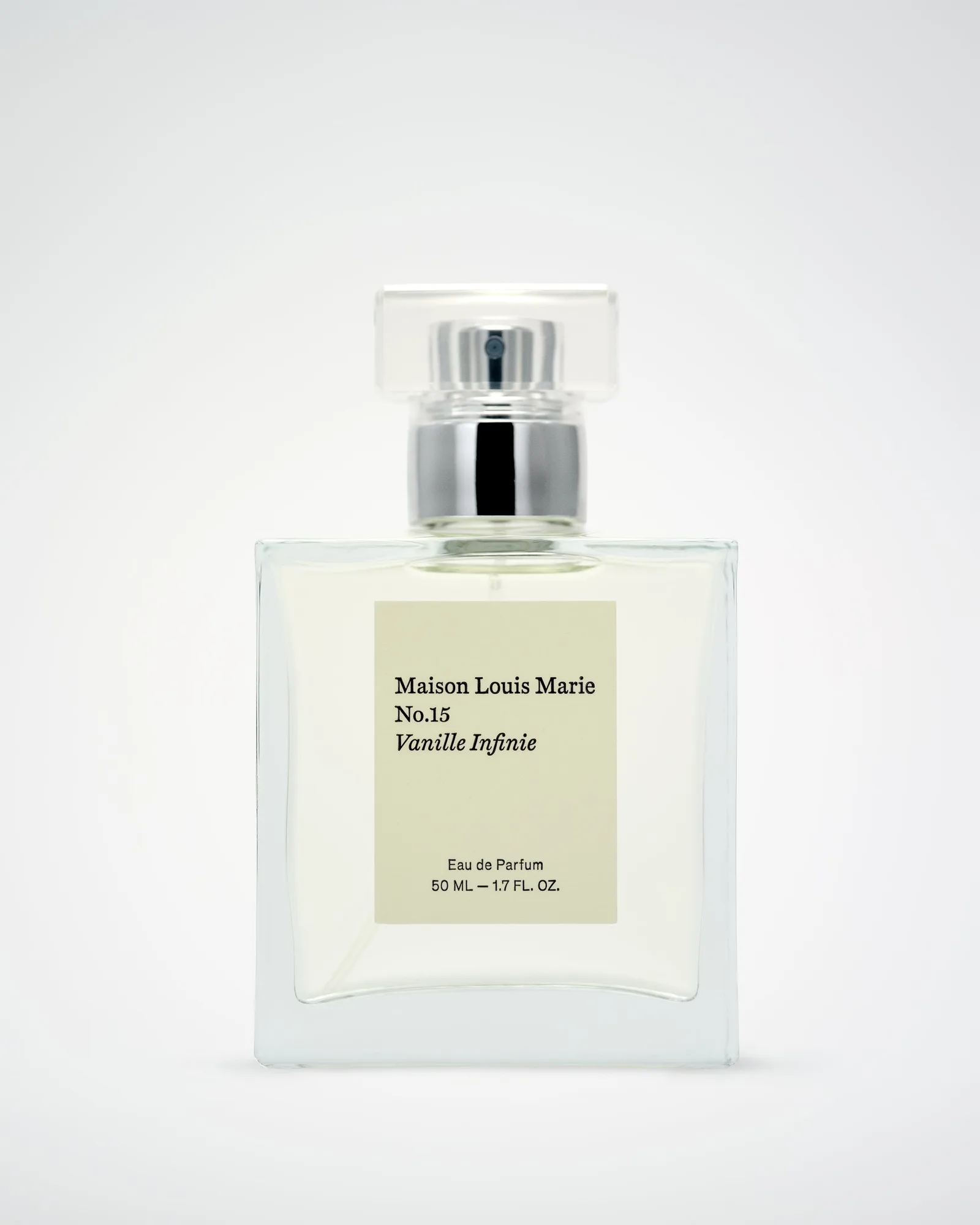
eau de parfum
When you're shopping for a new fragrance, the choice between perfume oil and eau de parfum can feel confusing. Both promise to make you smell wonderful, but they work differently on your skin. Understanding their concentration and how they behave can help you pick the right one for your routine.
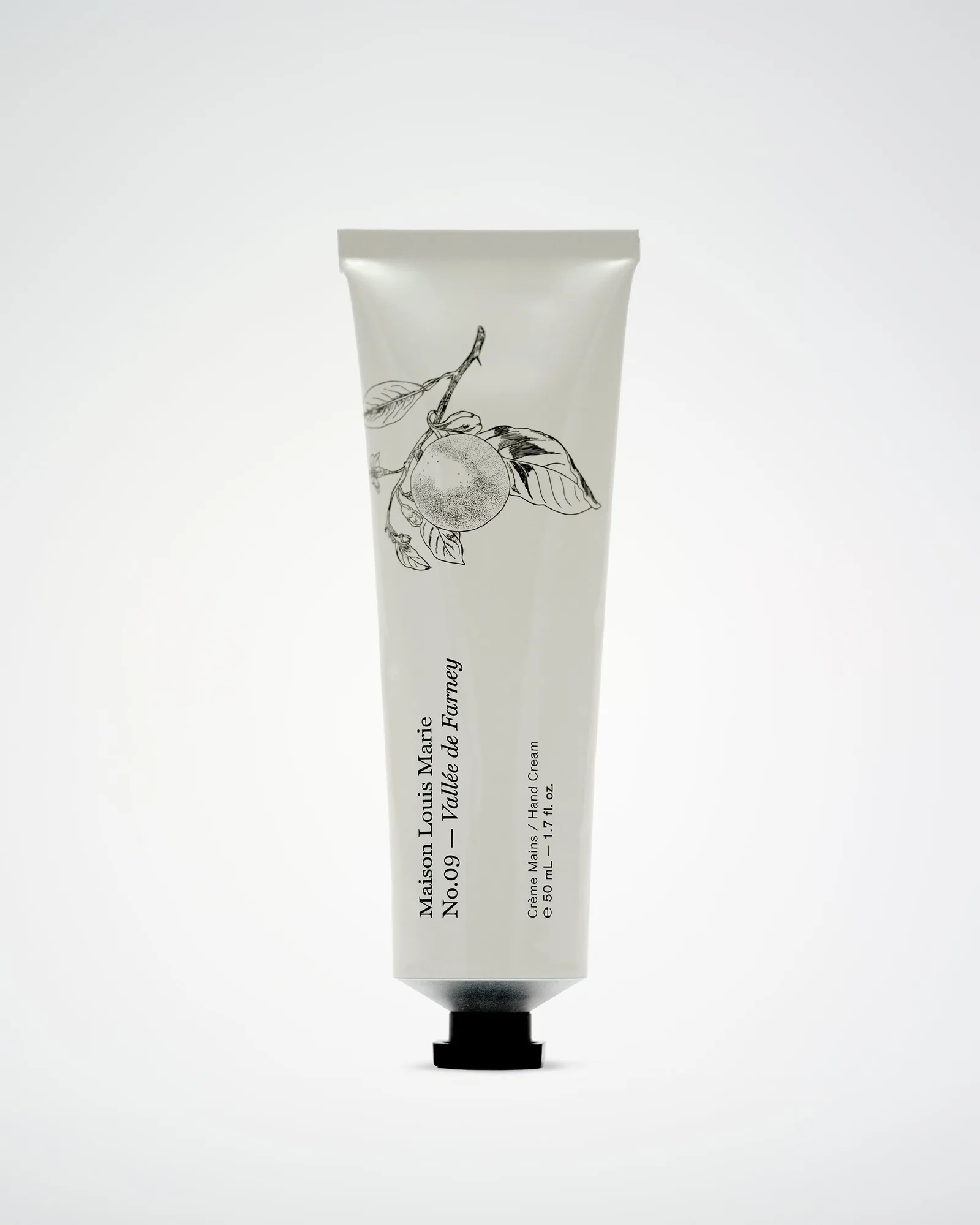
At Maisonlouismarie, you'll find both formats in the same beloved scents, like No.09 Vallée de Farney and No.12 Bousval. By comparing their characteristics, you can decide which suits your lifestyle, whether you prefer a subtle, close-to-skin scent or a more traditional spray.
What Does Concentration Mean in Fragrance?
In simple terms, concentration refers to the amount of aromatic compounds in the product. Higher concentration typically means a stronger, longer-lasting scent. Perfume oil, also known as extrait or parfum, contains a high percentage of fragrance oils and little to no alcohol. This makes it potent and long-lasting on the skin.
Eau de parfum (EDP) contains a lower concentration of fragrance oils compared to perfume oil, but it's still substantial. It includes alcohol, which helps disperse the scent when sprayed. The alcohol also affects how the fragrance evaporates, creating a more noticeable sillage but often a shorter lifespan on the skin compared to oil.
- Perfume oil: high concentration, no alcohol, close to skin.
- Eau de parfum: moderate concentration, with alcohol, more sillage.
Perfume Oil vs Eau de Parfum: Key Differences
The main difference lies in the carrier. Perfume oil uses a rich oil base, which slows evaporation and lets the scent cling to your skin for hours. It's ideal for those who prefer a scent that stays intimate and doesn't project too much. You apply it directly with a rollerball, making it easy to target pulse points.
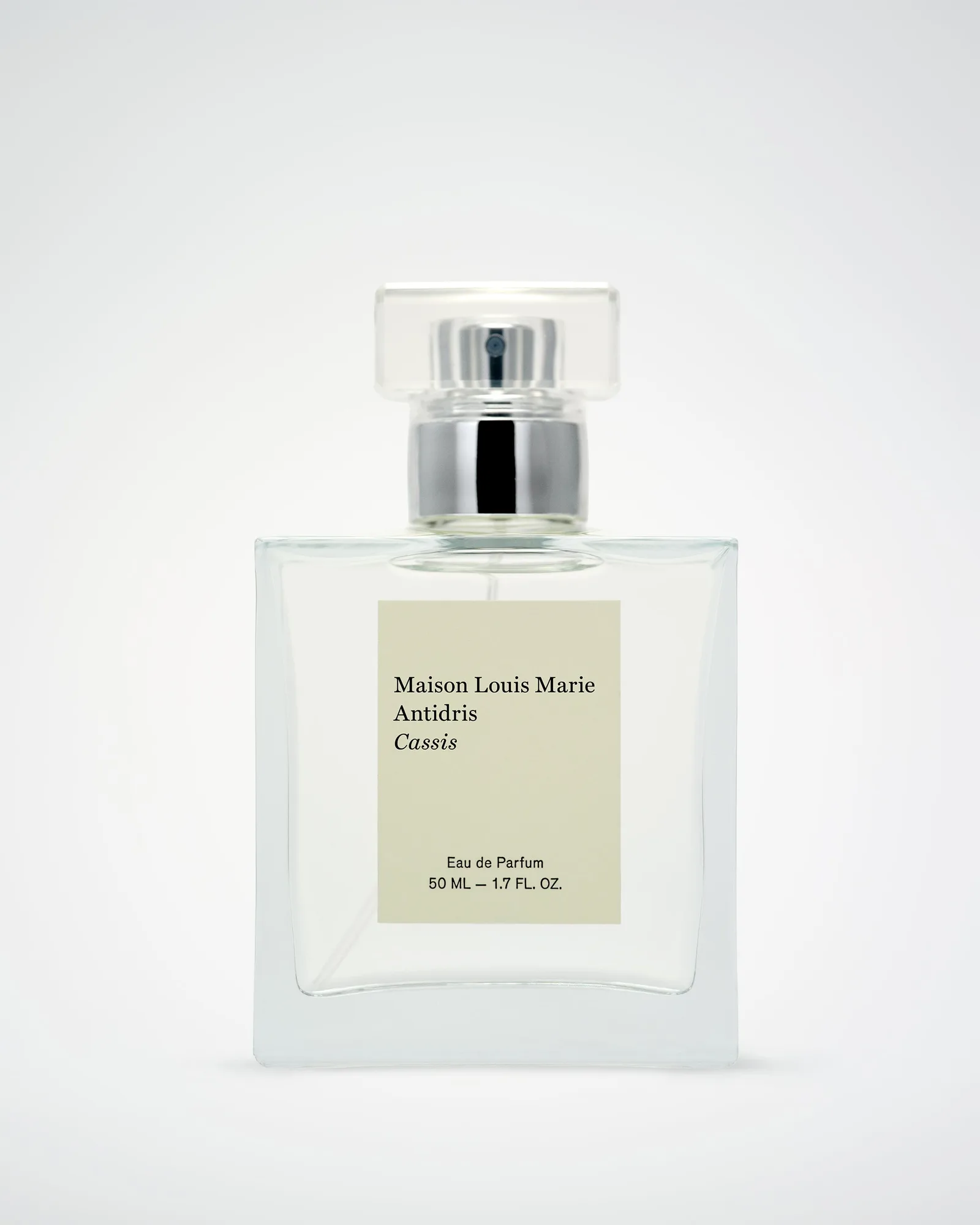
Eau de parfum, like the Travel Spray from Maisonlouismarie, uses alcohol as a carrier. When you spray it, the alcohol lifts the fragrance molecules, creating a more immediate and noticeable aroma. This format is great for those who want a quick, even application and don't mind a bit more projection.
- Roll-on application for perfume oil; spray for EDP.
- Perfume oil tends to last longer on the skin; EDP offers more sillage.
How to Choose: Factors to Consider
Your choice should depend on your daily habits and preferences. If you want a fragrance that stays close and doesn't overwhelm in close settings, perfume oil is a great pick. It's also travel-friendly and easy to reapply without over-spraying.
If you prefer a more traditional fragrance experience with a noticeable scent trail, an eau de parfum spray might be better. It's also convenient for layering with other products or for a quick spritz before heading out. Consider the occasion: oil for work or intimate dinners, EDP for nights out or when you want your presence known.
- Think about how close you want your scent to stay.
- Consider the application method you prefer: roll or spray.
- Think about reapplication needs throughout the day.
The Trade-Off: Intimacy vs. Projection
- Perfume Oil: Closer, Longer Lasting: With a high concentration and oil base, perfume oil sits close to the skin and lingers for hours. It's perfect for when you want a scent that's personal and doesn't compete with others. Choose perfume oil for intimate settings and all-day wear without reapplication.
- Eau de Parfum: More Projection, Quicker Application: The alcohol carrier in EDP allows for a spray application that covers more area and creates a more noticeable scent bubble. It's convenient and feels lighter on the skin. Opt for EDP when you want a more traditional fragrance experience with a visible scent trail.
- Layering: Best of Both Worlds: Maisonlouismarie suggests layering their EDP with Perfume Oil to build depth and longevity. This lets you enjoy the projection of a spray and the staying power of an oil. Consider owning both formats for versatility and to maximize your fragrance investment.
Maisonlouismarie Products at a Glance
- Perfume Oil - No.09 Vallée de Farney: Your scent, up close. Apply to pulse points — wrists, neck, or chest — whenever you’d like. Gently roll onto skin to release the fragrance. Perfect for layering or wearing alone, this oil-based formula stays close and lingers softly. This shows the oil format's key benefit: a soft, lingering scent that stays close to the skin, ideal for personal wear and layering.
- https://maisonlouismarietr.com/products/eau-de-parfum-no-02-le-long-fond-travel-spray-255906Eau de Parfum - No.02 Le Long Fond, Travel Spray: Fragrance that evolves with you. Spray as desired onto pulse points — wrists, neck, or the creases of your elbows and knees — where your body’s warmth allows the scent to bloom. Wear alone or layer with our Perfume Oil to build depth and longevity. This illustrates the EDP's spray application and its ability to evolve, plus it highlights the option to layer with perfume oil for enhanced depth.
Which One Fits You?
Best for
- People who prefer a subtle, close-to-skin scent that lasts all day.
- Those who like to layer fragrances or want a travel-friendly rollerball.
Not for
- Those who want a strong scent projection or prefer the convenience of a spray bottle.
- If you're looking for a quick spritz and don't mind reapplying, EDP might be a better fit.
Both perfume oil and eau de parfum have their strengths. Perfume oil offers concentration and longevity, while eau de parfum provides projection and ease of use. Consider your daily routine and personal preferences to make the right choice. And remember, you can always own both to enjoy the best of both worlds.