Quick Answer
Perfume smells different on skin vs paper because your skin's warmth, pH, and natural oils alter how fragrance molecules evaporate and interact. Paper is neutral, so it shows the perfume's raw character, while skin adds a personal, dynamic layer. To judge a scent accurately, always test it on your skin and give it time to develop.
You've likely experienced it: a fragrance that seems perfect on a paper tester strip suddenly turns sharp or flat once you spray it on your wrist. This common frustration leaves many wondering if they've chosen the wrong perfume or if their skin is 'broken.' The truth is, fragrance chemistry is complex, and skin vs paper differences are entirely normal.
In this guide, we'll break down the science behind why perfume smells different on skin vs paper, focusing on factors like body chemistry, evaporation, and the role of natural oils. We'll also share practical tips for testing fragrances effectively, so you can choose a scent that truly works with your unique chemistry.
The Science of Skin vs Paper: How Fragrance Interacts
When you spray perfume on a paper strip, you're essentially observing the fragrance in its purest form. Paper is inert and non-reactive, meaning it doesn't alter the scent's chemical composition. The alcohol evaporates quickly, leaving behind the fragrance oils, which then evaporate at their own rates. This gives you a baseline of what the perfume 'should' smell like.
Skin, however, is a living, dynamic surface. Your skin's temperature, pH level, moisture, and natural oils all influence how fragrance molecules interact. Warm areas like the wrists and neck accelerate evaporation, causing top notes to fade faster and heart notes to emerge sooner. Meanwhile, the acidic or alkaline nature of your skin can alter the scent's perception, making some notes more pronounced or muted.
Additionally, your skin's microbiome—the collection of bacteria living on your skin—can break down certain fragrance compounds, creating new scent molecules. This is why the same perfume can smell completely different on two people, even if they use the same products.
- Test on clean, moisturized skin for a more accurate representation.
- Avoid rubbing your wrists together, as friction can crush the fragrance molecules.
- Spray from a distance of about 15-20 cm to ensure even distribution.
Why Does My Perfume Smell Different on Skin? Key Factors
The most significant factor is body heat. Your skin's warmth causes the fragrance to project more intensely, but it also speeds up the evaporation of volatile top notes. This is why a scent that seems fresh and citrusy on paper might become warmer and spicier on your skin within minutes.
Skin pH also plays a role. The average skin pH is around 4.5 to 5.5, but this can vary. Acidic skin tends to enhance citrus and green notes, while alkaline skin can bring out floral and musky notes. Since your pH is influenced by diet, stress, and skincare products, your perfume's performance can even change from day to day.
Natural oils on your skin—sebum—can bind to certain fragrance molecules, slowing their evaporation and making the scent last longer. However, they can also 'mute' some notes, especially if your skin is very oily. Dry skin, on the other hand, may cause the fragrance to fade quickly, as there are fewer oils to hold onto the scent.
- If you have dry skin, apply an unscented moisturizer before perfume to help it last longer.
- Consider your skin's pH: if a scent turns sour, your skin may be more acidic.
- Keep a fragrance journal to track how different scents behave on your skin over time.
How to Test Perfume Properly: From Paper to Skin
To make an informed decision, start by testing on paper to get an initial impression of the fragrance's structure. This is useful for comparing multiple scents side by side without overwhelming your nose. However, never buy a full bottle based solely on a paper test.
Next, spray the fragrance on your skin—preferably on your inner wrist or elbow—and wait at least 30 minutes to an hour. This allows the top notes to settle and the heart notes to emerge. For a complete picture, wear the scent for a full day, observing how it evolves over time and how it interacts with your body chemistry.
When testing multiple fragrances, avoid spraying them too close together, as this can cause olfactory fatigue. Instead, use coffee beans to reset your nose between tests. Also, remember that your sense of smell can be influenced by what you've eaten, your mood, and even the weather, so test on different days if possible.
- Always test on both paper and skin before making a purchase.
- Wait for at least 30 minutes to experience the heart notes.
- Use unscented lotion to create a clean base for testing.
How to Choose a Scent That Works with Your Skin
If you find that many perfumes change drastically on your skin, consider opting for fragrances with simpler compositions or those that are known for their skin-friendly qualities. For example, scents with fewer notes may be less prone to unexpected transformations. Additionally, look for fragrances that use ingredients that are naturally compatible with skin, such as musk, vanilla, or sandalwood.
At Modern Luxury Perfume, we craft our candles and fragrances with a deep understanding of how scent interacts with the environment. For a candle that fills your space with a scent that doesn't depend on skin chemistry, consider our Tapestry candle, which weaves garden posies with leather and hay for a nostalgic yet refined ambiance. Or, if you prefer a scent that evokes the rugged Scottish landscape, Rushlight offers cypress and cedarwood that can create a calming atmosphere regardless of skin type.
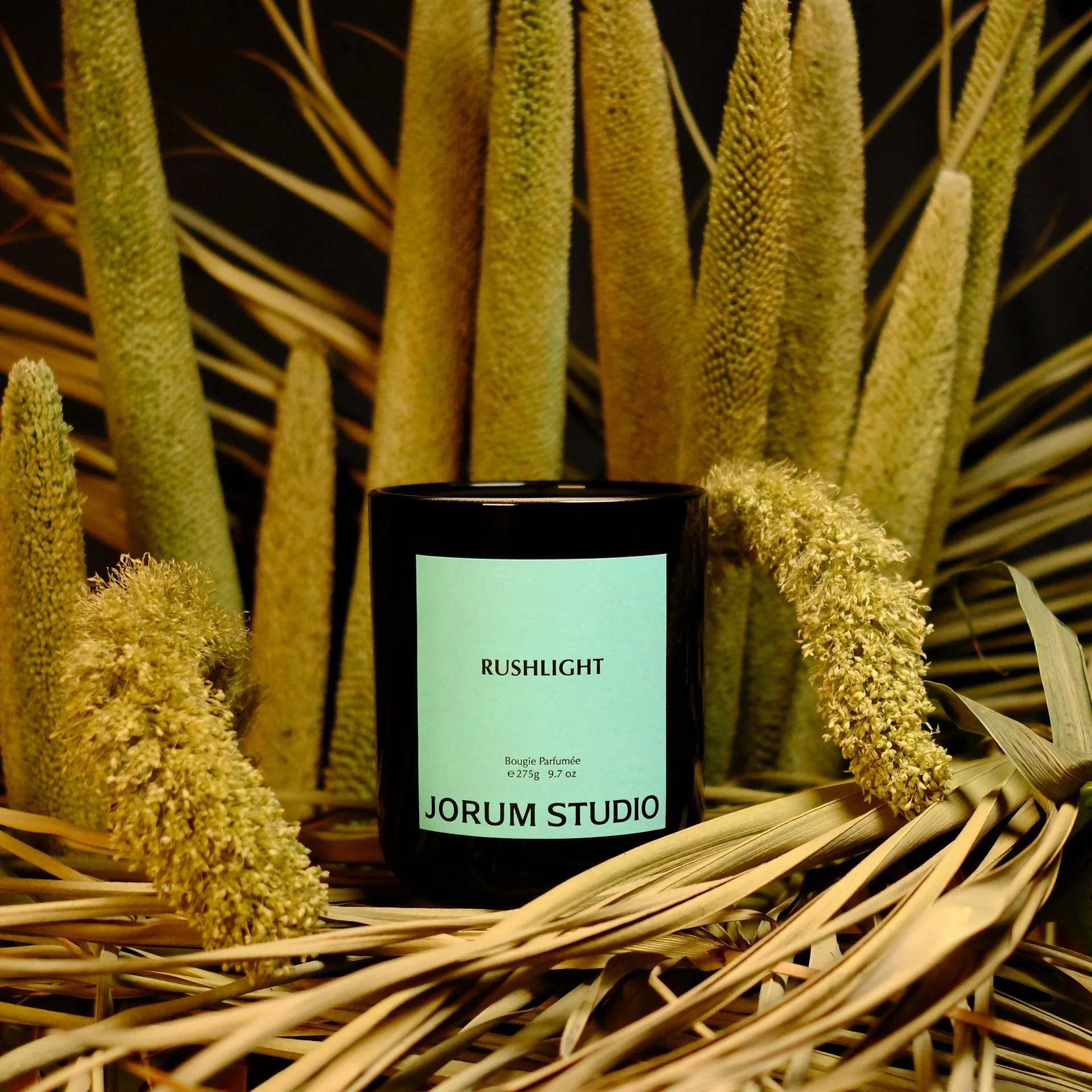
Rushlight
- Opt for fragrance families that are known to work well with skin, like woody or musky scents.
- Test a fragrance on your skin at least twice before committing to a full bottle.
- Consider using a fragrance-free moisturizer to create a consistent base.
Diagnosis: Why Your Perfume Smells Different on Skin
- Symptom: Perfume smells sharp, flat, or completely different on skin compared to paper. This is normal and due to skin chemistry.
- Likely Cause: Body heat, pH, natural oils, and skin microbiome alter fragrance evaporation and perception. Identify your skin type and pH to anticipate changes.
- Corrective Action: Test on skin for at least 30 minutes, use unscented moisturizer, and avoid rubbing wrists. Give the fragrance time to develop before judging it.
- When to Stop: If the scent still doesn't work after multiple tests, accept that it may not suit your chemistry and explore other options. Move on to a different fragrance or consider candles for a consistent scent experience.
Product Facts: How Our Candles Compare to Skin Chemistry
- Tapestry: Garden posies picked by childish hands bedeck the old country house, freshness woven through faded grandeur. Impression Lemon Blossom, Lavender, Hyacinth, Neroli, Orris, Leather, Hay, Tobacco. 220g scented soy wax candle. Approximately 45 hours burn time. Made in Scotland. Unlike perfume on skin, this candle delivers its full bouquet without body chemistry interference, making it a reliable choice for consistent ambiance.
- Rushlight: The mountainside is raw and rugged, yet solace can be found in the lonely film-grained croft, in quiet contemplation of burning rush grass. Impression Cypress, Linden Blossom, Rush Grass, Osmanthus, Laurel, Cistus, Cedarwood, Geranium, Vetiver. 220g scented coconut and rapeseed wax candle. Approximately 45 hours burn time. Made in Scotland. If you love earthy, green scents but find they turn sour on your skin, this candle offers the same character in a room-filling form, perfect for cozy evenings.
Understanding why perfume smells different on skin vs paper empowers you to make better fragrance choices. Remember, your skin is the ultimate test strip. If you're still searching for a scent that resonates, explore our collection of candles, like Tapestry, which offer a consistent fragrance experience without the variables of skin chemistry. Visit Modern Luxury Perfume today to find your perfect scent.