Quick Answer
Perfume (often meaning Eau de Parfum) and Parfum (Extrait de Parfum) differ primarily in fragrance oil concentration, which affects longevity, sillage, and price. Parfum typically contains 20-30% aromatic compounds, while Eau de Parfum has 15-20%. If you prefer a more intense, longer-lasting scent with a softer projection, choose a Parfum; if you like a lighter, more versatile fragrance that can be reapplied, opt for an Eau de Parfum.
When shopping for niche fragrances, you've likely encountered both 'perfume' and 'parfum' on labels, leaving you wondering if there's a real difference. While both terms are often used interchangeably in casual conversation, in the fragrance world they denote distinct concentrations of aromatic oils, which directly impact how the scent performs on your skin.
Understanding these differences is key to selecting a fragrance that matches your lifestyle and preferences. In this comparison, we'll break down the technical distinctions, explore how they affect your experience, and help you decide which type is right for you—with insights from our curated collection at French Niche Perfume House | State Of Mind.
What Is the Difference Between Perfume and Parfum?
The primary difference lies in the concentration of fragrance oils. 'Parfum' (also known as Extrait de Parfum) contains the highest concentration, typically 20-30% aromatic compounds. 'Perfume' is a broader term that can refer to any fragrance product, but in common usage, it often denotes Eau de Parfum (EDP), which contains 15-20% concentration. This difference affects how long the scent lasts on your skin and how far it projects.
For example, a Parfum like Butterfly Mind Parfum offers a rich, immersive experience with a softer sillage that lingers close to the skin, while an Eau de Parfum like Butterfly Mind Perfume provides a more pronounced presence that may require reapplication throughout the day.
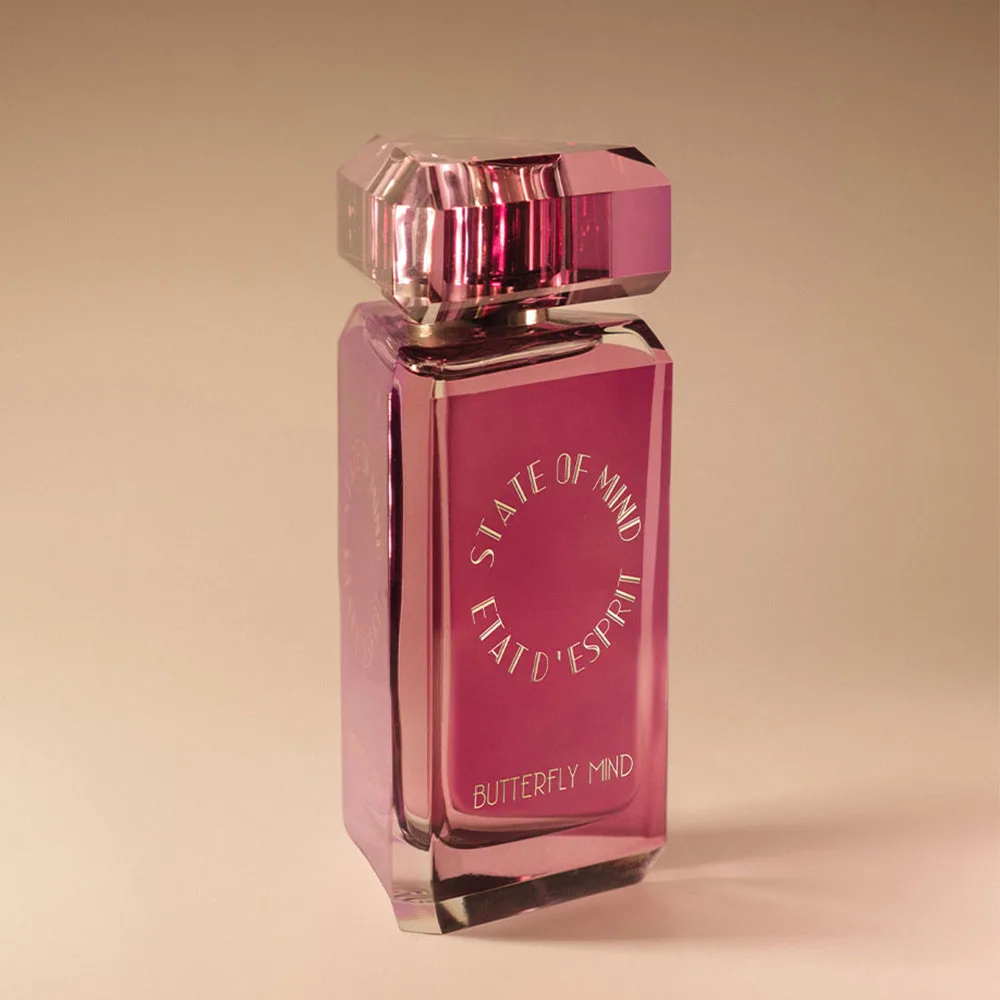
Butterfly Mind Perfume
- Parfum: 20-30% oil concentration, lasts 8-12 hours, intimate sillage.
- Eau de Parfum: 15-20% oil concentration, lasts 6-8 hours, moderate sillage.
- Eau de Toilette: 5-15% concentration, lasts 3-5 hours, lighter projection.
Concentration and Longevity: What to Expect
The concentration of fragrance oils directly influences longevity. Parfum, with its higher oil content, evaporates slower, meaning it can last all day with a single application. Eau de Parfum, while still long-lasting, typically requires a midday touch-up for all-day wear. This makes Parfum ideal for special occasions or long days when you can't easily reapply.
Consider your daily routine: if you're often out from morning to night, a Parfum like Open Mind Parfum ensures you remain enveloped in your scent without needing to carry a bottle. On the other hand, if you enjoy changing your fragrance throughout the day, an Eau de Parfum offers more flexibility.
- For all-day wear without reapplication, choose Parfum.
- For a lighter feel and the option to reapply, choose Eau de Parfum.
Sillage and Projection: How Strong Is the Scent?
Sillage refers to the trail of scent left behind, while projection is how far the fragrance radiates from your skin. Parfum typically has a more moderate projection, creating an intimate aura that draws people in when they're close. Eau de Parfum, with its higher alcohol content, tends to project more strongly initially, making a bolder statement.
Your personal preference plays a big role here. If you prefer a scent that whispers rather than shouts, Parfum is your ally. If you like your fragrance to announce your presence, Eau de Parfum might be more suitable. For example, Aesthetic Turbulence Perfume (an Eau de Parfum) offers a spicy floral profile that projects confidently, while a Parfum version of the same scent would be more subdued.
- Test both concentrations on your skin to see which projection feels right.
- Remember that skin chemistry can alter how a fragrance performs.
Trade-Offs at a Glance
- Longevity vs. Reapplication: Parfum lasts longer but requires fewer reapplications; Eau de Parfum may need midday touch-ups but offers a lighter feel. Choose Parfum for all-day wear, Eau de Parfum for flexibility.
- Sillage vs. Projection: Parfum has a softer sillage, creating an intimate aura; Eau de Parfum projects more strongly, making a bolder statement. Decide based on how close you want people to get.
- Price vs. Value: Parfum often costs more per milliliter due to higher oil concentration, but you use less per application, potentially making it more economical over time. Consider cost per wear, not just upfront price.
Product Facts: Parfum vs Perfume in Our Collection
- Butterfly Mind Parfum: Inspired by the pleasures of spring, this parfum opens with a delicate White Tea and Sakura accord, evolves into exotic Feijoa, and ends with sensual Cherry and White Musk. As a parfum, it offers a deeper, more concentrated experience, making it ideal for those who want a long-lasting, intimate scent that captures the freshness of spring.
- Butterfly Mind Perfume: This Eau de Parfum shares the same floral, fruity, and fresh profile, with a vibrant harmony of White Tea and Sakura, evolving into Feijoa and finishing with Cherry and White Musk. With a lighter concentration, this perfume provides a more versatile option that can be worn daily and reapplied as needed, perfect for those who prefer a less intense sillage.
Which Should You Choose?
Best for
- Those who want a long-lasting, intimate scent for special occasions or long days.
- Individuals who prefer a subtle, close-to-skin fragrance experience.
Not for
- People who enjoy changing fragrances frequently throughout the day.
- Those who prefer a strong initial projection and don't mind reapplying.
Understanding the difference between perfume and parfum empowers you to make a choice that aligns with your lifestyle and scent preferences. Whether you opt for the concentrated elegance of a parfum like Butterfly Mind Parfum or the versatile charm of an eau de parfum like Butterfly Mind Perfume, both offer unique experiences. Explore our collection to find the perfect match for your personality.