Quick answer
Display your periodic table with real elements in a stable, dry spot away from direct sunlight and out of reach of children and pets. Clean only with a dry, soft cloth, and never open sealed element samples. If you cannot verify an element's safety or containment, treat it as fragile and keep it behind glass or acrylic.
Where should you place a periodic table with real elements?
Choose a location with stable room temperature and low humidity, away from windows, radiators, and air vents. Direct sunlight can fade labels and some element samples, while temperature swings may stress seals. A sturdy shelf or wall mount at eye level reduces the chance of accidental knocks. If you have young children or pets, place the display higher than they can reach or behind a closed cabinet door.
How do you handle element samples safely?
Most periodic table displays with real elements are designed to be looked at, not opened. If a sample is sealed in glass or acrylic, leave it sealed. For any unsealed sample, use tweezers or gloves and avoid touching it with bare skin, especially if you are unsure of its reactivity or toxicity. Never eat, drink, or store food near the display. If a sample breaks or leaks, ventilate the area and follow local disposal guidelines for hazardous materials.
How should you clean the display and the elements?
Dust the frame and the outside of sealed samples with a dry, soft microfiber cloth. Do not use water, glass cleaner, or solvents on or near the elements, as moisture and chemicals can damage labels, seals, or reactive samples. If the backing board is wood or painted, a dry cloth is usually enough. For stubborn dust in corners, use a soft brush or a can of compressed air held at a distance.
What about humidity and temperature control?
Humidity is the main enemy of many element samples. Keep the display in a room with relative humidity between 30% and 50% if possible. In damp climates, use a small dehumidifier or silica gel packets near the display, but do not let the packets touch the elements. Avoid placing the display in a bathroom, kitchen, or basement where moisture levels fluctuate. If you live in a very humid area, consider a sealed display case with a gasket.
How do you store element samples you are not displaying?
Store spare or extra samples in labeled, airtight containers in a cool, dry place. Keep them separated to prevent accidental contact between reactive elements. Use a locked cabinet or a high shelf if children or pets are present. Never store element samples near food, medications, or flammable materials. If you are unsure about a sample's stability, store it in a fireproof safe or consult a local hazardous materials facility.
What are the signs that a display needs attention?
Check the display monthly for cloudy glass, corroded metal samples, loose seals, or discolored labels. Any of these signs mean you should move the display to a drier spot and consider resealing or replacing damaged samples. If you notice a powdery residue or a strange odor, ventilate the room and avoid touching the sample with bare hands. When in doubt, remove the sample and store it safely until you can identify the issue.
Quick care FAQ
Can I touch the elements with my bare hands?
No. Even seemingly stable elements can leave residue or react with skin oils. Use tweezers or gloves if you must handle an unsealed sample, and never touch a sample you cannot identify. Keep bare hands away from all element samples.
How often should I clean the display?
Dust the outside with a dry microfiber cloth every two to four weeks. Check seals and labels monthly for signs of wear or moisture. A dry cloth and a monthly visual check are enough.
What if a sample breaks or leaks?
Ventilate the room, avoid touching the material, and follow local hazardous waste rules. Do not vacuum or sweep dry powders if you suspect toxicity. Treat any break as a hazardous materials situation.
Is it safe to display near a window?
No. Sunlight can fade labels and heat can damage seals. Choose an interior wall away from direct sun and temperature swings. Indirect light only, and keep away from windows.
Science Decor products that fit this setup
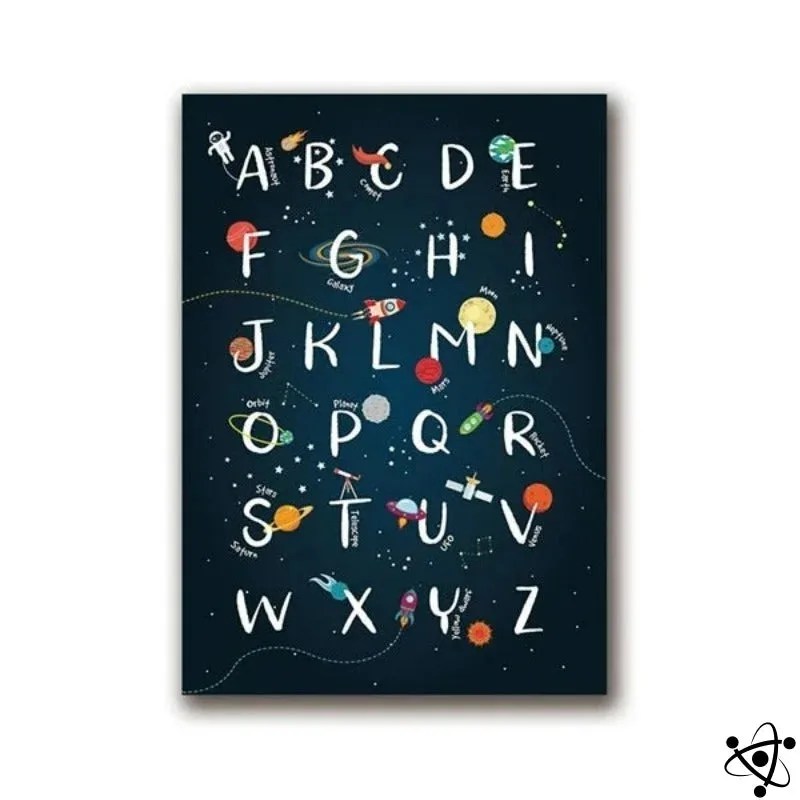
- Scientific Poster Letters From The Alphabet: Scientific Poster Letters From The Alphabet is a spatial poster with bright colors and magic letters designed to stir imagination, available in multiple sizes. Hang it near your element display to create a cohesive science corner without adding maintenance needs.
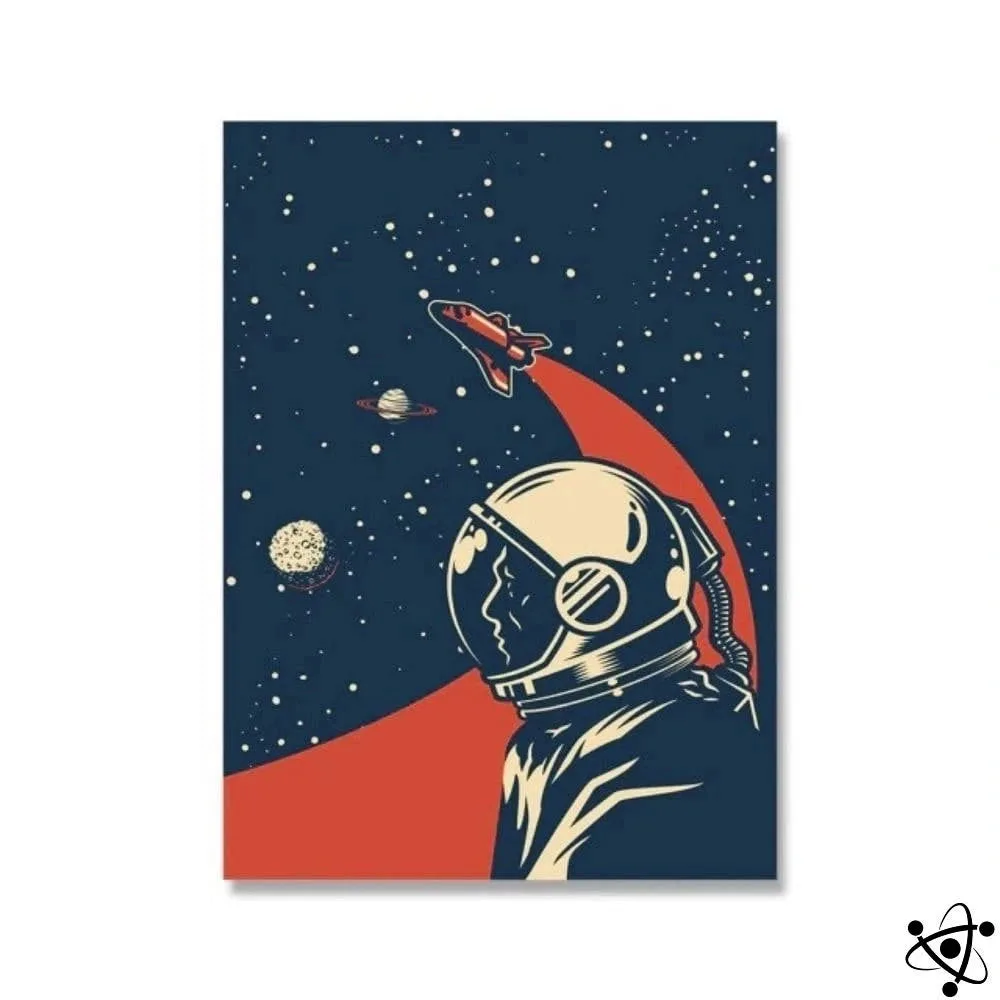
- Poster Retro Astronaut: Poster Retro Astronaut features a vintage pattern with bright colors and an elegant retro-futuristic look, available in multiple sizes. Its retro theme pairs well with a periodic table display, and like any paper poster it only needs dry dusting.
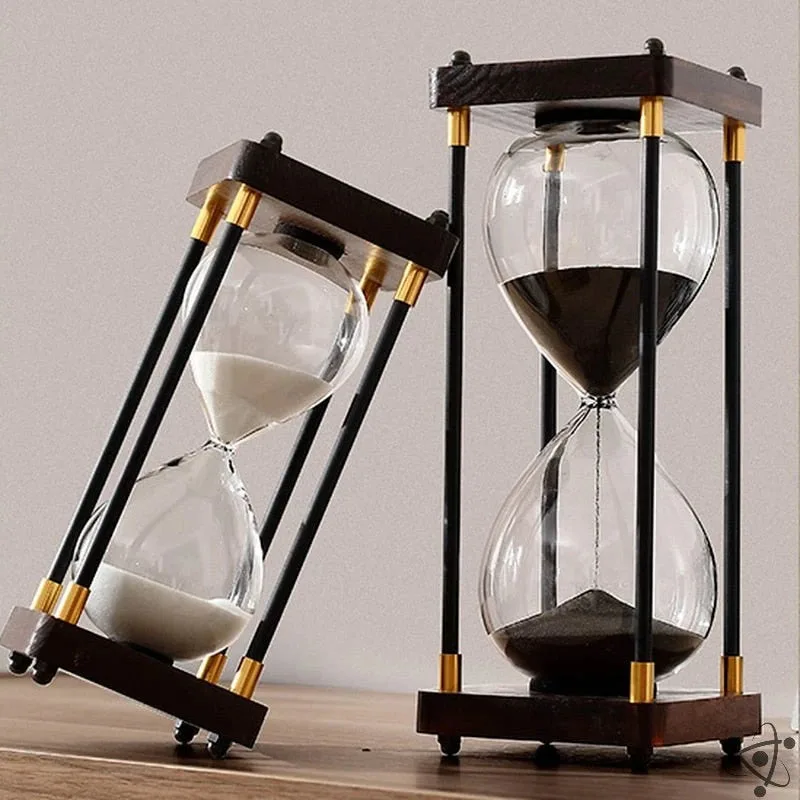
- Multicolored Hourglass: Multicolored Hourglass is available in 30-minute and 60-minute versions and in multiple colors and styles, made to time tasks or decorate a space. Use it as a nearby timer for cleaning or study sessions, but keep it on a separate shelf so sand cannot reach element samples.