Quick answer
Buy a mat that is 2-4 inches wider than your bowl footprint on every side and has a raised lip or textured underside. A silicone pet feeding mat with a lip stops sliding and contains splashes best; a waterproof mat with a flat, wipe-clean surface is the easiest to maintain daily.
Material decides cleanup, not just looks
Silicone mats grip smooth floors well and tolerate daily wiping, but they can hold static hair and need a full wash now and then. Rubber-backed fabric mats feel softer under bowls and absorb small drips, yet the fabric layer stains over time and the rubber backing can peel if it stays wet. Stainless steel trays with a rim are the most rigid option and work well for heavy eaters, but they are louder when a bowl shifts and they show water spots. Pick the material based on how you clean, not on how it looks in a photo: if you want a quick rinse, silicone is the practical choice; if you want a softer surface and don't mind laundering, fabric-backed works.
Sizing and lip height stop the mess at the source
Measure the widest part of your bowl or bowls, then add at least 2 inches per side so a sliding bowl still stays on the mat. A low lip (about a quarter inch) is enough for water bowls that only splash, while a taller lip helps with enthusiastic eaters who push kibble out of the bowl. If you feed two pets side by side, a single long mat is easier to keep aligned than two small mats that drift apart. For cats, a smaller mat with a shallow lip is usually easier to step onto than a deep tray.
Grip, edges, and floor type
A mat only stops sliding if the underside grips your floor. On tile or laminate, look for a textured or suction-style underside. On carpet, a heavier mat or one with a rigid tray base stays put better because carpet fibers reduce suction. Check the edge profile too: a beveled or rolled edge is less likely to curl up and trip a pet than a thin flat edge that can fold over time. If your dog pushes the bowl across the room, a mat with a raised perimeter and a weighted or thick base will outperform a thin, flexible sheet.
How bowl choice affects mat choice
A wide, heavy bowl stays put on almost any mat, so if you already use a weighted bowl, you can prioritize a waterproof surface over extreme grip. A lightweight bowl needs more help from the mat, so choose a textured underside and a lip that catches the bowl if it slides. Double-walled stainless bowls resist tipping and are easy to clean, but they can be noisy on hard trays; a silicone or rubber-backed mat dampens that sound. If you use a raised feeder, measure the base of the stand, not the bowls, because the stand footprint is what the mat must cover.
Decision rules for buying a pet bowl mat
- If your bowl slides on tile: Choose a silicone or rubber-backed mat with a textured underside and a raised lip. Avoid thin, flat fabric mats that can bunch up under the bowl. Grip first, looks second.
- If your pet is a messy drinker: Pick a waterproof mat with a lip at least a quarter inch high and a surface you can wipe in one pass. A flat fabric mat will soak through and need laundering. Waterproof beats absorbent for water bowls.
- If you feed two pets together: Measure the combined bowl footprint and buy one long mat instead of two small ones. Add 2 inches per side so bowls can shift without leaving the mat. One mat, one zone, less drift.
- If you have carpet: Choose a heavier mat or a rigid tray base because suction and thin rubber grip less on carpet fibers. Check that the edge does not curl. Weight and a rigid base work better than suction on carpet.
Product facts that matter for mat shopping
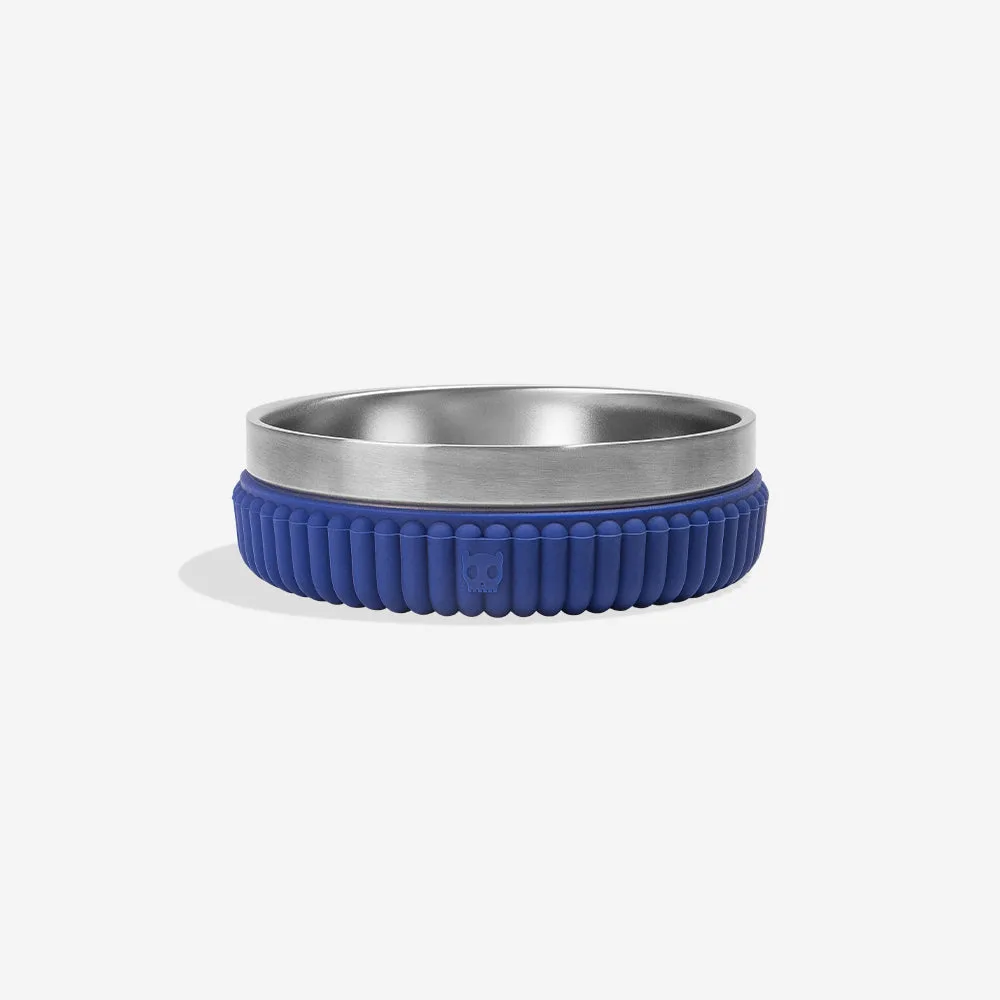
- Stripes Blue: Stripes Blue Tuff Bowl is made from double-walled stainless steel that is corrosion and rust resistant and holds up to 550ml (2.3 cups). A heavier, rust-resistant bowl is less likely to slide on its own, so you can choose a mat for splash containment rather than maximum grip.
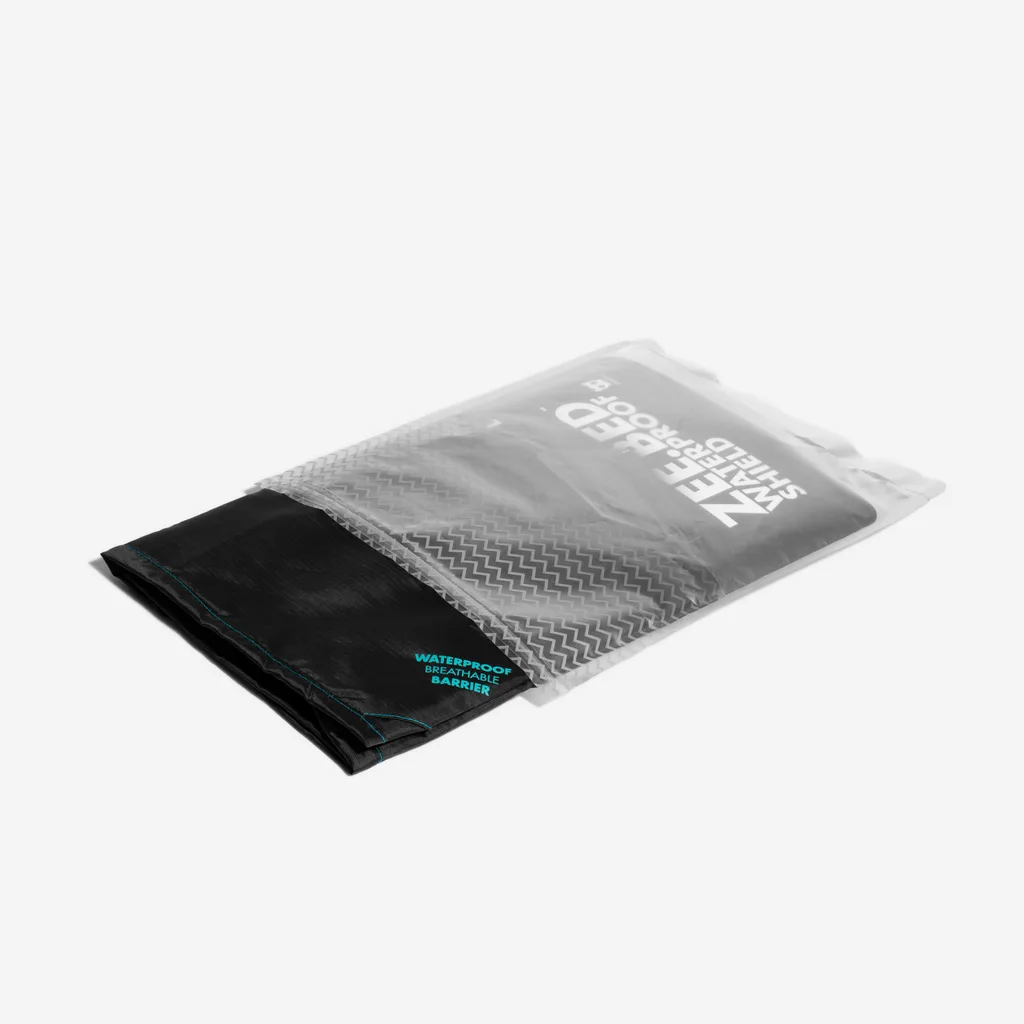
- Watershield: Watershield is a waterproof shield built with ripstop technology that blocks liquids from reaching the Zee.Bed memory foam. If you already use waterproof layers under pet gear, a waterproof mat follows the same logic: contain the liquid at the surface so the floor and furniture underneath stay dry.
Who this mat advice fits
Best for
- Owners of dogs or cats who push bowls across smooth floors
- Households that want a wipe-clean surface instead of daily mopping
- Pet parents feeding two animals side by side who need one contained zone
Not for
- Owners who want a mat to absorb large volumes of water, which needs a different product
- Pets who chew and ingest mat material, which requires a chew-proof alternative
- Very large breed setups where a single mat cannot cover the bowl footprint