Quick answer
For most cats, a structured pet carrier like the Dagne Dover Kyoto Pet Carrier offers better security and comfort than a backpack, especially during car or air travel.
Why carrier design matters for cats
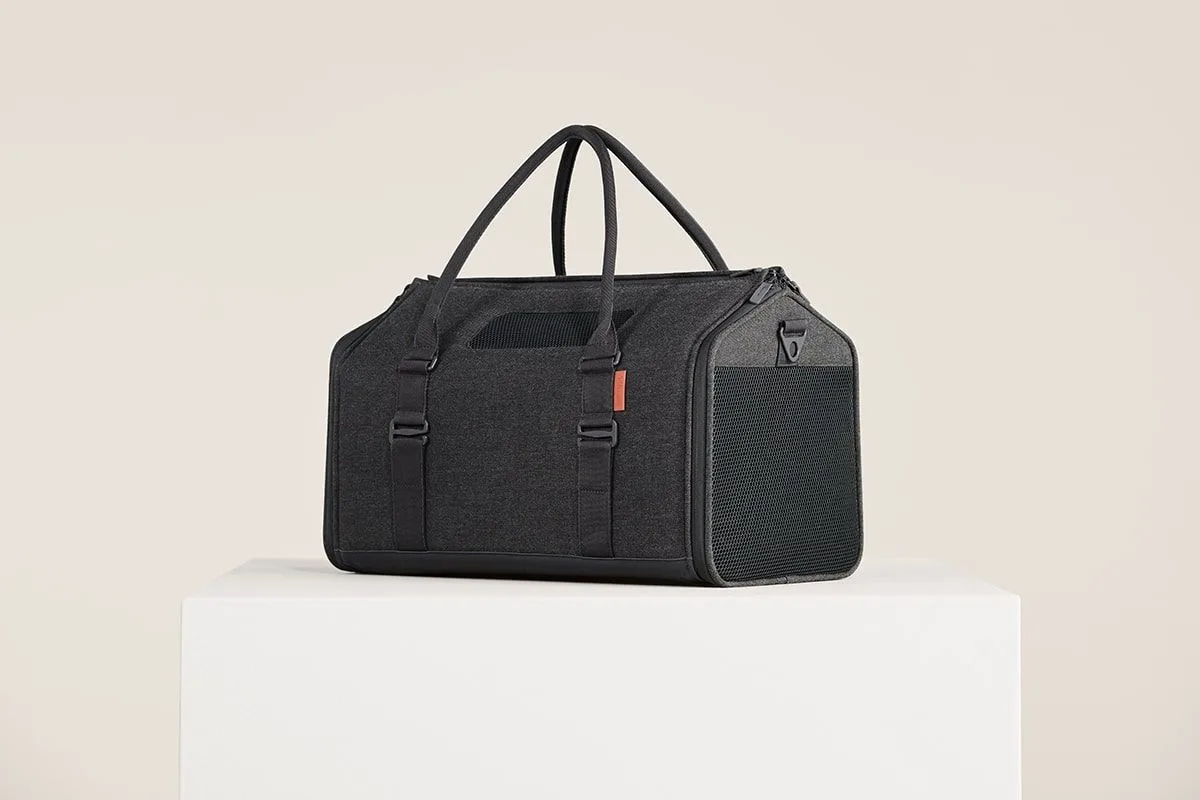
Cats are naturally cautious and prefer enclosed, stable spaces. A carrier that collapses or shifts can cause anxiety, while one with secure clips and breathable mesh helps them feel safe. The Dagne Dover Kyoto Pet Carrier is designed with these needs in mind, featuring side-release buckle clips for car-seat security and mesh doors for airflow.
Backpack trade-offs
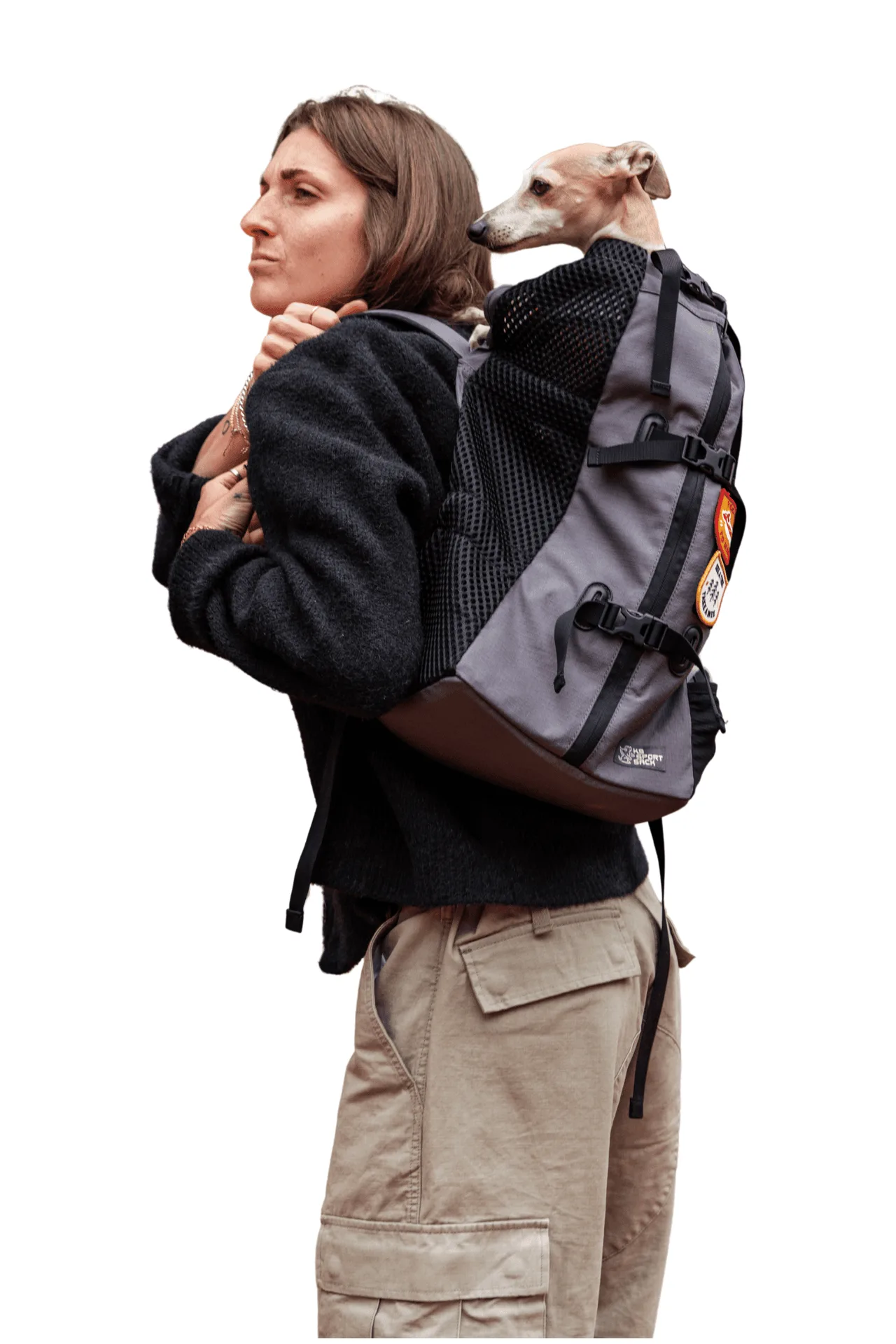
Pet backpacks offer hands-free convenience and a modern look, but they often lack the structural support and safety features of a dedicated carrier. Cats can overheat in poorly ventilated backpacks, and the upright position may be uncomfortable during long trips. For short walks or vet visits, a backpack might work, but for travel or extended use, a carrier is usually the safer choice.
Carrier vs backpack trade-offs
- Security and stability: Carriers like the Kyoto have secure clips and a flat base, preventing tipping. Backpacks may shift or fall over if the cat moves suddenly.
- Airflow and visibility: The Kyoto carrier uses breathable mesh side doors and windows. Many backpacks have limited ventilation, which can cause overheating or stress. Check that any backpack has large mesh panels and a rigid frame.
- Travel compatibility: The Kyoto carrier is airline-approved and fits under airplane seats. Most backpacks do not meet airline size or safety requirements. If you fly, choose a carrier that explicitly states airline approval.
Product facts at a glance
-
Kyoto Pet Carrier in Onyx, Large: The Kyoto Pet Carrier in Onyx, Large is designed for pets up to 20 lbs and collapses for easy storage when not in use. Ideal for train travel or storage-limited homes, offering flexibility without sacrificing space.
Kyoto Pet Carrier in Onyx, Large
Kyoto Pet Carrier in Onyx, Large
-
Kyoto Pet Carrier in Warm Dust, Small: The Kyoto Pet Carrier in Warm Dust, Small includes two side-release buckle clips to secure the carrier to a car seat. Provides added safety during road trips, reducing movement that could stress your cat.
Kyoto Pet Carrier in Warm Dust, Small
Kyoto Pet Carrier in Warm Dust, Small
Which should you choose?
Best for
- Cat owners who travel by car or plane and need a secure, airline-approved carrier
- Owners of anxious or older cats that benefit from a stable, enclosed space
Not ideal for
- Very short trips where hands-free carrying is a priority and the cat tolerates backpacks well