Quick Answer
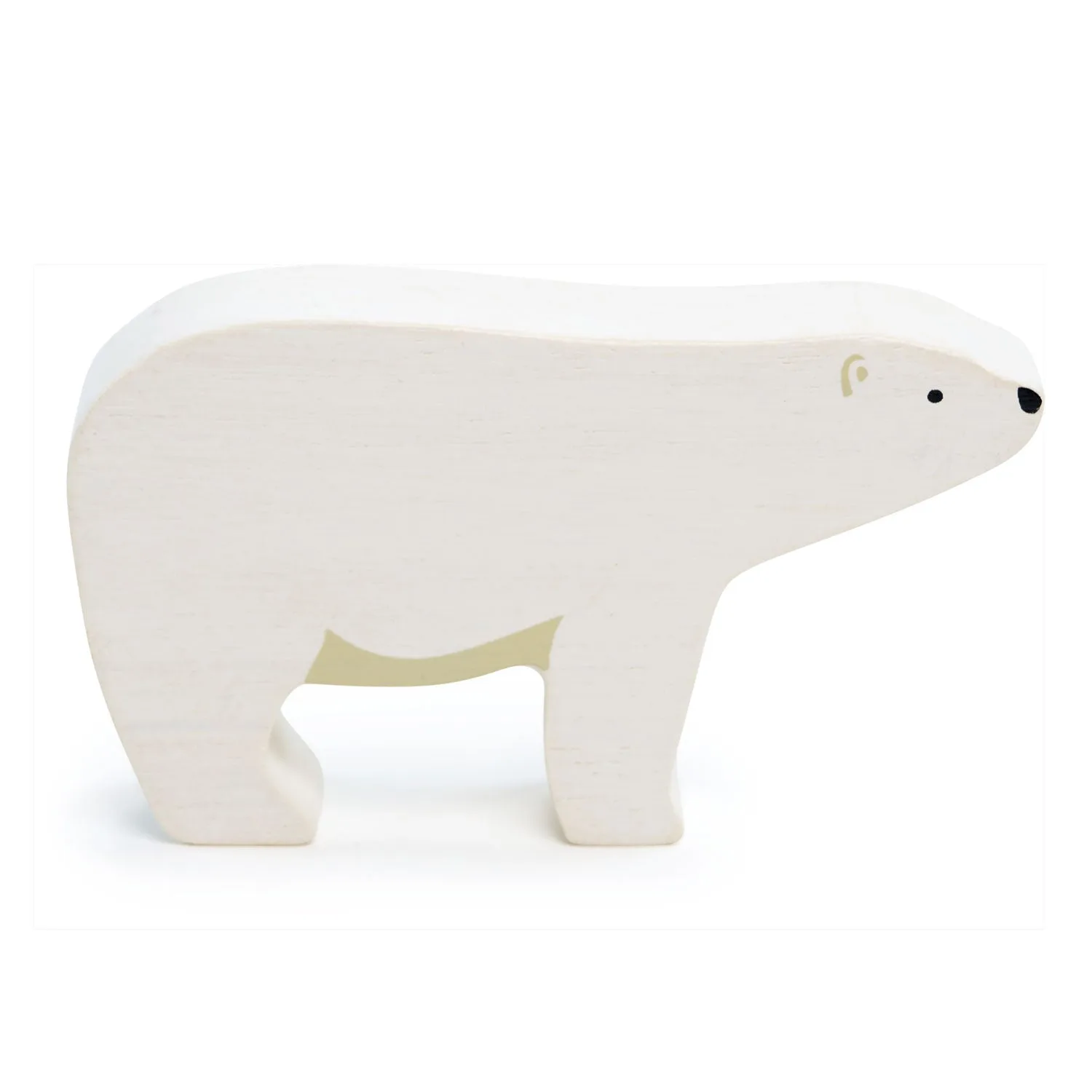
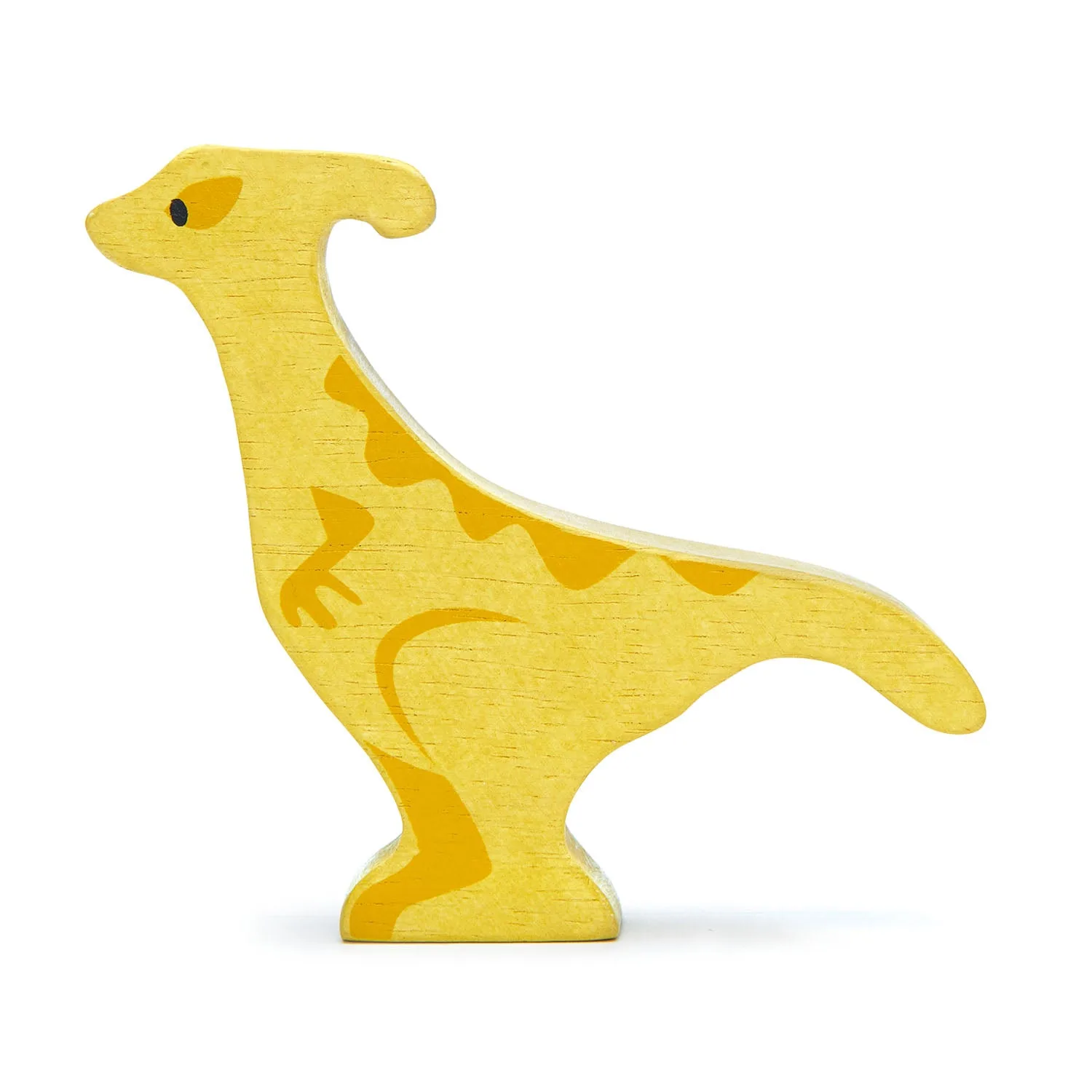
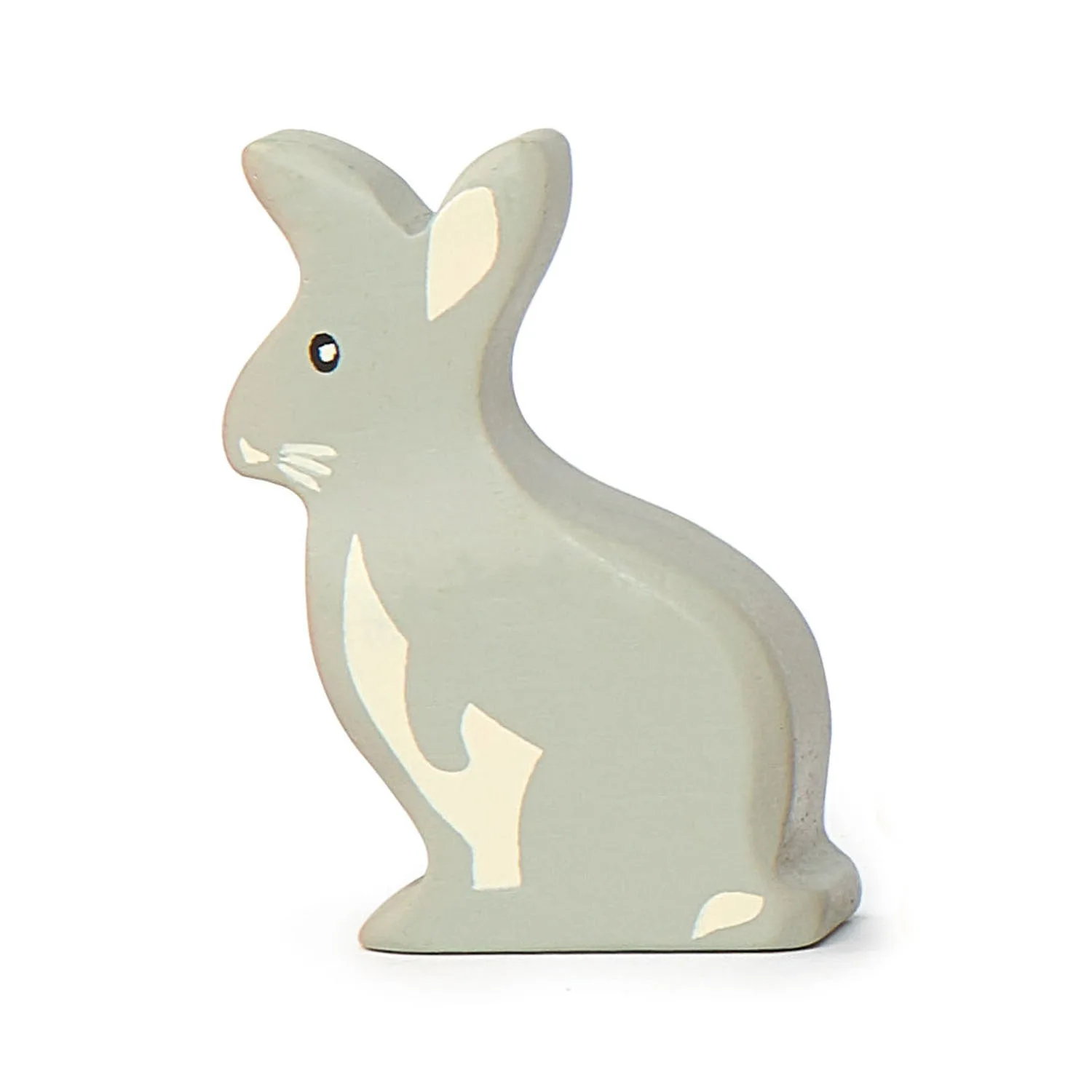
Buy a pretend rabbit-set-044b9cbfa90b72182a53214f-1357490">pet rabbit set that fits the play your child already does: a small wooden rabbit figure for collecting and story games, or a larger wooden set with accessories when you want feeding and grooming routines. Check material, size relative to other toys, and whether the pieces work with what you own. If you want a single wooden animal that slots into existing play, a figure like Parasaurolophus or Polar Bear shows the scale to expect from Tender Leaf's small wooden animals.
A pet rabbit set looks simple until you are comparing options online. Some sets are one wooden rabbit. Others are a whole hutch, food, and grooming kit. The right choice depends less on the rabbit itself and more on how your child plays, what you already own, and how much storage space you can spare.
This guide gives you decision rules rather than a list of features. It covers material and safety, size and scale, open-ended versus themed play, and the practical trade-offs of buying a wooden pet rabbit toy instead of a plastic set. Use the rules to narrow your shortlist, then check the product facts below for real examples from Tender Leaf.
Start With How Your Child Plays
Before comparing prices, watch one play session. Children who line up figures, sort them, and invent voices usually do best with single wooden animals and simple props. Children who reenact routines, such as feeding, brushing, and putting a pet to bed, get more from a set with accessories. If your child already plays with farm or garden toys, a rabbit that fits that world will be used more than a standalone set.
Open-ended play matters here. A plain wooden rabbit can be a pet, a visitor, or a character in a story, so it survives changing interests. A themed set with a hutch and food is more engaging at first but can feel finished once the routine is mastered. Many families buy one small figure first, then add a set if the rabbit becomes a favorite.
- Watch for repeated play: if your child returns to the same animal, buy a figure; if they act out routines, buy a set.
- Keep the first purchase small enough that adding pieces later still feels like an upgrade.
Material and Build: Why Wood Changes the Decision
Wooden toys generally feel heavier and warmer than plastic, and solid wood pieces tend to survive drops and stacking better than hollow plastic. They also tend to cost more, which is the honest trade-off. If your child is rough with toys or you expect hand-me-down use, wood is usually the better long-term buy. If the rabbit is a short-term phase, a cheaper plastic set may be enough.
Check the finish and edges rather than assuming all wood is equal. Painted pieces should have smooth, sealed surfaces, and small parts such as food or tools should be too large to swallow for the age group you are buying for. If a listing does not state an age range or material details, treat that as a gap and ask before buying rather than guessing.
- Prefer solid wood over particleboard or veneer for pieces that will be handled daily.
- If the listing omits age or material details, ask the seller directly.
Size, Scale, and Storage
Scale decides whether a new rabbit set actually gets played with. A rabbit that is much smaller or larger than your existing animals will look wrong in the same scene, and children notice. Measure your current figures first, then compare against the dimensions in the listing. If no dimensions are given, that is a real limitation, especially for a set with a hutch or wheelbarrow that needs floor space.
Storage is the second half of the size question. Small figures live in a basket or bin. A full set with buildings and accessories needs a shelf or a dedicated tray, and pieces that do not have a home get lost. Before buying a large set, decide where it will live when it is not being played with.
- Measure your existing animal figures before buying a new one to keep scale consistent.
- Choose a set size you can store in one container, not spread across a room.
Accessories: Useful or Clutter?
Accessories are what separate a figure from a set, and they are also where sets go wrong. A watering can, trowel, or seed packet adds a routine your child can repeat, which is genuinely good for pretend play. But tiny pieces that only fit one activity tend to be abandoned once that activity is done. Favor accessories that can be used with other toys, such as pots that also work in a garden scene.
Think about whether the accessories extend play or just fill the box. A rabbit plus a brush and a bowl supports feeding and grooming. A rabbit plus ten single-use items mostly creates tidying work for you. If you are unsure, buy the smaller set and add accessories only when your child asks for them.
- Choose accessories that cross over into other play sets you already own.
- Avoid sets where most pieces serve only one scripted activity.
Matching the Rabbit to Sets You Already Own
A rabbit set works hardest when it joins an existing world. If you already have a garden or farm setup, look for a rabbit that can graze, hide, or be carried in a wheelbarrow. That kind of crossover is why plain animal figures stay in rotation for years while single-purpose sets fade. Check the theme of your current toys before you buy.
This is also where a small figure beats a big set. A wooden rabbit that fits on a hill, in a garden, or beside an ark can appear in many stories. A rabbit locked into one hutch scene has one story. If your child already owns a play scene, buy the figure that fits it rather than a second scene that competes with it.
- Buy the rabbit that fits your existing scene instead of a second, competing scene.
- If you own no scene yet, start with a small figure and one simple prop.
Decision Rules for Buying a Pretend Pet Rabbit Set
- If your child already owns animal figures: Buy a single wooden rabbit figure at a similar size instead of a full set. Check the listed dimensions against your current toys, and treat missing dimensions as a reason to ask before buying. One matching figure beats a mismatched set.
- If your child acts out feeding and grooming routines: Choose a set with reusable accessories such as pots, a brush, or a bowl. Avoid sets where most pieces serve only one scripted activity, because those pieces get abandoned first. Accessories should extend play, not just fill the box.
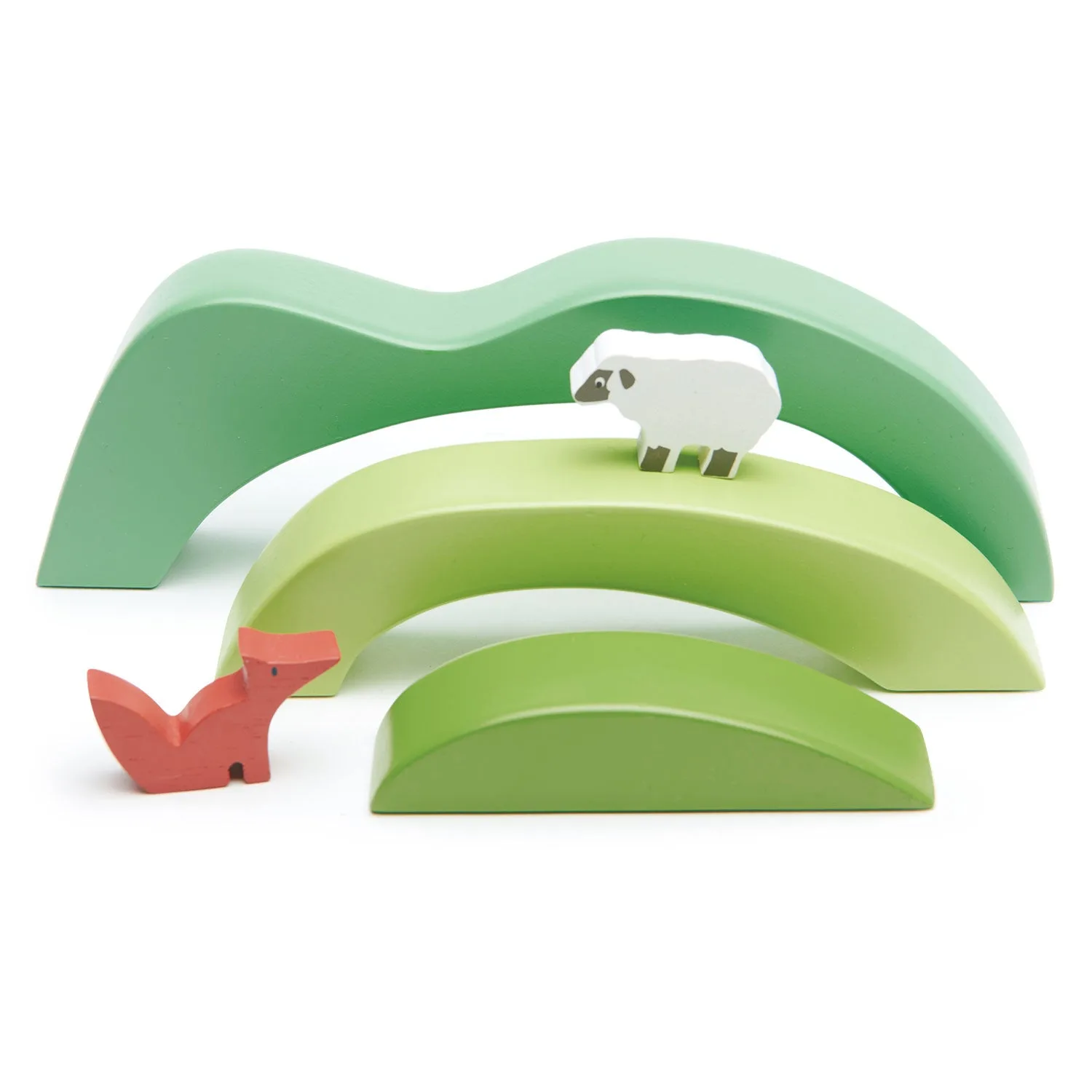
- If you are unsure whether the rabbit will stick: Start with a small wooden figure like Parasaurolophus or Polar Bear to test interest, then add a scene such as Green Hills View or a larger set later if the rabbit becomes a favorite. Small first purchase, bigger upgrade later.
- If storage space is tight: Skip sets with buildings and many loose parts. Choose a figure plus one scene that fits in a single bin or tray, and decide where it will live before you buy. If you cannot store it, it will not get played with.
- If the listing omits age range or material: Ask the seller directly rather than assuming. Solid wood and sealed painted surfaces are the details worth confirming, especially for younger children who still mouth toys. Missing details are a question, not a guess.
Product Facts to Compare
- Parasaurolophus: A small wooden dinosaur figure listed at USD 3.50, with a catalog comparison price of USD 6.99. It shows the scale and price of Tender Leaf's single wooden animal figures, which is the low-commitment way to test whether your child wants a pet rabbit set at all.
- Polar Bear: A small wooden animal figure listed at USD 4.00, with a catalog comparison price of USD 7.99. A second single-figure example at a similar size, useful for judging whether a wooden pet rabbit toy will match the animals you already own.
- Green Hills View: Three green solid wood hills for open-ended play, including a fox and a sheep, listed at USD 8.99 with a catalog comparison price of USD 17.99. A small scene that a rabbit figure can join, so you can add a pretend pet without buying a full hutch set.
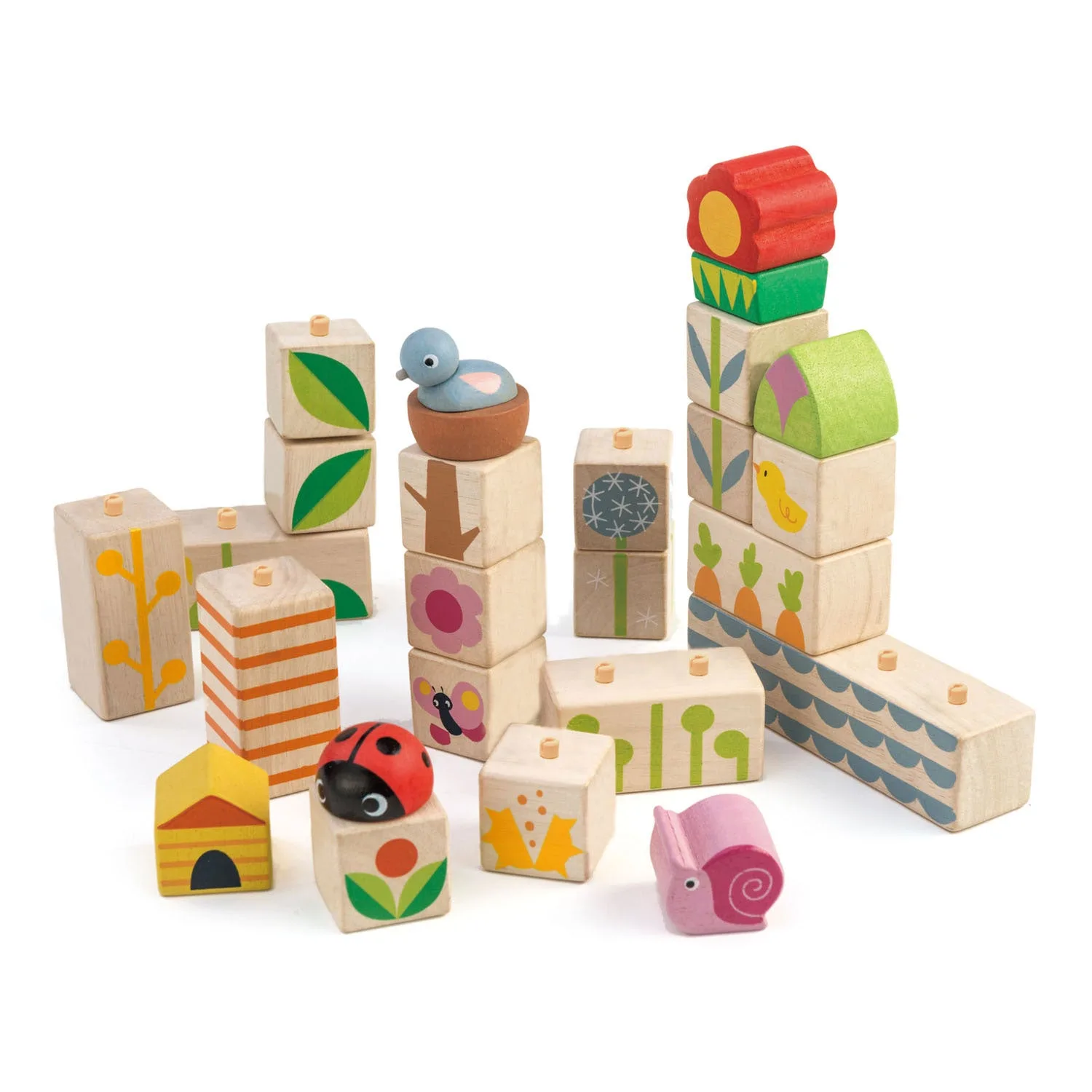
- Garden Blocks: 24 push-and-click blocks with a nature theme, listed at USD 16.00 with a catalog comparison price of USD 31.99, designed to develop hand-eye coordination, balance, and sorting skills. A building option that supports garden-themed pretend play, useful if your child prefers making scenes over acting out pet routines.
Who This Is For
Best for
- Families who already own wooden animal figures and want a rabbit that matches their scale and play style
- Children who enjoy open-ended pretend play and will use a rabbit across garden, farm, or story scenes
- Buyers who prefer solid wood toys they can pass down rather than short-term plastic sets
Not for
- Shoppers looking for the cheapest possible pet toy, since wooden sets cost more than basic plastic alternatives
- Children who need electronic sounds, lights, or moving parts to stay engaged
- Households with very limited storage who cannot keep a multi-piece set together
A good pet rabbit set is the one that fits the play already happening in your home. Decide on scale and material first, choose a figure or a set based on whether your child prefers characters or routines, and add accessories only when they extend play. That approach keeps the rabbit in rotation long after the novelty wears off.