Quick Answer
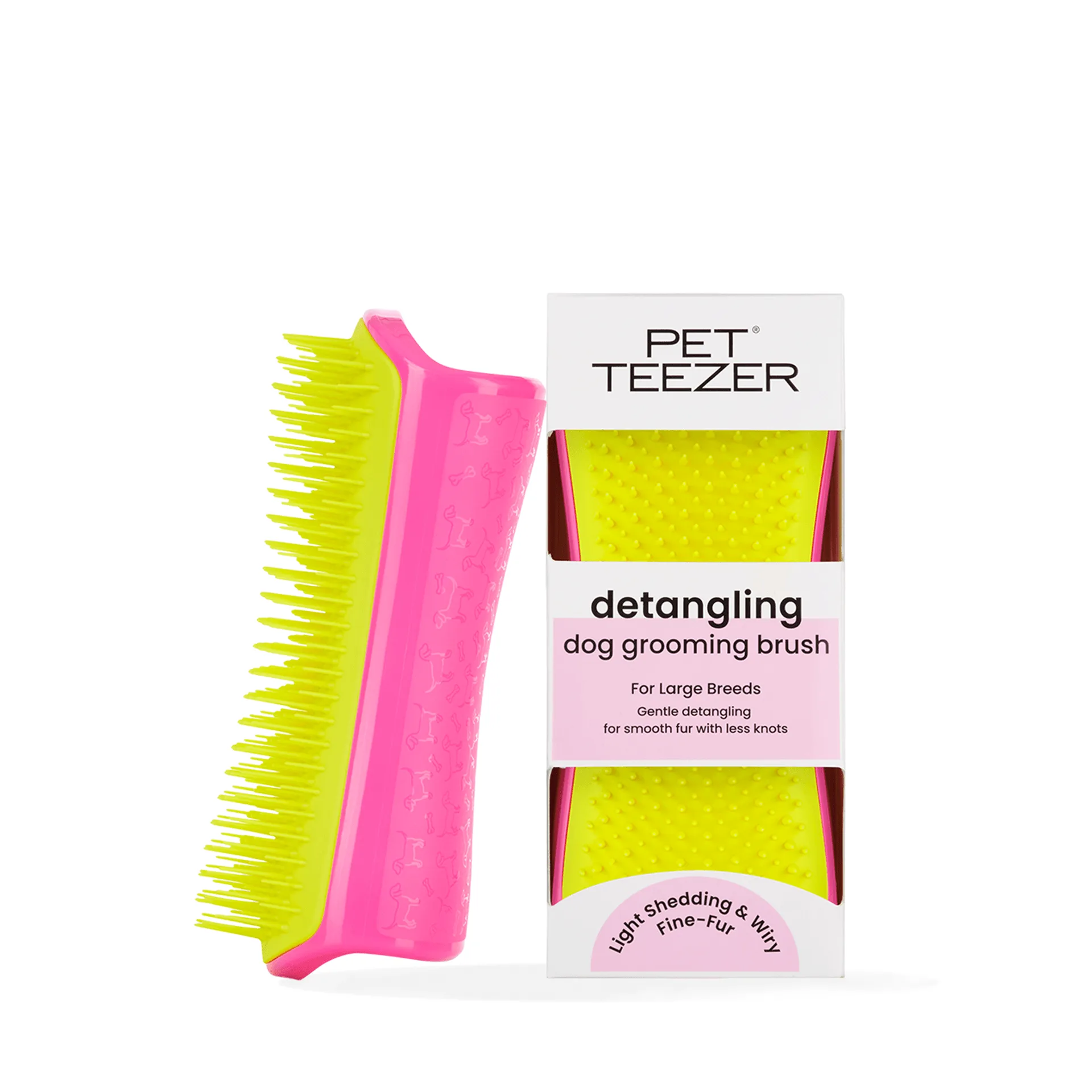
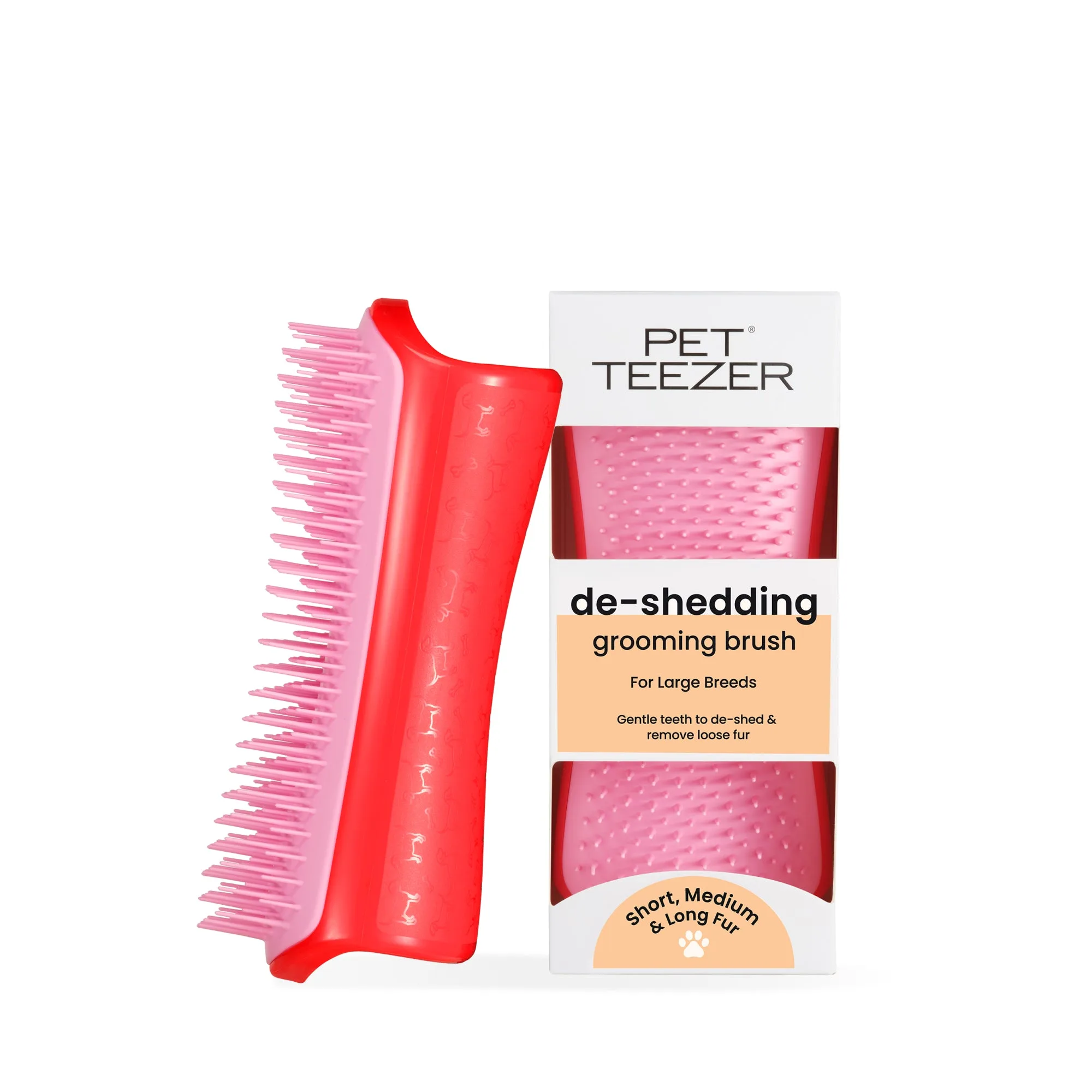
For most double-coated dogs, a Pet Teezer like the De-shedding Dog Grooming Brush reduces shedding more effectively than a standard slicker or bristle brush because its two-tiered teeth reach the undercoat where loose fur hides. However, regular brushes still win for quick surface touch-ups or for dogs with very sensitive skin. Choose based on your dog's coat and grooming tolerance.
Why Brush Design Matters for Shedding
Shedding happens when loose fur gets trapped in the undercoat. A regular brush often skims the topcoat, leaving the undercoat matted and shedding everywhere. The Pet Teezer's patented two-tiered teeth are designed to reach down to the undercoat, lifting out loose hair before it falls onto your sofa.
Regular brushes come in many shapes—slicker, bristle, and pin—but most lack the tiered depth needed for double coats. If your dog sheds heavily, a brush that targets the undercoat will make a bigger dent in the fur tumbleweeds.
What to Look for in a De-Shedding Brush
Look for brushes with longer teeth that can penetrate the undercoat and shorter teeth that catch loose surface hair. Ergonomic handles reduce wrist strain during longer grooming sessions, which matters if your dog needs frequent brushing. Also consider whether the brush works on wet and dry hair—versatility means you can groom right after a bath.
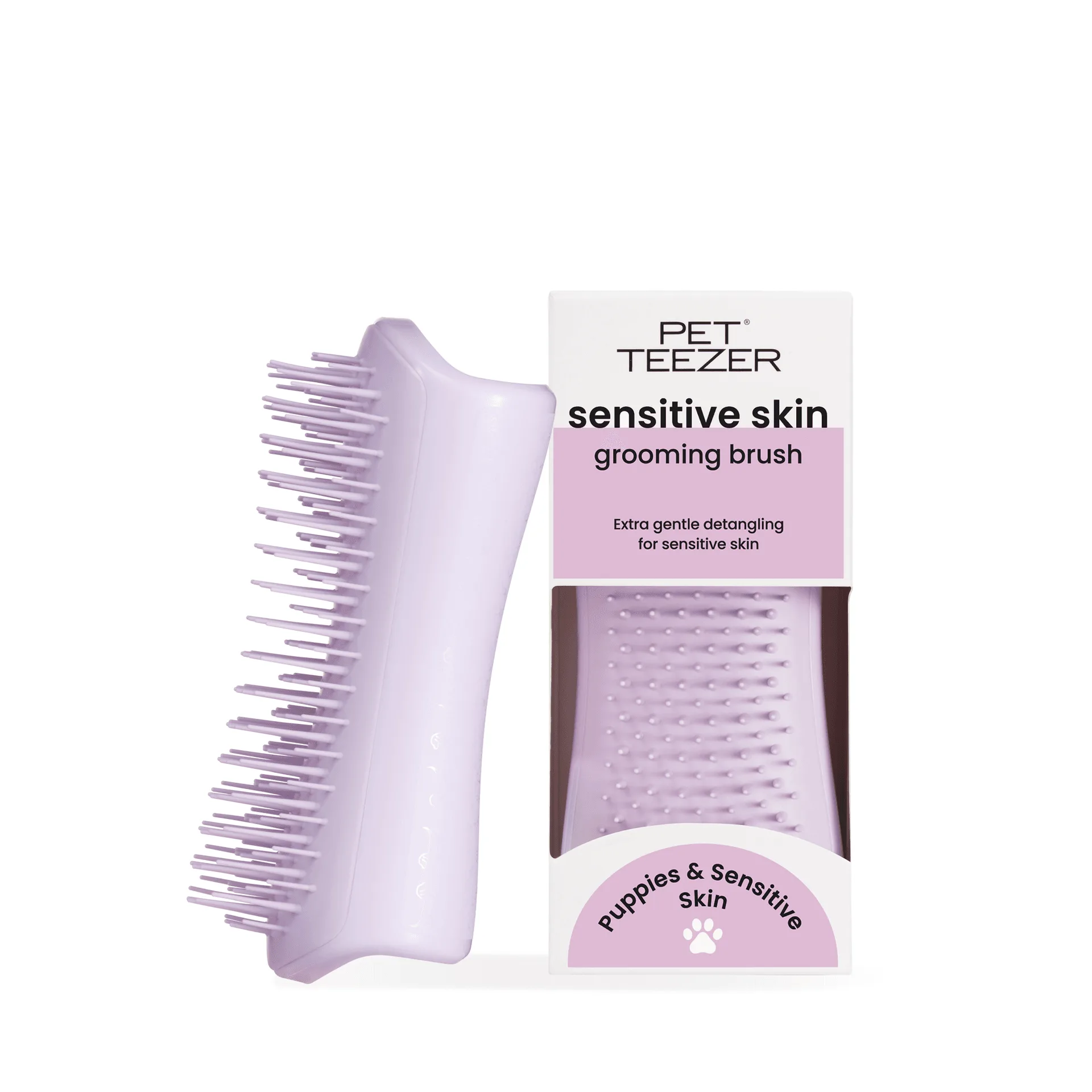
For puppies or sensitive-skinned dogs, soft-flex teeth are gentler and less likely to irritate. A brush that's too harsh can make grooming a battle, so match the bristle firmness to your dog's tolerance.
The Trade-Offs
- Undercoat reach vs surface smoothing: Pet Teezer's two-tiered teeth dig deep to remove loose undercoat fur, which is key for shedding control. Regular brushes often only smooth the topcoat, leaving hidden fur to shed later. If shedding is your main concern, choose a brush that reaches the undercoat.
- Ergonomics vs portability: The De-shedding Dog Grooming Brush is palm-friendly and reduces wrist strain, but its shape may be less familiar than a traditional handle. Regular brushes can be easier to hold for some users but may tire your wrist during long sessions. Try both grips—comfort during brushing means you'll groom more consistently.
- Gentleness vs thoroughness: The Puppy Brush's soft-flex teeth are gentle on sensitive skin, but they may not remove as much undercoat as the firmer two-tiered brush. Regular brushes vary widely, but many are too harsh for puppies. Match brush firmness to your dog's skin sensitivity, not just shedding level.
Product Facts
- De-shedding Dog Grooming Brush: This palm friendly brush is ideal for de-shedding double-coated dogs, the ergonomic shape helps reduce wrist sprain during periods of brushing, making your life easier. Using patented two-tiered teeth technology, the longer teeth gently remove dirt, reaching confidently down to the undercoat, the shorter teeth pick up loose hair. Top tip: Can be used on wet or dry hair If your dog has a double coat, this brush reaches the undercoat where most loose fur hides, and the ergonomic shape keeps your wrist comfortable during longer sessions.
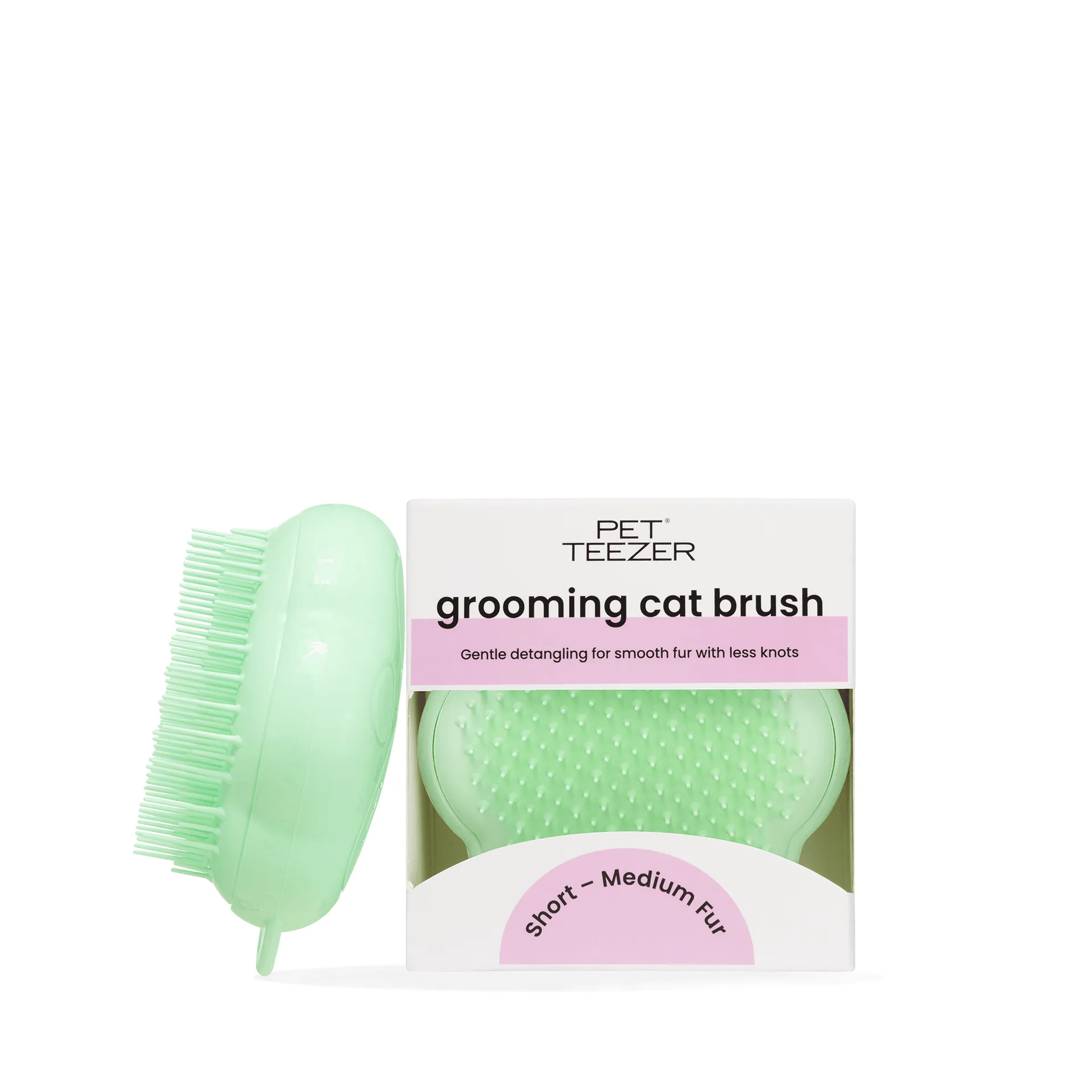
- Puppy Brush: If you’re looking to introduce your puppy to grooming, or have a dog with very sensitive skin, our Puppy Brush in Green would be perfect for your pooch. The soft-flex teeth glide through fur delivering the gentlest of brush strokes without any irritation. Top tip: Can be used on wet or dry hair For puppies or dogs that flinch at brushes, the soft-flex teeth make grooming less stressful, which means you can brush more often and catch shedding before it spreads.
Which Brush Fits Your Dog?
Best for
- Double-coated dogs that shed heavily and need undercoat removal
- Owners who groom for long periods and want wrist comfort
Not for
- Puppies or dogs with very sensitive skin—choose a softer brush like the Puppy Brush
- Quick touch-ups on short-haired dogs where a simple bristle brush suffices