Quick answer
To play petanque with children, set up a flat area with a soft surface, use lighter boules for young kids, and start with short distances. The goal is to throw your boules closest to the small target ball (the cochonnet). Keep rules simple, focus on fun and safety, and adjust distance and team size as kids grow.
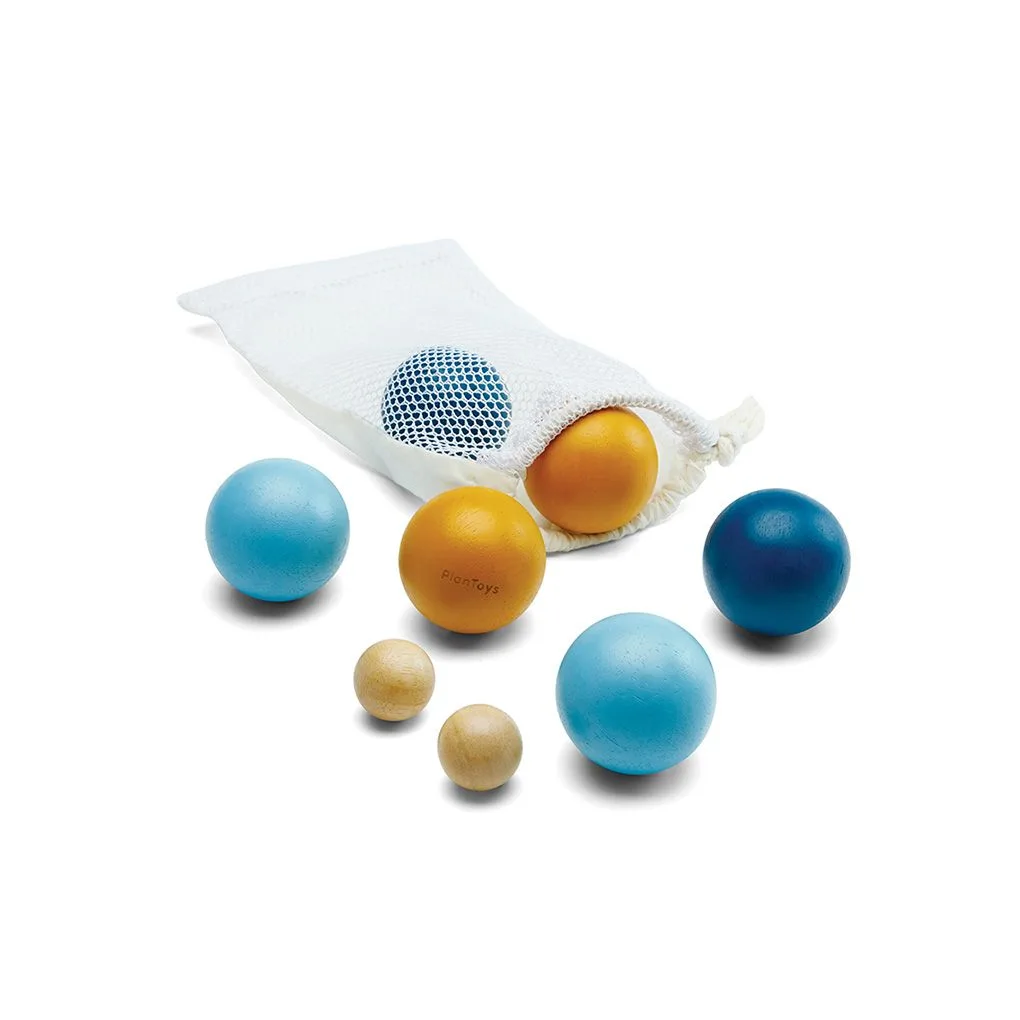
petanque
Set up a safe and simple playing area
Choose a flat, open space with a soft surface like grass, sand, or a carpet. Avoid hard surfaces like concrete to prevent bounce and injury. Mark a throwing circle about 1 meter (3 feet) in diameter using chalk, a rope, or a hoop. Place the cochonnet (target ball) 4 to 6 meters (13-20 feet) away for young children, and increase distance as they get older. Ensure the area is clear of rocks, sticks, and other hazards.
Use the right equipment for kids
Standard petanque boules are heavy (about 650-800 grams) and can be too much for small hands. Look for lightweight petanque sets designed for children, often made of plastic or softer materials. These are easier to grip and throw, reducing frustration. If you only have adult boules, let younger kids roll them underhand or use a gentle toss. A petanque set for kids typically includes smaller boules and a lighter cochonnet, making the game accessible.
Teach the basic rules in a kid-friendly way
Explain that each player or team tries to get their boules closest to the cochonnet. Players take turns throwing from the circle. The player closest to the cochonnet after all boules are thrown wins the round. For young children, simplify by letting everyone throw all their boules and then count which is closest. Skip complex scoring like measuring exact distances. Emphasize that the goal is to have fun, not to win at all costs.
Adapt the game for different ages
Toddlers (2-3 years) can participate by rolling a soft ball toward the cochonnet from a very short distance. Preschoolers (4-5) can throw underhand from 3-4 meters. School-age kids (6-8) can handle 4-6 meters and start keeping score. Older kids (9+) can play by official rules with distances up to 10 meters. Always let children choose their throwing style and distance based on comfort.
Steps to play petanque with kids
- Find a flat, soft surface: Choose grass, sand, or a carpet. Avoid concrete. Mark a throwing circle and place the cochonnet 4-6 meters away for young kids. Checkpoint: Ensure the area is free of hazards like rocks or sticks.
- Gather kid-friendly boules: Use lightweight plastic or soft boules if available. If not, let kids roll adult boules underhand. Common mistake: Using heavy adult boules can frustrate young children and lead to poor throws.
- Explain the goal simply: Tell kids the aim is to get their boule closest to the cochonnet. Demonstrate a gentle underhand toss. Checkpoint: Ask kids to repeat the goal to ensure understanding.
- Take turns throwing: Each player throws one boule at a time, standing inside the circle. For very young kids, let them stand closer or roll the boule. Common mistake: Forgetting to alternate turns; keep it fair and fun.
- Determine the winner: After all boules are thrown, see whose boule is closest to the cochonnet. That player or team wins the round. Checkpoint: Celebrate effort, not just winning, to keep it positive.
- Adjust for age and skill: Move the cochonnet closer for toddlers, farther for older kids. Use smaller teams or solo play as needed. Next step: As kids improve, introduce simple scoring and official rules.
Pretend play toys that complement petanque
- Fire Fighter Play Set: Fire Fighter Play Set includes an adjustable helmet and jacket, megaphone, fire extinguisher, water hose, flashlight, hatchet, and walkie talkie. After a game of petanque, kids can continue active role play with this set, extending physical and imaginative play.
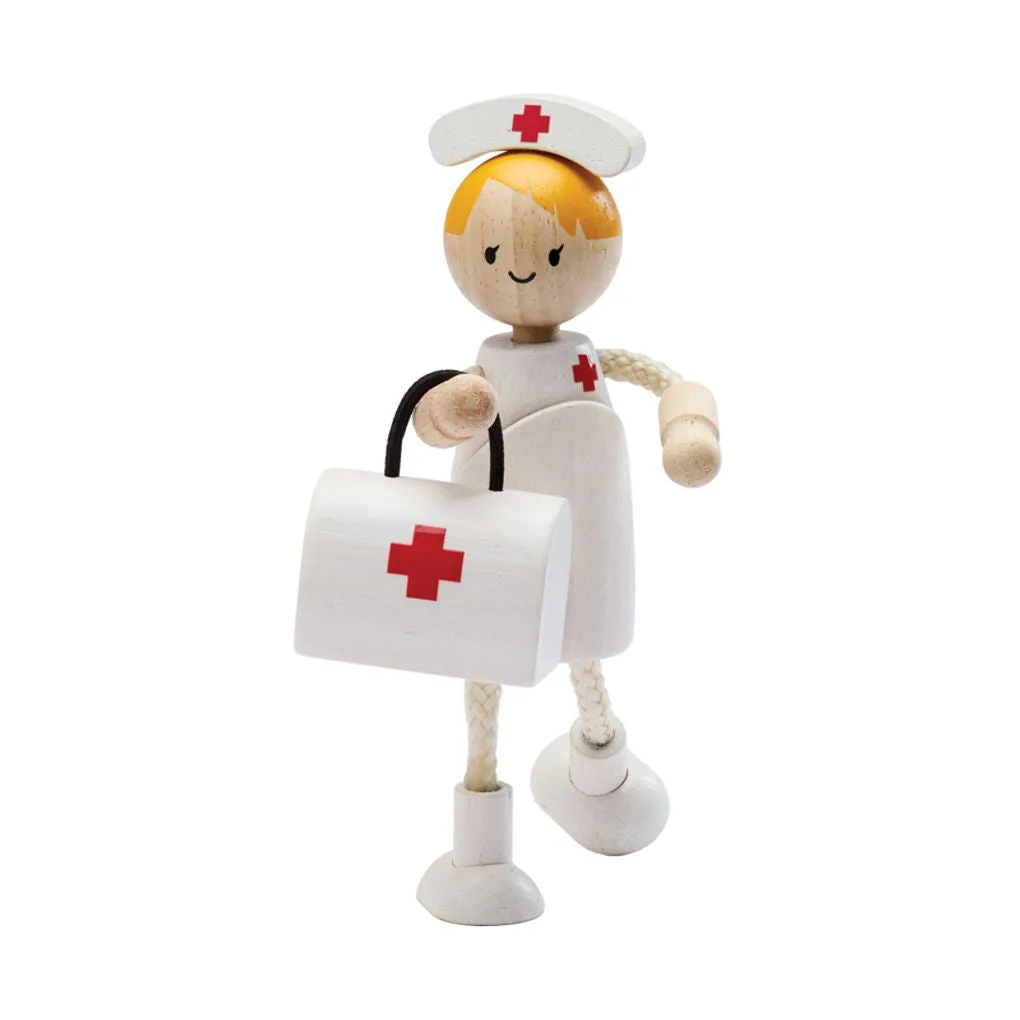
- Doctor Set: Doctor Set includes 5 basic medical equipment pieces and a handy doctor case, teaching empathy through pretend play. Useful for quieter indoor play after outdoor lawn games, helping kids wind down while still engaging their imagination.