Quick answer
Choose the Peter Hurley Daylight Travel Kit for consistent, true-to-daylight color on location; choose the Bi-Color Travel Kit when you need to match mixed indoor lighting without gels.
Why color temperature matters in a travel kit
When you're packing lights for a shoot, you rarely control the ambient light. Daylight kits lock you into 5600K, which is perfect for window-light looks or balancing with flash. Bi-color lets you dial from daylight to tungsten, so you can match warm indoor bulbs or create a warmer mood without swapping gels.
The price gap: what you're paying for
The Bi-Color Travel Kit costs about $860 more than the Daylight version. That premium buys color flexibility, but not more output or a different build. If your work is consistently daylight-balanced, the extra cost may not pay off.
Both kits share the same core design
Both kits are built around the same three-light setup: dimmers, power adapters, mounting hardware, and a wheeled case. They're equally portable and equally suited for headshots. The only real difference is the color control.
Daylight vs bi-color: the trade-offs
- Color control: Daylight is fixed at 5600K; bi-color lets you adjust from daylight to tungsten. If you often shoot under mixed lighting, bi-color saves setup time.
- Budget: Daylight kit is about $860 cheaper than bi-color. If you rarely need tungsten, the daylight kit is the better value.
- Consistency: Daylight gives you a consistent look across all lights; bi-color requires careful matching if you adjust each head differently. For a uniform headshot look, daylight is simpler.
Product facts at a glance
-
Flex Cine Peter Hurley Daylight Travel Kit: Daylight-balanced with a CRI of up to 96 Accurate skin tones for headshots without extra color correction.
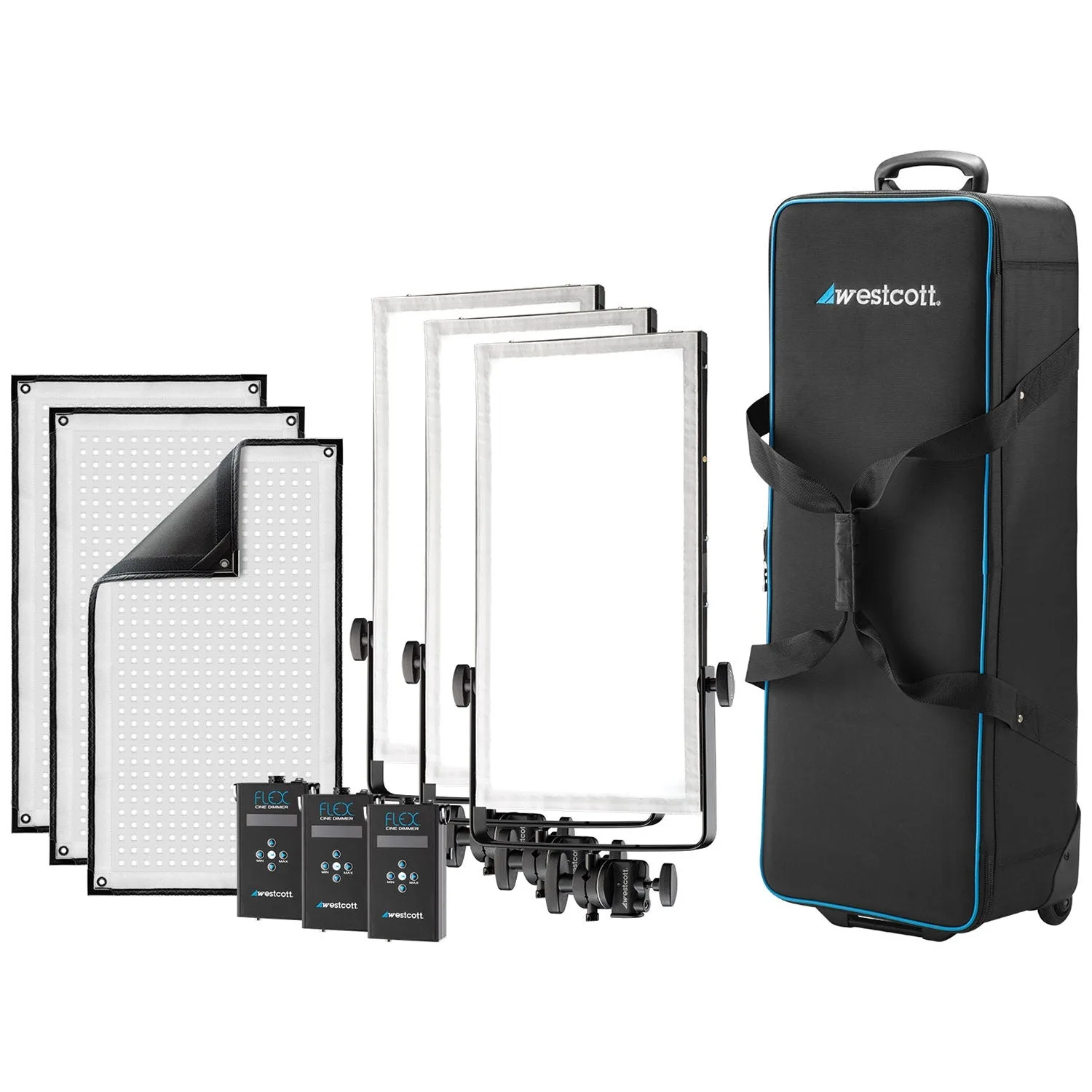
Flex Cine Peter Hurley Daylight Travel Kit
-
Flex Cine Peter Hurley Bi-Color Travel Kit: Bi-color version offers adjustable color temperature Lets you match mixed indoor lighting or create warm looks without gels.
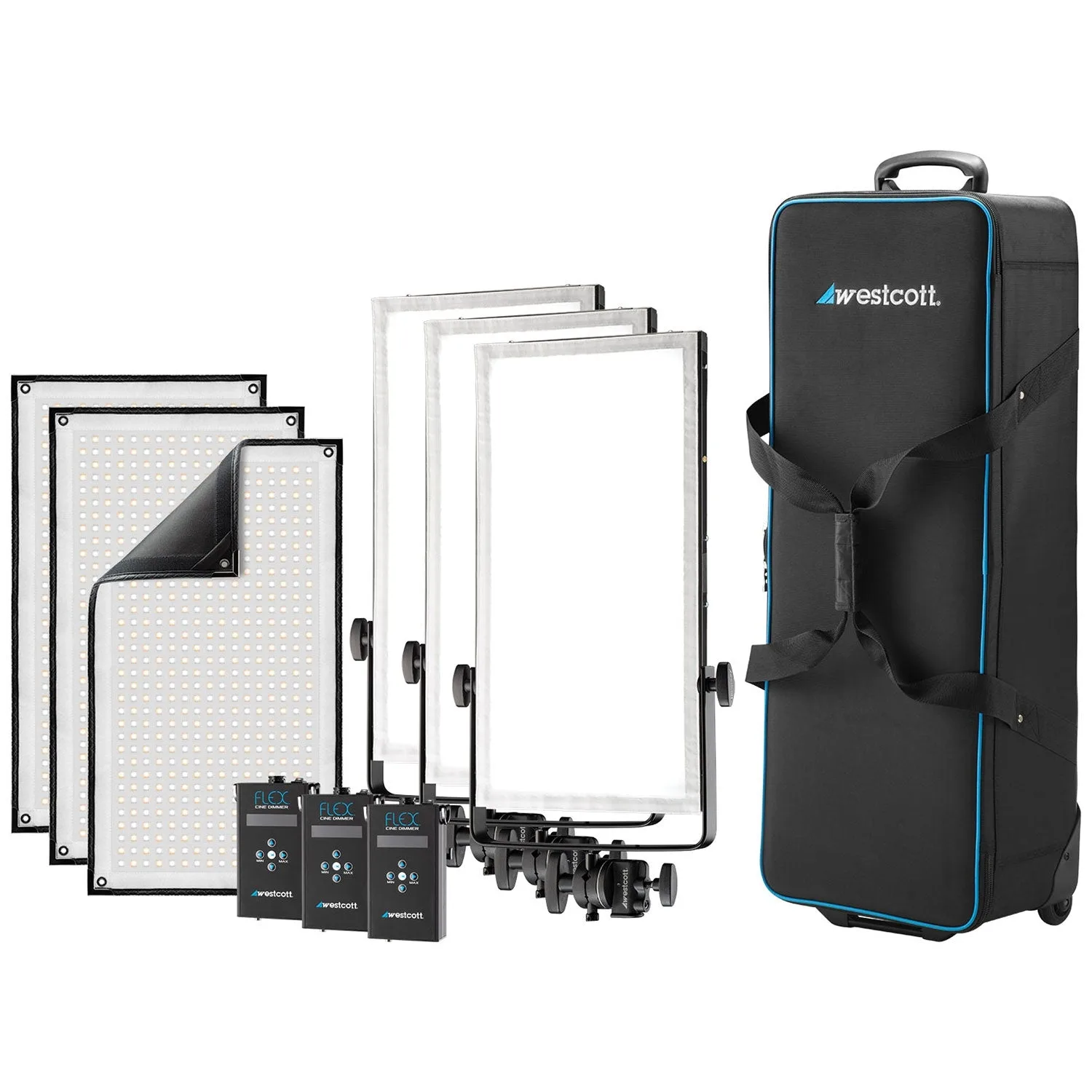
Flex Cine Peter Hurley Bi-Color Travel Kit
Which kit fits you?
Best for
- Photographers who shoot primarily in daylight or with flash and want accurate skin tones
- Location shooters who need a compact, wheeled kit for travel
Not for
- Shooters who frequently work in mixed indoor lighting and need color flexibility without gels
- Those who want to match tungsten ambient light for creative warmth