Quick Answer
Most Pictomania drawing mistakes come from trying to be too detailed or too vague. Focus on clear, bold shapes and use color to highlight key parts. If you keep missing the clue, simplify your drawing and remember that speed matters more than perfection.
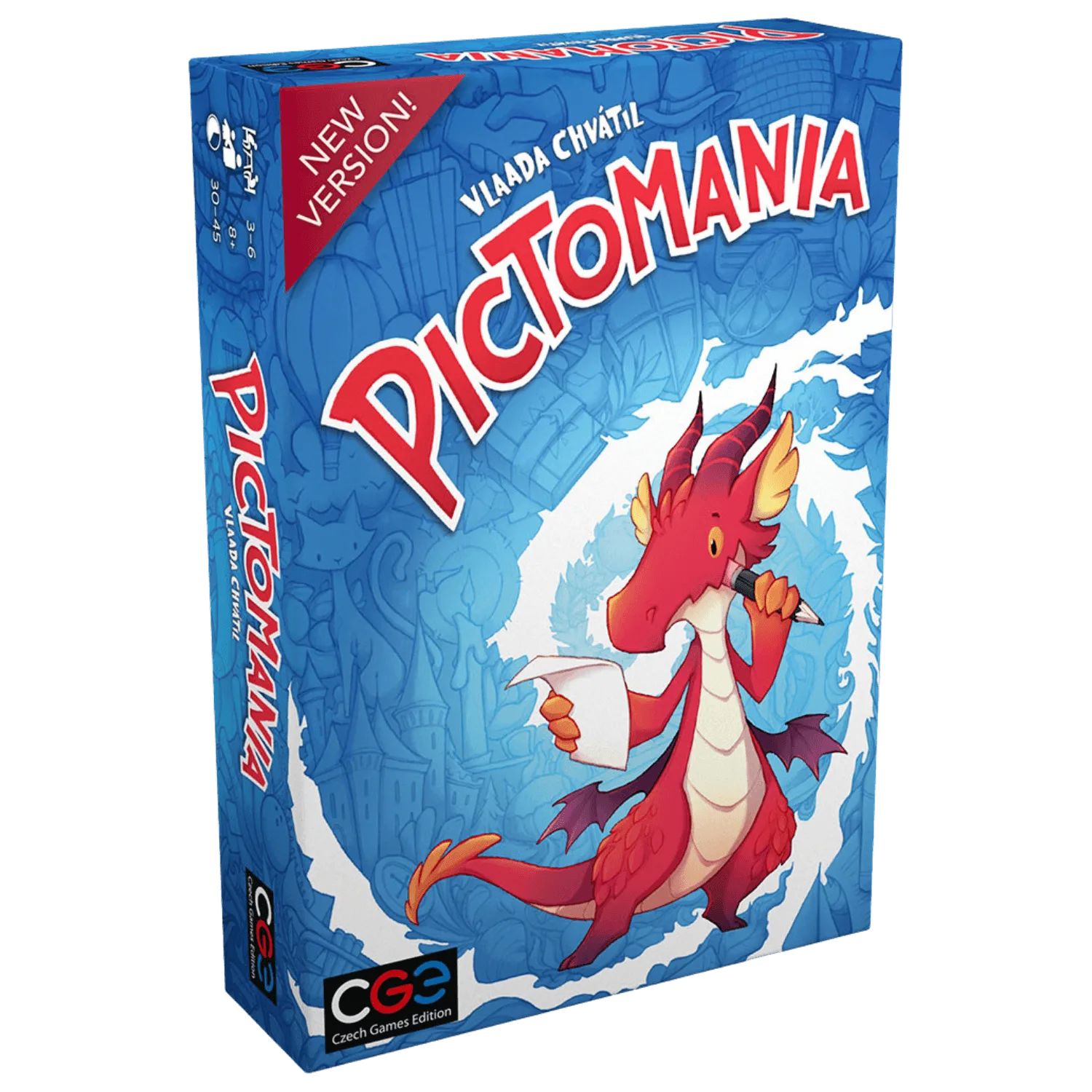
Pictomania
Ever felt your heart race as the timer ticks down and your sketch looks like a potato with legs? You're not alone. Pictomania turns drawing into a hilarious party game, but common mistakes can turn your masterpiece into a mystery. The good news: most errors are easy to fix once you know what to look for.
In this guide, we'll diagnose typical Pictomania drawing mistakes, offer practical corrections, and help you improve your drawing game without turning into a perfectionist. Whether you're a new player or a seasoned sketcher, these tips will keep the fun rolling.
Symptom: Your Drawing Is Too Detailed
When the pressure is on, many players try to draw every detail of the clue. They spend precious seconds adding shading, tiny features, or intricate patterns. The result? A beautiful drawing that nobody can finish looking at before time runs out.
The cause is often a fear of being misunderstood. You think more detail equals clearer communication, but in Pictomania, speed is part of the challenge. Your teammates need to guess quickly, and a busy sketch slows them down.
- Start with the biggest, most recognizable shape of the subject.
- Add only one or two key features that make it unique.
- If you're running out of time, stop adding details and let players guess.
Symptom: Your Lines Are Too Faint or Hesitant
Another common issue is drawing with light, shaky lines. This often happens when you're unsure of your idea or nervous about making a mistake. Faint lines are hard to see across the table and can confuse your teammates.
The fix is to commit to your strokes. Draw with confidence, even if you make a mistake. A bold wrong line is easier to interpret than a faint right one. Use the eraser only if you have extra time, but often it's better to just move on.
- Hold the pen firmly and draw in one smooth motion.
- If you mess up, quickly correct it with a clear line instead of erasing.
- Practice drawing simple shapes boldly in your free time.
Symptom: You Focus on the Wrong Element
Sometimes you draw the right subject but emphasize the wrong part. For example, if the clue is 'astronaut', you might spend time drawing the spaceship background instead of the helmet or the floating pose that makes it clearly an astronaut.
The likely cause is not thinking about what makes the subject recognizable. Ask yourself: 'What is the one thing that sets this apart?' For an astronaut, it's the helmet and the suit. For a cat, it's the ears and tail. Draw that first and make it prominent.
- Identify the defining feature of the clue before you start.
- Draw that feature first, larger than you think necessary.
- Use color to highlight it if your game allows.
Diagnose Your Drawing Problem
- Symptom: Too detailed: You run out of time or teammates can't find the clue because your drawing is cluttered. Simplify: draw the main shape and one or two key features. If you still struggle, practice with a timer.
- Symptom: Faint lines: Your sketch is hard to see and teammates squint or guess wrong. Draw boldly and commit to your strokes. If you keep hesitating, take a deep breath and just draw.
- Symptom: Wrong emphasis: You draw the right subject but teammates guess a different word because the key feature is missing. Before drawing, ask what makes the subject unique and draw that first. If you still miss, study common clues to learn their defining traits.
Products That Help You Improve
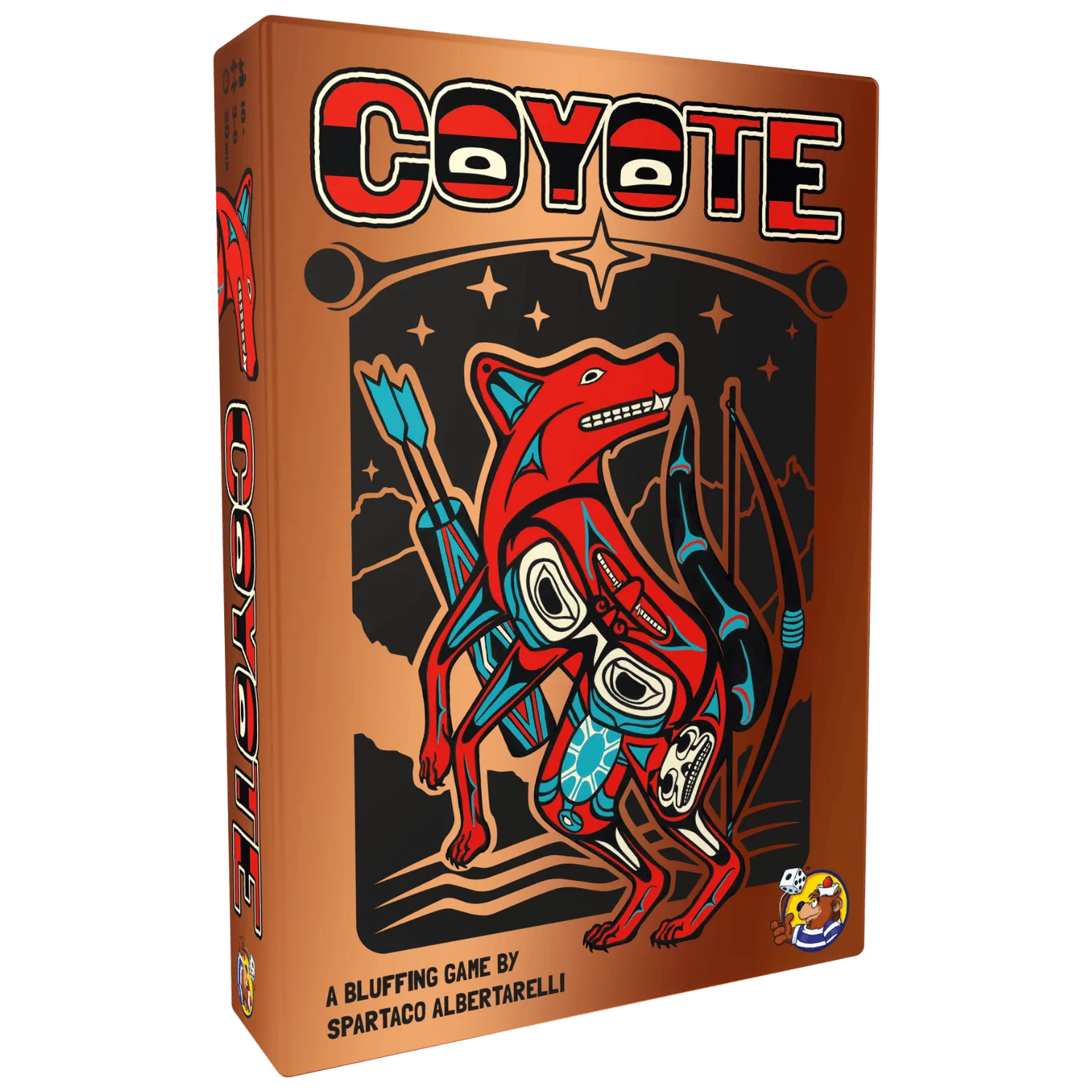
- Coyote: In this bluffing game by Spartaco Albertarelli you always see the cards of the others, but never your own. If you enjoy the social deduction and quick thinking in party games, Coyote offers a different challenge that sharpens your ability to read others—a skill that also helps you anticipate what teammates might guess in Pictomania.
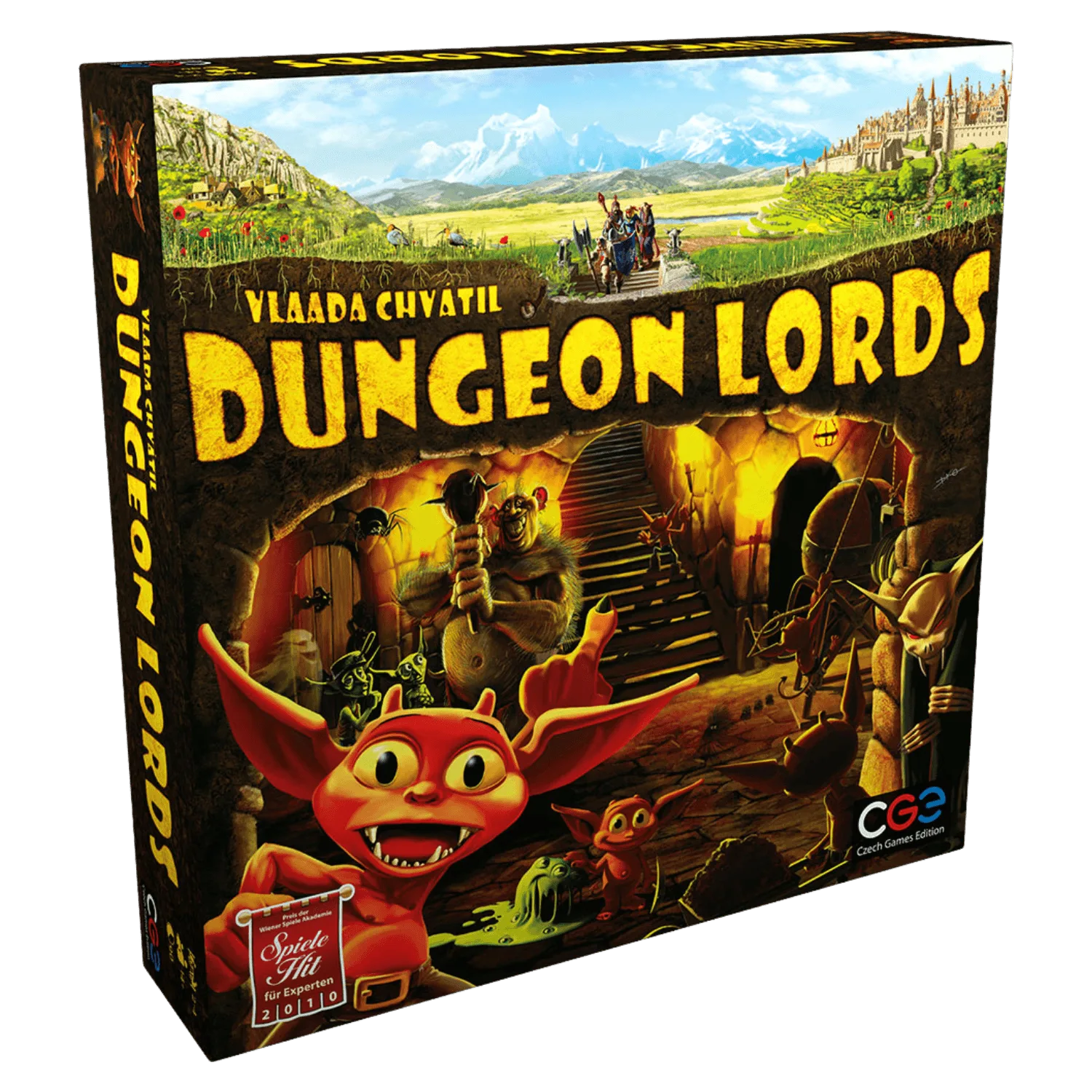
- Dungeon Lords: It is not easy, as the competition for resources is stiff and sometimes you have to get a bit evil to get what you want - and the more evil you get, the stronger the adventurers your dungeon attracts. While Dungeon Lords is a deeper strategy game, it teaches you to plan ahead and adapt—skills that can help you think about your drawing approach before the timer starts.
Improving at Pictomania isn't about becoming a great artist—it's about clear communication under pressure. By avoiding these common mistakes, you'll draw faster, guess better, and enjoy the game more. Next time you play, try these tips and watch your party game skills shine.